Pistachio Ice Cream Dessert
Pistachio Ice Cream: A Comprehensive Guide to the Emerald Gem of Frozen Desserts
Pistachio ice cream, with its distinctive vibrant green hue and nutty, slightly sweet flavor profile, stands as a beloved classic in the frozen dessert pantheon. Far from being a mere novelty, this emerald-hued delight boasts a rich history, a complex flavor science, and a surprising versatility that extends beyond its role as a standalone treat. This article delves deep into the world of pistachio ice cream, exploring its origins, the science behind its unique taste and color, the various methods of preparation, its nutritional aspects, and its enduring appeal in the global culinary landscape.
The genesis of pistachio ice cream can be traced back to ancient Persia, a region historically renowned for its bountiful pistachio orchards. While the exact point of its invention is lost to antiquity, it is widely believed that the Persians, known for their sophisticated culinary traditions and love of sweet concoctions, were among the first to incorporate pistachios into their desserts, including frozen treats. Early versions likely involved simple preparations of ground pistachios mixed with sweetened ice, a precursor to modern ice cream. The spread of pistachio cultivation and its associated culinary uses followed trade routes, eventually reaching Italy, where pistachios, particularly those from Bronte in Sicily, gained immense prestige. Italian gelato makers, masters of frozen desserts, refined the preparation, solidifying pistachio’s place as a staple flavor. From Italy, the popularity of pistachio ice cream spread across Europe and eventually to the Americas, where it continues to captivate palates with its unique character.
The allure of pistachio ice cream is deeply rooted in its complex flavor profile. Pistachios themselves are not uniformly sweet; they possess a subtle earthiness, a hint of bitterness, and a pronounced nutty richness that, when transformed into ice cream, creates a nuanced and sophisticated taste. This complexity arises from the intricate chemical composition of pistachios. They are rich in monounsaturated and polyunsaturated fats, which contribute to their creamy mouthfeel and carry fat-soluble flavor compounds. The characteristic nuttiness is primarily attributed to volatile compounds like pyrazines and furans, which develop during the roasting process, further enhancing their aroma and taste. When combined with the creamy base of ice cream – typically composed of milk, cream, and sugar – these pistachio notes are balanced, creating a harmonious and satisfying flavor. The sweetness of the sugar acts as a canvas, allowing the intricate flavors of the pistachio to shine through without being overpowered. Furthermore, the slight bitterness inherent in some pistachio varieties, when present in moderation, adds a sophisticated counterpoint to the sweetness, preventing the ice cream from becoming cloying.
The vibrant green color of pistachio ice cream is another defining characteristic, though it can vary significantly depending on the preparation method and the quality of the pistachios used. Naturally, high-quality pistachios, especially those grown in specific regions known for their intense color, will impart a richer green hue. However, it’s crucial to understand that the natural color of pistachios is not always as vibrant as what is often seen in commercial ice creams. Some manufacturers utilize natural colorants like chlorophyll derived from plants, or even artificial food colorings, to achieve a more consistent and visually striking emerald green. The anthocyanins present in some pistachio skins, while contributing to a reddish-brown hue when raw, can undergo chemical transformations during processing and cooking, sometimes contributing to greener tones. The Maillard reaction, a complex browning process that occurs during roasting, can also influence the color, potentially leading to a more golden or brownish tint if not carefully managed. Therefore, the "greenness" of pistachio ice cream can be a spectrum, with natural preparations leaning towards a more muted, earthy green, while commercially produced versions may exhibit a more intense, almost neon, green.
The preparation of pistachio ice cream can be approached through several methods, each yielding slightly different results in terms of texture, flavor intensity, and authenticity. The most traditional and arguably the most authentic method involves using finely ground pistachios, often roasted to enhance their flavor. These ground pistachios are then incorporated into a classic custard base made from egg yolks, milk, cream, and sugar. The custard is cooked gently to thicken, then chilled thoroughly before being churned in an ice cream maker. Roasting the pistachios is a critical step. Roasting not only intensifies their nutty aroma and flavor but also helps to reduce their moisture content, which can prevent the ice cream from becoming icy. The grinding process is also important; a fine grind ensures that the pistachio flavor is evenly distributed throughout the ice cream. Some recipes opt for a smoother texture by using pistachio paste, a concentrated form of ground pistachios emulsified with oil, which can provide a more intense and uniform flavor. Another approach is to steep whole or chopped pistachios in the dairy base before churning. This method allows the flavors to infuse more gradually, potentially leading to a subtler, more nuanced taste. For those seeking a dairy-free or vegan option, pistachio ice cream can be made using bases of coconut milk, almond milk, or cashew milk, often thickened with starches like tapioca or cornstarch to achieve a creamy texture. These alternative bases can introduce their own subtle flavors, so the quality of the pistachios remains paramount.
Nutritionally, pistachio ice cream, like most ice creams, is an indulgence. However, pistachios themselves offer a surprising array of nutrients that differentiate them from other nuts. They are a good source of protein, dietary fiber, and healthy monounsaturated and polyunsaturated fats, which can contribute to heart health when consumed in moderation. Pistachios also contain valuable vitamins and minerals, including vitamin B6, thiamine, phosphorus, and magnesium. When incorporated into ice cream, these nutrients are present, but they are offset by the significant amounts of sugar and saturated fat typically found in dairy-based ice cream. The fat content of the cream and the added sugar contribute to the calorie density of the dessert. Therefore, while enjoying pistachio ice cream, it’s important to be mindful of portion sizes, especially for individuals monitoring their caloric intake or managing conditions like diabetes. The presence of fiber and protein from the pistachios can, however, contribute to a slightly greater feeling of satiety compared to ice creams made with less nutrient-dense ingredients.
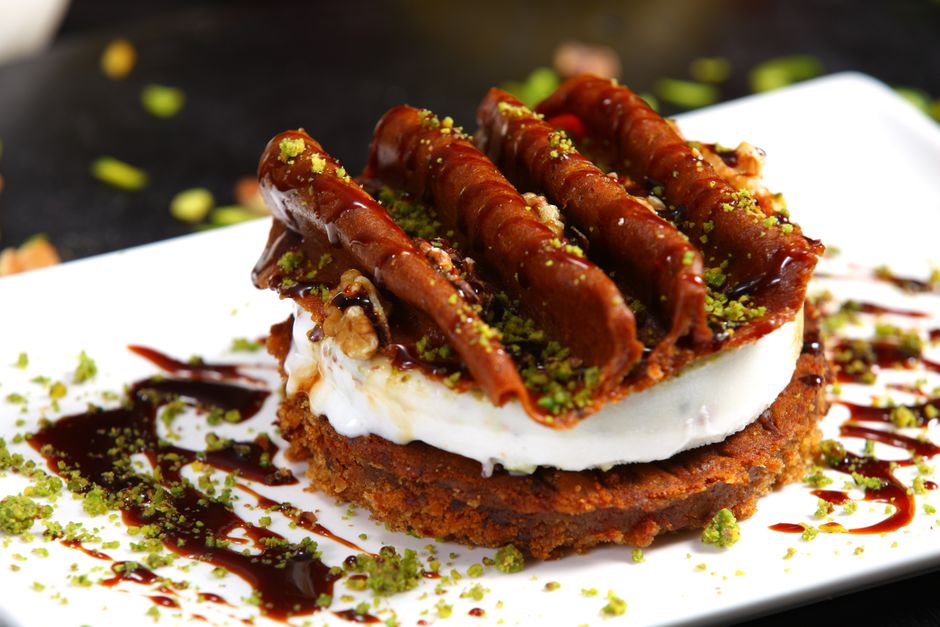
The enduring appeal of pistachio ice cream lies in its multifaceted nature. It transcends the typical sweet-and-creamy dessert by offering a sophisticated flavor profile that appeals to both casual dessert lovers and discerning palates. Its unique color makes it visually arresting, and its association with luxury and artisanal craftsmanship further enhances its desirability. In many cultures, particularly in the Mediterranean and Middle East, pistachios are a symbol of prosperity and celebration, and this cultural association imbues pistachio ice cream with a sense of special occasion. Furthermore, its versatility allows it to be enjoyed in various forms. Beyond a simple scoop, it serves as a magnificent base for more elaborate desserts. Think of a slice of rich chocolate cake adorned with a quenelle of pistachio ice cream, or a delicate fruit tart elevated by its creamy presence. It can be blended into decadent milkshakes, incorporated into layered parfaits, or even used as a surprising element in savory-sweet applications, such as a topping for grilled lamb or as a component in a fusion dessert. The slight bitterness of the pistachio acts as an excellent counterpoint to rich, sweet, or even slightly acidic flavors, making it a valuable ingredient for culinary experimentation.
The provenance of pistachios significantly impacts the quality and flavor of pistachio ice cream. Italian pistachios, particularly those from Bronte in Sicily, are highly prized for their intense flavor, vibrant color, and lower fat content, which contributes to a smoother ice cream texture. These "green gold" pistachios are protected by a Protected Designation of Origin (PDO) status, highlighting their unique qualities. Other regions, such as Iran and California, also produce excellent pistachios, each with its subtle flavor nuances. The processing of pistachios – whether they are raw, roasted, or salted – also plays a role. For ice cream, unsalted, and typically lightly roasted pistachios are preferred to avoid an overly salty profile and to maximize their inherent nutty flavors.
The chemical reactions during the freezing process of ice cream are also fascinating. As the mixture churns, it incorporates air, which is crucial for creating a light and airy texture. The water in the base freezes into ice crystals, and the fat molecules emulsify, contributing to the smooth mouthfeel. The proteins in the milk and egg yolks help to stabilize the emulsion and prevent the formation of large ice crystals, which can lead to an icy texture. The sugars not only provide sweetness but also act as cryoprotectants, lowering the freezing point of water and contributing to a softer, more scoopable ice cream. The high fat content of pistachio ice cream, particularly when made with a rich custard base and high-quality pistachios, further aids in creating a smooth and luxurious texture by coating ice crystals and preventing them from clumping together.
In conclusion, pistachio ice cream is far more than just a green-colored frozen treat. It’s a dessert with a storied past, a complex flavor profile driven by the intricate chemistry of the pistachio nut, and a captivating visual appeal. From its ancient Persian origins to its modern-day artisanal interpretations, pistachio ice cream continues to delight and intrigue. Its ability to be enjoyed as a simple pleasure or as a sophisticated component of more elaborate culinary creations ensures its lasting legacy as a beloved and iconic frozen dessert. The careful selection of pistachios, the mastery of preparation techniques, and an understanding of the science of ice cream making all contribute to the creation of this emerald gem that stands the test of time.