
Chef Johns Hot Cross Buns

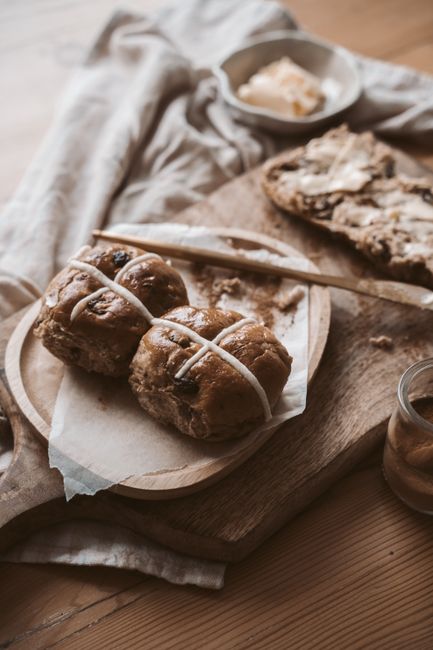
Chef John’s Hot Cross Buns: A Definitive Guide to Achieving Easter Perfection
Chef John’s Hot Cross Buns recipe stands as a beacon of culinary excellence for those seeking to master this iconic Easter treat. Renowned for its clarity, detailed explanations, and unwavering commitment to delicious results, this recipe demystifies the process of creating soft, fragrant, and visually appealing hot cross buns. This comprehensive guide will delve into every facet of Chef John’s approach, from ingredient selection and preparation to baking techniques and the signature cross decoration. Understanding the nuances of this recipe is crucial for any home baker aiming for authentic, shop-quality hot cross buns.
The foundation of any great hot cross bun lies in the quality and precise measurement of its ingredients. Chef John emphasizes using good quality dried fruit, such as currants, raisins, or sultanas. The importance of soaking these fruits is paramount. Soaking not only plumps them up, ensuring they remain moist within the bun, but it also helps to prevent them from drawing moisture from the dough during baking, which can lead to dry pockets. A mixture of hot water and a touch of orange juice is often recommended for this soaking process. The juice adds a subtle citrus note that complements the warm spices. For the dough itself, all-purpose flour is the standard, providing the necessary structure. Yeast, the leavening agent, is critical. Chef John typically opts for active dry yeast, requiring proofing to ensure its viability. This involves dissolving the yeast in warm liquid (milk is often used for richness) with a pinch of sugar. The mixture should become foamy within 5-10 minutes, indicating active yeast. If it doesn’t, the yeast is likely dead, and a new batch is needed. Sugar not only feeds the yeast but also contributes to the sweetness of the bun. Butter, softened, adds richness, tenderness, and flavor. Eggs bind the ingredients and add further richness. Spices are the soul of hot cross buns. A generous blend of cinnamon, nutmeg, and allspice is essential for that characteristic warmth and aroma. Some recipes might also include a touch of ground ginger or cloves for added complexity. Milk, warmed, is the primary liquid for the dough, contributing to its soft texture. A small amount of salt is necessary to balance the sweetness and enhance the overall flavor.
The method outlined by Chef John prioritizes achieving a perfectly textured dough. The process typically begins with activating the yeast, as previously described. While the yeast proofs, the dry ingredients are combined in a large bowl – flour, sugar, salt, and spices. Once the yeast is active and the milk has been warmed and slightly cooled (too hot will kill the yeast, too cold won’t activate it sufficiently), the wet ingredients are incorporated. This includes the softened butter, eggs, and the foamy yeast mixture. The ingredients are then mixed until a shaggy dough forms. The magic happens with kneading. Chef John advocates for sufficient kneading, either by hand or using a stand mixer with a dough hook, until the dough is smooth, elastic, and passes the windowpane test. This test involves gently stretching a small piece of dough; if it can be stretched thin enough to see light through without tearing, it has developed enough gluten. Proper gluten development is key to a light and airy crumb. After kneading, the dough undergoes its first rise. The dough is placed in a lightly greased bowl, covered, and left in a warm place to double in size. This usually takes about 1-2 hours, depending on the ambient temperature. The warmth allows the yeast to work efficiently, producing carbon dioxide gas and causing the dough to expand.
Following the first rise, the dough is gently deflated, and the soaked and drained dried fruits are incorporated. This is a critical step for even distribution. Some bakers prefer to lightly dust the fruit with a bit of flour before adding it to the dough to prevent it from sinking to the bottom during baking. The dough is then divided into equal portions. The size of these portions will determine the final size of the hot cross buns. Chef John often suggests a weight for each bun to ensure uniformity. The divided dough portions are then shaped into neat, round balls. This shaping creates surface tension, which helps the buns rise upwards and maintain their shape during baking. The shaped buns are then placed on a baking sheet lined with parchment paper, leaving ample space between them to allow for expansion. This is followed by the second rise, where the shaped buns are covered and allowed to proof again until they are noticeably puffy and have almost doubled in size. This second proof is crucial for achieving a light and airy texture.
The iconic cross on hot cross buns is a defining feature and Chef John provides a clear and effective method for its creation. The cross mixture is typically made from flour and water, forming a thick paste. Some variations might include a touch of sugar or milk for a slightly softer or richer paste, but the fundamental ratio is key. The paste should be thin enough to pipe easily but thick enough not to spread too much during baking. It is usually placed in a piping bag fitted with a small, round tip. Before piping, the risen buns should be lightly brushed with a milk or egg wash. This wash not only gives the buns a beautiful golden-brown sheen once baked but also helps the flour paste adhere better. The paste is then carefully piped in a cross pattern over the top of each bun. Consistency in piping is important for visual appeal.
Baking Chef John’s hot cross buns requires attention to temperature and time to achieve the perfect crust and internal texture. The oven should be preheated to a moderate temperature, typically around 375°F (190°C). Overcrowding the oven can lead to uneven baking, so it’s advisable to bake in batches if necessary. The buns are baked for approximately 20-25 minutes, or until they are golden brown on top and sound hollow when tapped on the bottom. The internal temperature of a fully baked bun should be around 190-200°F (88-93°C). Once baked, the buns are immediately removed from the oven and, while still warm, are brushed with a simple glaze. This glaze, often made from warmed apricot jam (strained to remove fruit solids) mixed with a little water, provides a beautiful shine and an extra layer of flavor. The apricot jam also helps to keep the buns moist and adds a subtle fruity sweetness that complements the spices and dried fruits.
The success of Chef John’s Hot Cross Buns recipe can be attributed to several key techniques and insights. Firstly, his emphasis on proper yeast activation and dough development through sufficient kneading is fundamental to achieving a light and airy crumb. Secondly, the detailed instructions on soaking dried fruits prevent them from drying out the buns. Thirdly, the clear guidance on shaping and proofing ensures uniform and beautifully risen buns. Finally, the practical advice on creating and applying the flour cross and the apricot glaze elevates the visual appeal and overall flavor profile. For SEO purposes, incorporating relevant keywords throughout the article is essential. These include "Chef John hot cross buns," "Easter buns recipe," "traditional hot cross buns," "how to make hot cross buns," "best hot cross bun recipe," "spiced fruit buns," "easy hot cross buns," "homemade hot cross buns," and "Easter baking." The structure of the article, moving from ingredients to technique to finishing touches, allows for a logical flow that caters to bakers of all skill levels. The detailed breakdown of each step, including troubleshooting tips implicitly embedded within the instructions (like checking yeast viability), makes this a highly practical and valuable resource. The emphasis on sensory details – fragrance, texture, visual appeal – resonates with home bakers seeking an authentic and satisfying experience. For anyone looking to master the art of hot cross bun making, Chef John’s methodology provides a robust framework for success, ensuring a delightful Easter treat that is both traditional and impeccably executed. The enduring popularity of this recipe online and within baking communities is a testament to its effectiveness and the trust home bakers place in Chef John’s culinary expertise. By adhering to his precise instructions and understanding the underlying principles of baking, even novice bakers can achieve professional-quality hot cross buns that are sure to impress. The ability to customize the fruit mix, spice levels, and even the type of glaze offers further opportunities for personalization, making Chef John’s recipe a versatile starting point for countless variations of this beloved Easter classic.


