
Tag Navajo Fry Bread

Navajo Fry Bread: A Culinary Cornerstone of Native American Heritage
Navajo fry bread, often simply called "fry bread" within Native American communities, is more than just a fried dough. It’s a deeply symbolic and culturally significant food item, interwoven with the history, resilience, and traditions of the Navajo people, also known as the Diné. While its origins are rooted in hardship and displacement, fry bread has evolved into a beloved staple, a source of pride, and a vibrant symbol of Native American culinary identity. This article will delve into the multifaceted world of Navajo fry bread, exploring its historical context, culinary significance, variations, preparation, cultural importance, and its enduring presence in contemporary Native American life.
The historical genesis of Navajo fry bread is inextricably linked to the Long Walk, a devastating forced relocation of the Diné people by the U.S. federal government in the 1860s. During this period of immense suffering and deprivation, the Diné were confined to Bosque Redondo, a barren reservation in New Mexico. They were provided with meager rations by the government, which often included flour, sugar, salt, lard, and baking powder. Lacking traditional ingredients and facing starvation, resourceful Diné women adapted by creating a simple, yet nourishing, fried dough from these provisions. This creation, born out of necessity, became a crucial source of sustenance and a tangible reminder of their ability to survive and persevere against overwhelming odds. The act of making and sharing fry bread became a communal activity, fostering a sense of unity and mutual support during a profoundly challenging era. This historical narrative is fundamental to understanding the profound meaning that fry bread carries for many.
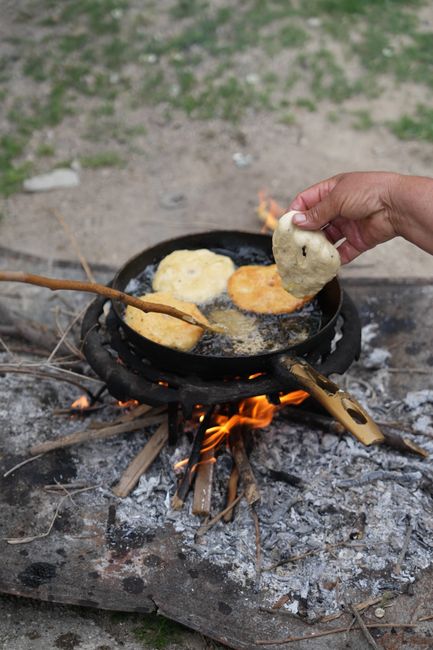
The basic preparation of Navajo fry bread is deceptively simple, yet its execution requires a nuanced understanding of ingredients and technique to achieve the perfect texture and flavor. The core ingredients are all-purpose flour, water, salt, and a leavening agent, typically baking powder. Lard or shortening is traditionally used for frying, contributing to its characteristic rich flavor and golden-brown crispness. The flour, baking powder, and salt are combined, and then water is gradually added to form a pliable dough. The key to a good fry bread dough is its consistency: it should be soft enough to handle easily but not sticky. Once the dough is mixed, it is typically kneaded briefly before being divided into individual portions. These portions are then flattened into thin, disc-like shapes, often with a characteristic hole punched in the center. This hole is not merely decorative; it helps to ensure even cooking and prevents the bread from puffing up excessively in the center. The flattened dough is then carefully lowered into hot lard or shortening and fried until golden brown and puffed on both sides. The frying process is rapid, requiring constant attention to prevent burning and to achieve the desired crisp exterior and soft, airy interior.
The versatility of Navajo fry bread is a testament to its adaptability and widespread appeal. While it can be enjoyed on its own, seasoned simply with salt, its true culinary potential is unlocked when it serves as a foundation for a variety of toppings and fillings. The most iconic and widely recognized form is the "Navajo taco," also known as an "Indian taco" or "Navajo burger." This savory creation features a generous piece of hot, crispy fry bread topped with seasoned ground beef, pinto beans, shredded lettuce, diced tomatoes, onions, and grated cheese. A dollop of salsa or sour cream often completes this hearty and flavorful meal. The combination of textures – the crisp fry bread, the tender meat, the crunchy vegetables, and the creamy toppings – creates a deeply satisfying sensory experience. Beyond the Navajo taco, fry bread can be adapted to numerous other culinary applications. It can be served as a side dish alongside traditional stews or chili, or it can be transformed into a sweet treat. For a sweet rendition, fry bread can be dusted with powdered sugar, drizzled with honey or syrup, or topped with cinnamon and fruit. This adaptability allows fry bread to transcend its savory origins and cater to a wide range of palates and occasions.
The cultural significance of Navajo fry bread extends far beyond its culinary attributes. It is a potent symbol of resilience, cultural survival, and community. For many Diné people, the aroma and taste of fry bread evoke strong memories of home, family gatherings, and powwows. It is often prepared and shared during important cultural events, from traditional ceremonies to modern celebrations. The act of making fry bread is often a communal endeavor, with families and friends coming together to prepare large batches, reinforcing social bonds and passing down culinary traditions to younger generations. The hole in the center of the fry bread is also imbued with symbolic meaning for some. It is sometimes interpreted as representing the journey of life, or the universe, or even as a connection to the spiritual realm. Regardless of specific interpretations, the presence of the hole is a distinctive feature that sets Navajo fry bread apart and adds another layer of cultural depth.
Beyond its traditional preparation, contemporary chefs and home cooks have explored innovative ways to present and experience Navajo fry bread. While the classic preparation remains beloved, some have experimented with incorporating different flours, such as blue cornmeal, to add unique flavors and colors. Others have explored alternative frying methods, such as baking or pan-frying with less oil, to create lighter versions. These modern interpretations, while sometimes deviating from strict tradition, often aim to honor the spirit of fry bread while making it more accessible or appealing to a broader audience. The availability of fry bread at Native American cultural festivals, farmers’ markets, and even some restaurants signifies its growing recognition and appreciation as a unique and important culinary art form. The embrace of fry bread in these contemporary settings reflects its enduring appeal and its ability to connect people to Native American culture.
The economic impact of Navajo fry bread, though perhaps not always quantifiable, is significant within Native American communities. For many vendors at powwows and cultural events, selling fry bread represents a vital source of income, providing economic opportunities and supporting local businesses. The demand for authentic fry bread often drives local agriculture and food production, creating a circular economy within these communities. Furthermore, the popularity of fry bread as a culinary icon has contributed to increased interest in Native American cuisine and culture, fostering understanding and appreciation among wider audiences. This economic dimension underscores the practical importance of fry bread as more than just a food item.
The nutritional profile of traditional Navajo fry bread, while delicious, is often high in fat and carbohydrates due to the frying process and the ingredients used. However, it also provides a source of energy and can be a satisfying and filling food. In its most basic form, it offers carbohydrates for energy and some protein from the flour. When prepared as a Navajo taco, it can incorporate various food groups, including protein from the meat, fiber and nutrients from beans and vegetables, and calcium from cheese. As with any food, moderation is key, and modern adaptations sometimes focus on lighter preparations or incorporating more nutrient-dense toppings. The focus remains on its cultural importance and satisfying nature, rather than strict health food claims.
The legacy of Navajo fry bread is one of enduring strength and adaptability. Born from adversity, it has transformed into a celebrated dish that embodies the spirit of the Diné people. Its simple ingredients and preparation belie a profound cultural significance, serving as a tangible link to history, a symbol of community, and a source of pride. Whether enjoyed as a savory Navajo taco or a sweet treat, fry bread continues to be a cherished culinary cornerstone, a delicious reminder of resilience and the enduring power of cultural heritage. Its presence at gatherings, its role in economic sustenance, and its increasing recognition in broader culinary spheres all attest to its vital and dynamic place in contemporary Native American life. The continued popularity and evolution of Navajo fry bread ensure that its story will be told and tasted for generations to come. It remains a powerful and delicious testament to the ingenuity and perseverance of the Diné people.


