
Deep Dish Cast Iron Pizza

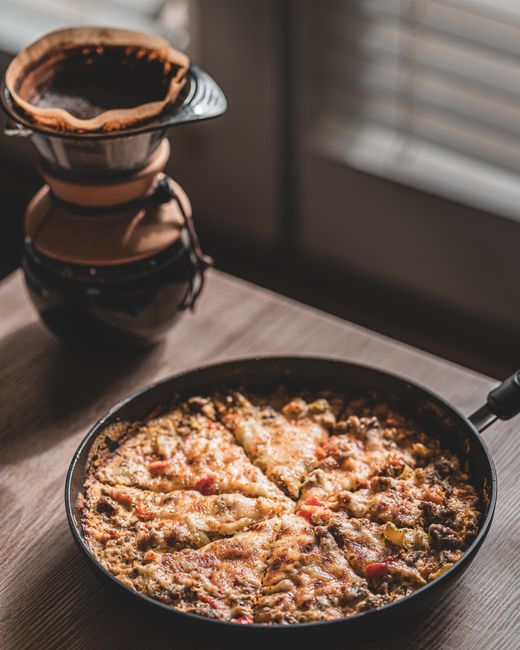
The Ultimate Deep Dish Cast Iron Pizza: A Masterclass in Crispy Crusts and Gooey Centers
The allure of deep dish pizza, particularly when crafted in a cast iron skillet, lies in its fundamental contrast: a robust, almost pie-like crust cradling an impossibly generous filling of sauce and cheese. This is not a pizza for the faint of heart, nor for those seeking a quick weeknight meal. It is an endeavor, a culinary commitment, and the cast iron skillet is its indispensable crucible. The thermal mass of cast iron, its unparalleled ability to retain and distribute heat evenly, is the secret weapon that transforms simple dough and toppings into a symphony of textures and flavors. This article delves into the science, technique, and artistry behind achieving the perfect deep dish cast iron pizza, providing a comprehensive guide for home cooks to replicate this iconic dish with professional results.
The foundation of any great deep dish pizza is, undeniably, the dough. While some may opt for pre-made options, true aficionados understand that a homemade dough is crucial for controlling flavor, texture, and hydration. For deep dish, a slightly richer dough, often incorporating a small amount of sugar and fat, is preferred. This enrichment contributes to a tender crumb and a golden-brown, crisp exterior. The hydration level is also key; a moderately hydrated dough, around 65-70%, will provide enough structure to hold the substantial toppings without becoming dense or gummy. The process begins with activating active dry yeast in lukewarm water (around 105-115°F or 40-46°C) with a pinch of sugar. Once foamy, this yeast mixture is combined with all-purpose flour, salt, and a tablespoon or two of olive oil in a large bowl or the bowl of a stand mixer. Kneading is essential to develop gluten, which provides the chew and structure. Aim for about 8-10 minutes of kneading until the dough is smooth and elastic, passing the windowpane test (where a small piece of dough can be stretched thin enough to see light through it without tearing). The dough then undergoes its first rise in a greased bowl, covered loosely with plastic wrap, in a warm place for 1-2 hours, or until doubled in size. This fermentation period develops flavor and texture.
Preheating the cast iron skillet is a non-negotiable step. It is the bedrock of achieving that signature crispy bottom crust. Begin by placing your clean, seasoned cast iron skillet (a 10-inch or 12-inch skillet is ideal for a standard-sized pizza) into a cold oven. Then, preheat the oven to a high temperature, typically between 450°F and 500°F (230°C to 260°C). This gradual preheating allows the cast iron to reach an intensely hot, uniform temperature throughout. While the oven and skillet are heating, prepare your dough. Once the dough has risen, gently punch it down and turn it out onto a lightly floured surface. For a deep dish, you want a generous amount of dough to line the sides of the skillet. Gently press and stretch the dough from the center outwards, creating a thick base and extending it up the sides of the skillet by at least 1.5 to 2 inches. The dough should be pressed firmly against the bottom and sides to create a sealed reservoir for the fillings. Some recipes recommend par-baking the crust for a few minutes before adding toppings to ensure a fully cooked and crisp bottom, especially if using a very wet sauce. However, with a well-preheated skillet and sufficient cooking time, this step can often be omitted, allowing for a more streamlined process. The oil in the skillet will also contribute to crisping the bottom.
The order of assembly for deep dish pizza is arguably its most defining characteristic, a deliberate inversion of traditional pizza layering. Instead of sauce on top, it’s at the bottom. This is done for several reasons: to prevent the dough from becoming soggy from the rich tomato sauce and to ensure the cheese melts directly onto the crust, creating a cohesive, gooey center. After the dough is pressed into the hot skillet, a generous amount of thick, chunky tomato sauce is spread evenly over the dough, reaching the edges of the crust. Using a high-quality crushed or diced tomato product, seasoned simply with salt, pepper, and a pinch of oregano or basil, is recommended. Avoid overly watery sauces, as they can compromise the crust. Some chefs even add a layer of cooked sausage or pepperoni directly onto the sauce before the cheese. This is where personal preference truly shines. The key is to create a substantial, flavorful base that will become the heart of the pizza.
Next comes the cheese. And for deep dish, the cheese is not shy. A blend of low-moisture mozzarella is essential for its meltability and characteristic gooey stretch. However, the true magic often comes from adding a layer of provolone for its sharper, more complex flavor and a touch of Parmesan for a salty, nutty finish. Generous amounts of shredded cheese are piled high, covering the sauce entirely. The cheese should create a thick, unbroken blanket. The thickness of this cheese layer is directly responsible for the luxurious, molten core that defines deep dish. For an even more indulgent experience, some recipes call for dollops of ricotta cheese scattered across the mozzarella layer, adding pockets of creamy richness. The goal is a substantial, satisfying layer that will melt into a molten, cohesive mass during baking.
Finally, the toppings are added on top of the cheese. This allows them to cook without burning or becoming overly greasy, while still ensuring they are integrated into the overall flavor profile. Classic deep dish toppings include Italian sausage (crumbled and pre-cooked), pepperoni, mushrooms, onions, and green peppers. When adding meats, pre-cooking is crucial to render excess fat and ensure they are cooked through. Vegetables should be sliced thinly to allow them to cook evenly alongside the dough and cheese. Again, the philosophy here is abundance. Don’t be afraid to layer on your favorite ingredients. The depth of the skillet allows for a substantial amount of toppings, transforming the pizza into a hearty meal. Some purists advocate for a final dusting of Parmesan cheese and a sprinkle of dried oregano over the toppings for an extra layer of flavor and visual appeal.
The baking process is where the cast iron truly earns its keep. The intensely hot skillet will ensure the bottom crust achieves a deep, golden-brown crispness that is difficult to replicate with other cookware. Once assembled, the pizza is carefully placed into the preheated oven. The baking time will vary depending on the size of the skillet, the thickness of the crust, and the amount of filling, but typically ranges from 30 to 45 minutes. During the baking process, the crust will puff up around the edges, the cheese will melt and bubble, and the toppings will cook. It’s important to monitor the pizza, especially during the last 10-15 minutes. If the crust is browning too quickly, you can loosely tent the pizza with foil. Conversely, if the center doesn’t seem to be cooking through, a slightly lower oven temperature for the final part of the bake might be necessary. The goal is a fully cooked crust, a molten, bubbly cheese filling, and perfectly cooked toppings.
The aftermath of baking is a critical period of patience. Once the deep dish cast iron pizza emerges from the oven, it requires a resting period of at least 10-15 minutes before slicing. This allows the molten cheese and sauce to set slightly, preventing a messy, unmanageable eruption of fillings upon cutting. The heat retained by the cast iron will continue to cook the interior of the pizza, ensuring a perfectly integrated bite. Using a sharp, sturdy pizza cutter or a chef’s knife is essential for slicing through the thick crust and generous fillings. The visual appeal of a well-executed deep dish pizza is undeniable: a golden-brown, almost caramelized crust, a thick layer of bubbly, golden cheese, and a vibrant filling.
The versatility of the deep dish cast iron pizza extends beyond classic toppings. While the Chicago-style is the most recognized, variations abound. Consider a white deep dish pizza, using a creamy béchamel sauce as the base, layered with chicken, spinach, and mozzarella. Or a spicy chorizo and black bean deep dish with a smoky tomato salsa. The fundamental principles of dough, skillet preheating, layering order, and baking remain constant, allowing for endless culinary experimentation. Mastering the deep dish cast iron pizza is not just about following a recipe; it’s about understanding the interplay of ingredients, heat, and time. It’s a rewarding journey that culminates in a truly spectacular and deeply satisfying meal, a testament to the enduring power of cast iron cooking and the unparalleled indulgence of a perfectly executed deep dish pizza. The crispy, chewy crust, the rich, tangy sauce, and the gooey, molten cheese create a harmonious symphony of textures and flavors that are simply unmatched. This is not just pizza; it is an experience, a labor of love that delivers an unforgettable culinary reward.


