Amazing Shrimp And Langostino Lobster Linguine
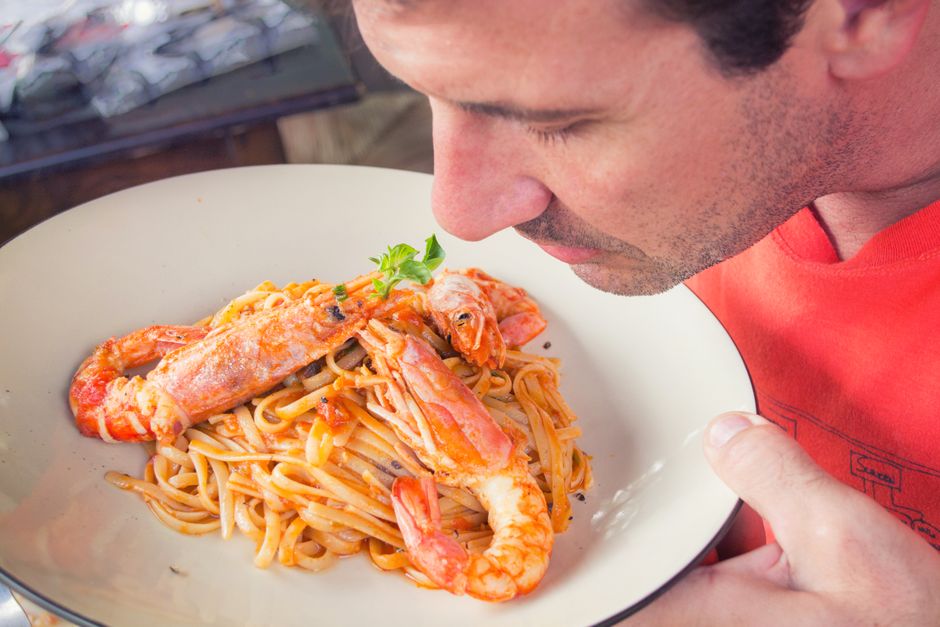
Shrimp and Langostino Lobster Linguine: A Symphony of Seafood and Pasta Perfection
This exquisite dish, a harmonious marriage of succulent shrimp and delicate langostino lobster nestled atop perfectly al dente linguine, offers a dining experience that is both sophisticated and deeply satisfying. The inherent sweetness of the seafood, amplified by a nuanced white wine and garlic sauce, creates a flavor profile that is both vibrant and comforting. The interplay of textures – the firm chew of the linguine, the satisfying bite of the shrimp, and the tender, almost buttery yield of the langostino – elevates this pasta dish from a simple meal to a culinary masterpiece. Mastering this recipe involves a keen understanding of ingredient freshness, precise cooking times, and the subtle art of balancing rich flavors without overwhelming the delicate seafood. This isn’t just pasta with seafood; it’s an exploration of oceanic bounty transformed into an unforgettable gastronomic journey.
The foundation of any exceptional shrimp and langostino lobster linguine lies in the quality of its core ingredients. For the shrimp, opt for large, U-15 or U-20 count, peeled and deveined. Their size ensures a substantial bite, preventing them from becoming lost in the pasta, while their natural sweetness is paramount. Freshness is non-negotiable; look for shrimp with a firm texture, a translucent appearance, and a mild, briny aroma. Avoid anything that appears slimy, discolored, or possesses a strong ammonia smell, indicative of spoilage. Similarly, langostino lobsters, often referred to as "small lobsters" or "squat lobsters," are crucial. While they may be less familiar than their larger cousins, their meat is exceptionally sweet and tender, with a flavor profile often described as a delicate blend of lobster and sweet shrimp. Look for pre-cooked and shelled langostino tails for ease of preparation. If available fresh, ensure they are handled with the same care as the shrimp, prioritizing vibrant color and a clean oceanic scent. The pasta itself, linguine, is the ideal choice. Its flat, narrow shape provides ample surface area for the sauce to cling to, ensuring every strand is coated in flavor. High-quality dried linguine made from durum wheat semolina will offer the best texture and most satisfying chew. Fresh pasta, while luxurious, can sometimes cook too quickly and become mushy if not expertly handled alongside the seafood.
The sauce is where the magic truly happens, transforming simple ingredients into a symphony of flavors. A classic white wine and garlic sauce forms the ideal canvas for the sweet seafood. Begin with a generous amount of good quality olive oil, heated gently in a wide, shallow pan over medium heat. Finely minced garlic is crucial, but its cooking time is critical to avoid bitterness. Sauté the garlic until it is fragrant and just beginning to turn golden, taking care not to burn it. This gentle infusion of garlic flavor into the oil is the starting point. Deglazing with a dry white wine, such as a Sauvignon Blanc or Pinot Grigio, adds acidity and depth. The wine should simmer and reduce by at least half, allowing the alcohol to evaporate and leaving behind its concentrated flavor. This step is essential for developing the sauce’s complexity. Chicken or vegetable broth can be added to further build the liquid base of the sauce, providing a subtle savory undertone. Heavy cream is often incorporated for richness, creating a luscious, velvety texture that coats the pasta beautifully. However, moderation is key; too much cream can mute the delicate flavors of the seafood. A touch of butter melted into the sauce at the end of cooking adds a final layer of silkiness and a hint of sweetness. Seasoning is paramount. Freshly ground black pepper offers a gentle warmth, while sea salt should be added judiciously, tasting and adjusting as you go, especially considering the inherent saltiness of the seafood. A pinch of red pepper flakes can introduce a subtle, welcome heat, cutting through the richness of the sauce and complementing the sweetness of the shrimp and langostino.
The cooking process for shrimp and langostino lobster linguine demands precision to ensure each component is perfectly prepared. The linguine should be cooked in a large pot of generously salted boiling water until it reaches al dente – tender but with a slight resistance to the bite. Overcooked pasta is the enemy of this dish, leading to a mushy, unappealing texture. Reserve at least a cup of the starchy pasta water before draining the linguine. This reserved water is a secret weapon, its starch content enabling the sauce to emulsify and coat the pasta beautifully. While the linguine is cooking, the seafood can be prepared in the sauce. Add the peeled and deveined shrimp to the simmering sauce. They cook very quickly, typically within 3-5 minutes, depending on their size. They are done when they turn opaque and pink. Overcooked shrimp become tough and rubbery, so vigilance is essential. Add the langostino lobster tails during the last minute or two of the shrimp’s cooking time. Their delicate nature means they require even less heat, just enough to warm them through and allow them to absorb the sauce’s flavors. Gently stir the cooked linguine directly into the pan with the sauce and seafood. Use tongs to toss everything together, ensuring each strand of pasta is thoroughly coated. If the sauce appears too thick, gradually add splashes of the reserved pasta water, stirring continuously, until the desired consistency is achieved. This process emulsifies the sauce, creating a cohesive, glossy coating that clings to the pasta.
Garnishes and finishing touches play a vital role in elevating the shrimp and langostino lobster linguine from good to extraordinary. Freshly chopped parsley is a classic and essential garnish. Its bright, herbaceous notes cut through the richness of the sauce and add a burst of freshness that awakens the palate. The vibrant green color also provides an attractive visual contrast to the creamy pasta and pink seafood. Lemon zest is another crucial element. Grating the zest of a fresh lemon over the finished dish releases its fragrant oils, adding a zesty aroma and a bright, citrusy tang that complements the sweetness of the seafood and balances the richness of the sauce without making the dish overtly lemony. A final drizzle of high-quality extra virgin olive oil can add another layer of sheen and a subtle peppery note. For those who appreciate a touch of heat, a sprinkle of more red pepper flakes can be added at this stage. Consider offering freshly grated Parmesan cheese as an optional accompaniment, though it’s important to note that traditional Italian seafood pasta dishes often eschew cheese to allow the pure flavors of the ocean to shine. If serving Parmesan, a finely grated, good-quality aged Parmigiano-Reggiano is recommended. A final crack of freshly ground black pepper over the top provides visual appeal and an aromatic finish.
The nutritional profile of shrimp and langostino lobster linguine, while rich in protein and healthy fats from the seafood, also presents opportunities for optimization and consideration of dietary needs. Shrimp are an excellent source of lean protein, vitamin B12, selenium, and iodine. Langostino lobsters, similar to their larger counterparts, provide high-quality protein, omega-3 fatty acids, and minerals like zinc and copper. Pasta, particularly whole wheat linguine, contributes complex carbohydrates for energy, along with dietary fiber. The olive oil used in the sauce provides monounsaturated fats, known for their cardiovascular benefits. However, the addition of heavy cream can increase the saturated fat content. For a lighter version, consider reducing the amount of cream or substituting it with a lighter alternative, such as evaporated milk or even a splash of the starchy pasta water for emulsification. The sodium content can be managed by using low-sodium broth and being mindful of salt added during cooking, relying more on herbs and aromatics for flavor. For those seeking to increase the vegetable component, incorporating finely diced zucchini, bell peppers, or cherry tomatoes sautéed alongside the garlic can add vitamins, minerals, and fiber without significantly altering the flavor profile. Gluten-free pasta alternatives are readily available, allowing individuals with celiac disease or gluten sensitivity to enjoy this dish. The key to a balanced and healthy preparation lies in mindful ingredient selection and portion control.
The cultural significance and evolution of seafood pasta dishes, including variations of shrimp and langostino lobster linguine, are deeply rooted in coastal culinary traditions. Across the Mediterranean, particularly in Italy, France, and Spain, the bounty of the sea has always been a central element of the cuisine. Pasta, a staple across Italy, found its natural partner in the abundant seafood of its extensive coastline. The development of sauces to complement these ingredients evolved organically, driven by local ingredients and regional preferences. Early iterations likely involved simple preparations, perhaps just olive oil, garlic, and whatever seafood was readily available. Over centuries, as trade and culinary techniques advanced, more complex sauces emerged, incorporating wines, herbs, and dairy. The inclusion of specific shellfish like langostino, while not as universally known as shrimp, reflects regional specialties and the historical availability of these delicacies in certain areas. The enduring popularity of dishes like shrimp and langostino lobster linguine speaks to the universal appeal of fresh, high-quality seafood paired with perfectly cooked pasta. It represents a culinary heritage that values simplicity, freshness, and the inherent deliciousness of well-executed ingredients.
Variations and enhancements can transform a classic shrimp and langostino lobster linguine into something uniquely personal. For a richer, more robust sauce, consider incorporating a tablespoon of tomato paste with the garlic and cooking it down to deepen its flavor before deglazing with wine. A touch of anchovy paste, dissolved into the sauce, can provide an umami depth that is surprisingly subtle yet impactful. For a brighter, more herbaceous profile, consider adding finely chopped fresh basil or tarragon along with the parsley at the end of cooking. A squeeze of fresh lemon juice directly into the sauce just before serving can further amplify the citrus notes. If you have access to lobster shells, they can be used to create a more intensely flavored seafood broth, which can then be used in place of or in addition to chicken or vegetable broth in the sauce, elevating the overall seafood essence of the dish. For those who enjoy a creamy, almost risotto-like texture, stir in a small amount of Arborio rice with the pasta and allow it to absorb some of the sauce, creating a hybrid dish. Adding blanched asparagus spears or steamed mussels alongside the shrimp and langostino can introduce additional textures and flavors, transforming the dish into a more complex seafood medley. The adaptability of this linguine dish makes it a versatile canvas for culinary creativity.
Serving shrimp and langostino lobster linguine is an event in itself. The visual appeal of the plump pink shrimp and delicate langostino nestled amongst the glistening linguine, adorned with vibrant green parsley and flecks of lemon zest, is immediately enticing. Serve it in shallow bowls to best showcase the pasta and seafood. A crisp, dry white wine is the quintessential pairing. Options like a Vermentino from Sardinia, a crisp Italian Pinot Grigio, or a bright Sauvignon Blanc from the Loire Valley will beautifully complement the seafood and cut through the richness of the sauce. For those who prefer red wine, a very light-bodied, fruity Beaujolais could work, but white is generally the preferred choice. Accompany the pasta with crusty bread for soaking up any remaining delicious sauce. A simple side salad of mixed greens with a light vinaigrette offers a refreshing counterpoint. The overall dining experience should feel celebratory, evoking the freshness of the sea and the warmth of a well-crafted meal.
In conclusion, shrimp and langostino lobster linguine stands as a testament to the elegance that can be achieved through the skillful combination of high-quality ingredients and precise culinary technique. The inherent sweetness of the seafood, the subtle complexity of the white wine and garlic sauce, and the satisfying chew of the linguine converge to create a dish that is both deeply flavorful and remarkably satisfying. From the meticulous selection of fresh shrimp and langostino to the careful timing of each cooking stage, every element contributes to the final harmonious whole. This dish is more than just a meal; it’s an invitation to savor the bounty of the ocean and experience the art of pasta preparation at its finest. Its enduring appeal lies in its ability to transport diners to coastal trattorias with every forkful, offering a taste of pure culinary bliss that resonates long after the last bite.