
Recipes 2802 RoastedEggplantParmesanFocaccia

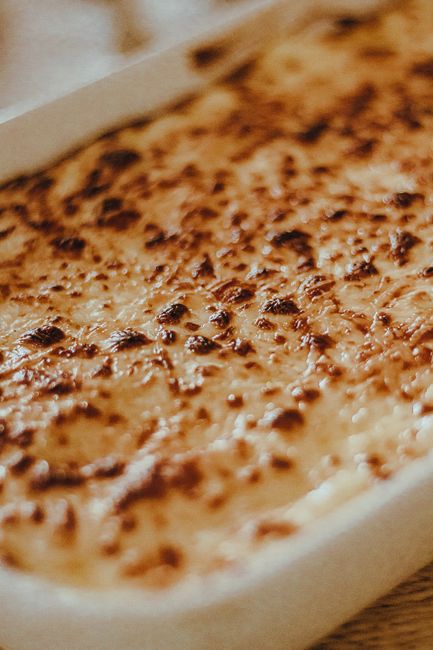
2802 Roasted Eggplant Parmesan Focaccia: A Deeper Dive into the Recipe
Recipe 2802, Roasted Eggplant Parmesan Focaccia, represents a sophisticated fusion of classic Italian comfort food with the beloved rustic charm of focaccia bread. This dish elevates the traditional eggplant parmesan by integrating its signature flavors and textures directly into a pillowy, herb-infused focaccia. The careful roasting of the eggplant is paramount, transforming its sometimes bitter and watery flesh into a tender, intensely flavorful component. This process involves slicing the eggplant to an optimal thickness, typically around half an inch, allowing for even cooking and caramelization. Seasoning with salt is a critical early step; it draws out excess moisture, preventing a soggy focaccia and concentrating the eggplant’s natural sweetness. Olive oil, a generous amount, is essential for achieving that characteristic roasted crispness on the edges and a meltingly soft interior. Herbs, such as dried oregano, basil, or even a touch of thyme, are often sprinkled over the eggplant slices before roasting, infusing them with aromatic depth. The oven temperature plays a crucial role, with a moderate to high heat, around 400°F (200°C), being ideal for achieving both tender eggplant and a nicely browned exterior. This preliminary roasting is what sets this recipe apart, pre-cooking the eggplant to perfection before its incorporation into the focaccia dough.
The focaccia dough itself is a vehicle for these rich Italian flavors, and its preparation requires attention to detail to ensure a light, airy, and chewy crumb. A standard focaccia dough recipe typically begins with good quality all-purpose or bread flour, providing the necessary gluten structure for a satisfying chew. Instant yeast is often preferred for its convenience and reliability, blooming in warm water to activate. A touch of sugar helps to feed the yeast and promotes browning, while salt is crucial for flavor and controlling yeast activity. Olive oil, a generous amount, is not just for flavor but also contributes significantly to the dough’s texture, creating that signature moist and tender interior and a slightly crispy bottom crust. Kneading is essential to develop the gluten, typically requiring several minutes of active kneading until the dough is smooth, elastic, and passes the windowpane test, indicating sufficient gluten development. The dough then undergoes its first rise, often in a lightly oiled bowl, covered to prevent drying, and allowed to double in size in a warm place. This initial fermentation develops complex flavors and a lighter texture. The subsequent dimpling of the focaccia, a hallmark of this bread, allows pockets to form and hold the toppings, and crucially, allows olive oil and any brining liquid to pool, further enhancing flavor and crispness.
The integration of the roasted eggplant, tomato sauce, and cheese into the focaccia is where the magic of Recipe 2802 truly happens. After the initial rise and the dimpling of the dough, a layer of rich tomato sauce is spread across the surface, leaving a small border to prevent overflow. The quality of the tomato sauce is important; a homemade marinara or a good quality store-bought version with minimal additives will yield the best results. This sauce acts as a moisture barrier and a flavor base for the subsequent toppings. The star, the pre-roasted eggplant slices, are then artfully arranged over the tomato sauce. Depending on the desired aesthetic and texture, the eggplant can be laid flat in a single layer or slightly overlapped. Following the eggplant, a generous scattering of mozzarella cheese is applied. Low-moisture, part-skim mozzarella is often recommended for its excellent melting properties without releasing too much excess liquid, which could make the focaccia soggy. Some variations of Recipe 2802 may also incorporate a sprinkle of grated Parmesan cheese for an added layer of savory depth and a salty crust. The final dimpling of the dough around the toppings helps to secure them and create those desirable wells for the molten cheese and rich sauce.
The final baking stage is critical for achieving the perfect balance of a crispy crust, a tender crumb, and perfectly cooked toppings. The focaccia, now laden with its eggplant parmesan filling, is placed in a preheated oven, typically at a temperature similar to or slightly lower than the initial eggplant roasting temperature, around 375-400°F (190-200°C). The baking time will vary depending on the oven and the thickness of the focaccia, but generally ranges from 20 to 30 minutes. During this time, the focaccia will continue to rise, the crust will turn a beautiful golden brown, and the cheese will melt into a glorious, bubbly layer. The tomato sauce will caramelize slightly, and the eggplant will become even more tender. It’s important to monitor the focaccia towards the end of baking, and if the crust is browning too quickly, it can be loosely tented with aluminum foil. The aroma that emanates from the oven during this stage is a testament to the successful fusion of these classic flavors.
Once removed from the oven, allowing the Roasted Eggplant Parmesan Focaccia to cool slightly is crucial for the flavors to meld and for the structure to set. This resting period, typically 10-15 minutes, prevents the bread from falling apart when sliced and allows the molten cheese and sauce to stabilize. While still warm, a final drizzle of high-quality extra virgin olive oil over the surface adds a touch of freshness and gloss. Some versions of Recipe 2802 may call for a scattering of fresh basil leaves or a pinch of red pepper flakes for a touch of heat and vibrant color immediately after baking. These finishing touches not only enhance the visual appeal but also contribute to the overall sensory experience of the dish. Serving this focaccia warm is ideal for experiencing the full textural contrast between the crispy crust, the soft bread, and the tender eggplant. It can be sliced into generous squares or rectangles, making it perfect for sharing as an appetizer, a light lunch, or even as a substantial side dish. The inherent richness of the eggplant parmesan, combined with the satisfying chew of the focaccia, creates a truly memorable culinary experience.
For optimal SEO, understanding the keywords and search intent surrounding Recipe 2802, Roasted Eggplant Parmesan Focaccia, is crucial. Search terms will likely revolve around "eggplant parmesan recipe," "focaccia bread recipe," "roasted eggplant," "Italian bread recipes," "easy eggplant recipe," "vegetarian appetizer," and "homemade bread." The inclusion of the specific recipe number, "2802," while potentially niche, targets users who are directly searching for this particular iteration, indicating a user familiar with or seeking this precise dish. Long-tail keywords such as "how to make roasted eggplant focaccia," "best focaccia with eggplant topping," and "steps for eggplant parmesan focaccia" will also drive targeted traffic. The article should be structured with clear headings and subheadings that incorporate these keywords naturally, aiding search engine crawlers in understanding the content’s relevance. For instance, headings like "The Art of Roasting Eggplant for Focaccia," "Crafting the Perfect Focaccia Dough for Recipe 2802," and "Assembling Your Roasted Eggplant Parmesan Focaccia" provide context and incorporate relevant search terms.
The nutritional profile of Recipe 2802, Roasted Eggplant Parmesan Focaccia, is influenced by its core ingredients. Eggplant itself is a good source of dietary fiber, vitamin C, vitamin B6, and potassium, while being relatively low in calories. Its fiber content aids in digestion and promotes satiety. When roasted, its nutritional value remains largely intact, with the added benefit of a more concentrated flavor profile. Olive oil, a cornerstone of Mediterranean diets, provides monounsaturated fatty acids, which are beneficial for heart health, and contains antioxidants. While moderating intake is often advised due to its calorie density, the quality of the olive oil used in this recipe contributes significantly to both flavor and health benefits. Tomato sauce, derived from tomatoes, is rich in lycopene, a powerful antioxidant linked to various health benefits, including potential protection against certain cancers. It also contributes vitamin C and potassium. Flour, the base of the focaccia, provides carbohydrates for energy. Whole wheat flour can be substituted to increase fiber and nutrient content, though this may alter the texture of the focaccia. Cheese, particularly mozzarella and Parmesan, offers calcium and protein, but can also contribute saturated fat and sodium, so mindful portioning is advised. The overall dish can be considered a good source of plant-based nutrients, particularly when focusing on the eggplant and tomato components, and can be a satisfying and flavorful vegetarian meal or appetizer.
Variations and substitutions for Recipe 2802, Roasted Eggplant Parmesan Focaccia, offer flexibility for different dietary needs and flavor preferences. For a vegan version, dairy-free mozzarella and Parmesan alternatives can be used. Nutritional yeast can be sprinkled over the top to mimic the cheesy, umami flavor of Parmesan. The egg wash often used for browning can be replaced with a simple plant-based milk or olive oil mixture. For those seeking a gluten-free option, a gluten-free flour blend can be substituted for all-purpose or bread flour in the focaccia dough. It’s important to note that gluten-free doughs may require slightly different hydration levels and handling. Adding other vegetables to the topping is another avenue for variation. Thinly sliced zucchini, bell peppers, or mushrooms can be roasted alongside the eggplant to add further layers of flavor and nutrition. For those who enjoy a bit of spice, incorporating a pinch of red pepper flakes into the tomato sauce or as a topping before baking will add a pleasant heat. Fresh herbs, such as rosemary, thyme, or sage, can be finely chopped and incorporated into the focaccia dough itself or sprinkled on top during the final minutes of baking for an intensified herbaceous aroma. Adjusting the amount and type of cheese allows for personalization, from a lighter sprinkle of mozzarella to a more decadent blend of fontina and Gruyère for a richer, nuttier flavor profile.
The culinary history and context of Recipe 2802, Roasted Eggplant Parmesan Focaccia, are rooted in the rich traditions of Italian cuisine. Eggplant parmesan, or Melanzane alla Parmigiana, is a beloved classic, with its origins debated but generally placed in Southern Italy, possibly Sicily or Campania. The dish typically involves layering sliced, often fried or baked, eggplant with tomato sauce, mozzarella, and Parmesan cheese, then baking until bubbly and golden. Focaccia, on the other hand, is an ancient flatbread with roots in Liguria, in northwestern Italy. It’s known for its airy, open crumb and dimpled surface, often seasoned with olive oil, salt, and herbs. Recipe 2802 ingeniously marries these two iconic dishes, creating a harmonious blend of textures and flavors. By roasting the eggplant and integrating it directly into the focaccia, the dish offers a more streamlined and perhaps more modern interpretation of eggplant parmesan. The act of baking these components together allows the flavors to meld more intimately than in a traditional layered dish. This recipe speaks to a culinary trend of deconstructing and reconstructing classic dishes, offering familiar comfort with an innovative twist. It’s a testament to the adaptability of Italian ingredients and cooking techniques, demonstrating how classic elements can be reimagined to create exciting new culinary experiences that appeal to a broad audience, from traditionalists to adventurous home cooks.


