The Evolution of the Dump and Bake Culinary Model
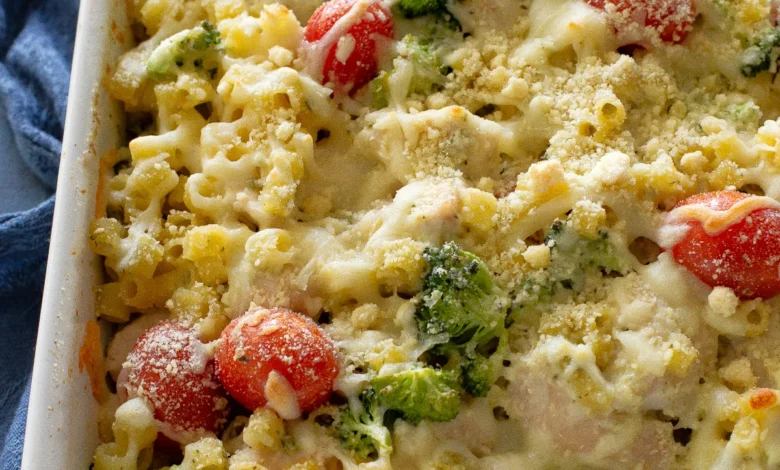
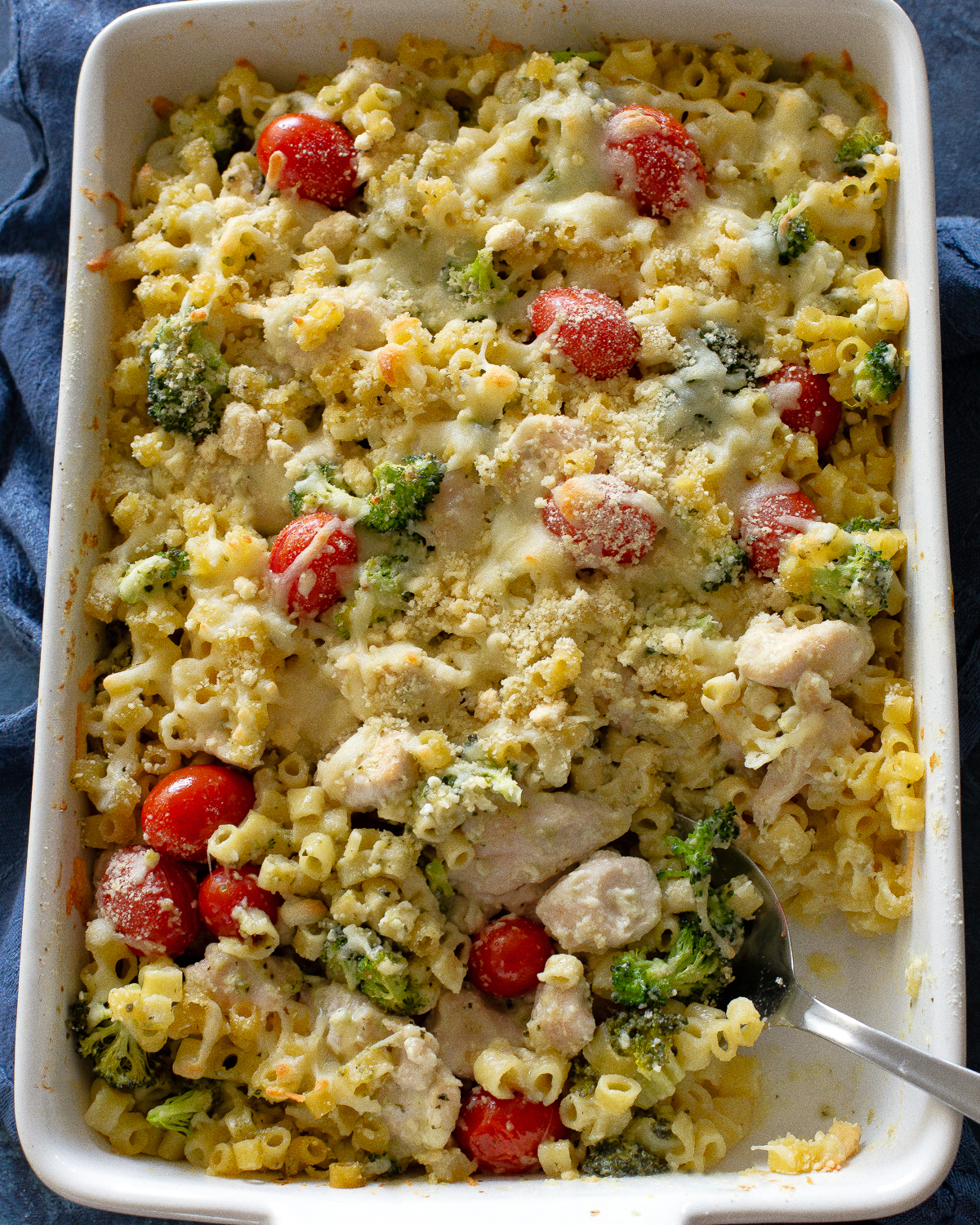
The "dump and bake" method is a sub-genre of one-pot cooking that eliminates the traditional pre-boiling of pasta or the separate sautéing of proteins and vegetables. Historically, casseroles and bakes often relied on heavy cream-based canned soups, which provided the necessary moisture for the starch to cook but often resulted in a high-sodium, low-nutrient profile. The contemporary iteration of this technique, exemplified by the pesto-based chicken bake, utilizes a more transparent ingredient list. By utilizing chicken broth and the moisture released from fresh vegetables like tomatoes and broccoli, the dish achieves a lighter, more vibrant texture.
Culinary historians note that the rise of these simplified methods mirrors the increasing time poverty of the average household. With more dual-income families and a shift toward "hyper-scheduled" lifestyles, the hour-long preparation process has been compressed into a ten-minute assembly. However, the shift is not merely about speed; it is about the "set-and-forget" reliability that modern convection and conventional ovens provide.
Technical Analysis of Order and Hydration
One of the most critical aspects of the Chicken Pesto Pasta Bake is the specific chronology of assembly. Initial developmental trials of the recipe revealed a common failure point in dump-and-bake dishes: the uneven hydration of the pasta. If all ingredients—including the heavy pesto and cottage cheese—are stirred together at the outset, the starch in the dry pasta becomes coated in fats and proteins before it can absorb the necessary liquid. This creates a barrier that prevents the core of the pasta from softening, resulting in a "crunchy" or undercooked texture.
To mitigate this, the methodology requires the dry pasta to remain on the bottom of the baking dish, submerged in broth. This allows the pasta to begin its hydration cycle in a low-fat environment. The heavier components, such as the pesto and cottage cheese, are layered on top or introduced later in the baking cycle. This "order and timing" ensures that the broth remains in direct contact with the pasta for the first half of the cooking process. Only after the pasta has reached a semi-cooked state can the dish be stirred to incorporate the fats and flavors of the pesto and cheese, ensuring a creamy, cohesive finish rather than a broken or oily sauce.
Ingredient Profile and Nutritional Impact
The selection of ingredients in the Chicken Pesto Pasta Bake reflects broader dietary trends emphasizing lean proteins and "hidden" vegetables.
The Role of Cottage Cheese in Modern Cooking
In recent years, cottage cheese has seen a resurgence in popularity, particularly within the fitness and wellness communities. In this pasta bake, cottage cheese serves two purposes: it provides a high-protein alternative to traditional heavy creams or béchamel sauces, and it creates a texture similar to ricotta when heated. From a nutritional standpoint, the inclusion of cottage cheese significantly boosts the leucine content of the meal, which is essential for muscle protein synthesis.
Vegetable Density and Fiber
The integration of broccoli and tomatoes provides essential vitamins C and K, as well as antioxidants like lycopene. Because these vegetables are baked directly with the pasta, their juices are absorbed into the sauce, preserving water-soluble nutrients that would typically be lost if the vegetables were boiled separately. This "closed-system" cooking method ensures that the nutritional value remains contained within the final serving.
Pesto as a Flavor Catalyst
Pesto, traditionally made from basil, pine nuts, garlic, parmesan, and olive oil, acts as a concentrated flavor base. Because it is fat-soluble, the flavor of the basil and garlic permeates the chicken and pasta as the dish bakes. The use of pesto allows for a complex taste profile without the need for an extensive spice cabinet, making the recipe accessible to novice cooks.
Chronology of Recipe Development
The development of the Chicken Pesto Pasta Bake followed a rigorous trial-and-error process characteristic of professional recipe testing.
- Phase I: The Concept (The "Fridge Raid"): The recipe originated from a spontaneous assembly of available ingredients—a common starting point for home-based culinary innovation. The objective was to combine a lean protein (chicken) with a green vegetable (broccoli) and a flavorful binder (pesto).
- Phase II: The Initial Failure: The first iteration involved a "mix-all" approach. As previously noted, the premature introduction of fats from the pesto and cottage cheese inhibited the pasta’s ability to absorb the chicken broth. The resulting dish was discarded due to poor texture.
- Phase III: The Hydration Adjustment: The second trial implemented a layered approach. By placing the pasta and broth at the base of the pan and allowing them to interact undisturbed for the initial phase of baking, the developer achieved the desired "al dente" consistency.
- Phase IV: Final Optimization: The final version of the recipe established the precise ratio of eight servings per standard baking dish, ensuring that the volume of liquid was sufficient to cover the dry pasta while still allowing for a golden-brown crust on the cheese topping.
Market Trends and Economic Context
The popularity of recipes like the Chicken Pesto Pasta Bake is supported by current economic data regarding food consumption. According to recent consumer reports, the cost of dining out has risen significantly, leading to a "stay-at-home" dining trend. However, consumers are not returning to basic ingredients; they are seeking "premium-at-home" experiences.
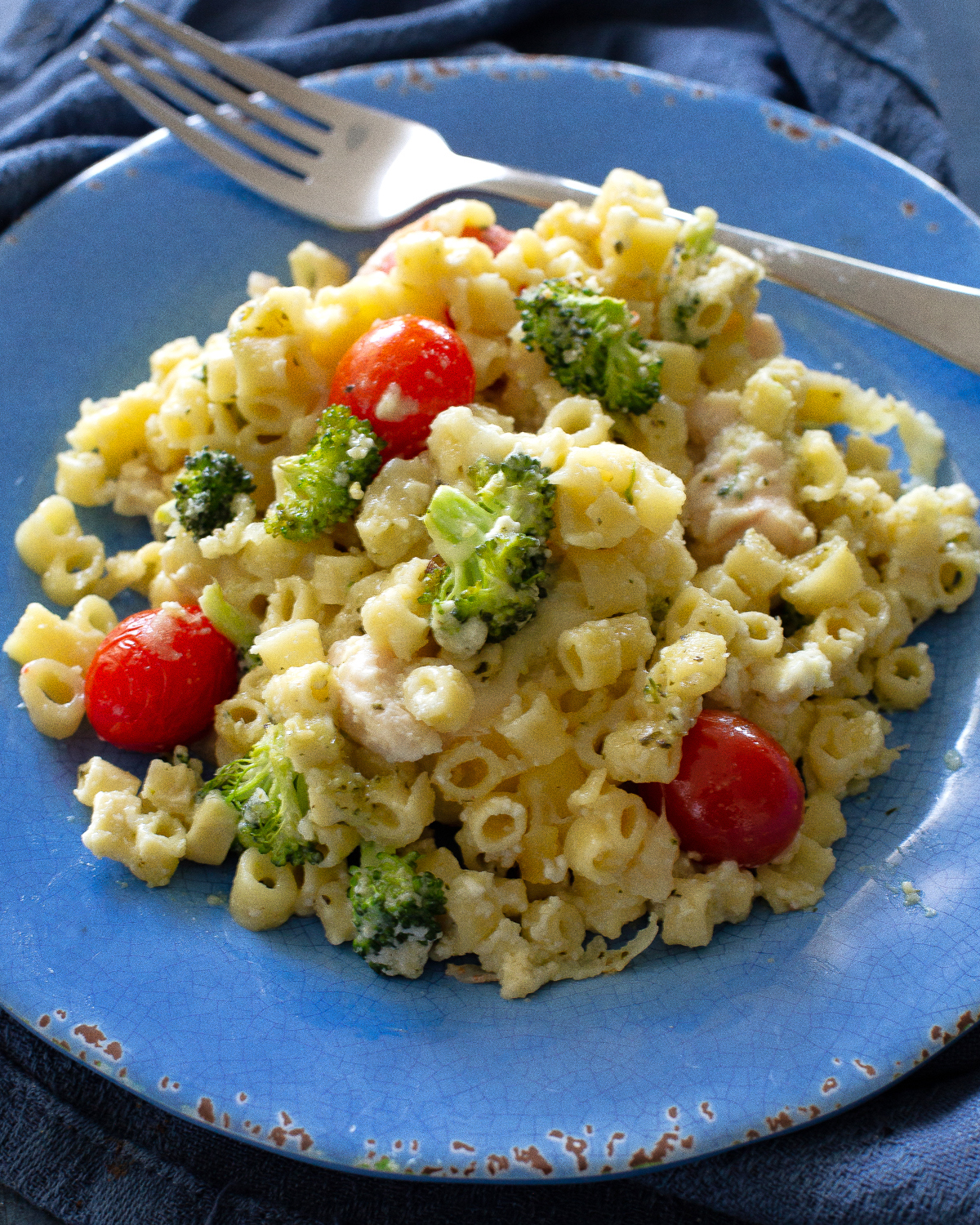
The Chicken Pesto Pasta Bake fits this niche perfectly. It utilizes relatively affordable staples—pasta, frozen or fresh broccoli, and chicken—but elevates them with the addition of pesto and cottage cheese. Furthermore, the yield of eight servings makes it a cost-effective solution for meal prepping. In an era where food waste is a major environmental and economic concern, the "dump and bake" model allows for the use of slightly older produce (like wilted spinach or soft tomatoes) that might otherwise be discarded, as the baking process softens and integrates these ingredients seamlessly.
Broader Implications for the Food Industry
The success of such recipes has forced grocery retailers and food manufacturers to adapt. There has been a measurable increase in the sales of "ready-to-use" sauces like jarred pesto and pre-cut frozen vegetables. Furthermore, the "cottage cheese craze" has led to shortages in some regional markets, as the ingredient has transitioned from a standalone snack to a versatile cooking component.
From a sociological perspective, the Chicken Pesto Pasta Bake represents a democratization of the culinary arts. By simplifying the technical requirements of cooking—reducing the need for multiple pans, precise heat management on a stovetop, and complex timing—more individuals are empowered to cook at home. This shift has long-term implications for public health, as home-cooked meals are generally lower in calories and higher in nutrients than processed or restaurant-prepared alternatives.
Official Responses and Culinary Analysis
While there is no "official" governing body for home recipes, the culinary community has largely embraced the shift toward more efficient baking methods. Professional chefs, who once looked down upon "dump" recipes, are now acknowledging the science behind these methods.
"The key to a successful oven-baked pasta is the hydration ratio," says one industry analyst. "When you see a recipe like Denney’s Chicken Pesto Pasta Bake, you are seeing a calculated balance of liquid to solid. It is not just throwing things in a pan; it is an exercise in steam-convection physics."
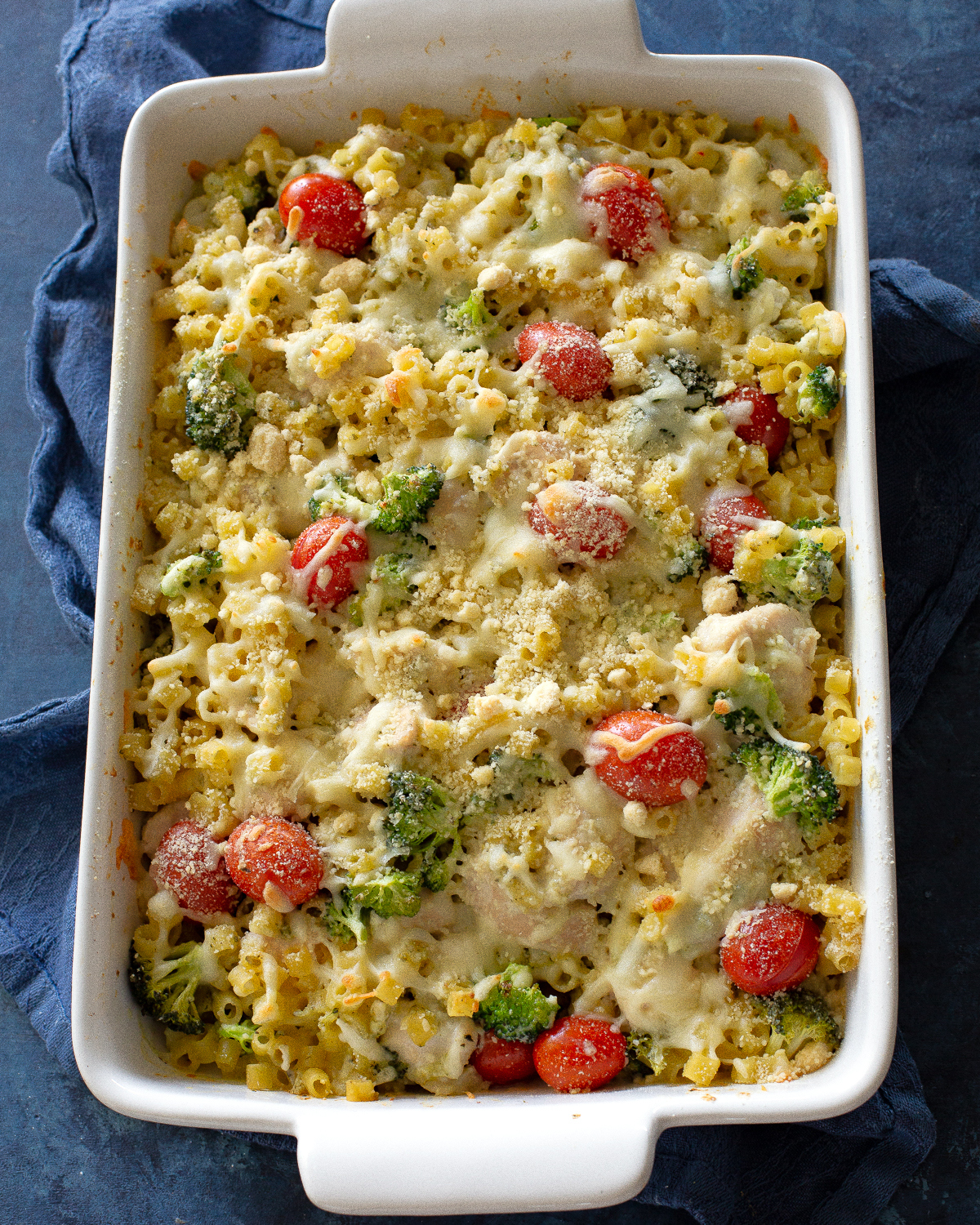
Furthermore, feedback from the home-cooking community suggests a high level of satisfaction with the dish’s versatility. Many users report substituting chicken for chickpeas for a vegetarian option or using gluten-free pasta, provided the liquid ratios are adjusted. This adaptability is a hallmark of a "robust" recipe that can survive the variations of different home kitchens.
Conclusion and Future Outlook
The Chicken Pesto Pasta Bake is more than just a convenient dinner option; it is a reflection of the current state of domestic life in the 21st century. It balances the competing demands of health, flavor, and time. As we look toward the future of home cooking, it is likely that we will see further refinements in the "dump and bake" category, perhaps with the integration of smart-oven technology that can automatically adjust baking times based on the moisture content of the dish.
For now, the success of this pesto-infused chicken and pasta dish serves as a reminder that culinary excellence does not always require hours of labor. Sometimes, it simply requires understanding the order of operations and the importance of letting ingredients "hang out" in the right environment to achieve the best possible result. As the recipe continues to circulate through digital platforms and family cookbooks, it solidifies its place as a modern classic in the landscape of American home cooking.