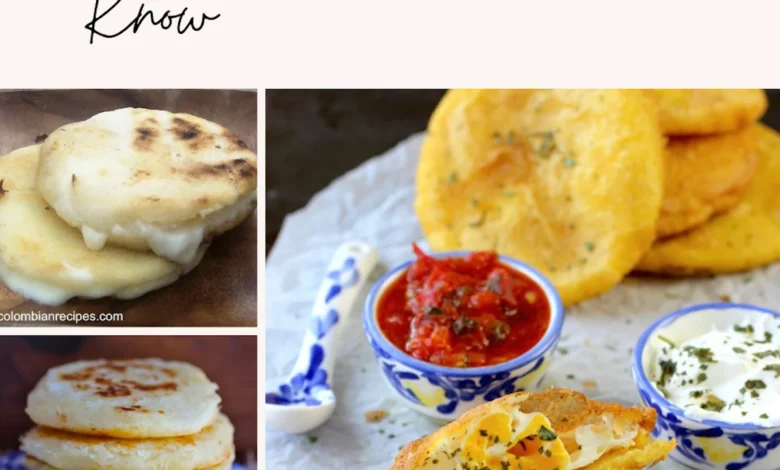
The arepa serves as the foundational element of Colombian gastronomy, acting as a culinary bridge between pre-colonial history and modern daily life. While frequently compared to the Mexican tortilla, the arepa is fundamentally distinct in its preparation, texture, and cultural role. These corn-based patties, typically cooked on a griddle (budare), skillet, or grill, represent a staple consumed across all socio-economic strata and geographic regions of Colombia. From the Andean mountains to the Caribbean coast, the versatility of the arepa—whether as a breakfast foundation, a savory lunch side, or an indulgent street food snack—remains an immutable constant in the Colombian diet.
Historical Context and Indigenous Origins
The history of the arepa predates European arrival in the Americas by thousands of years. Indigenous groups, specifically those inhabiting the regions now known as Colombia and Venezuela, cultivated maíz (corn) as their primary agricultural output. The etymology of the word "arepa" is widely believed to be derived from "erepa," a term used by the indigenous Cumanagoto people to describe the corn bread.

Early preparation methods involved soaking dried corn, grinding it into a dough, and cooking the resulting patties over hot stones or clay griddles. This indigenous innovation provided a shelf-stable, portable, and nutrient-dense food source. Following the Spanish conquest in the 16th century, the traditional recipe began to incorporate European influences, including the addition of dairy products like cheese and butter, as well as the integration of various meats, which transformed the arepa from a basic sustenance item into a complex, multifaceted culinary icon.

Culinary Taxonomy and Regional Diversity
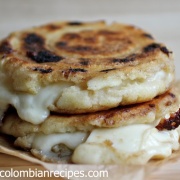
The landscape of Colombian arepas is vast, characterized by regional micro-climates and specific agricultural availability. Each variety reflects the local terroir:
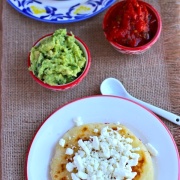
- Arepas de Choclo: Prevalent in the Andean region, these are crafted from fresh sweet corn rather than dry cornmeal. They possess a characteristic sweetness and are often paired with quesito (a fresh, mild Colombian cheese) and hot chocolate or coffee.
- Arepa Boyacense: Originating from the Boyacá department, these are distinguished by their inclusion of wheat flour and panela (unrefined cane sugar) in the dough, alongside cheese. The result is a savory-sweet profile that is unique to the high-altitude climate of the region.
- Arepa de Huevo: A pillar of the Caribbean coast’s street food culture, this variety involves a two-stage frying process. The dough is fried once, then carefully opened to receive a raw egg, and sealed and fried a second time, resulting in a protein-rich, crispy pastry.
- Arepa de Maíz Peto: This version utilizes hominy corn—corn that has been treated with an alkali in a process known as nixtamalization. This imparts a distinct texture and flavor profile that is foundational to traditional household breakfast spreads.
- Arepas de Yuca: Reflecting the agricultural diversity of the lowland regions, these arepas utilize cassava (yuca) flour, providing a gluten-free alternative that highlights the country’s reliance on tropical tubers.
Economic and Sociological Significance
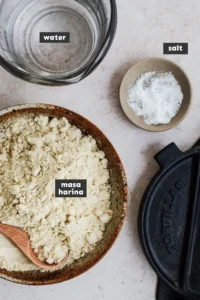
In contemporary Colombia, the arepa is more than a dietary preference; it is a significant economic commodity. The industrialization of pre-cooked corn flour, pioneered in the mid-20th century, revolutionized the accessibility of arepas. Brands like Harina P.A.N. and various local counterparts have streamlined the process for millions of households, yet the artisanal preparation remains a point of national pride.

From a sociological perspective, the act of preparing arepas is frequently associated with domestic cohesion. Interviews with culinary historians suggest that the communal preparation of arepas—often involving the shaping of the dough by hand—serves as a primary venue for intergenerational knowledge transfer. In rural areas, the "budare" remains the center of the kitchen, while in urban centers, street vendors contribute to an informal economy that sustains thousands of families.
Nutritional Profile and Modern Trends
While historically a simple starch, the modern arepa is increasingly analyzed for its nutritional versatility. Depending on the base ingredient—whether it is white corn, yellow corn, or plantain—the glycemic index and nutrient density vary. Recent trends in the food industry have seen an uptick in the demand for "healthy" or "gourmet" arepas, incorporating ingredients like chia seeds, quinoa, or spinach to cater to health-conscious demographics both within Colombia and in the growing Colombian diaspora.

However, nutritionists often emphasize that the traditional arepa is an excellent vehicle for balanced meals. When topped with lean proteins like shredded beef (carne desmechada) or fiber-rich ingredients like hogao (a traditional creole sauce made of tomatoes and scallions), the arepa serves as a balanced meal. The shift toward incorporating more legumes and vegetables into the fillings is a direct response to a broader global shift toward plant-forward nutrition.

Global Impact and Cultural Diplomacy
The rise of Colombian cuisine on the global stage—bolstered by the success of restaurants in culinary capitals such as New York, London, and Madrid—has propelled the arepa into the international lexicon. It is no longer viewed merely as a local curiosity but as a global "superfood" alternative to bread.

The "Arepa vs. Arepa" debate—a longstanding, mostly lighthearted contention between Colombia and Venezuela regarding the origin and "true" style of the dish—has inadvertently fueled international awareness. From a diplomatic standpoint, the arepa has become a symbol of Colombian identity, frequently featured in international cultural festivals and government-sponsored culinary tourism campaigns.

Analysis: The Future of the Arepa
Looking ahead, the trajectory of the arepa appears stable, yet it faces challenges related to industrialization and the preservation of traditional corn varieties. As climate change impacts agricultural yields, the reliance on mass-produced corn flour may shift toward a renewed interest in heirloom corn varieties. Experts suggest that for the arepa to maintain its status as a cultural pillar, the focus must remain on the preservation of regional recipes that are currently at risk of being homogenized by commercial interests.

The "Arepa Economy" remains a vital part of the nation’s GDP, with constant innovation in frozen, ready-to-eat, and gluten-free markets. As long as the tradition of the hogao remains the soul of the kitchen and the griddle remains hot, the arepa will continue to serve as the definitive culinary signature of the Colombian people. Whether enjoyed as a humble snack on a busy street corner in Medellín or as a refined appetizer in a high-end restaurant, the arepa remains the constant, reliable, and deeply cherished anchor of the Colombian experience.