The Nonalcoholic Amaro Guide: A Professional Analysis of Innovation and Market Integration

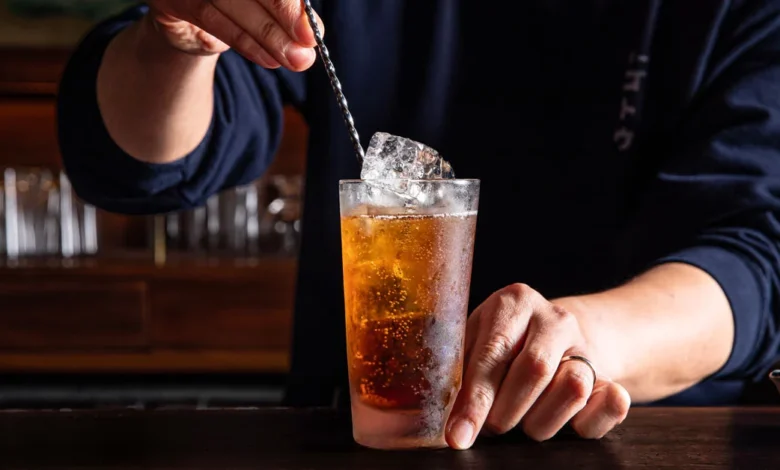
The landscape of nonalcoholic spirits has undergone a profound transformation over the last five years, moving from a niche market of overly sweet, one-dimensional syrups to a sophisticated category defined by technical precision and botanical complexity. Among these advancements, the rise of zero-proof amaro stands as the most compelling development. While the challenge of replicating the "burn" of ethanol—a sensory experience dictated by the interaction of alcohol with trigeminal nerve receptors in the mouth—remains a hurdle, distillers are increasingly successfully bridging the gap through the strategic use of maceration, viscosity-enhancing agents, and complex botanical layering.
The Chemistry of Zero-Proof Bitterness
The fundamental difficulty in creating a nonalcoholic spirit lies in the absence of ethanol, which acts as a primary solvent for flavor compounds and provides the structural "weight" that defines traditional spirits. Amaro, by definition, relies on the maceration of herbs, roots, flowers, and barks. Because these ingredients are naturally aromatic and bitter, they possess an inherent advantage: they do not require the presence of high-proof alcohol to deliver a robust flavor profile.
According to Robby Dow, proprietor of Bespoke in Wilmington, North Carolina, the category has reached a turning point. "We are seeing a move away from the ‘mocktail’ era where sugar was used to mask the lack of body," Dow explains. "Today, producers are focusing on the maceration of high-quality botanicals—citrus peels, wormwood, gentian, and saffron—to achieve the same flavor density found in full-proof digestifs." By focusing on the intrinsic bitterness of these elements, producers are creating products that offer the familiar, sophisticated palate of a traditional amaro, thereby facilitating a more seamless transition for the mindful drinker.
Market Evolution and Shifting Consumer Habits
The growth of the nonalcoholic amaro category is not driven solely by the total abstainer. Industry data suggests that the "sober-curious" demographic—consumers who actively reduce their alcohol intake without eliminating it entirely—is the primary engine behind this trend. Michael Toscano, East Coast Regional Director for The Pathfinder, notes that nonalcoholic amari are increasingly being integrated into standard bar programs. "Most people drinking nonalcoholic drinks aren’t necessarily sober; they’re simply looking for alternatives to integrate into their existing drinking habits," says Toscano.
This integration is evidenced by the inclusion of these spirits in cocktail menus at high-end establishments, where they are used not just in zero-proof drinks, but as modifiers in low-ABV (alcohol-by-volume) or even full-strength cocktails. This hybrid approach reflects a broader cultural shift toward intentional consumption, where the quality of the ingredients takes precedence over the alcohol content.

Profiles of Leading Nonalcoholic Amari
The following expressions represent the current standard in the category, each utilizing distinct methodologies to achieve the depth and texture required for a professional-grade product.
The Pathfinder Hemp & Root
Debuting in 2021, The Pathfinder set a new benchmark for the category. Utilizing a base of fermented hempseed, the liquid is blended with a complex array of botanicals, including wormwood, angelica root, Douglas fir, ginger, orange peel, and saffron. Its success lies in its structure; bartenders have noted a distinct "tannic" profile that allows it to hold its own when shaken or stirred. It has become a mainstay in service-industry circles, often serving as a preferred alternative for bartenders who wish to maintain their palate throughout a shift.
Amaro Lucano Non-Alcoholic
Amaro Lucano represents a rare instance of a legacy brand successfully translating a historical, high-proof recipe into a zero-proof format. Produced using the same 30-herb botanical blend as the original, this version retains the aromatic, Mediterranean characteristics that have defined the brand since its inception in 1894. Its ability to maintain the "best in show" status among professionals is largely due to its balance of baking spice and citrus, which mimics the mouthfeel and complexity of the original without relying on artificial fillers.

St. Agrestis Amaro Falso
The evolution of St. Agrestis provides a roadmap for the future of the industry. Following the acquisition of the brand by The Wine Group in early 2024, the company pivoted away from its flagship full-proof amaro to prioritize its growing nonalcoholic portfolio. Amaro Falso is engineered for performance; by using a blend of carbon dioxide and nitrogen, the producer creates a mouthfeel that mimics the viscosity and "bite" typically provided by alcohol. The small, 200-milliliter serving format is designed specifically for ease of service, allowing bartenders to achieve consistent results in spritzes and highballs.
Lapo’s Non-Alcoholic Amaro
Lapo’s serves as an example of the industry’s shift toward narrative-driven, boutique production. Born from the retail expertise of the founders of Zero Proof, the brand draws inspiration from the alpine-style amari of northern Italy. With dominant notes of licorice, pine, and eucalyptus, it occupies a specific niche for those who prefer an herbal, medicinal profile. Its presence in high-end Italian dining establishments in cities like Chicago demonstrates the growing acceptance of these products in traditional culinary settings.
Fast Penny Spirits Amaricano Zero
The latest entrant, Amaricano Zero, is the product of a three-year research and development cycle. Founder Jamie Hunt, known for her commitment to sustainable and foraged ingredients, has incorporated 40 different botanicals, including Rainier cherries, Yakima hops, and saffron. To address the lack of body, the brand utilizes vegetable-based glycerin and pectin—a technique borrowed from the molecular gastronomy movement—to replicate the silky texture of traditional liqueur. The resulting liquid possesses a "vinous" quality, making it particularly effective in complex, multi-layered cocktails.

Broader Implications and Industry Trajectory
The proliferation of these spirits has significant implications for the hospitality industry. As nonalcoholic options become more standardized, restaurants and bars are forced to treat these ingredients with the same rigor they apply to spirits, vermouths, and bitters. This shift is not merely a trend but a structural change in how beverage programs are designed.
Data from the hospitality sector shows that venues offering high-quality nonalcoholic options report higher customer retention and increased average check sizes. When a patron can consume a sophisticated drink that mirrors the complexity of a traditional digestif, they are more likely to engage with the menu for the duration of their visit.
Furthermore, the technological advancements in this space—specifically the use of botanical extraction and viscosity modifiers—are likely to spill over into other sectors of the food and beverage industry. As consumer demand for functional, healthy, and inclusive options continues to rise, the bar for "nonalcoholic" will continue to be pushed higher. The era of the simple soda-water-and-lime garnish is rapidly being replaced by an era of craft, intentionality, and chemical sophistication.

Conclusion
The evolution of nonalcoholic amaro from a speculative, fringe product into a reliable, bartender-approved category is a testament to the innovation currently defining the spirits industry. By prioritizing traditional maceration techniques and addressing the specific sensory challenges of alcohol-free production, these five brands—and others following in their wake—are successfully providing a bridge between the tradition of the Italian digestif and the demands of the modern, health-conscious consumer. As production methods continue to refine and supply chains for high-quality botanicals expand, it is likely that zero-proof amaro will become a permanent fixture on the world’s most prestigious backbars.