The Ultimate Guide to Making Steamed Chicken Legs with Sand Ginger: A Budget-Friendly, Flavor-Packed Weeknight Staple

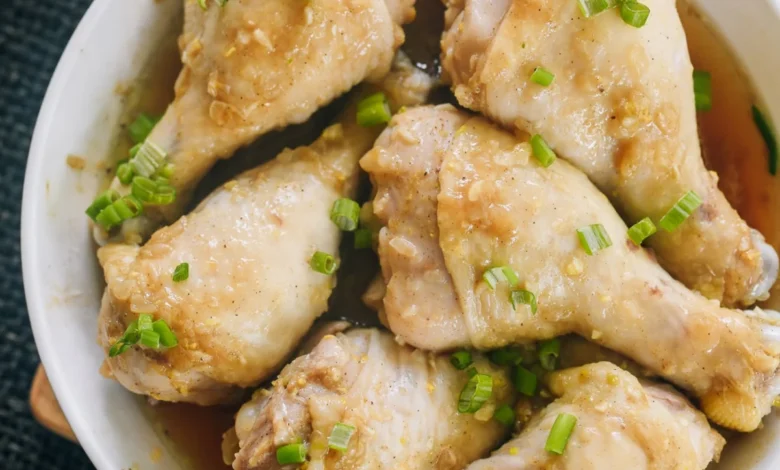
In an era defined by fluctuating grocery prices and a growing consumer shift toward economical home cooking, traditional culinary techniques are experiencing a widespread resurgence. Among these, the preparation of steamed chicken legs infused with sand ginger has emerged as a standout dish, marrying affordability with deep culinary heritage. Costing between $1 and $2 per pound, chicken drumsticks and leg quarters remain one of the few protein options largely insulated from the steep inflationary pressures that have driven up the costs of chicken breasts, thighs, and wings. This economic reality, combined with a desire for wholesome, comforting meals, has propelled this classic Cantonese-style preparation back into home kitchens.
The Culinary Profile and Cultural Background of Sand Ginger
At the heart of this traditional comfort food is sand ginger, known scientifically as Kaempferia galanga and referred to in Cantonese as shā jiāng (沙姜). Distinct from common culinary ginger (Zingiber officinale), sand ginger belongs to the same botanical family as galangal but possesses a sharper, more intensely earthy and peppery aroma. This distinct aromatic profile is essential for achieving the authentic flavor characteristic of classic coastal Chinese poultry dishes, most notably traditional salt-baked chicken.
Traditionally, sand ginger is utilized in powdered form—readily available in the spice aisles of Asian supermarkets—or sliced and dried. Culinary historians note that its application in home cooking dates back generations, serving as both a flavor enhancer and a natural preservative property in humid climates. In contemporary kitchens, food writers and recipe developers have increasingly incorporated sand ginger into dry rubs, chili oils, and infused scallion oils, highlighting its versatility beyond traditional steaming methods.
Nutritional Overview and Economic Viability
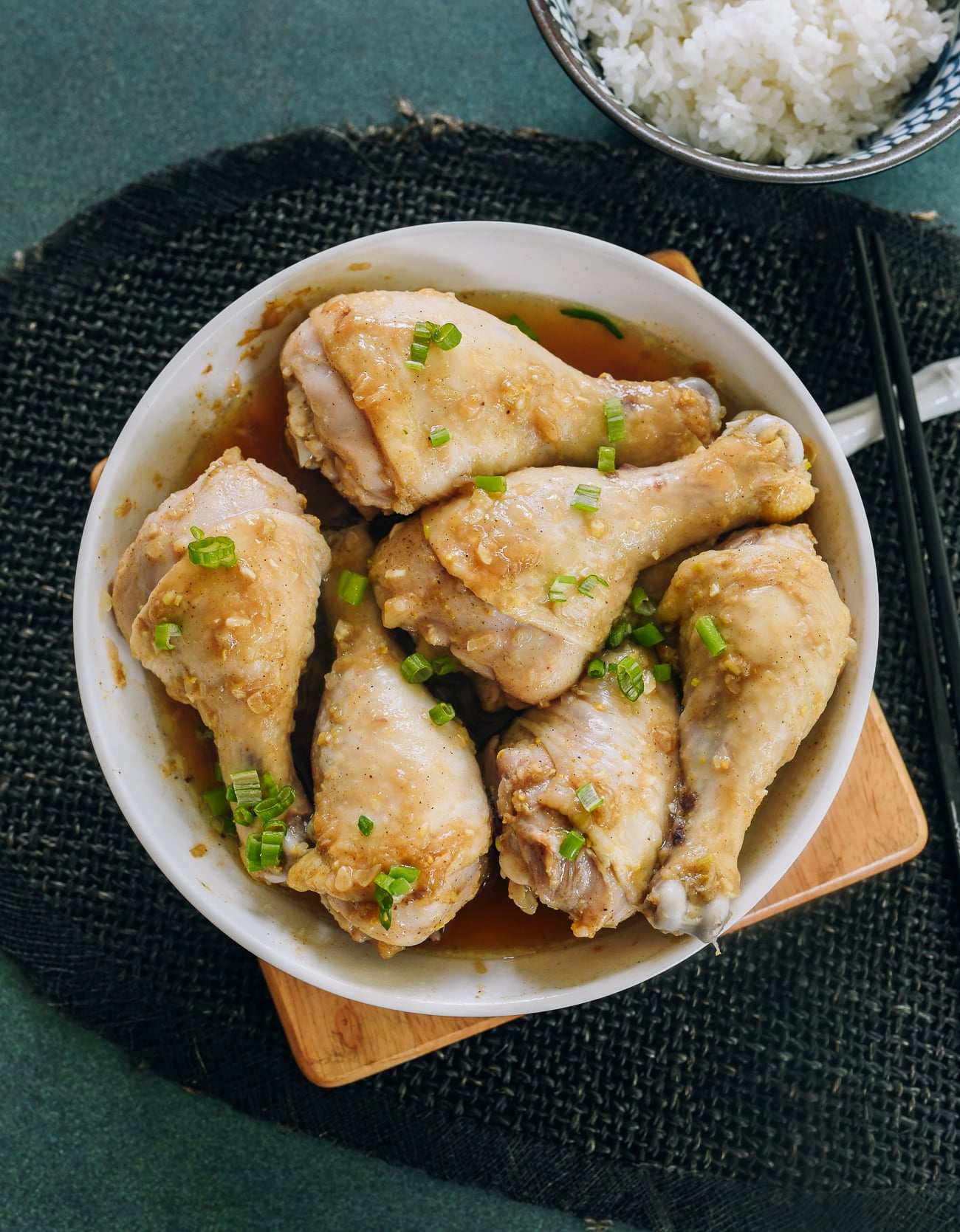
From a nutritional and financial standpoint, bone-in chicken drumsticks present a compelling option for households seeking balanced meals without excessive expenditure. According to standard nutritional estimates, a typical serving of steamed chicken legs provides approximately 337 calories, paired with a substantial 36 grams of protein and moderate fat content, making it an efficient source of macronutrients.
The economic advantage is equally significant. While premium cuts such as skinless, boneless chicken breasts command higher market prices due to consumer demand for lean meats, and chicken thighs have seen marked price increases following years of rising popularity, drumsticks remain an affordable commodity. Culinary experts emphasize that the bone-in nature of the drumstick not only preserves moisture and enhances flavor during the cooking process but also contributes to the overall affordability of the cut.
Step-by-Step Preparation and Steaming Methodology
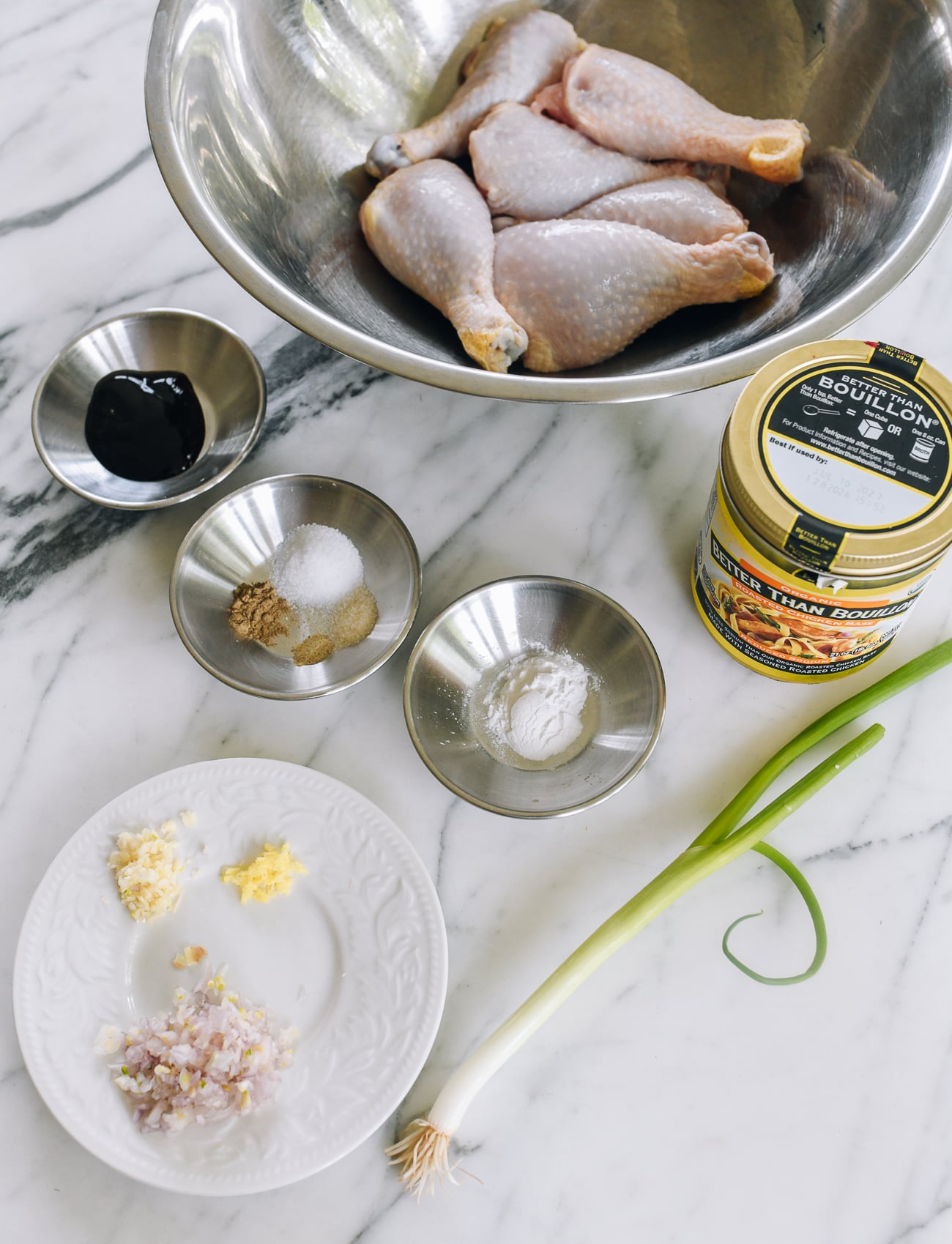
Achieving optimal results in steamed poultry relies heavily on precise preparation and temperature management. Culinary professionals outline a systematic approach to ensure food safety, even cooking, and maximum flavor absorption.
-
Marinade Formulation: The foundation of the dish is built within a shallow, heat-proof glass or ceramic pie plate. Finely chopped shallots, oyster sauce, minced garlic, salt, cornstarch, chicken bouillon, sand ginger powder, sugar, grated fresh ginger, and white pepper are combined to form a thick, cohesive paste.
-
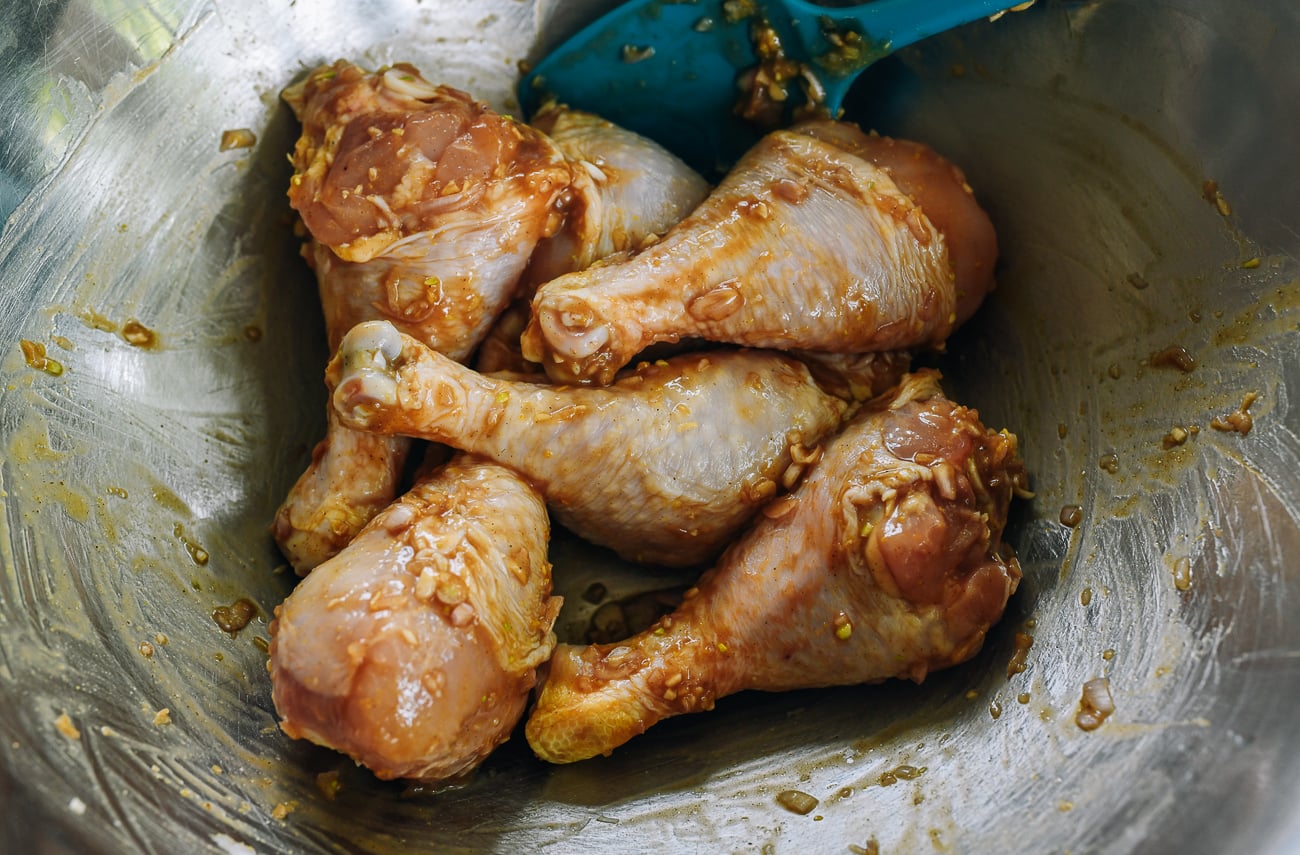
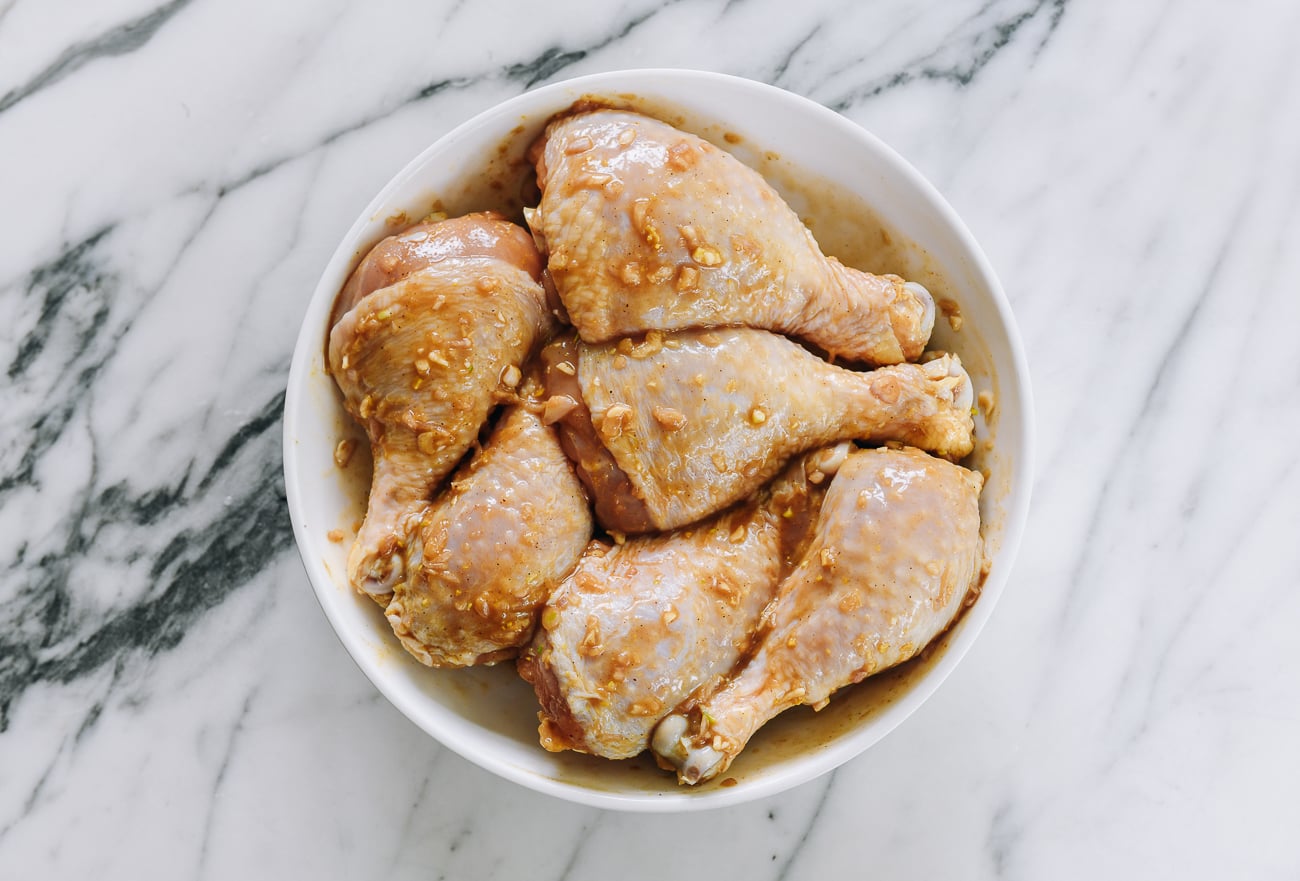
Curing and Refrigeration: The chicken legs are thoroughly coated in the marinade, arranged flat to ensure maximum surface contact, and covered. Standard protocol dictates a minimum marination period of two hours, though refrigeration overnight allows the aromatics to deeply penetrate the meat.
-
Tempering Before Cooking: A critical technical step in poultry steaming is the removal of the protein from refrigeration one to two hours prior to cooking. Introducing cold meat directly into a high-heat steamer often results in uneven temperature distribution, leaving the meat near the bone undercooked.
-
The Steaming Process: The marinated chicken is placed inside a preheated steamer over boiling water. Cooking typically requires 20 to 25 minutes over medium-high heat, depending on the mass of the drumsticks. Culinary safety guidelines advise verifying doneness using a digital meat thermometer, ensuring an internal temperature of 160°F to 165°F (71°C to 74°C) alongside clear juices.
Broader Culinary Adaptability and Serving Suggestions
While chicken drumsticks serve as the traditional and most cost-effective foundation for this recipe, the technique is adaptable to alternative cuts of poultry. Home cooks frequently substitute bone-in thighs or wings with minimal adjustment to steaming durations. For boneless cuts or white meat variants, culinary protocols recommend reducing cooking times or fragmenting the meat into smaller, uniform pieces—similar to traditional steamed chicken preparations incorporating mushrooms and dried lily flowers—followed by a brief resting period off the heat.
Traditionally served alongside freshly steamed white rice and a side of stir-fried leafy green vegetables, the dish yields a savory pan-juice byproduct. This concentrated liquid, composed of rendered chicken fats and aromatic marinades, is frequently spooned over rice, maximizing flavor utilization and reinforcing the dish’s status as a resourceful, economical, and deeply satisfying weeknight meal.