The Nutritional Power of Table Olives: Why This Mediterranean Staple Deserves a Place in Your Daily Diet


For generations, the global conversation surrounding the health benefits of the Mediterranean diet has focused primarily on extra virgin olive oil. However, nutrition scientists and traditional producers alike are increasingly turning their attention to the whole fruit: the humble table olive. Cultivated for more than 6,000 years, olive trees have long served as an agricultural and nutritional cornerstone in Mediterranean countries. Recent clinical research now validates what ancient populations understood through intuition and tradition—that whole olives are a powerhouse of bioactive compounds, healthy fats, and micronutrients capable of supporting long-term human health.
Main Facts: Nutritional Profile and Botanical Classification
Although commonly treated as a culinary condiment or a savory snack, olives are biologically classified as stone fruits, or drupes, placing them in the same botanical family as peaches, cherries, and plums. Because they are fruits, they naturally harbor a dense concentration of antioxidants and phytochemicals.
A standard serving of approximately 10 olives (roughly 40 grams) yields between 50 and 75 calories. The macronutrient breakdown is dominated by monounsaturated fatty acids—specifically oleic acid—while remaining notably low in carbohydrates and containing modest amounts of plant-based protein. Furthermore, a single serving supplies dietary fiber, vitamin E, and trace minerals including calcium, iron, and magnesium.
Beyond basic macronutrients, olives are exceptionally rich in polyphenols—microscopic plant compounds that exert powerful biological effects on the human body. Researchers have identified more than 30 distinct phytochemicals in olives, with specific compounds driving their primary health attributes:
- Oleuropein: Responsible for the intense bitterness of a raw, freshly picked olive, this compound exhibits potent anti-inflammatory and antioxidant activities.
- Oleocanthal: Known for its unique throat-tasting sting, oleocanthal shares pharmacological properties with non-steroidal anti-inflammatory drugs (NSAIDs) like ibuprofen, helping to suppress systemic inflammation.
- Hydroxytyrosol: Widely considered one of the most potent dietary antioxidants discovered to date, it plays a critical role in shielding cells from oxidative stress and age-related cellular deterioration.
Chronology and Historical Context
The domestication of the olive tree (Olea europaea) dates back approximately 6,000 years to the Eastern Mediterranean basin, spanning regions of modern-day Greece, the Levant, and parts of Mesopotamia. Archaeological evidence reveals that olive cultivation was central to the rise of early Mediterranean civilizations, including the Minoans of Crete and the ancient Greeks, who utilized both the oil and the cured fruit for nutrition, trade, and medicine.
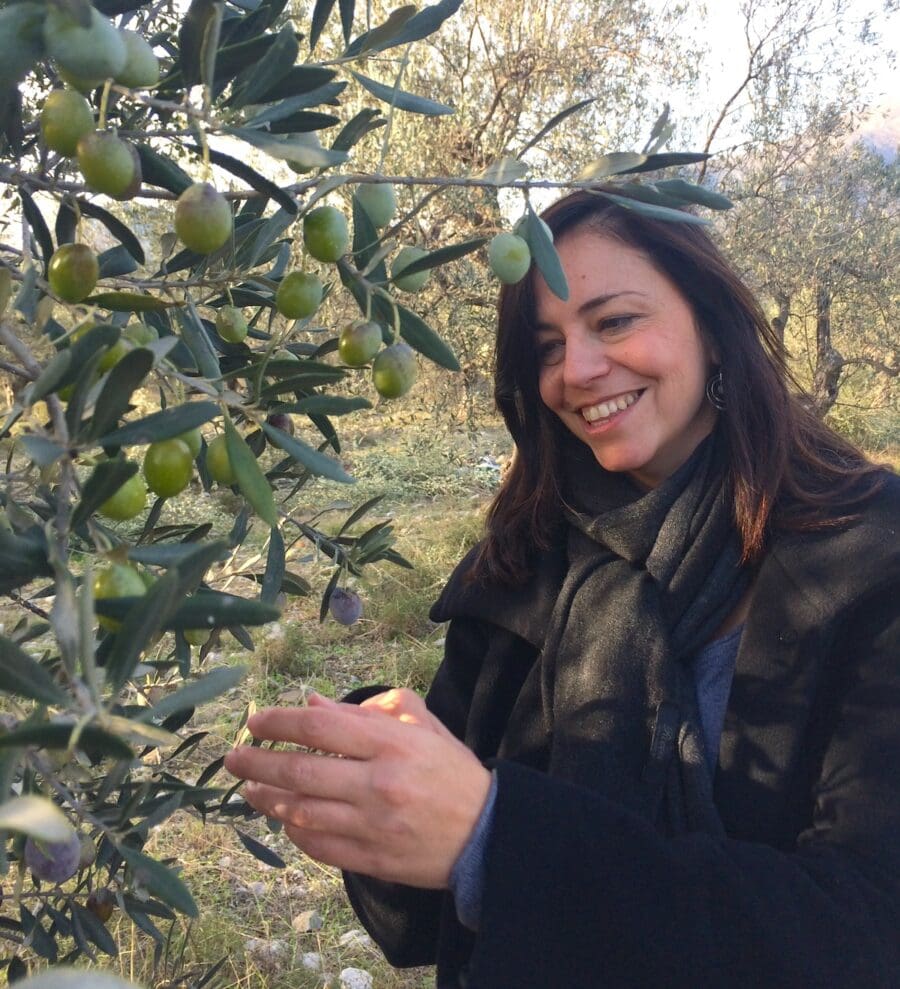
Historically, the transition from harvest to consumption required the development of curing techniques. Freshly harvested olives contain high concentrations of oleuropein, rendering them intensely bitter and virtually inedible straight from the branch. Over millennia, ancient agriculturalists developed various brining, water-maceration, and dry-salting methods to debitter the fruit while preserving its structural integrity and nutritional value.
In modern times, industrialization introduced accelerated processing methods. While traditional techniques relied on months of slow, natural fermentation, twentieth-century commercial food production developed chemical interventions to reduce production timelines, fundamentally altering the biochemical composition of the final product.
Processing Methods: Why Curing Techniques Matter
The nutritional value of a table olive is dictated less by its agricultural variety and more by the industrial or traditional processing methods used to cure it. Nutrition experts emphasize that consumers must look beyond front-of-package marketing to understand how their food has been handled.
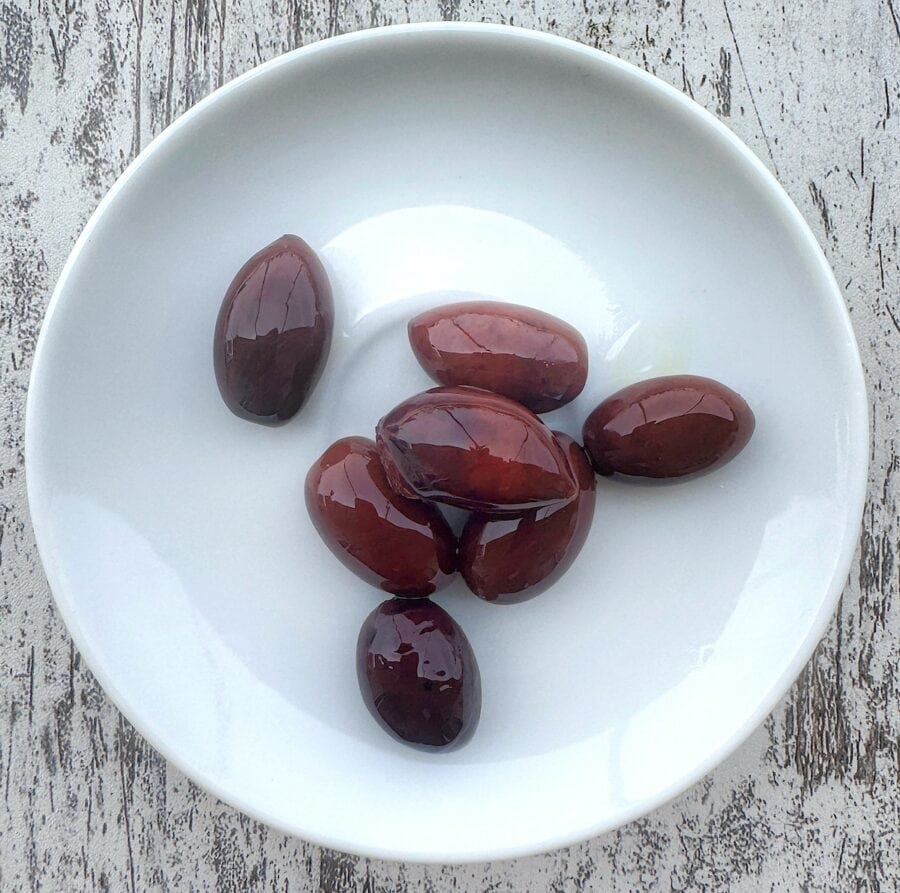
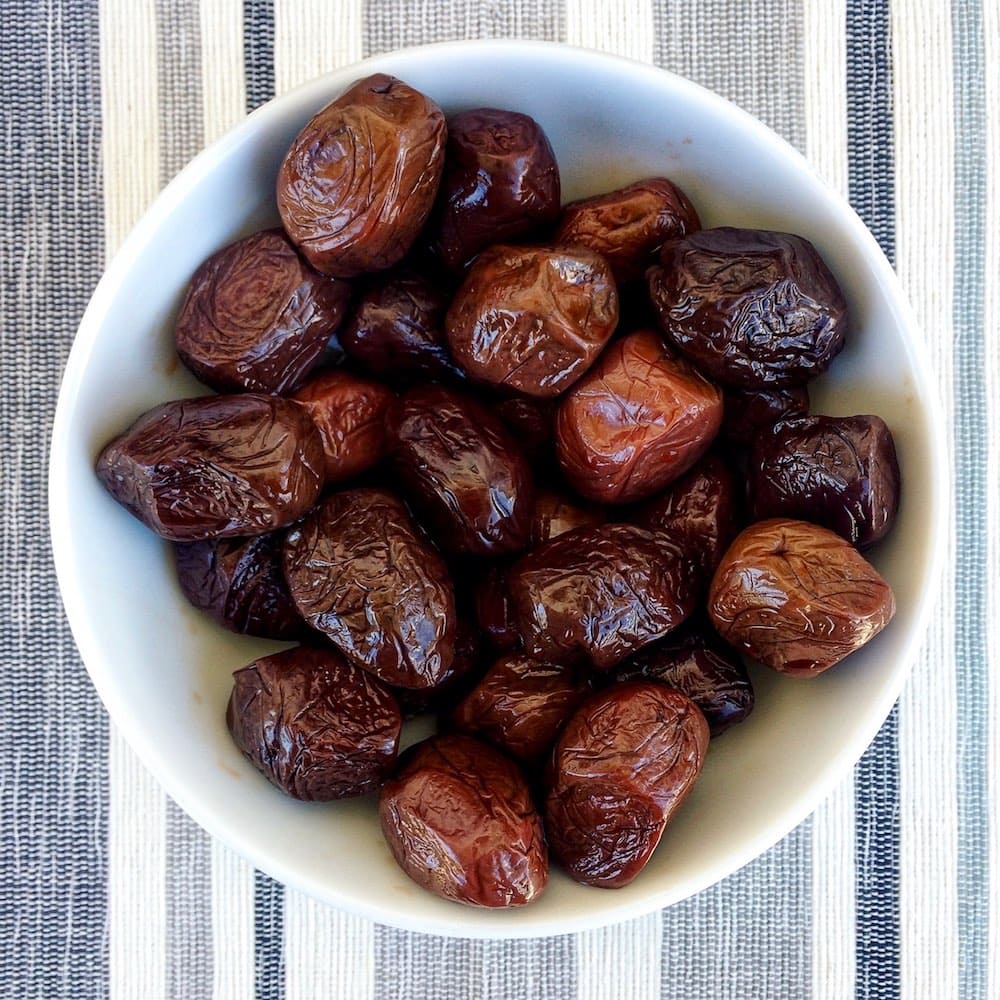
Traditional Greek-style and Mediterranean-style processing relies on natural fermentation in a saltwater brine. This slow, anaerobic process allows naturally occurring lactic acid bacteria to develop, creating a probiotic-rich food source while preserving heat-sensitive polyphenols at maximum concentrations.
Conversely, industrial methods—frequently utilized for Spanish-style and California-style table olives—often bypass natural fermentation to reduce overhead costs. These methods typically involve treating green olives with a sodium hydroxide (lye) solution to rapidly break down oleuropein. In extreme cases, such as the production of standard canned California-style black olives, the fruit undergoes lye treatment, followed by artificial darkening via oxygen bubbling (oxidation), and high-temperature thermal sterilization.
The structural and nutritional implications of these diverging methods are substantial. While lye-treated and heat-sterilized olives offer a uniform texture and a mild flavor profile, the chemical and thermal processing strips away a significant percentage of the fruit’s native polyphenols, eliminates any potential probiotic activity, and diminishes overall antioxidant capacity.
Supporting Data and Clinical Implications
A growing body of peer-reviewed literature highlights the systemic health implications of regular table olive consumption. Clinical and epidemiological studies point to several key physiological benefits:
-
Cardiovascular Protection: The high concentration of monounsaturated fatty acids aids in optimizing lipid profiles by helping to reduce low-density lipoprotein (LDL) cholesterol while maintaining or increasing high-density lipoprotein (HDL) cholesterol. Concurrently, olive polyphenols protect vascular endothelium, reduce arterial stiffness, and assist in regulating blood pressure.
-
Mitigation of Chronic Inflammation: Chronic, low-grade systemic inflammation is recognized as a primary driver behind numerous non-communicable diseases, including type 2 diabetes, cardiovascular disorders, and neurodegenerative conditions. The synergistic action of oleocanthal and hydroxytyrosol helps downregulate inflammatory signaling pathways throughout the body.
-
Metabolic and Blood Sugar Regulation: Bioactive constituents within naturally cured olives enhance cellular sensitivity to insulin, supporting glycemic control and potentially lowering the long-term risk of developing metabolic syndrome and type 2 diabetes.
-
Cognitive Longevity and Brain Health: Antioxidant compounds crossing the blood-brain barrier protect neural tissue from oxidative damage. Epidemiological tracking of populations adhering to Mediterranean dietary patterns suggests a correlation between regular intake of olive-derived polyphenols and a reduced incidence of cognitive decline and Alzheimer’s disease.
-
Gastrointestinal Support: Naturally fermented, brine-cured olives serve as a vehicle for beneficial probiotic bacteria. When consumed alongside their natural dietary fiber content, these fermented fruits foster a diverse and resilient gut microbiome, supporting overall digestive efficiency and immune function.
Broader Impact and Industry Trends
As public health messaging continues to shift away from low-fat diets toward nutrient-dense, whole-food patterns, consumer demand for authentic, minimally processed Mediterranean foods has risen steadily. Nutritional epidemiologists note that incorporating traditional foods—such as naturally fermented olives—into modern Western diets offers a practical, accessible bridge toward improved metabolic health markers on a population level.
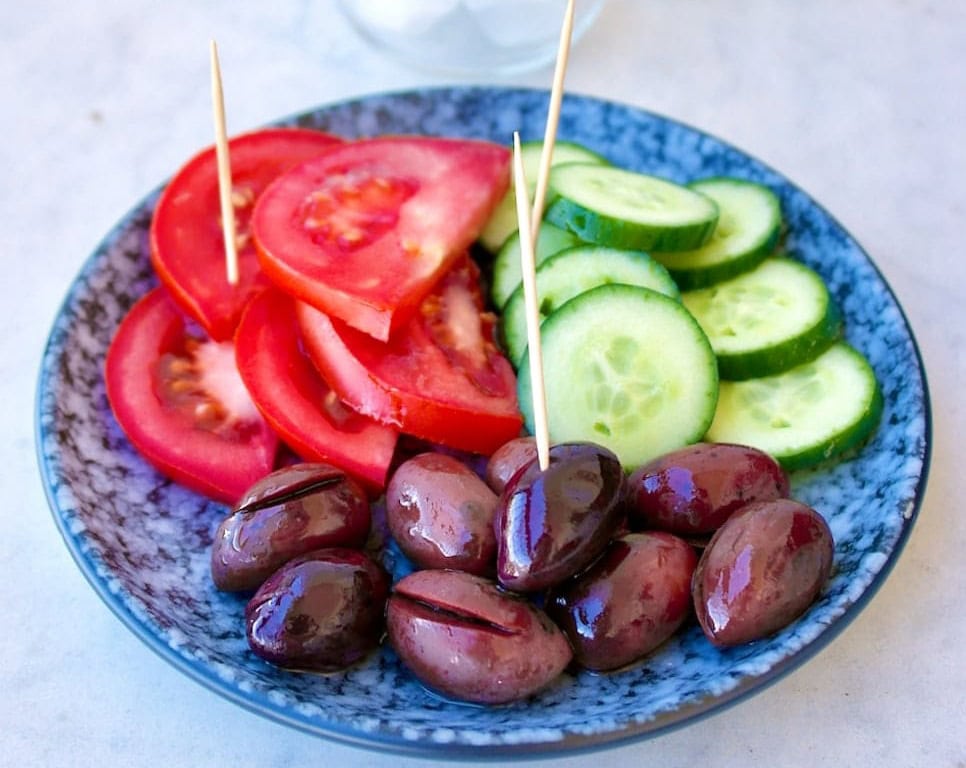
Dietitians and food system researchers advocate for greater transparency in food labeling, noting that current regulatory standards rarely require manufacturers to disclose whether table olives have undergone lye treatment or high-heat pasteurization. Consumer advocacy groups suggest that shoppers seeking maximum nutritional return should prioritize traditional varieties—such as Kalamata, Throuba, Castelvetrano, or Niçoise—typically found in deli sections rather than standard canned grocery aisles.
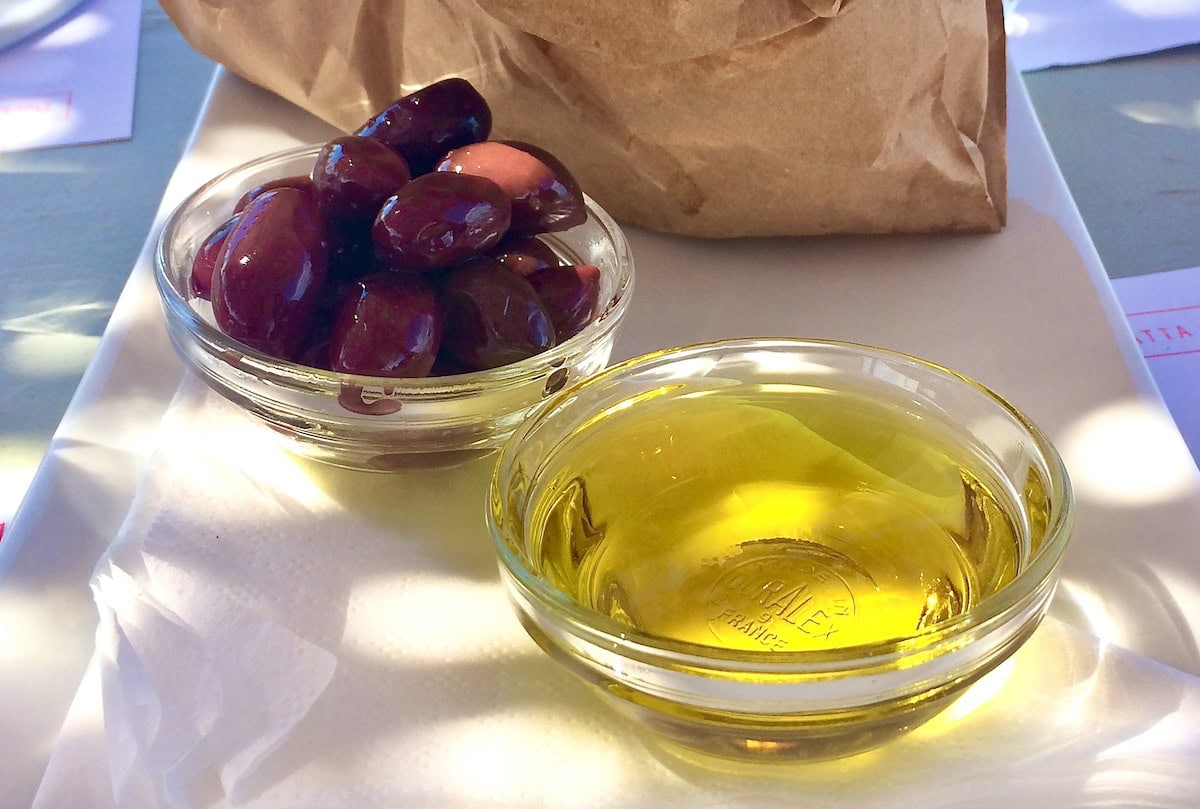
Ultimately, integrating a modest daily portion of approximately 10 high-quality, brine-cured olives into one’s regular dietary routine provides a scientifically backed mechanism to harness the enduring health benefits of the Mediterranean agricultural tradition.