Origins and Historical Context
The dish, often referred to as "shoemaker’s chicken" due to the translation of the word "scarpariello," traces its roots to the early 20th-century Italian-American experience. While the exact origins of the recipe are often debated, food historians generally categorize it as an example of "cucina povera"—the cooking of the poor—which emphasizes the use of accessible, seasonal, and inexpensive ingredients to create a nutrient-dense, flavorful meal.
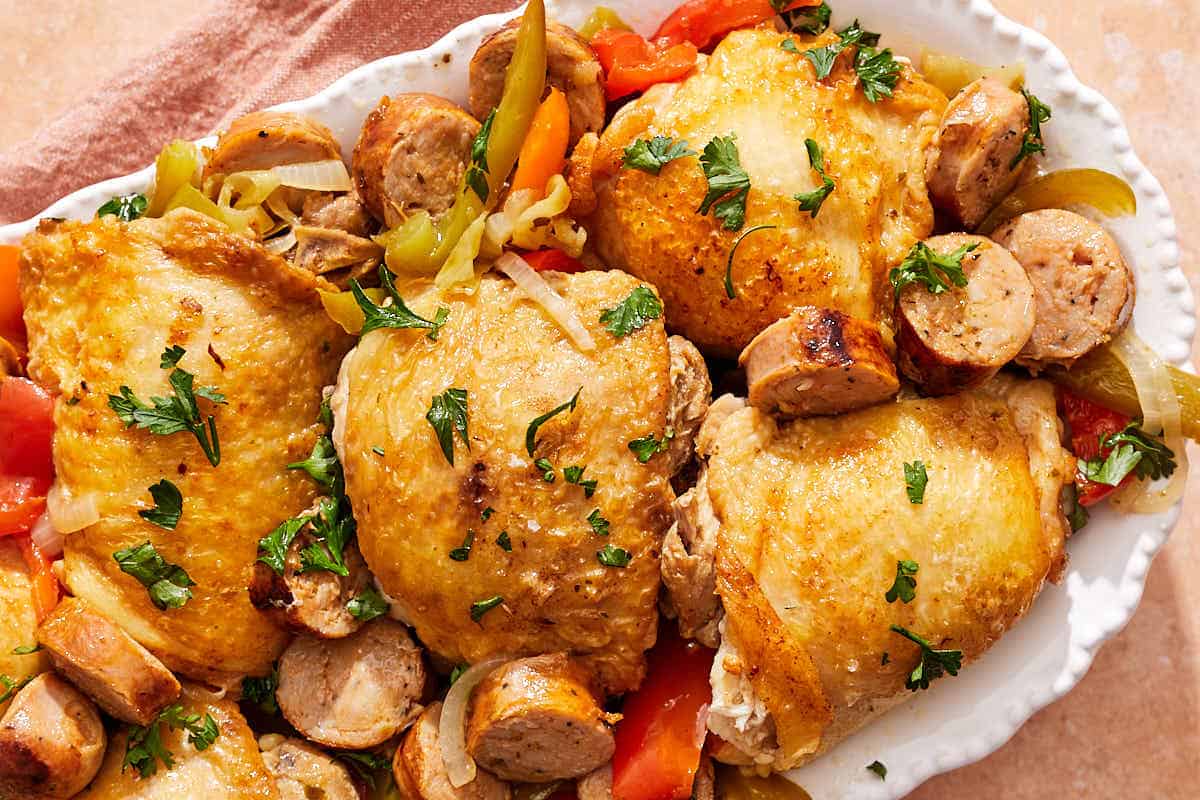
In the mid-20th century, the dish gained traction in the bustling Italian restaurants of Brooklyn, Manhattan, and Newark. During this era, the influx of Italian immigrants necessitated a reliance on preserved pantry staples, such as pickled cherry peppers and vinegar-brined vegetables, to provide acidity and depth to meat-based dishes. This necessity transformed into a signature flavor profile that distinguishes authentic Chicken Scarpariello from other Mediterranean braises. Unlike dishes that rely on heavy tomato bases, the Scarpariello method utilizes a reduction of wine, vinegar, and pan drippings, creating a sauce that is both sharp and unctuous.
The Anatomy of a Regional Classic
While the dish has seen numerous adaptations, its foundational components remain consistent. The traditional preparation relies on bone-in, skin-on chicken pieces to ensure that the connective tissues break down during the braising process, resulting in a succulent texture. The inclusion of sausage—traditionally a spicy pork link—provides a fatty base that renders out, acting as the primary cooking medium for the aromatics.

In contemporary culinary practice, particularly in response to modern health trends, many chefs have begun substituting traditional pork sausage with leaner poultry alternatives. Culinary experts note that this shift does not significantly alter the structural integrity of the dish, provided the seasoning profiles of the chicken sausage—typically heavy on fennel, garlic, and red pepper flakes—remain intact. The integration of peppers is perhaps the most crucial variable. Authentic versions necessitate the use of pickled peppers; the acetic acid present in the brine is essential to counteract the high fat content of the sausage and the rich proteins of the chicken.
Culinary Methodology and Technical Execution
The preparation of Chicken Scarpariello is categorized as a "one-pot braise," a technique that requires precision in heat management. The process typically follows a five-stage chronology:

- Preparation and Marination: The chicken is subjected to a brief marinade, often involving a portion of the pepper brine. This step serves a dual purpose: it acts as a mild tenderizer for the muscle fibers and introduces the characteristic acidity to the core of the protein.
- Rendering: The sausage is seared first to render the fat, which is then used to brown the chicken. This creates the "fond," or the browned bits of protein that form the base of the sauce.
- Aromatic Development: Onions, garlic, and fresh peppers are sautéed in the residual fat. The caramelization of these vegetables provides the sweetness required to balance the sharp notes of the vinegar.
- Deglazing and Braising: A liquid, typically dry white wine or high-quality stock, is introduced to deglaze the skillet. The components are then combined and simmered until the chicken reaches the optimal internal temperature of 165°F (74°C).
- Reduction: The final phase involves reducing the braising liquid to a glaze-like consistency, ensuring the peppers are soft and the sauce has attained a glossy, emulsified texture.
Nutritional Profile and Dietary Implications
An analysis of a standard 8-serving portion of Chicken Scarpariello reveals a complex nutritional landscape. On average, a single serving contains approximately 483.7 kilocalories, with a significant portion derived from the lipids in the sausage and the skin of the chicken. The protein content, hovering around 34 grams per serving, classifies the dish as a high-protein meal.
However, the sodium content remains a notable factor for health-conscious consumers. Because the recipe relies heavily on brined, preserved ingredients—such as pickled peppers and cured sausages—sodium levels can reach upwards of 2,000 milligrams per serving. Nutritionists often advise that while the dish is an excellent source of vitamin C (derived from the peppers) and high-quality protein, it should be consumed as part of a balanced diet that accounts for the high salt intake inherent in the traditional preparation method.

Broader Impact and Cultural Preservation
The resurgence of interest in regional Italian-American dishes like Chicken Scarpariello reflects a broader cultural trend: the preservation of localized culinary identities in an era of globalized, homogenized food systems. Food critics argue that the dish serves as a "gastronomic bridge" between the ancestral recipes brought over by 19th-century migrants and the contemporary American palate.
Furthermore, the "do-ahead" quality of the braise makes it a highly efficient option for professional kitchens and home entertainers. Culinary research indicates that the flavor compounds in the sauce—specifically the interaction between the acetic acid in the brine and the rendered fats—undergo a process of diffusion when refrigerated overnight. This "resting period" allows the disparate flavors to achieve a more cohesive profile, a phenomenon that has elevated the status of the dish from a weeknight staple to a sophisticated offering for dinner parties.

Future Trends in Preparation
Looking ahead, culinary innovators are experimenting with various refinements to the traditional Scarpariello recipe. There is a growing movement to utilize artisanal, small-batch vinegars and organic, heritage-breed poultry, which significantly impacts the depth of the finished sauce. The shift toward incorporating a wider variety of peppers—such as roasted piquillo or fermented chili pastes—demonstrates a willingness to maintain the spirit of the dish while allowing for regional ingredient availability.
As the industry moves toward more sustainable practices, the reliance on high-quality, locally sourced aromatics and responsibly raised meats is expected to become the new standard for this dish. Despite these modern updates, the fundamental essence of the meal—a celebration of simple, bold, and acidic flavors—remains firmly rooted in the history of the Northeast’s Italian-American communities.

In conclusion, Chicken Scarpariello stands as a testament to the longevity of regional American cooking. Whether prepared in a professional restaurant setting or a home kitchen, the dish offers a unique intersection of history, technique, and flavor that continues to resonate with those seeking a meal that is both comforting and deeply complex. By understanding the chemical balance of the brine and the precise timing of the braise, home cooks can ensure that this classic remains a vibrant part of the American culinary repertoire for generations to come.