FACE Amusement Brings Teddy Bears to Central Park for the Annual New York City Buddy Walk

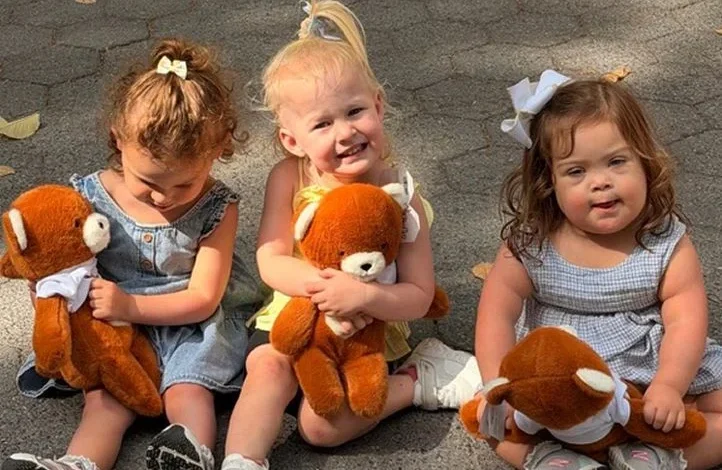
The 31st Annual New York City Buddy Walk, hosted by the National Down Syndrome Society (NDSS), transformed the iconic landscape of Times Square and Central Park into a vibrant hub of advocacy, community, and celebration. Among the primary contributors to this year’s festivities was the FACE Amusement Group, which solidified its ongoing partnership with the NDSS by distributing teddy bears to over 2,500 participants. This gesture was more than a simple handout; it served as a tactile representation of the “Bear Hugs” initiative, a philanthropic program that integrates corporate hospitality with community support.
The Significance of the Buddy Walk
The Buddy Walk is recognized globally as the most widely attended public awareness event for the Down syndrome community. Since its inception in 1995, the event has evolved from a small advocacy gathering into a nationwide movement that takes place in hundreds of cities. The New York City iteration remains the flagship event, drawing thousands of participants, including families, advocates, medical professionals, and corporate sponsors.
The primary objectives of the event are threefold: to raise funds for local and national programming, to advocate for policy changes that benefit individuals with disabilities, and to shift public perceptions regarding the capabilities and contributions of people with Down syndrome. By bringing these stakeholders together in the heart of New York City, the NDSS emphasizes the visibility of the community in public life, ensuring that the needs and rights of those with Down syndrome remain at the forefront of national discourse.
A Chronology of the 31st Annual Event
The day began in the bustling epicenter of Times Square, where thousands gathered for the formal ceremonies. The atmosphere was one of celebration, featuring music, speeches from advocates, and a palpable sense of unity. As the crowd transitioned toward Central Park for the main walking route, the scale of the turnout became clear, with more than 2,500 registered participants marching to support inclusive education, employment opportunities, and improved healthcare access for individuals with Down syndrome.
Throughout the afternoon, volunteers and staff from FACE Amusement Group distributed plush teddy bears to the attendees. This distribution was timed to align with the conclusion of the march, offering a moment of joy for families who had spent the day advocating for their loved ones. The presence of the bears served as a bridge between the commercial success of the amusement industry and the mission-driven work of the non-profit sector.
The Evolution of the Bear Hugs Program
The collaboration between FACE Amusement Group and the NDSS is anchored in the “Bear Hugs” program, an initiative that has become a cornerstone of the company’s corporate social responsibility portfolio. The mechanism of the program is straightforward yet effective: for every stuffed animal won by a guest at a participating FACE Amusement location—which includes popular destinations like Guy Fieri’s Downtown Flavortown—the company pledges to donate an identical toy to a charitable organization on behalf of the winner.
Since the inception of this model, FACE Amusement has successfully donated more than 20,000 teddy bears. These donations are not limited to the NDSS; the company frequently works with local first responders, hospitals, and child advocacy groups. By embedding philanthropy into the guest experience, the company ensures that every “win” at an arcade or attraction has a tangible ripple effect in the community.
Official Statements and Organizational Synergy
Bucky Mabe, CEO of FACE Amusement Group, highlighted the intentionality behind the partnership during the event. “We’re proud to once again stand alongside NDSS and the incredible Down syndrome community,” Mabe stated. “Bear Hugs is about something very simple—bringing joy to people and letting them know they are valued. Seeing thousands of participants come together for the Buddy Walk and being able to put a bear in their hands makes this one of the most meaningful days of the year for our team.”
From the perspective of the NDSS, such corporate partnerships are essential for sustainability. By aligning with organizations that share a focus on “family fun” and community-oriented experiences, the NDSS is able to reach a broader demographic. This synergy allows the society to leverage the resources of the private sector to amplify their message, ensuring that the advocacy work conducted during the Buddy Walk is supported by consistent, year-round contributions.
The Impact of Corporate-Nonprofit Alliances
The broader implications of this partnership reflect a growing trend in the entertainment industry, where companies are increasingly measured not just by their revenue, but by their social footprint. For an entertainment group that operates venues ranging from 7D Dark Ride Adventures to specialized arcades, the challenge is to maintain a positive, inclusive environment that welcomes all guests, regardless of ability.
Data regarding the integration of individuals with disabilities into the workforce and community life suggests that awareness campaigns like the Buddy Walk have a measurable impact. Studies indicate that increased social interaction between neurotypical individuals and those with Down syndrome leads to higher levels of empathy and a reduction in societal stigma. By hosting events in high-visibility locations like Times Square, the NDSS ensures that the general public is confronted with the reality of the community, turning passive observers into active supporters.

Organizational Background: FACE Amusement Group
Based in the United States, FACE Amusement Group has built a diverse portfolio of entertainment and hospitality experiences. Their operations include a variety of themed arcades and attractions, such as Arcade City, Big Top Arcade, and the Mountain of Youth Ropes Course. Their hospitality arm, which features high-profile partnerships with culinary brands like those associated with Guy Fieri, has allowed them to scale their operations across the country.
A significant indicator of the company’s internal culture is their three-year streak of receiving the “Great Place to Work” certification. This recognition, which is based on anonymous employee feedback, suggests that the values of Faith, Attitude, Consistency, and Excellence (FACE)—the acronym from which the company takes its name—are not merely marketing jargon but are embedded in the day-to-day operations of their staff. This culture of excellence is reflected in their customer-facing interactions, including their commitment to charitable giving.
The Future of the Buddy Walk and Advocacy
As the 31st annual event concludes, the focus shifts to the long-term sustainability of these advocacy efforts. The funds raised during the Buddy Walk are earmarked for critical resources, including legislative advocacy in Washington D.C., the development of educational materials for teachers and medical professionals, and the support of local chapters that provide direct services to families.
The partnership with companies like FACE Amusement Group serves as a model for how the private sector can engage with social justice movements. By providing tangible goods like the “Bear Hugs” toys, the company helps create a welcoming atmosphere that encourages continued participation. Looking ahead, the NDSS aims to expand the reach of the Buddy Walk, leveraging technology and digital advocacy to reach regions where in-person events may not be feasible.
Conclusion
The 31st Annual New York City Buddy Walk stands as a testament to the power of collective action. When corporate entities, non-profit organizations, and thousands of private citizens align their resources and energy, the result is a profound shift in public perception. The contribution of FACE Amusement Group—both through the physical donation of bears and the broader commitment to the mission of the NDSS—underscores the importance of corporate citizenship in modern society. As the community moves forward, these partnerships will remain vital in ensuring that individuals with Down syndrome have the resources, advocacy, and social support necessary to thrive in every aspect of life.