The Revival of British Leather: Can Luxury Fashion Rebuild a Lost Supply Chain?

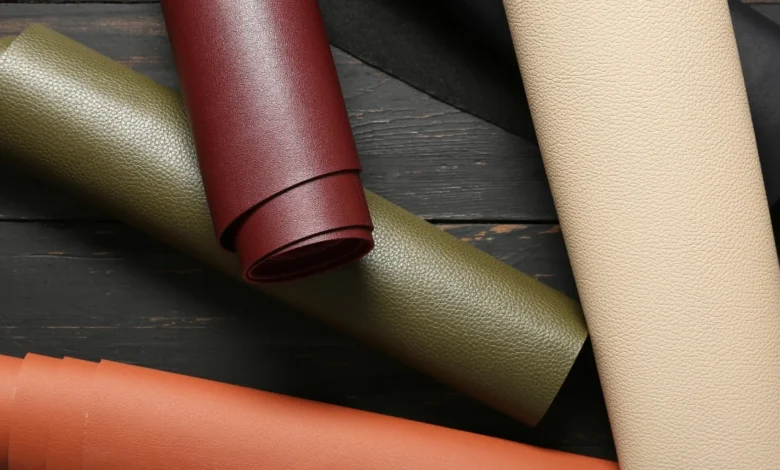
For decades, the British leather industry existed as a shadow of its former self, hollowed out by the inexorable tide of globalization, synthetic alternatives, and the relocation of manufacturing to low-cost economies. Once a cornerstone of the national economy, the tannery trade saw its demand evaporate as plastic-based materials became the standard for everything from automotive interiors to high-street footwear. However, in 2026, a confluence of environmental scrutiny and a renewed interest in artisanal provenance has sparked an unlikely resurgence. Luxury powerhouses, most notably Mulberry, are now looking to domestic supply chains to solve a modern dilemma: how to reconcile the demand for premium leather with the urgent need for radical transparency and sustainability.
The Anatomy of Decline: How a National Industry Vanished
The erosion of the UK leather sector was not an overnight occurrence but a slow, structural shift. During the latter half of the 20th century, the rise of mass-produced, chromium-tanned leather from overseas meant that British tanneries—many of which relied on traditional, labor-intensive methods—could no longer compete on price. As tanneries shuttered, the supporting infrastructure collapsed.
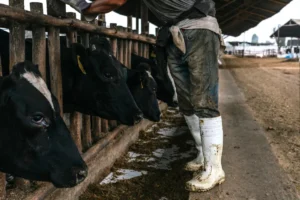
The repercussions extended far beyond the workshops. Leather is a byproduct of the food industry; when the tanneries disappeared, the hides produced by British livestock farmers became a liability rather than an asset. Today, an estimated hundreds of thousands of bovine hides are discarded annually in the UK, relegated to waste streams such as biodigesters or landfill. This disposal represents a significant failure in resource efficiency, yet it is merely the tip of the iceberg. The decline of the tannery sector contributed directly to the shuttering of local abattoirs. Without a market for the "fifth quarter"—the hide, skin, and offal—the economic viability of small-scale, local abattoirs became increasingly tenuous. This loss has had a cascading effect on food security, animal welfare, and the ability to maintain a traceable, local meat supply chain.
Chronology of a Sector in Flux
- 1980s–2000s: The peak of synthetic material dominance. UK tannery numbers plummet as production shifts to Asia and South America.
- 2010–2020: Growing public awareness regarding the environmental impact of "fast fashion" and the plastic pollution caused by synthetic leather alternatives.
- 2022: Initial pilot programs begin exploring the feasibility of re-establishing a "farm-to-fashion" leather pipeline in the UK.
- 2024: British Pasture Leather (BPL) establishes a functional, traceable supply chain linking pasture-based farms, local abattoirs, and traditional vegetable-tanning facilities.
- 2026: Mulberry and other premium brands formalize partnerships with local networks, signaling a shift in sourcing strategy toward verified, high-welfare, domestic hide production.
The Sustainability Paradox: Leather vs. Synthetic Alternatives
The discourse surrounding leather has long been fraught with tension. Critics point to the chemical-intensive nature of industrial tanning, the carbon footprint of livestock, and the ethical implications of animal agriculture. A recent study published in ACS Sustainable Chemistry and Engineering underscores the gravity of these concerns, noting that the global average emissions for one kilogram of finished bovine leather are significantly higher than those of synthetic vegan alternatives.
However, the narrative is shifting as researchers and industry experts demand a more nuanced analysis. When one accounts for the "end-of-life" impact, the story changes. Synthetic "leathers" are predominantly petroleum-based plastics that do not biodegrade, often shedding microplastics into the environment throughout their short lifespan. In contrast, British Pasture Leather advocates argue that their model is fundamentally restorative. By utilizing hides that would otherwise be treated as waste, the industry can offset the environmental burden of cattle farming. When these hides are processed using traditional, vegetable-based tanning methods—using tannins derived from tree bark rather than hazardous chromium salts—the chemical footprint is drastically reduced.
The Role of Technology and Traceability
The revival of British leather is not an exercise in nostalgia; it is a high-tech endeavor centered on data. The implementation of the Global Farm Metric (GFM) has provided the necessary framework to validate these claims. The GFM allows for a granular assessment of how specific farming practices contribute to biodiversity, soil health, and animal welfare.
For luxury brands, this level of traceability is no longer a "nice-to-have" but a strategic necessity. As international regulations tighten around supply chain transparency—driven by the EU’s Deforestation Regulation (EUDR) and similar global initiatives—the ability to point to a specific farm, a specific pasture, and a specific animal is the ultimate luxury. By sourcing from farms that practice regenerative grazing—where cattle act as agents of landscape management—brands can market products that are not just "less bad" but actively beneficial to the ecosystem.
Case Studies: From Wiltshire to Somerset
The model currently being pioneered by British Pasture Leather and farmers like Andy Rumming in Wiltshire demonstrates that the infrastructure for a circular economy already exists, provided the supply chain is reconnected. At Great Cotmarsh Farm, the philosophy is one of integration: the leather produced is a secondary value-add to high-welfare, grass-fed beef production.
The tanning process at facilities like Thomas Ware and Sons in Bristol provides a stark contrast to the global industrial norm. By utilizing natural tannins, the process takes months rather than days, resulting in a durable, high-quality material that ages gracefully. This slow-production ethos aligns with the "buy less, buy better" movement that is currently gaining traction among conscious consumers. When a consumer purchases a bag or a pair of shoes made from this leather, they are not merely buying a product; they are participating in a system that supports local jobs, protects the rural landscape, and reduces the reliance on imported, low-quality materials.
Economic and Policy Implications
The broader implications of a thriving domestic leather industry are significant. Reinvigorating this sector could provide the economic stimulus necessary to protect the UK’s remaining local abattoirs. By creating a market for hides, the industry can help keep these facilities solvent, thereby ensuring that livestock do not have to travel long distances for slaughter, which is a major factor in both animal welfare and carbon emissions.
However, challenges remain. The price point of such leather is inevitably higher than its mass-market counterpart, reflecting the true cost of ethical labor and sustainable production. The industry must therefore rely on a sophisticated marketing narrative that successfully communicates the difference between industrial commodity leather and the craft-based, regenerative product.
Future Outlook
Is the resurgence of British leather an "impossible dream," or a viable blueprint for the future of fashion? The answer lies in the willingness of consumers to pay for provenance and the ability of the industry to scale its transparency metrics. If the partnership between BPL and brands like Mulberry can prove that high-end fashion can be a catalyst for landscape restoration and local job creation, it may set a new standard for global manufacturing.
The transition from a linear "take-make-waste" model to a circular system is the defining challenge of the 2026 fashion landscape. By re-evaluating the value of the humble cowhide, British agriculture and the luxury fashion sector have found an unlikely common ground. Whether this niche revival can expand into a wider movement remains to be seen, but the initial results suggest that when quality is prioritized over speed, and transparency is prioritized over cost, a more resilient and responsible industry is possible. The leather of the future may well be the leather of our past, reimagined for a world that can no longer afford to waste.