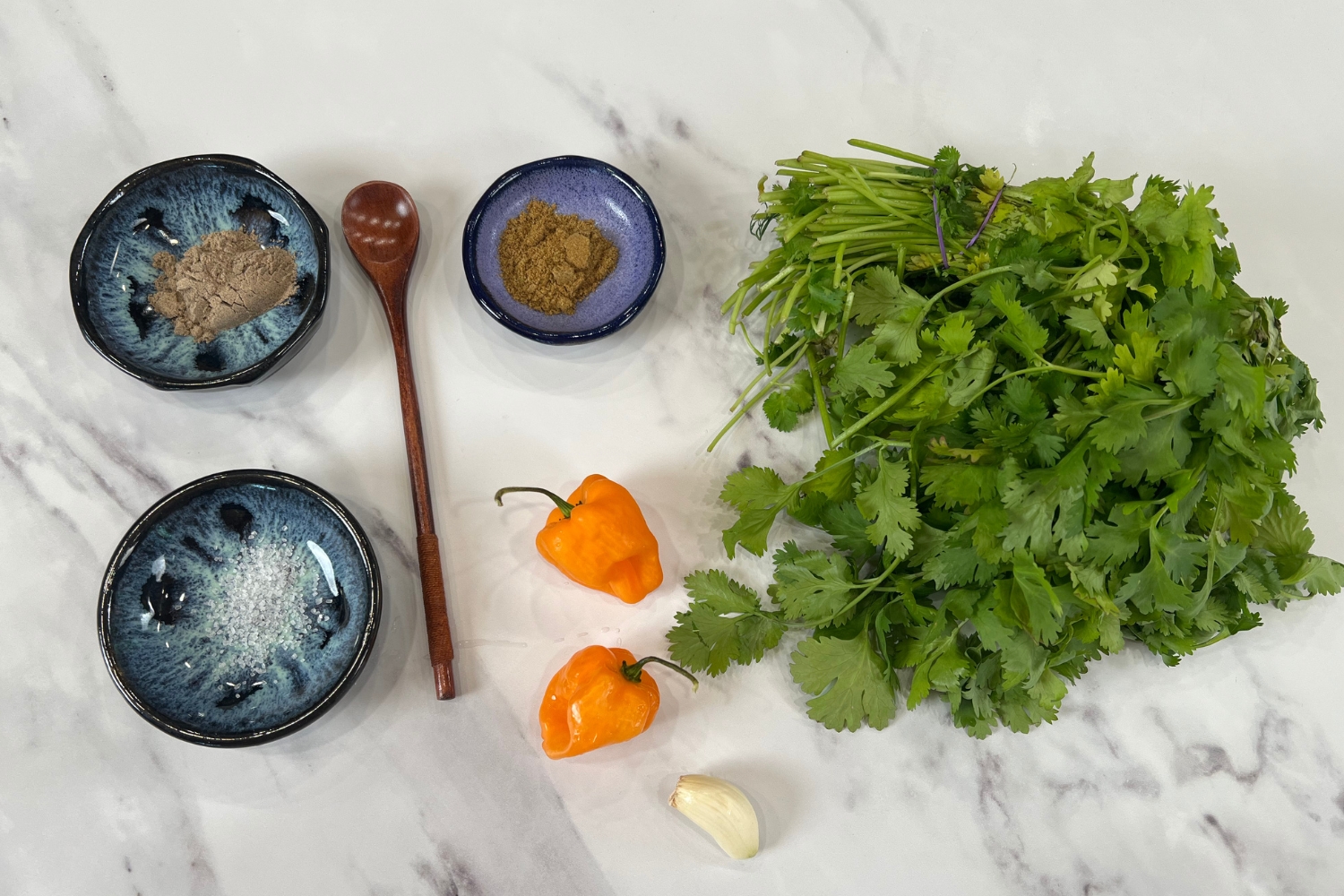
The global culinary landscape has seen a profound shift in consumer preferences toward vibrant, high-heat condiments that offer both complexity and nutritional value. Among these, skhug—frequently identified as zhug, zhoug, or schug—has emerged from its traditional Yemeni roots to become a fixture in Mediterranean diets across Israel, the Middle East, and increasingly, North America. Characterized by a potent blend of fresh cilantro, hot peppers, garlic, and earthy spices, this herbaceous sauce represents more than a mere condiment; it is a historical artifact of migration, cultural synthesis, and the globalization of flavor profiles.
Historical Origins and Cultural Integration
The etymological roots of skhug are deeply intertwined with the traditional mortar-and-pestle preparation technique that defines its texture and flavor profile. Originating in Yemen, the condiment was historically used as a staple in local cuisine to elevate simple grain and legume-based dishes. The migration of Yemeni Jews to Israel in the 20th century, particularly during the mid-century mass aliyah, facilitated the introduction of skhug into the broader Israeli culinary lexicon.
Over the past several decades, the sauce has transcended its regional origins. Today, it is recognized as a quintessential element of the modern Israeli table, served alongside falafel, hummus, and shakshuka. Its integration into the Western culinary market has been accelerated by the widespread adoption of the Mediterranean diet, which emphasizes plant-based ingredients and fresh, nutrient-dense flavor enhancers. Culinary historians note that skhug’s rise parallels the broader trend of "ingredient-first" cooking, where the quality of fresh herbs—specifically cilantro—dictates the final product’s success.
The Mechanics of Heat: Capsaicin and Culinary Science
At the chemical level, the intensity of skhug is governed by capsaicin, the active component of chili peppers that induces the sensation of heat. Unlike shelf-stable, vinegar-based hot sauces often found in American markets, authentic skhug relies on the freshness of the pepper to provide both heat and fruitiness. The Scoville Heat Unit (SHU) of a batch of skhug is entirely dependent on the pepper varietals selected, ranging from the relatively mild serrano to the significantly more potent bird’s eye or habanero chilies.
Nutritionally, skhug offers significant advantages over processed condiments. Because it consists primarily of fresh produce and spices, it is naturally low in calories and fat while being high in vitamins A and C. Research into the health benefits of hot peppers suggests that regular consumption of capsaicin may support metabolic health and cardiovascular function, though, as with all dietary recommendations, moderation is advised to account for individual tolerance.
Technological Evolution of Preparation
The production of skhug has transitioned through three distinct phases of technological development. Traditionally, the sauce was prepared using a mortar and pestle, a manual process that allowed the chef to control the specific texture—a crucial balance between a smooth paste and a coarse, herbaceous relish. In the mid-20th century, the meat grinder became a common household tool for the sauce’s preparation, a method still favored by many traditionalists for its ability to process fibrous ingredients without liquefying them.

The contemporary era has seen the widespread adoption of the high-speed food processor. While this shift has increased production efficiency, culinary experts warn of the risks associated with modern equipment. The high-speed blades can over-process the cilantro, turning the vibrant green mixture into an unappealing, oxidized liquid. Furthermore, the aerosolization of capsaicin during the blending process presents a significant, if often overlooked, workplace safety hazard for home and commercial cooks. Proper ventilation and the use of protective equipment when handling high-heat peppers are now standard recommendations in professional culinary training.
Case Study: The Yalla Experience and Regional Influence
The reception of skhug in the United States is exemplified by institutions such as Yalla, a Mediterranean-focused establishment in Brattleboro, Vermont. The restaurant’s approach to skhug highlights the intersection of family heritage and local demand. By utilizing traditional recipes passed down through generations, such establishments serve as cultural conduits, educating consumers on the nuance of regional variations. In these settings, skhug is frequently used as a primary flavor driver for grain bowls and roasted vegetables, demonstrating its versatility beyond traditional dips.
Industry analysts observe that the popularity of such establishments is driven by an "experience-based" dining model. The integration of unique cultural artifacts—such as the Star Trek paraphernalia and communal singing noted at Yalla—complements the authentic nature of the food, creating a cohesive brand identity that resonates with modern diners who prioritize transparency and storytelling in their culinary experiences.
The Global Dispersion of Hot Peppers
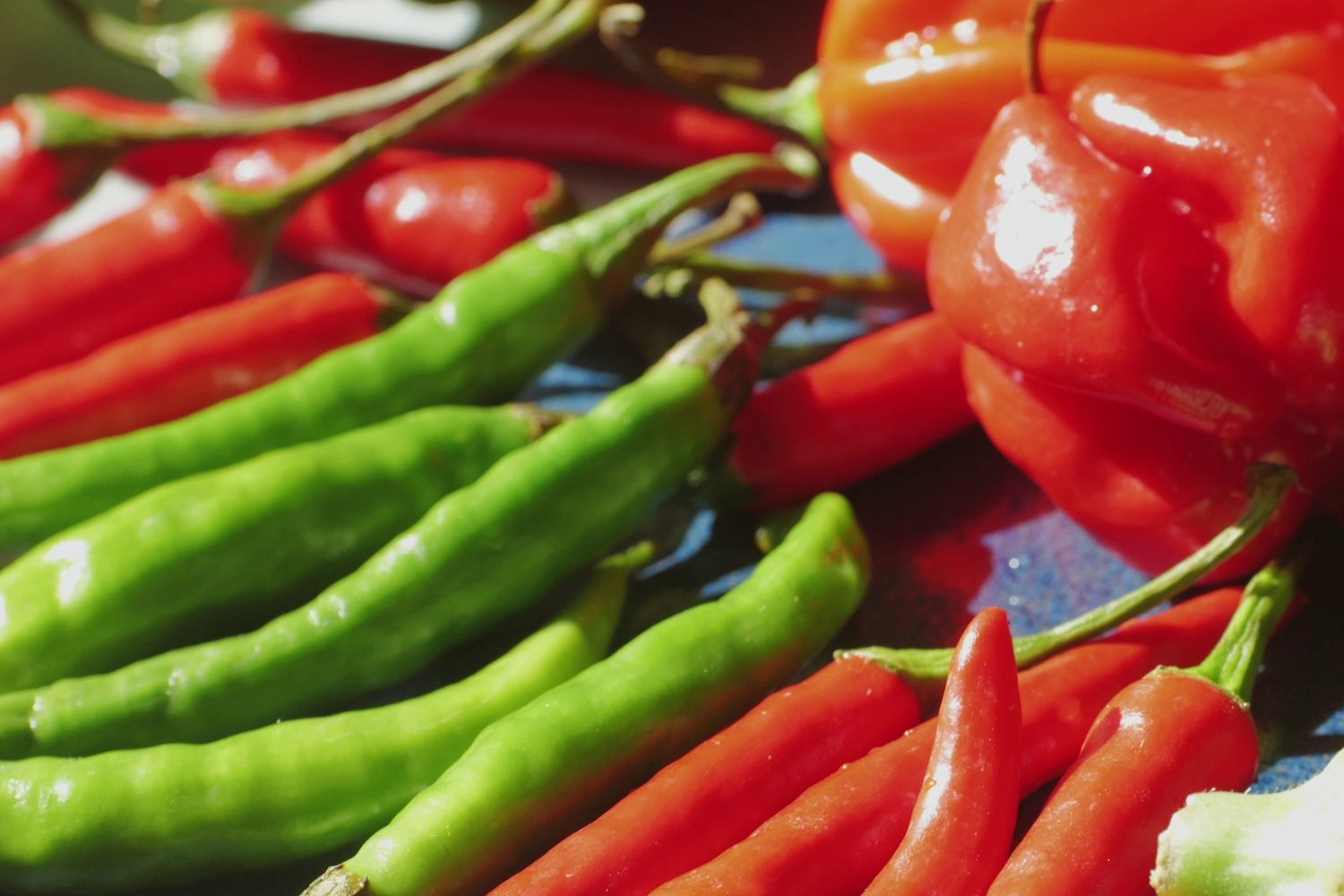
The adoption of the chili pepper into Mediterranean cuisine is a compelling narrative of post-Columbian exchange. While peppers are indigenous to the Americas, their introduction to the Mediterranean basin fundamentally altered the region’s flavor profiles. Prior to their arrival, heat in European and Middle Eastern cooking was primarily derived from black pepper or mustard seeds.
The rapid integration of hot peppers into the Mediterranean diet—resulting in the creation of regional icons like Moroccan harissa, Calabrian chili oil, and Yemeni skhug—demonstrates the fluidity of culinary borders. This historical context serves as a reminder that "traditional" cuisines are rarely static; they are dynamic systems that incorporate new ingredients as they become available through trade and migration.
Safety and Handling Guidelines
Given the increasing prevalence of homemade skhug, food safety experts emphasize the importance of proper handling. The concentration of capsaicin in fresh peppers can lead to acute dermal or ocular irritation. The standard protocol for culinary professionals includes:
- The use of nitrile or latex-free gloves during the chopping and seeding process.
- The rigorous cleaning of surfaces to prevent cross-contamination, particularly near the eyes or mucous membranes.
- The awareness of "capsaicin fog" when opening food processors, which can cause respiratory distress if inhaled directly.
These precautions are particularly vital when scaling production for larger batches, as the volume of peppers increases the potential for accidental exposure.
Broader Culinary Implications
The rise of skhug signifies a broader movement toward "accessible complexity." Consumers are increasingly seeking ways to elevate simple, plant-forward meals without the use of excessive salt, sugar, or synthetic additives. Skhug provides an ideal solution: it is inexpensive to produce, visually striking, and provides an immediate sensory impact.
Furthermore, the lack of a singular "definitive" recipe for skhug serves as an asset rather than a liability in the current food market. The ability for consumers to adapt the sauce to their personal heat tolerance and flavor preferences—by adjusting the ratio of cumin, coriander, and garlic—empowers them to engage with the cooking process. As the culinary industry continues to prioritize health-conscious, flavorful, and culturally diverse options, the prominence of skhug is expected to grow. It stands as a testament to the enduring appeal of simple, fresh ingredients combined with the bold, transformative power of heat.
In conclusion, the evolution of skhug from a regional necessity in Yemen to a global culinary trend highlights the power of food as a vehicle for cultural transmission. Whether served as a traditional accompaniment to pita or as a modern fusion ingredient, its simplicity and intensity offer a blueprint for future culinary innovations that balance history, health, and sensory satisfaction.