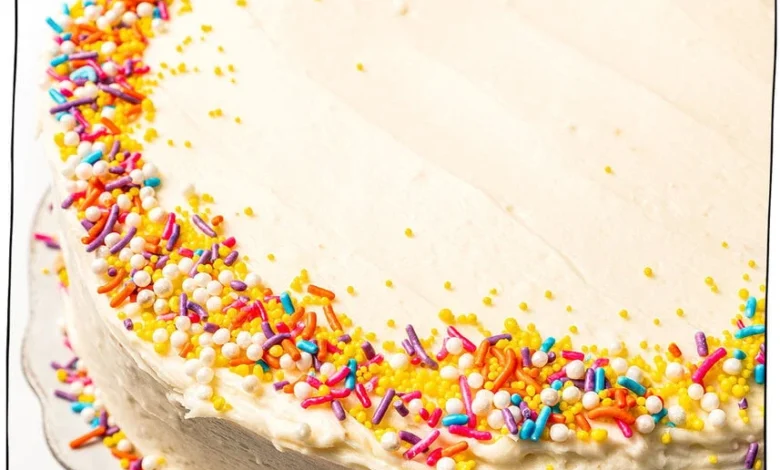
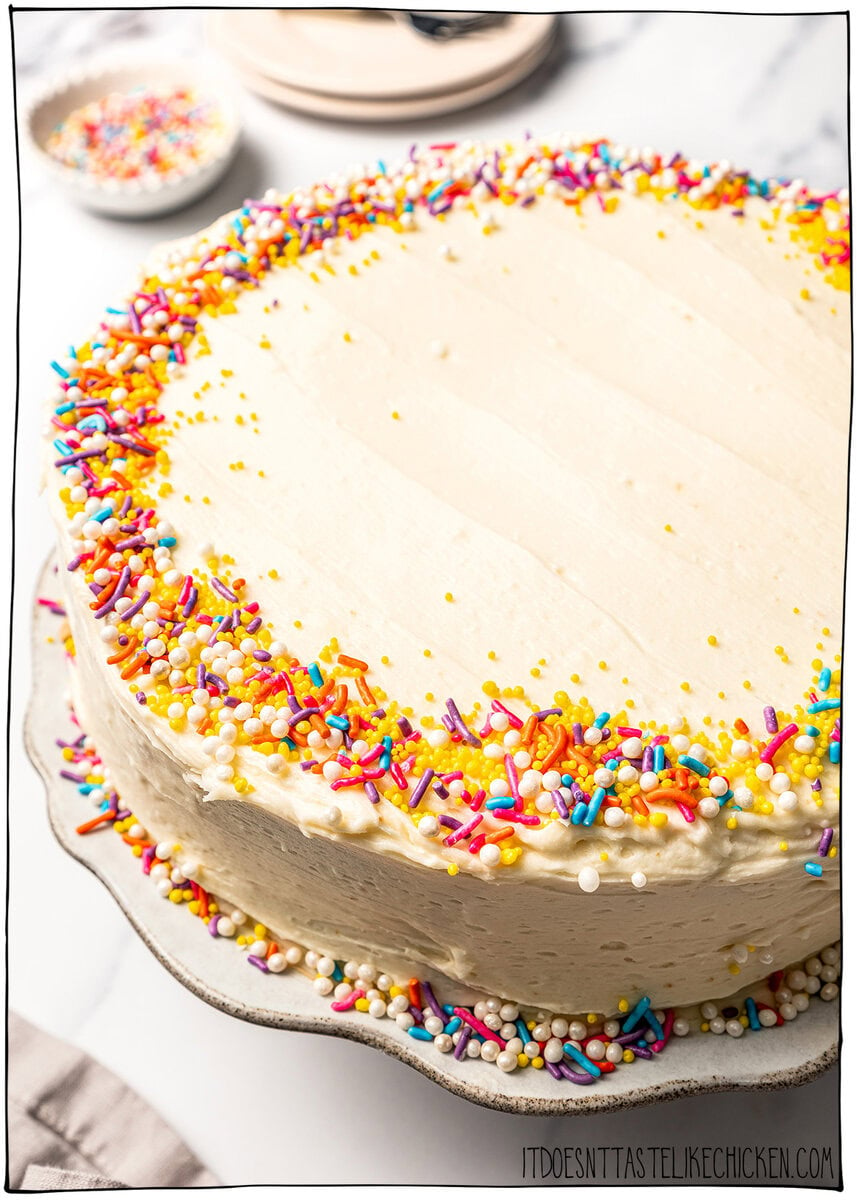
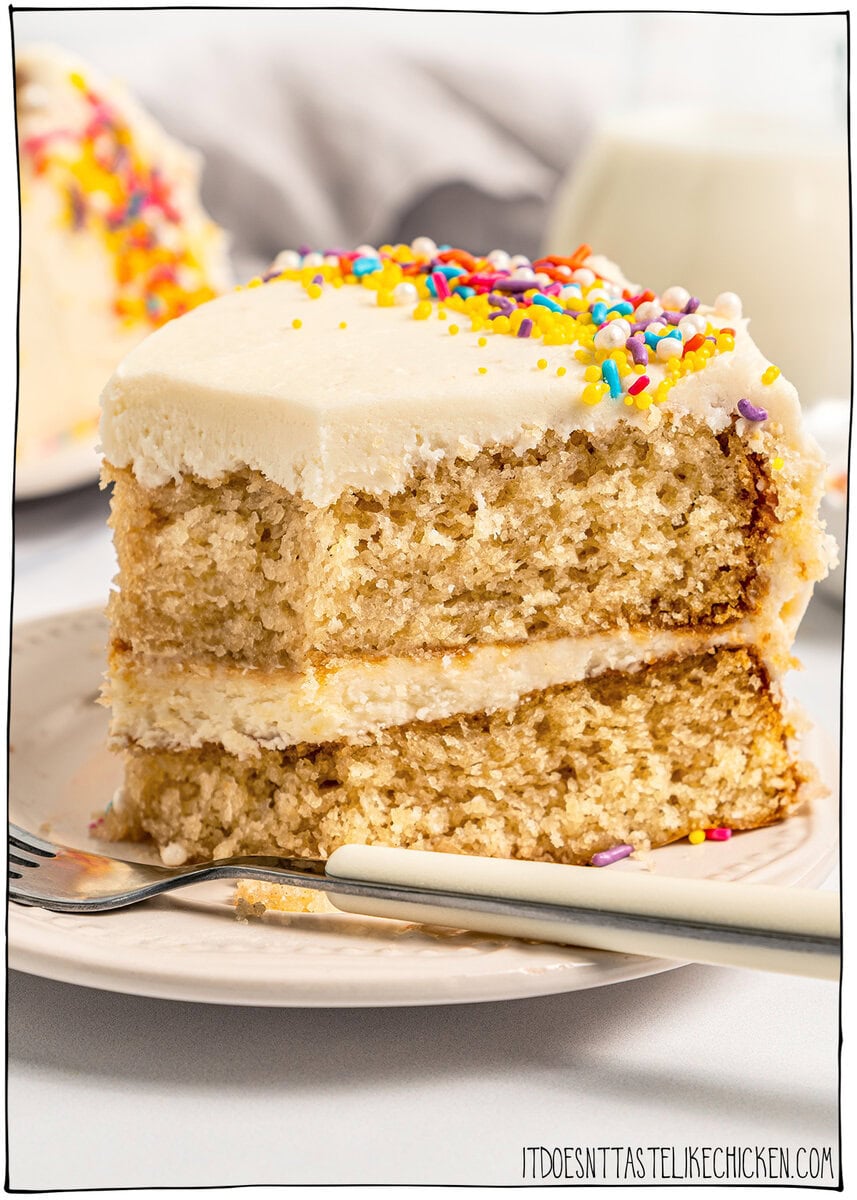
The landscape of modern baking has undergone a significant transformation over the past decade, driven by shifting consumer preferences toward plant-based diets and dietary inclusivity. Among the various culinary challenges historically associated with veganism, creating a traditional, high-performing celebration cake without eggs or dairy proved to be one of the most persistent hurdles for home bakers and commercial pastry chefs alike. Traditional baking relies heavily on the structural and leavening properties of eggs and butter to achieve the desired crumb structure, moisture retention, and height in classic vanilla cakes. However, recent developments in home-kitchen formulation have yielded foolproof, pantry-staple alternatives that rival—and often surpass—their conventional counterparts. A prominent example of this evolution is the widely praised vegan vanilla cake recipe developed by culinary author Sam Turnbull, which has gained widespread acclaim for its reliable results, scientific accessibility, and appeal to both vegan and non-vegan demographics.
The Evolution and Science of Plant-Based Baking
Historically, early iterations of vegan cakes often suffered from dense, gummy textures or dry crumbs due to the trial-and-error nature of substituting eggs and dairy with makeshift binders like flaxseed or commercial powder replacers. The breakthrough in contemporary vegan cake formulation lies in understanding the chemical reactions between everyday pantry ingredients. Rather than relying on specialized, expensive egg substitutes, successful modern recipes utilize a simple acid-base reaction.
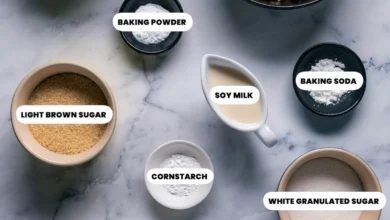
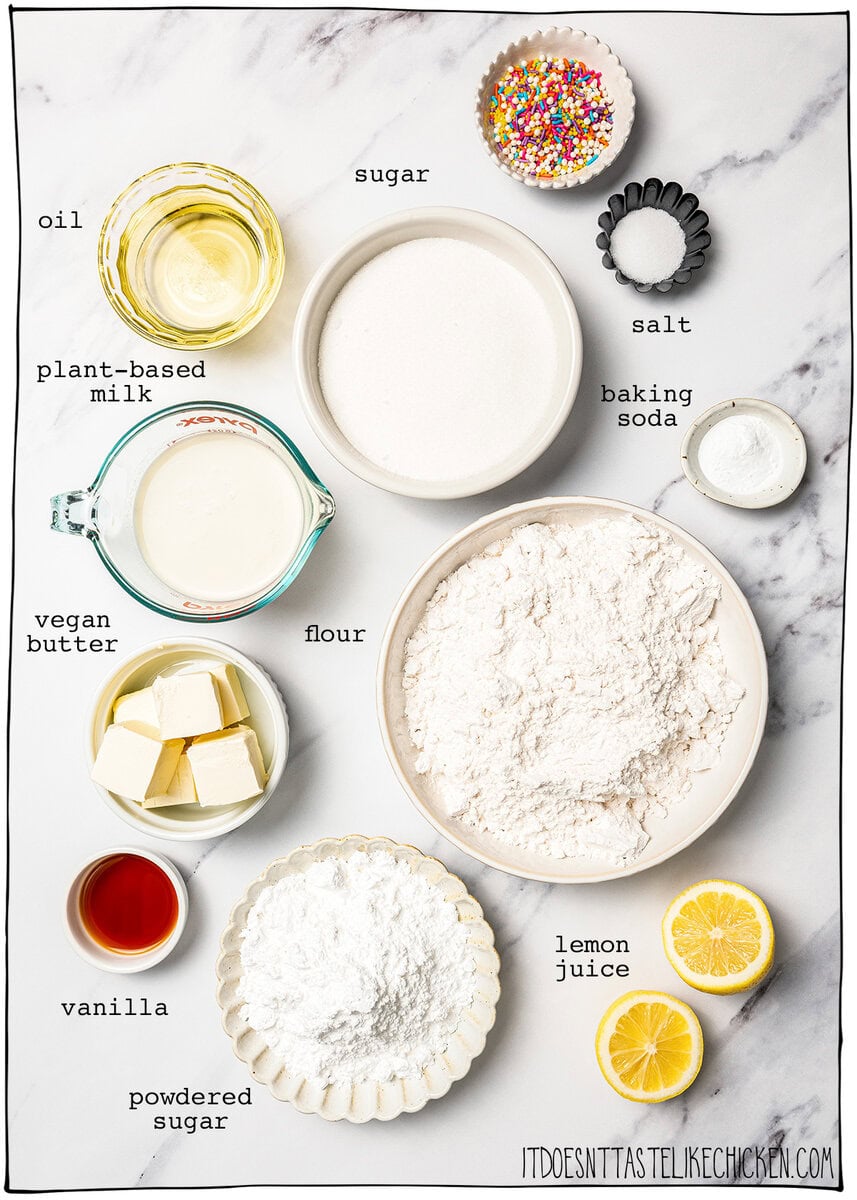
In Turnbull’s formulation, the combination of apple cider vinegar or fresh lemon juice with baking soda acts as the primary chemical leavening agent. When the acidic liquid meets the alkaline baking soda, it triggers the rapid production of carbon dioxide bubbles trapped within the batter matrix. This reaction mimics the aeration traditionally achieved by whipping eggs, resulting in the light, tender crumb characteristic of a celebration cake. Furthermore, using simple, unpretentious ingredients such as all-purpose flour, sugar, vegetable oil, and plant-based milk ensures that the recipe remains accessible to bakers regardless of geographic location or access to specialty health-food stores.
Recipe Specifications and Performance Data
Designed with practicality in mind, the recipe is structured for home kitchens equipped with standard baking tools. The operational parameters for producing a standard two-layer, nine-inch celebration cake are detailed below:
- Preparation Time: 15 minutes
- Baking Time: 28 minutes
- Total Time Required: 43 minutes
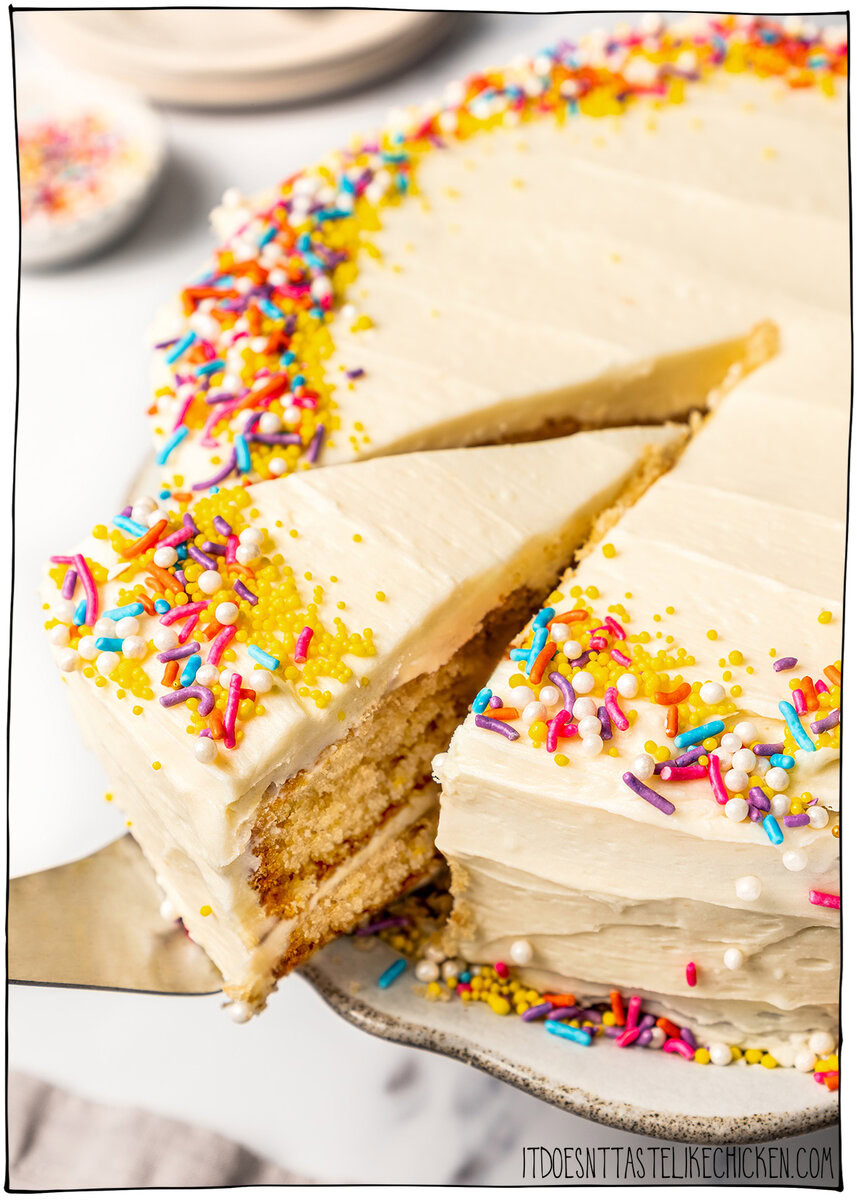
- Yield: 16 standard slices (configured as two 9-inch cake layers)
- Nutritional Profile (Per Slice with Frosting):
- Calories: 419 kcal
- Carbohydrates: 57 g
- Dietary Fiber: 1 g
- Sugars: 41 g
- Protein: 3 g
- Total Fat: 20 g (Saturated Fat: 3 g, Polyunsaturated Fat: 9 g, Monounsaturated Fat: 7 g, Trans Fat: 2 g)
- Sodium: 380 mg
Chronology of Culinary Adoption
The recipe’s journey from a niche blog post to a mainstream baking staple highlights the growing intersection between digital recipe sharing and culinary experimentation.
- Initial Publication (2014): The recipe was originally published amid a growing wave of consumer interest in plant-based lifestyle modifications. At a time when vegan baking resources were scarce and often overly complicated, the emphasis on a "foolproof" method resonated immediately with early adopters.
- Community Expansion (2015–2019): As user-generated food communities expanded across platforms like Instagram and dedicated recipe networks, home bakers began testing the recipe for milestone events, including birthdays, anniversaries, and weddings. Positive testimonials highlighted its ability to satisfy non-vegan family members and skeptics.
- Adaptation and Inclusivity (2020–Present): With the rise of gluten sensitivities and dietary cross-restrictions, the recipe underwent community-tested adaptations, including successful integration with 1:1 gluten-free flour blends utilizing xanthan gum. The formulation was further refined to address frosting stability, incorporating firm stick-style vegan shortenings or butter alternatives to ensure optimal performance in warm climates.
Expert Insights and Technical Variations
Achieving professional results with a plant-based cake requires attention to specific technical variables during preparation and assembly. Culinary experts and seasoned home bakers emphasize several critical factors:
- The Acid-Base Interaction: The inclusion of lemon juice or apple cider vinegar is chemically non-negotiable for structural lift. Once baked, the volatile acids evaporate completely, leaving no residual sour taste while ensuring the interior structure remains buoyant.
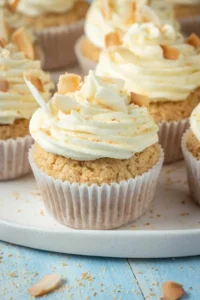
- Fat Selection for Frosting: The stability of the vanilla buttercream relies heavily on the choice of fat. Tub-style spreads often contain high water content, which can cause the frosting to separate or melt at room temperature. For optimal piping and structural integrity, bakers are advised to use stick-style vegan baking blocks or substitute a portion of the fat with vegetable shortening.
- Gluten-Free Flexibility: For consumers managing celiac disease or non-celiac gluten sensitivity, the formulation accepts 1:1 commercial flour replacements containing xanthan gum. While the resulting crumb is marginally more delicate, the structural integrity remains sufficient for layered celebration cakes.
Broader Market Implications and Cultural Impact
The mainstream success of accessible, allergen-conscious baking recipes reflects broader shifts in the global food and hospitality sectors. As dietary preferences diversify—driven by ethical, environmental, and health-related considerations—consumers increasingly expect high-quality culinary experiences that accommodate dietary restrictions without sacrificing flavor or texture.
The popularity of recipes that successfully bridge the gap between traditional comfort food and plant-based constraints indicates a permanent shift in home economics. By democratizing techniques that were once exclusive to specialized commercial bakeries, resources like Turnbull’s vanilla cake formula empower everyday consumers to participate in celebrations inclusively. Whether utilized for a child’s birthday party or a formal wedding reception, the longevity and widespread acceptance of this recipe signal that plant-based baking has evolved from an alternative compromise into a preferred culinary standard.