Nutritional Composition and Macro-Analysis
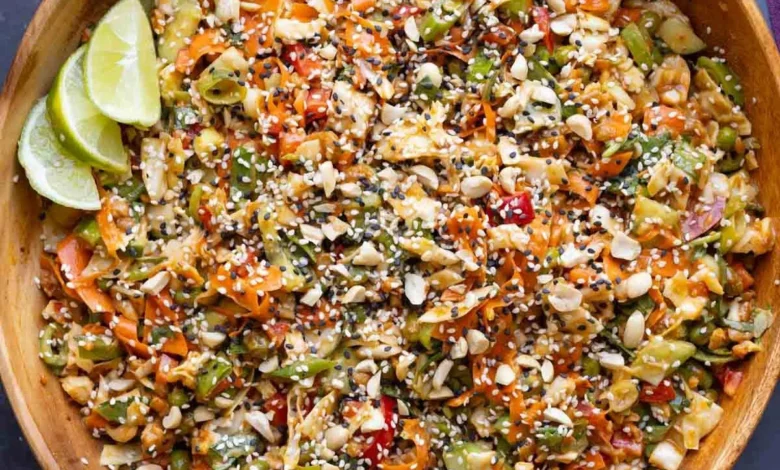
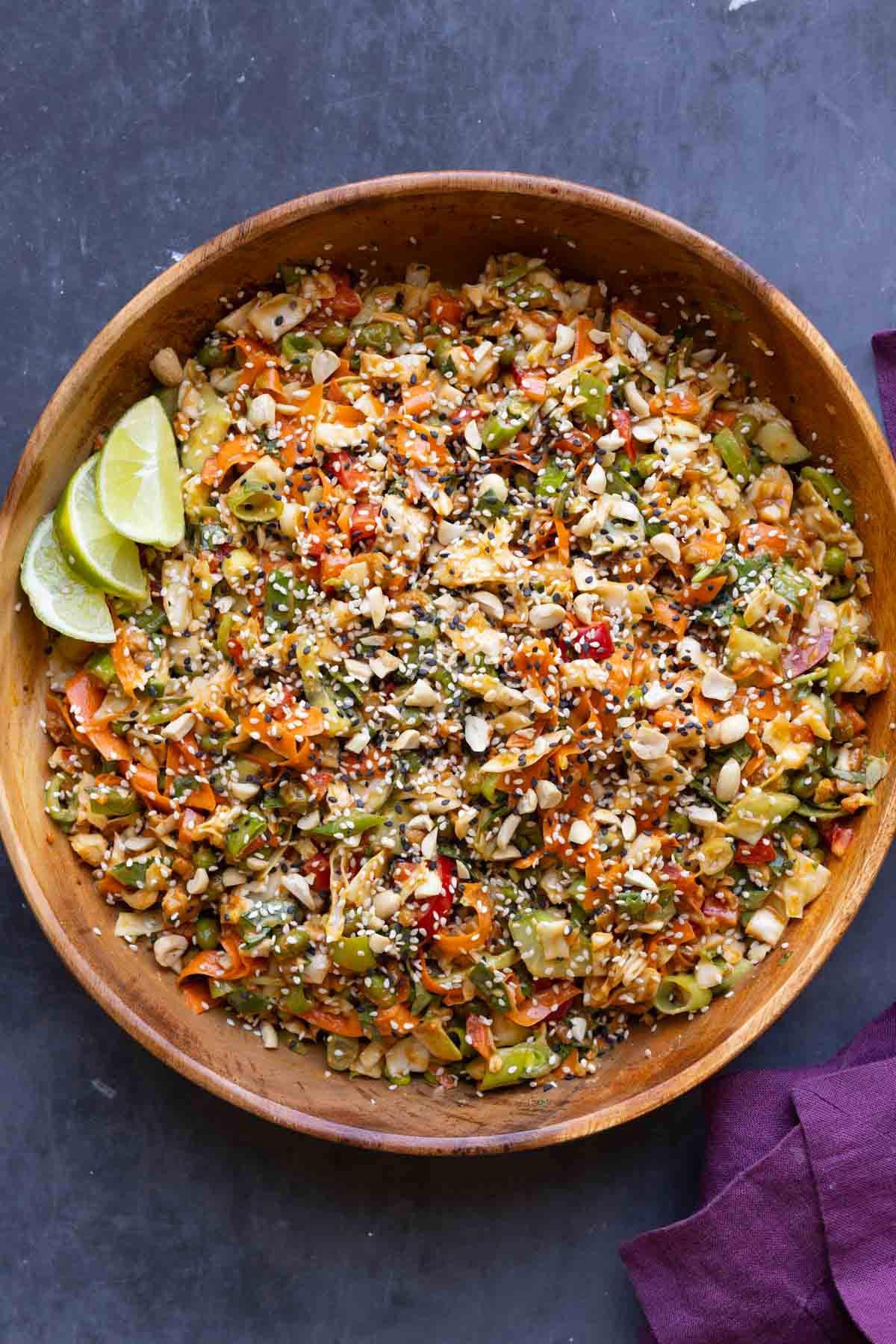
The emergence of high-protein, plant-centric meals reflects a growing consumer demand for dishes that offer functional benefits beyond basic caloric intake. The Crunchy Peanut Gochujang Power Salad provides approximately 429 kilocalories per serving, with a balanced distribution of fats and complex carbohydrates.
From a nutritional standpoint, the dish serves as a significant source of plant-based iron, offering 19 milligrams per full-batch recipe, alongside essential vitamins A, C, and K. The inclusion of tempeh—a fermented soy product—provides not only a complete protein profile but also gut-healthy probiotics. Edamame serves as a secondary protein anchor, adding texture and a significant boost to the fiber content. The creamy dressing, which utilizes peanut butter as a base, adds monounsaturated and polyunsaturated fats, which are critical for the absorption of fat-soluble vitamins found in the kale, cabbage, and carrot components.
Historical Context and Culinary Evolution
The fusion of Korean pantry staples like gochujang (a fermented red chili paste) with Western-style salad formats has gained substantial traction in the last decade. Historically, gochujang was used primarily in stews, marinades, and bibimbap. However, its transition into salad dressings represents a broader culinary movement toward "global fusion" in home kitchens.
This specific recipe aligns with the "power bowl" trend, which gained mainstream popularity in the early 2020s as a response to the need for efficient, nutrient-dense meal prep. The methodology involves a strategic layering of textures: the crunch of raw vegetables (cabbage, carrots, and kale) provides a structural contrast to the chewy, glazed tempeh. By incorporating a precise searing process for the tempeh—coated in a gochujang and lime zest glaze—the recipe elevates a standard salad into a textured, multi-dimensional dining experience.
Preparation and Strategic Methodology
The preparation of this salad follows a specific, three-phase chronology designed for logistical efficiency, particularly for those performing weekly meal prep:
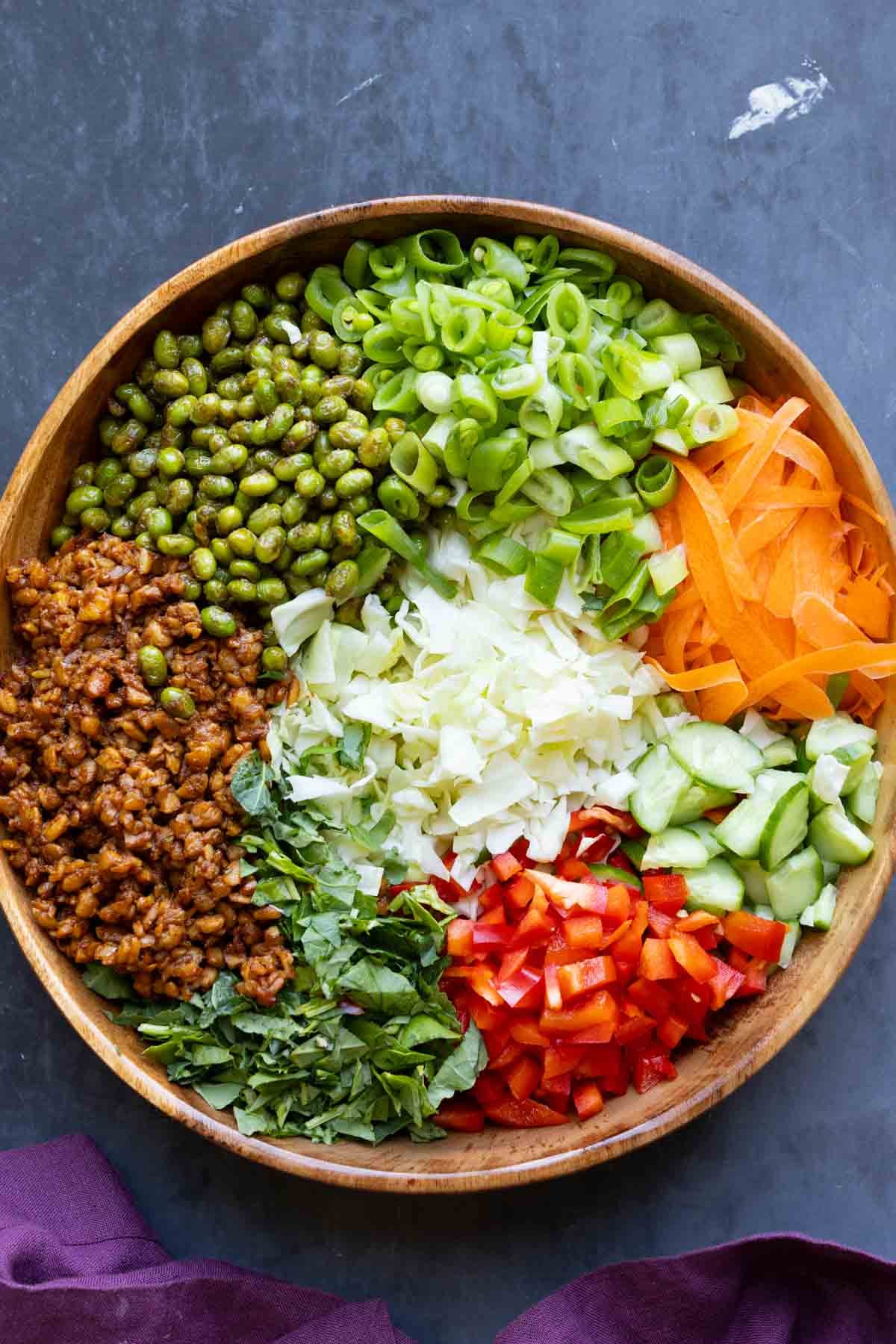
- Vegetable Processing: The foundation of the dish relies on the structural integrity of the base. Vegetables are chopped to a uniform size to ensure consistent flavor distribution. The use of julienned carrots and thinly sliced cabbage maximizes the surface area, allowing the dressing to adhere effectively to every bite.
- Protein Searing and Seasoning: The tempeh is crumbled to mimic a ground protein consistency. The searing process, which takes approximately seven to ten minutes, is critical for achieving a golden-brown crust. The subsequent addition of the gochujang-lime glaze during the final stages of cooking ensures the flavor profile is concentrated without burning the sugars in the paste.
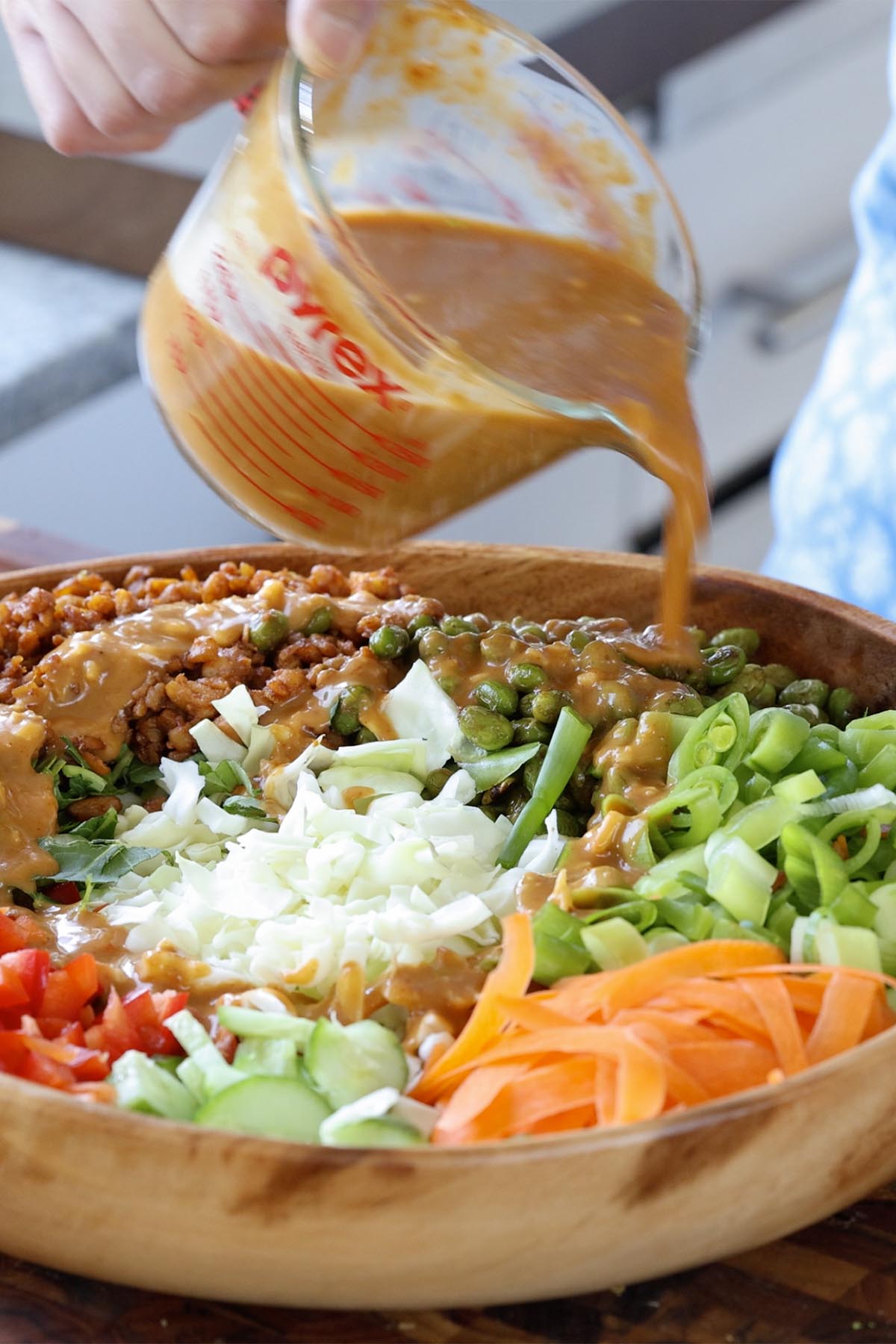
- Emulsification of the Dressing: The dressing serves as the primary flavor carrier. By utilizing room-temperature peanut butter and thinning it with hot water, the preparation achieves a creamy, emulsified consistency that is stable for storage.
Dietary Adaptability and Market Implications
One of the most notable features of this recipe is its modular nature, which addresses a wide range of dietary restrictions. In an era where food sensitivities are increasingly common, the ability to substitute core ingredients is a significant design priority.
- Gluten-Free Requirements: While traditional gochujang often contains wheat, the recipe provides a path for gluten-sensitive consumers to either source certified gluten-free alternatives or construct a substitute using gochugaru, chickpea miso, and coconut aminos.
- Nut-Free Alternatives: The substitution of sunflower seed butter for peanut butter demonstrates an understanding of the widespread prevalence of nut allergies, ensuring the recipe remains inclusive for school-aged children and sensitive populations.
- Soy-Free Variations: Given that the primary protein sources (tempeh and edamame) are soy-based, the inclusion of alternatives such as chickpea-based tofu or seitan highlights the importance of recipe flexibility in modern culinary media.
Broader Impact on Home Cooking Trends
The rise of such recipes indicates a shift toward "functional cooking." As consumers spend more time managing their own health through diet, recipes that provide clear, high-protein, and fiber-rich outcomes are prioritized over those focused purely on aesthetics.
Industry analysts observe that the success of these recipes is rooted in the "meal-prep-friendly" designation. By keeping the dressing and protein separate from the fresh greens until the moment of consumption, the recipe mitigates the common problem of wilting, which is the primary deterrent for individuals attempting to prepare meals days in advance.
Economic and Sustainability Considerations
From a sustainability perspective, the heavy reliance on soy and cruciferous vegetables like kale and cabbage is economically efficient. These ingredients are generally available year-round and at a lower price point than animal-based proteins. The ability to batch-prepare the salad at home reduces reliance on pre-packaged, single-use plastic containers often associated with store-bought salads, aligning with broader consumer trends toward environmental consciousness.
Furthermore, the longevity of the salad—which holds its quality in cold storage for up to three days—serves to reduce food waste. By providing clear storage instructions—recommending that the dressing and tempeh be kept separate from the vegetables—the recipe ensures the shelf-life is maximized, providing a practical solution for busy professionals and families.
Summary of Nutritional Data
| Component | Average Value (Per Serving) |
|---|---|
| Calories | 429 kcal |
| Protein | 23 g |
| Total Fiber | 7 g |
| Total Fat | 29 g |
| Vitamin C | 62 mg |
| Iron | 4 mg |
Note: Nutritional values are estimates based on standard preparation methods. Actual values may vary based on specific ingredient brands and preparation techniques.
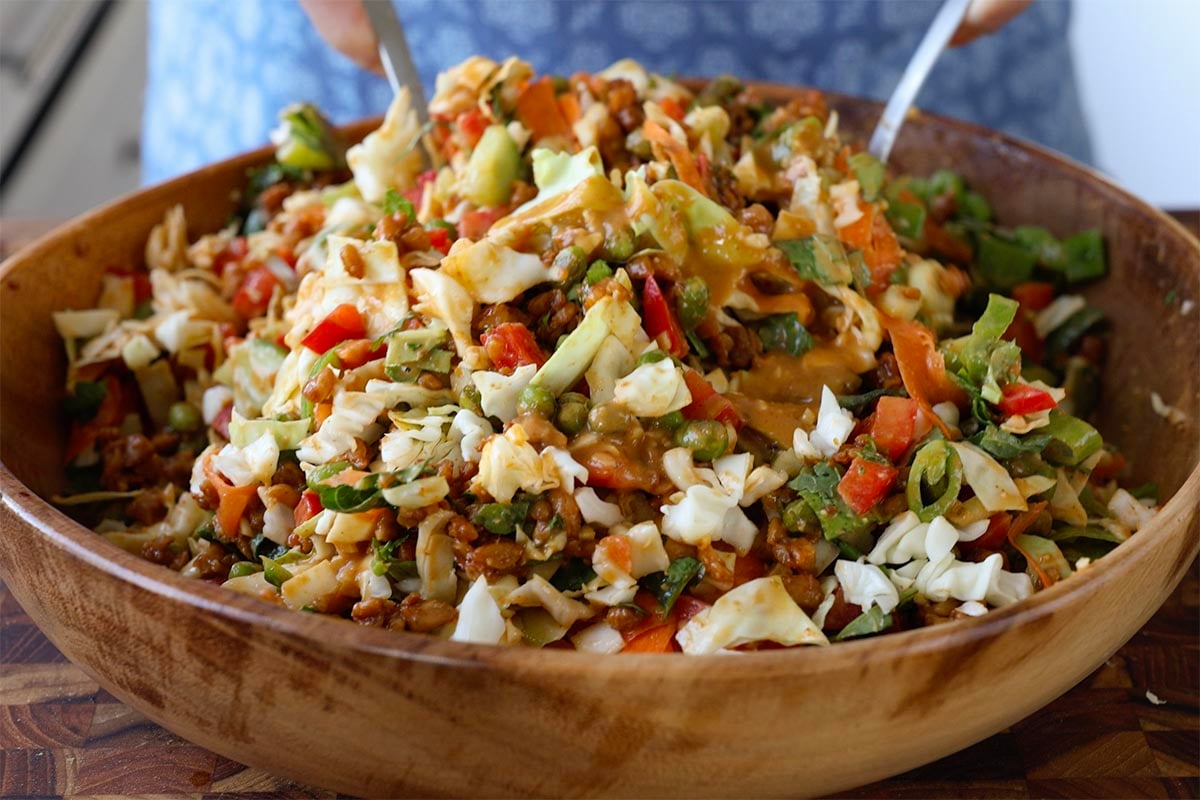
As culinary technology and global ingredient accessibility continue to evolve, the Crunchy Peanut Gochujang Power Salad stands as a representative example of how traditional fermentation techniques can be successfully adapted into contemporary, high-performance nutrition. The recipe does not merely offer a set of instructions; it provides a framework for sustainable, healthy, and flavorful living, addressing the logistical and biological needs of the modern consumer. Through the careful balance of acidity from the lime, heat from the gochujang, and the earthy, savory profile of the peanut butter and tempeh, the dish achieves a sophisticated flavor balance that appeals to a wide demographic, including those who do not follow a strictly plant-based lifestyle.