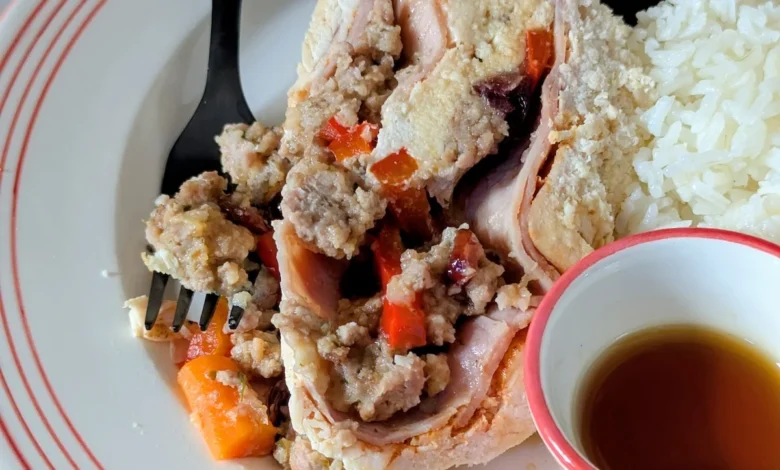
The stuffed chicken roll, known traditionally in Spanish as rollo de pollo, stands as a hallmark of festive Colombian gastronomy. While often associated with grand holiday gatherings and formal dinner parties, the dish has recently undergone a significant culinary transformation. Traditionally prepared by deboning a whole chicken and filling the cavity with a complex mixture of ground pork, ham, and seasonal vegetables, the dish has evolved to accommodate the efficiency and health-conscious preferences of modern home cooks. By shifting from the traditional whole-bird preparation to a simplified chicken breast-based technique, culinary enthusiasts are modernizing a historic recipe without sacrificing its essential flavor profile.
Historical Context and Cultural Significance
In Colombian culture, the rollo de pollo is more than a mere main course; it is a labor-intensive expression of hospitality. Historically, the process of deboning a whole chicken requires significant skill, making it a centerpiece often reserved for Christmas, New Year’s Eve, or milestone celebrations. The inclusion of pork and ham in the filling serves as a nod to the colonial influence on Latin American cuisine, where the combination of various proteins was often used to signify abundance and status during special occasions.
The traditional preparation often involves braising or poaching the roll in a savory liquid, a method that preserves moisture but requires constant monitoring. In recent years, however, the professional and home-cooking landscapes have shifted toward oven-roasted variants. This transition is largely driven by a desire for consistent texture and the convenience of a hands-off cooking process, aligning with contemporary trends in domestic meal preparation.
Anatomy of the Modernized Stuffed Chicken Roll
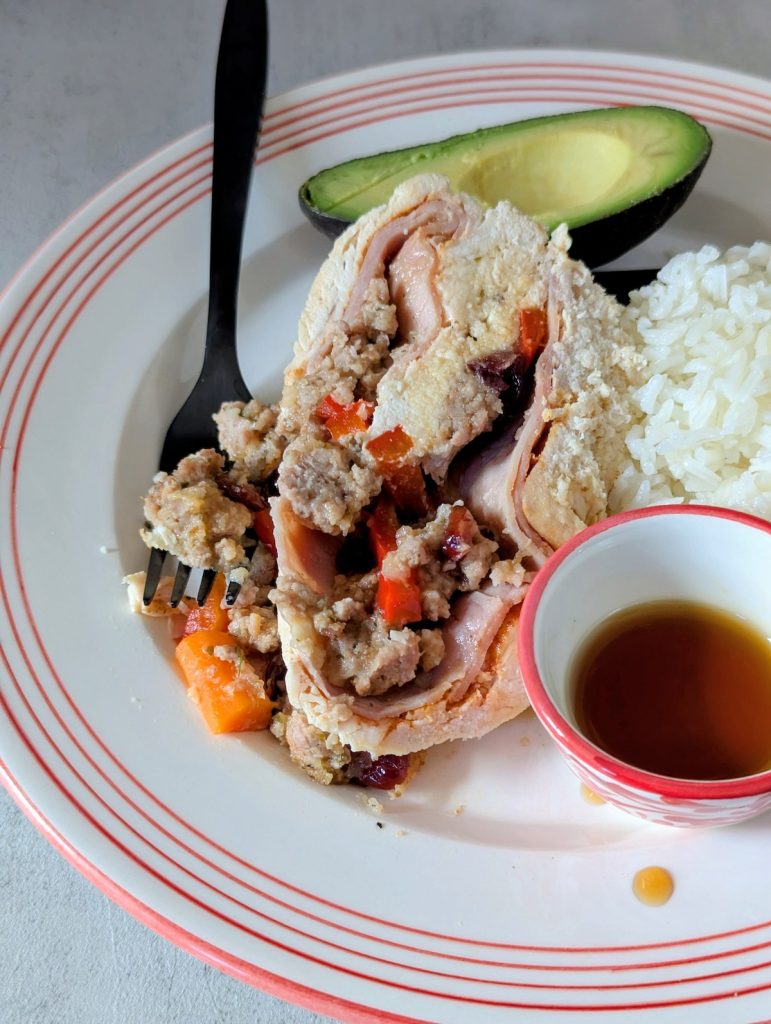
The current iteration of the stuffed chicken roll, while innovative in its construction, relies on a foundational set of ingredients that define its authentic flavor. The modern version utilizes thin-pounded chicken breasts, which act as a uniform canvas for the filling. This structural change—replacing the whole bird—drastically reduces the preparation time while ensuring that every slice of the finished roll contains an equal distribution of stuffing.
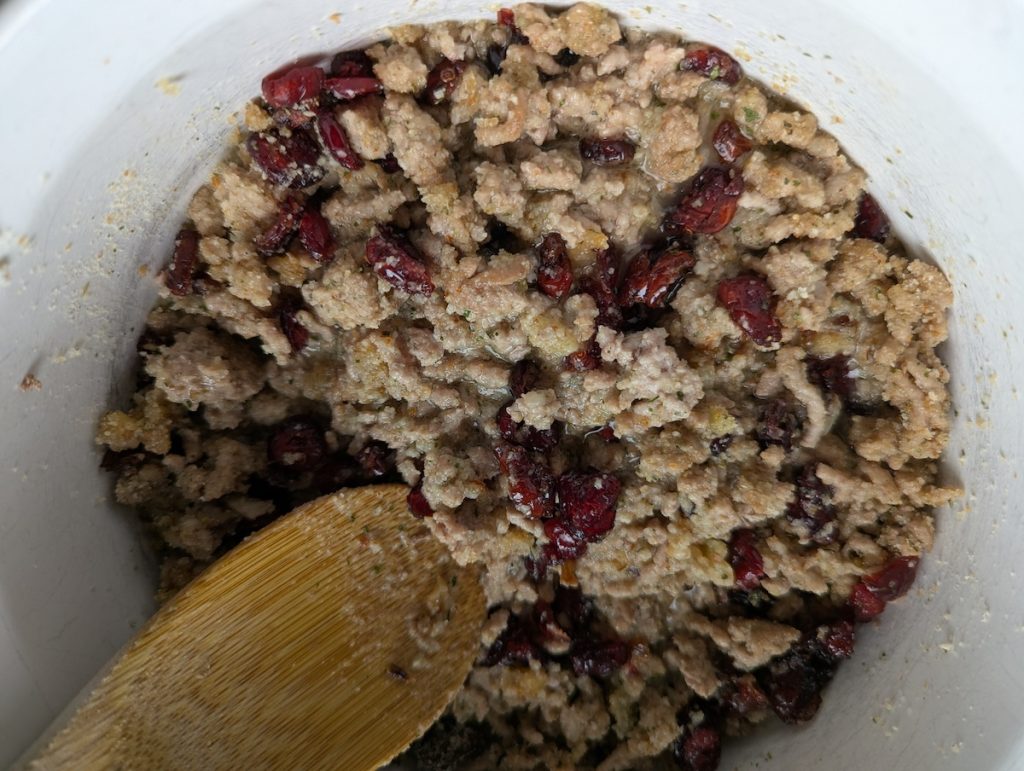
The filling itself is a balance of textures and savory profiles. High-quality ground pork is typically the protein of choice, providing a rich fat content that keeps the lean chicken breast moist during the baking process. The aromatics—a sofrito-adjacent base of onions and fresh garlic—are essential for establishing the dish’s depth. The inclusion of vegetables, specifically carrots and red bell peppers, provides both nutritional value and a vibrant visual contrast when the roll is sliced.
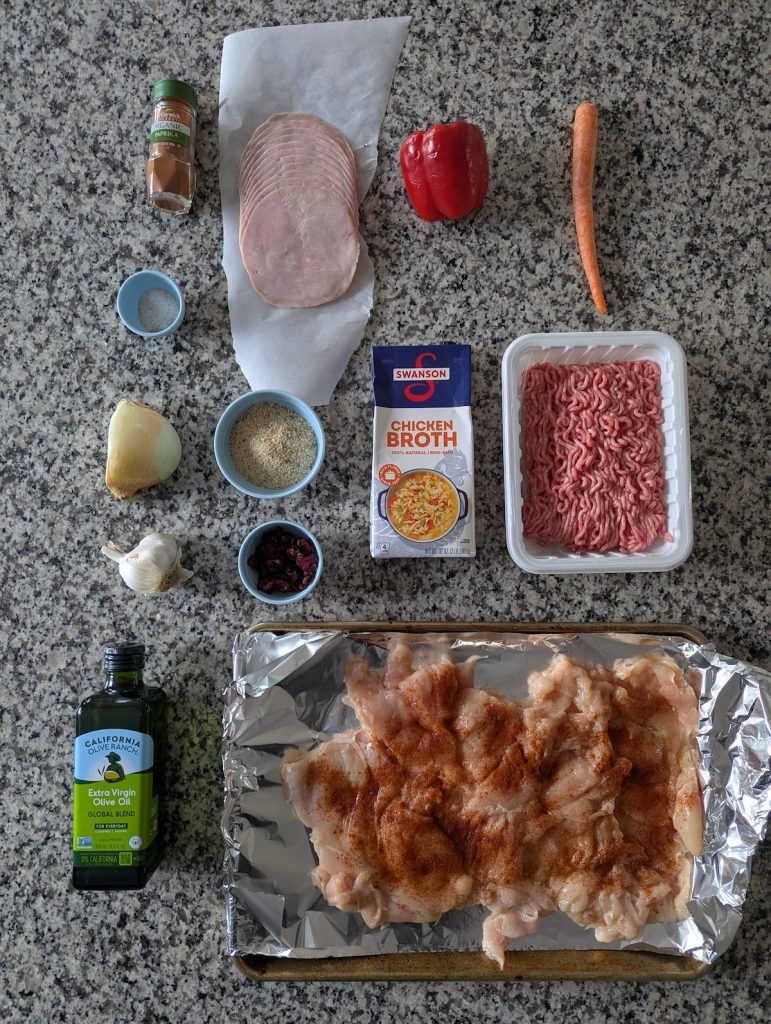
Sweet and savory elements, a hallmark of many Colombian dishes, are introduced through the addition of dried cranberries or raisins, offering a slight acidity to cut through the richness of the pork. For those seeking a more traditional flavor, chopped green olives are frequently incorporated to introduce a briny, Mediterranean-inspired note that has become synonymous with regional variations of the recipe.
Technical Preparation and Cooking Methodology
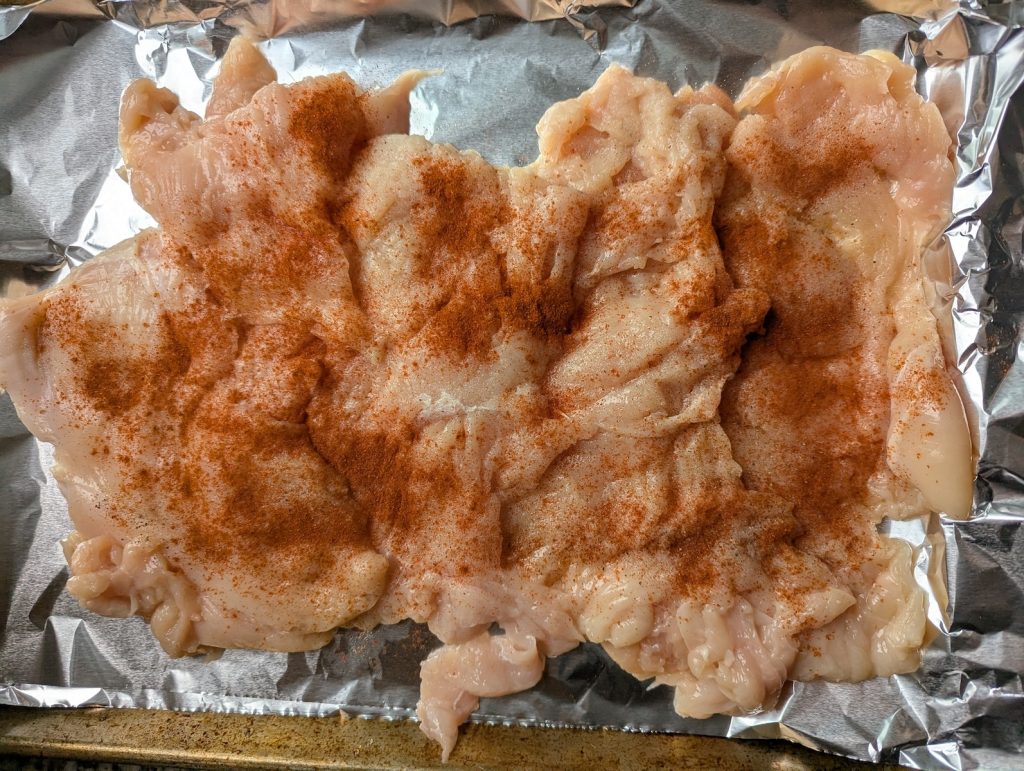
The success of the modern rollo de pollo hinges on precise preparation techniques. Culinary experts emphasize the importance of pounding the chicken breasts to a consistent thickness of approximately one-quarter inch. This step is critical, as it not only tenderizes the muscle fibers but also creates a large, uniform surface area that is essential for achieving a tight, secure roll.
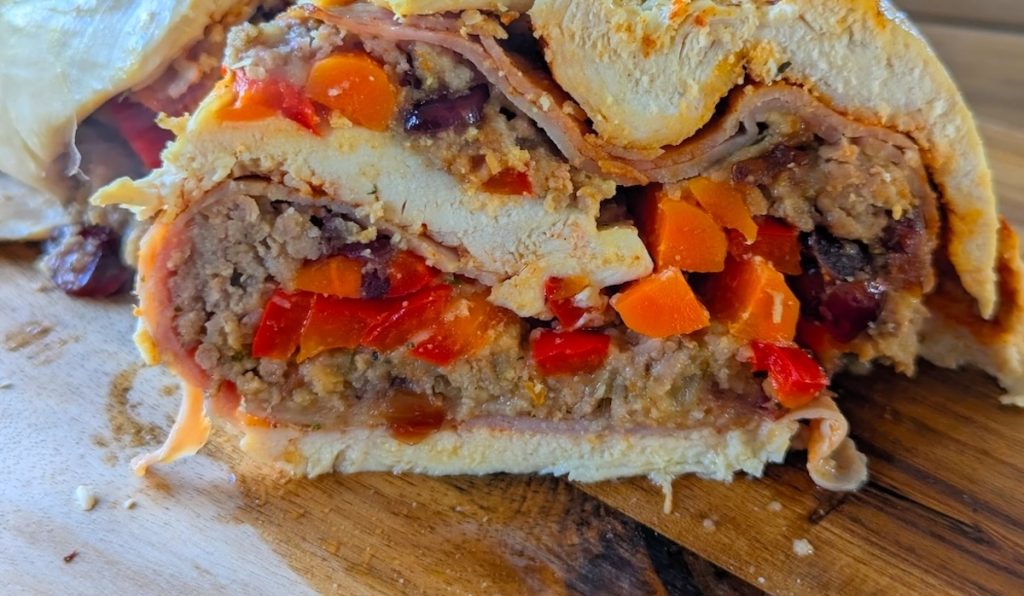
The process follows a disciplined, step-by-step chronology:
- The Filling Preparation: The stuffing is prepared separately in a skillet. By sautéing the aromatics, browning the ground pork, and deglazing with chicken broth or white wine, the cook builds a complex flavor base before the mixture ever touches the chicken.
- Layering: The flattened chicken breasts are arranged in an overlapping pattern on a prepared baking surface, usually lined with foil to facilitate the rolling process.
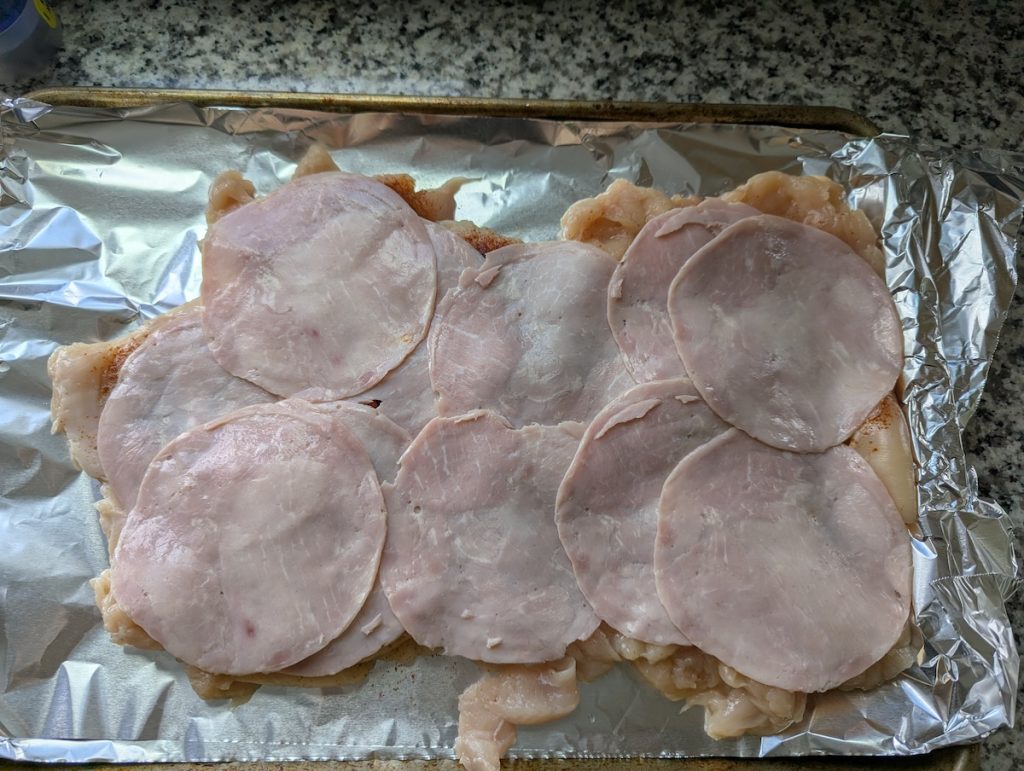
- Assembly: The ham slices are laid over the chicken, followed by the pork and vegetable mixture. The roll is then tightly secured using the foil as a guide or, if necessary, food-grade kitchen twine to maintain its integrity during the high-heat roasting phase.
- Roasting: A preheated oven set to 400°F (approx. 200°C) is ideal for achieving a golden exterior while ensuring the interior reaches a safe, succulent temperature. The typical cook time is approximately one hour, followed by a mandatory ten-minute resting period, which allows the juices to redistribute throughout the meat.
Nutritional Profile and Dietary Implications
From a nutritional standpoint, the transition to chicken breast-based rolls offers a leaner alternative to traditional whole-chicken preparations. Data suggests that a standard serving of this dish provides approximately 514 kcal, with 55 grams of protein and 27 grams of fat. The dish is relatively low in carbohydrates, at roughly 11 grams per serving, making it a viable option for those adhering to lower-carbohydrate diets.
However, the sodium content, often derived from the ham and seasoning, averages around 1,337 mg per serving. Culinary professionals advise that home cooks can mitigate this by utilizing low-sodium broths and limiting the addition of table salt, relying instead on herbs and the natural saltiness of the olives or cured meats to provide flavor.
Broader Culinary Impact and Serving Suggestions
The versatility of the stuffed chicken roll has contributed to its enduring popularity. It is a dish that transitions easily between temperatures, often served hot as a primary dinner entree or cold as an elegant component of a charcuterie or appetizer platter.
Serving recommendations have also expanded to include a wider variety of sides. While traditional pairings such as salted potatoes (papa salada) and ripe plantains (tajadas de plátano) remain the gold standard for a classic Colombian meal, modern interpretations often include fresh garden salads, roasted root vegetables, or even light citrus-based grain bowls. The ability to prepare the roll in advance and reheat it, or serve it at room temperature, makes it an ideal solution for catering and large-scale meal planning.
Analysis of Future Trends
The evolution of the rollo de pollo reflects a broader movement within international home cooking: the simplification of complex traditional dishes to fit the pace of modern life without losing the connection to heritage. As chefs and home cooks continue to experiment with international flavors, the stuffed chicken roll serves as a foundational template. Future variations may see the inclusion of non-traditional ingredients like quinoa in the stuffing, or the use of diverse spice blends that reflect the fusion of Colombian traditions with global culinary trends.
In conclusion, the stuffed chicken roll remains a testament to the adaptability of Colombian cuisine. Whether prepared in the time-honored, whole-bird style or the streamlined, breast-based method, the dish continues to provide a bridge between the culinary heritage of the past and the practical demands of the present. By mastering the fundamental techniques of pounding, layering, and roasting, cooks can ensure that this festive centerpiece remains a relevant and celebrated part of the culinary canon for generations to come.