The Quest for the Lost Bakery-Style Chewy Lemon Sugar Cookie Finally Concludes After Years of Trial and Error

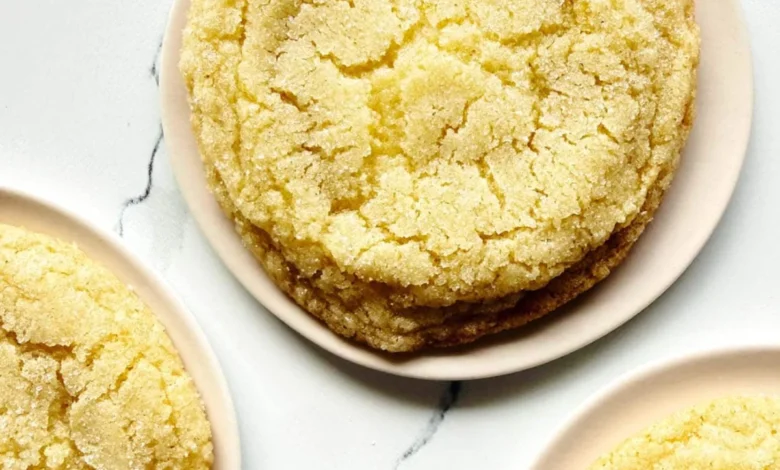
The culinary world often loses treasured recipes to the passage of time, staff turnover, and closed doors. Such was the fate of a legendary bakery-style lemon sugar cookie originating from a neighborhood coffeehouse, where a lone baker once produced giant, citrus-infused treats characterized by slightly crisp edges and a rich, melt-in-your-mouth center. When that baker departed—taking vital proprietary formulas along—patrons and former staff alike assumed the recipe was gone for good. However, after years of intermittent testing, meticulous kitchen experimentation, and precise measurements, the elusive formula has finally been successfully reverse-engineered, offering baking enthusiasts a tangible connection to a lost favorite and a bright, citrusy antidote to lingering winter weather.
The Re-Creation Process and Culinary Chronology
The journey to recreate the iconic coffeehouse cookie was not a straightforward endeavor. Initial attempts began shortly after the coffeehouse’s signature baker left the establishment. For years, intermittent kitchen trials yielded mixed results. Early batches suffered from structural issues—some were too cakey, others lacked the necessary structural integrity to support a large, bakery-style diameter, and many failed to capture the delicate, nuanced balance of citrus flavor that defined the original.
A breakthrough occurred only after a systematic, multi-week phase of rigorous recipe development. Rather than relying on standard cookie ratios, the formulation required targeted adjustments to fat, acid, and leavening agents.
The breakthrough formula hinged on three critical adjustments:
- The incorporation of two full tablespoons of fresh lemon zest to deliver a pronounced yet refined flavor profile without introducing excess liquid acid that could compromise the cookie’s structural integrity.
- The addition of an extra egg yolk. This strategic inclusion elevated the fat content of the dough, contributing directly to a richer, softer center bite while naturally enhancing the vibrant yellow hue of the finished product.
- A dual-leavening approach utilizing both baking powder and baking soda. This combination enabled the centers of the cookies to rise significantly during the initial baking phase before gently settling as they cooled, ultimately creating the signature dense, tender, and chewy interior texture.
Baking Science and Technical Specifications
Achieving the precise texture of a professional bakery cookie requires strict adherence to measurements and physical chemistry. Culinary experts and pastry chefs emphasize that home baking often suffers from discrepancies in ingredient scaling, most notably in how dry ingredients like flour are measured.
In the finalized recipe parameters, standardized measurements dictate that one cup of all-purpose flour equals precisely 142 grams. Culinary researchers note that standard cup measurements for flour can vary globally anywhere from 120 grams to 142 grams depending on packing density and scooping technique. By establishing a definitive weight of 142 grams per cup through extensive averaging, the recipe mitigates common structural failures such as excessive spreading or dense, heavy crumb structures.
Furthermore, the physical dynamics of the baking process rely on thermal expansion and protein coagulation. The edges of the dough spread and caramelize against the baking sheet to achieve a delicate crispness, while the insulated center retains moisture due to the added egg yolk and balanced leavening agents, resulting in the desired dual-texture profile.
Variations and Adaptations for Home Bakers
As the finalized recipe transitioned from experimental notebooks to broader public availability, culinary developers incorporated specific variations to accommodate diverse consumer preferences while maintaining the structural integrity of the original bake.
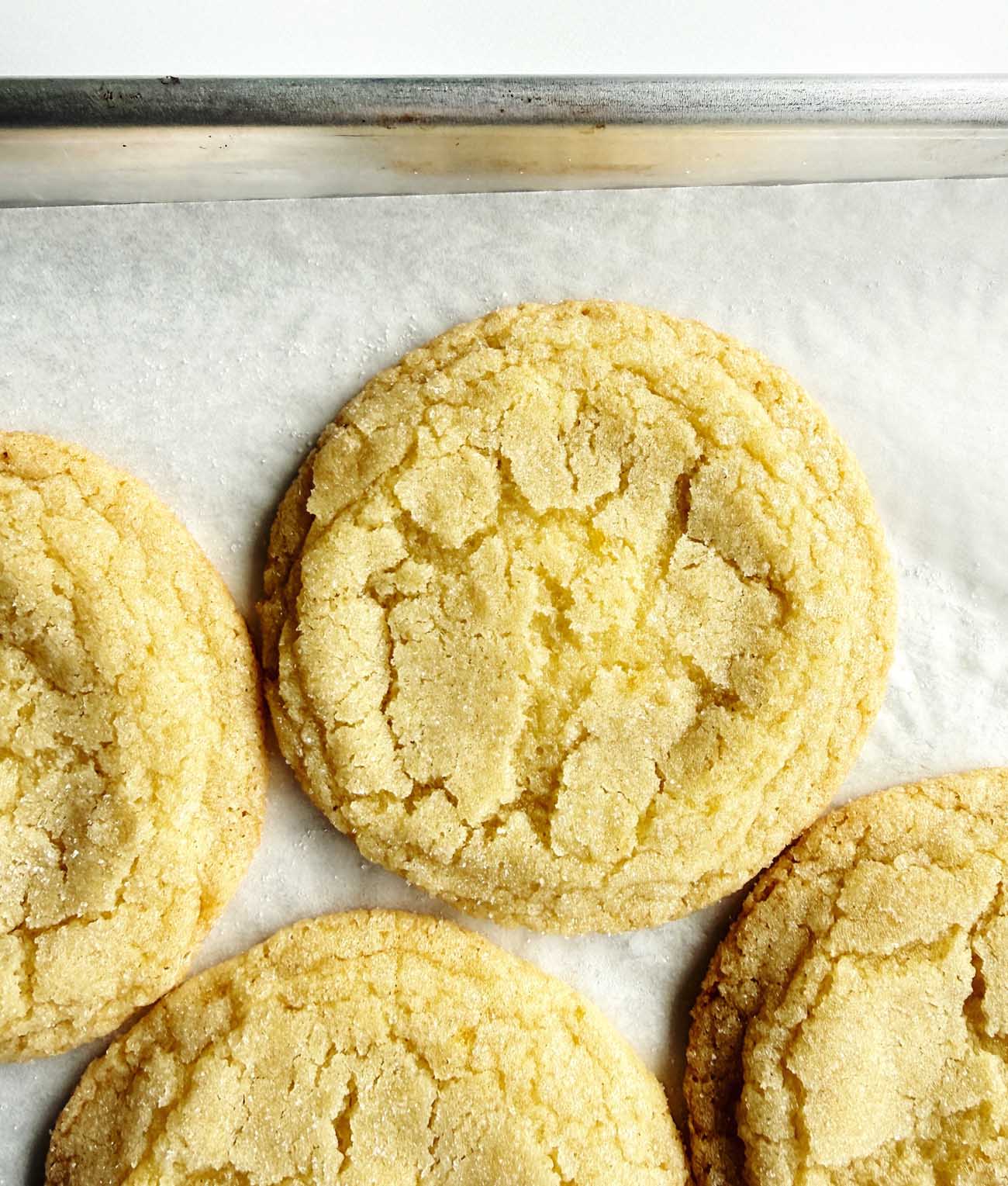
Among the officially supported variations is the Lemon-Poppy Seed Sugar Cookie, which integrates one tablespoon of poppy seeds directly into the base dough to provide subtle textural contrast and a classic flavor pairing. Additionally, for consumers seeking an amplified citrus profile, bakers recommend incorporating two additional teaspoons of fresh lemon zest directly into the rolling sugar coating prior to baking. These variations allow home bakers to customize the experience without disrupting the core chemistry of the flour-to-fat-to-sugar ratios.
Market Implications and the Nostalgia Economy
The successful revival of this regional coffeehouse favorite highlights a broader trend within the contemporary food and beverage landscape: the commercial and emotional power of culinary nostalgia. In recent years, consumers have increasingly sought out comfort foods associated with pre-pandemic routines, local community spaces, and artisanal craftsmanship.
Food industry analysts point out that the democratization of proprietary recipes through digital platforms transforms local losses into shared community victories. When signature items disappear due to business closures or staff transitions, the vacuum is frequently filled by passionate home cooks and food bloggers utilizing modern testing methodologies. This phenomenon not only preserves culinary history but also drives engagement within the home-baking sector, which experienced significant growth during the 2020s and continues to maintain elevated consumer interest in scratch-made, premium comfort foods.
Looking Ahead
With the formal documentation and publication of the perfected lemon sugar cookie formula, the chapter on this particular lost recipe is officially closed. Bakers and pastry enthusiasts now possess a reliable, scientifically calibrated roadmap to replicating a treat once deemed permanently inaccessible. As communities transition from the colder months into the spring season, the resurgence of this bright, citrus-forward bake serves as both a practical kitchen project and a testament to the persistence of culinary memory.