The global plant-based breakfast landscape has witnessed a significant evolution over the past decade, shifting away from heavy, processed meat alternatives toward whole-food, high-protein ingredients that mimic traditional comfort foods. Among these, the tofu scramble has emerged as a cornerstone of vegan and flexitarian culinary culture. Nutritionists, culinary historians, and plant-based chefs increasingly point to this single-pan dish as the definitive morning alternative to scrambled eggs, combining rapid preparation times with a dense nutritional profile.
As consumer demand for sustainable, cruelty-free, and health-conscious morning meals accelerates, home cooks and commercial kitchens alike are refining the mechanics of preparing plant-based protein. The standard tofu scramble offers a compelling case study in culinary efficiency, transforming a neutral block of pressed soybeans into a savory, texturally complex breakfast staple in roughly fifteen minutes.
Evolution of Plant-Based Breakfasts and the Rise of Tofu
Historically, breakfast formats in Western societies have centered heavily on animal-derived proteins, notably chicken eggs and various pork products. However, shifting demographic preferences, environmental concerns regarding livestock agriculture, and rising rates of lactose intolerance and egg allergies have catalyzed a pivot toward plant-based alternatives.
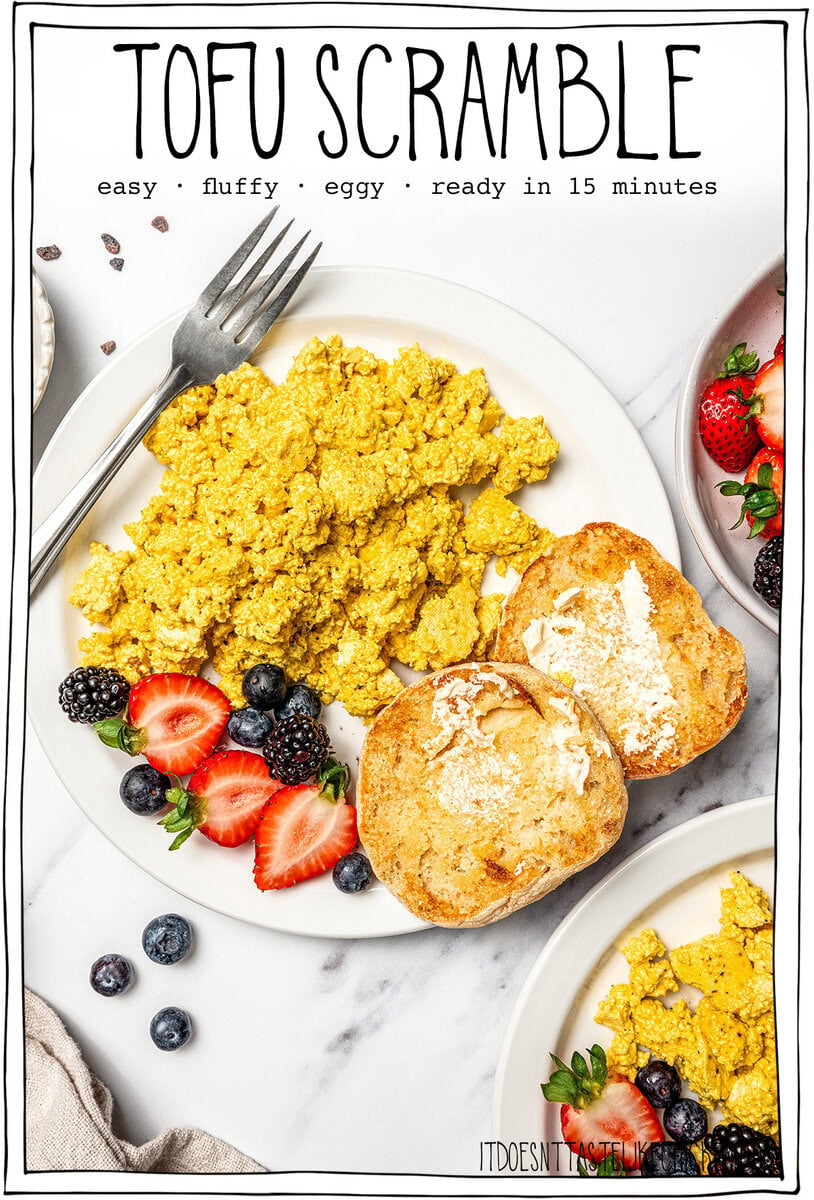
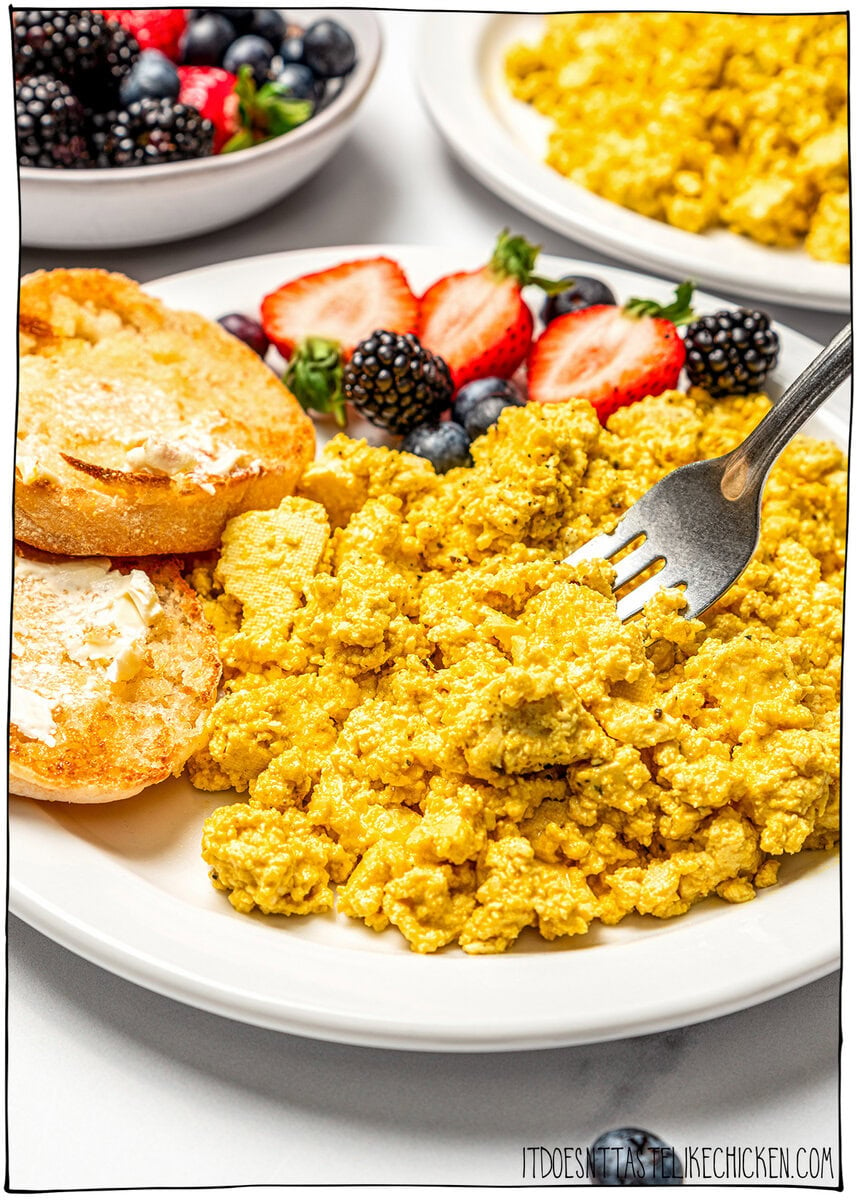
Tofu, a product originating in ancient China over two thousand years ago, has become the medium of choice for modern vegan breakfast innovation. Made by coagulating soy milk and pressing the resulting curds into soft, firm, or extra-firm blocks, tofu boasts an exceptional ability to absorb surrounding flavors. When crumbled, its cellular structure naturally fractures into irregular, bite-sized curds that closely replicate the visual and textural mouthfeel of scrambled chicken eggs.
Industry data from market research firms specializing in food trends indicate that plant-based breakfast item sales have grown steadily. Consumers are no longer seeking hyper-processed imitation meats; instead, they are gravitating toward versatile, minimally processed whole foods that can be customized to individual dietary needs and macro-nutrient goals.
Nutritional Profile and Dietary Implications
From a nutritional standpoint, the standard tofu scramble provides a balanced composition of macronutrients suited for the start of the day. A typical serving derived from a standard recipe yields approximately 132 kilocalories, 11 grams of protein, 8 grams of fat, and 5 grams of carbohydrates. Unlike traditional scrambled eggs, which carry higher concentrations of saturated fats and cholesterol, tofu is naturally cholesterol-free and rich in polyunsaturated and monounsaturated fats.
Furthermore, tofu serves as a notable source of plant-based calcium and iron, essential minerals for maintaining bone density and optimal oxygen transport within the blood. For individuals managing cardiovascular health or adhering to strict vegan regimens, incorporating soy-based proteins into the morning routine helps sustain satiety without introducing excessive dietary cholesterol.
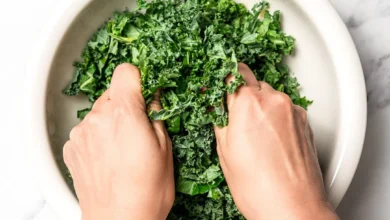
The culinary flexibility of the dish also allows consumers to tailor the nutritional output. By integrating leafy greens such as spinach or kale, home cooks can boost micronutrient intake, including vitamins A, C, and K. The addition of legumes, such as black beans, further elevates the fiber and protein content, transforming a light breakfast into a substantial, energy-dense meal.
Core Ingredients and the Science of Flavor Replication
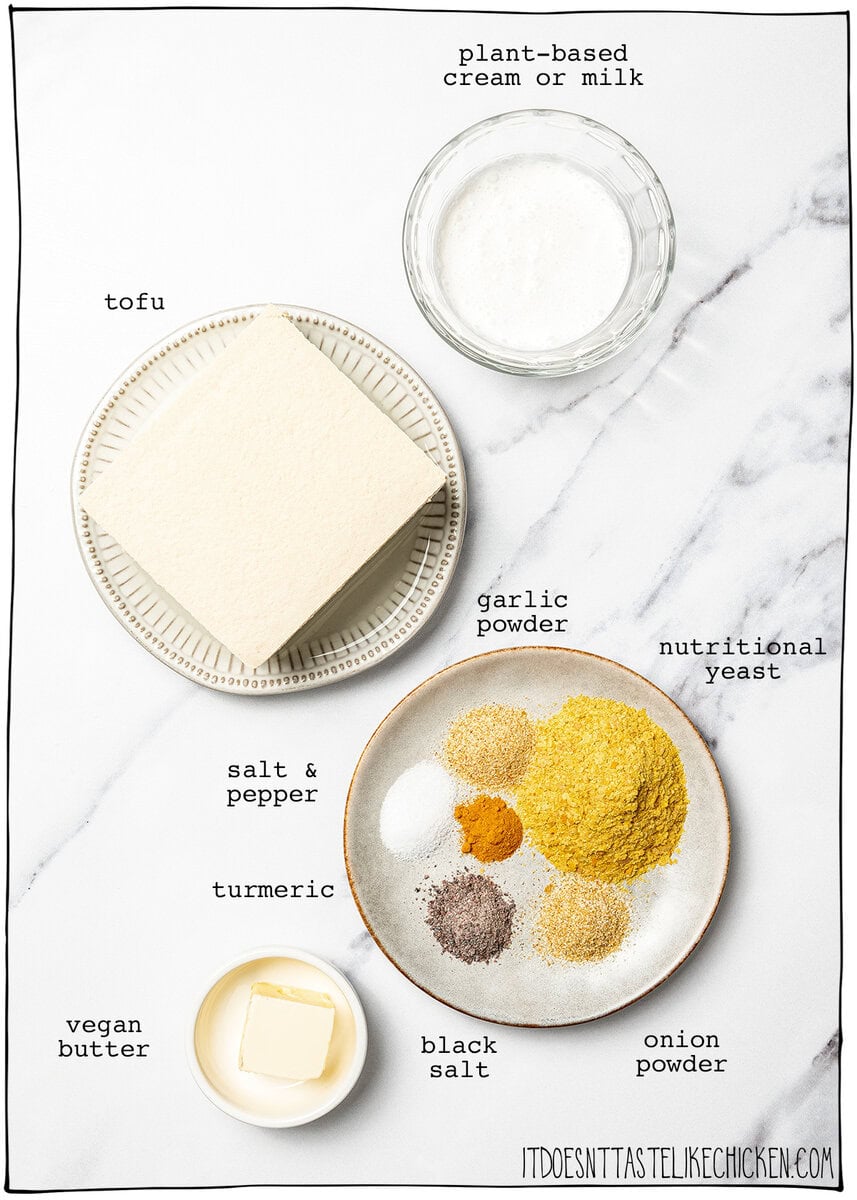
Achieving an authentic "eggy" flavor profile without animal products relies heavily on chemistry and specific pantry staples. While turmeric or nutritional yeast are frequently utilized to impart a golden hue and a subtle, nutty, or savory depth, the definitive secret ingredient in professional vegan kitchens is black salt, known scientifically as kala namak.
Kala namak is a volcanic rock salt mined primarily in regions of the Himalayas and India. Due to its high sulfur content, it emits a distinct aroma and flavor profile that mimics sulfurous compounds found naturally in eggs. When incorporated into a warm tofu scramble, the volatile sulfur compounds activate, tricking the olfactory senses into perceiving a traditional egg dish.
Dietary experts emphasize that while black salt elevates the authenticity of the dish, the base recipe remains deeply adaptable. Standard formulations typically require:
- One block of firm or extra-firm tofu, drained and pressed briefly to remove excess moisture
- A binding agent or seasoning blend, often combining garlic powder, onion powder, and black pepper
- A fat source, such as olive oil, vegan butter, or a splash of vegetable broth for an oil-free alternative
- A coloring agent, such as a pinch of ground turmeric, to achieve the classic golden yellow appearance
Step-by-Step Preparation Methodology
The appeal of the tofu scramble lies largely in its streamlined, one-pan execution, making it accessible to both novice cooks and experienced culinary professionals operating under tight morning schedules.
- Preparation and Drainage: Begin by patting the block of firm or extra-firm tofu dry with a clean kitchen towel or paper towel. While pressing is not strictly necessary for a soft scramble, removing surface moisture allows the tofu to absorb seasonings more effectively.
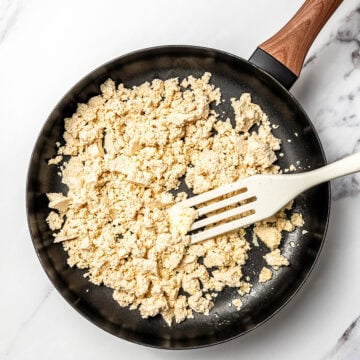
- Crumbing: Using clean hands or a fork, crumble the tofu directly into a bowl or straight into a preheated skillet. Varying the size of the curds—some fine, some chunky—creates a more realistic, organic texture resembling traditional scrambled eggs.
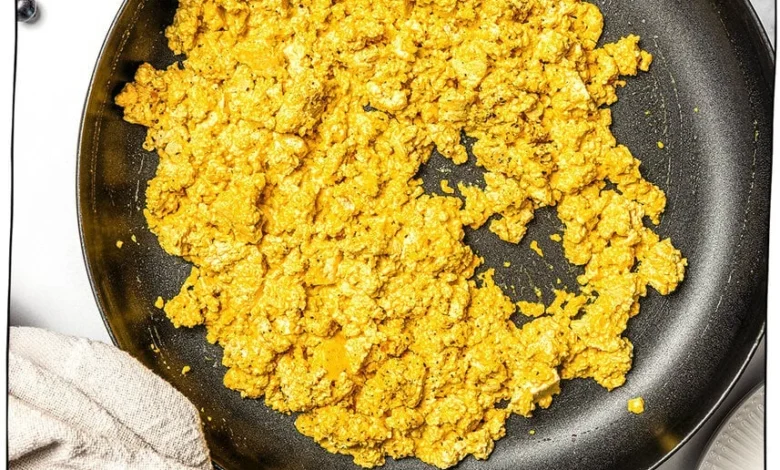
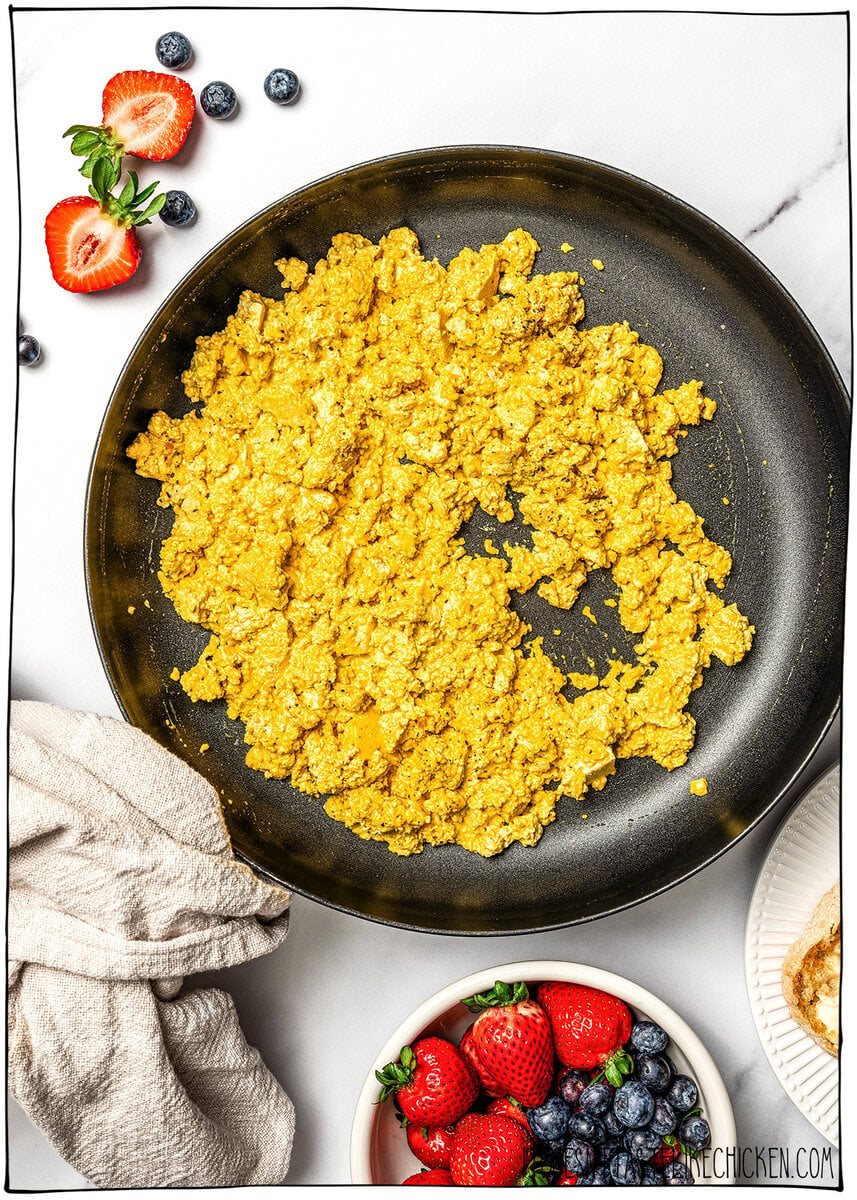
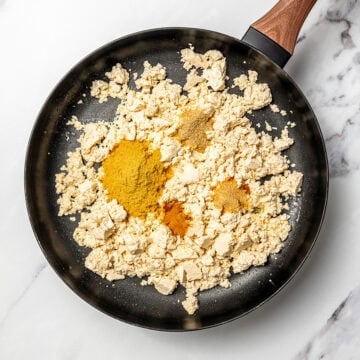
- Sautéing and Seasoning: Heat a skillet over medium heat with a small amount of oil, butter, or vegetable broth. Introduce the crumbled tofu along with the foundational spices: turmeric for color, garlic and onion powder for savory depth, and black pepper. Stir continuously for 5 to 7 minutes to allow the moisture to evaporate and the flavors to meld.
- Final Flavor Infusion: Just before removing the skillet from the heat, sprinkle in the black salt (kala namak). Adding the sulfurous salt at the final stage prevents the volatile aromas from dissipating during prolonged exposure to high heat.
Customization, Regional Variations, and Culinary Pairings
The baseline tofu scramble serves as a blank canvas for regional flavor profiles and seasonal ingredients. Culinary innovators have adapted the dish across various global cuisines:

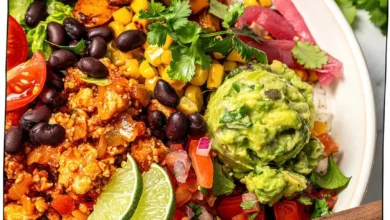
- Southwest Style: Incorporating diced bell peppers, onions, jalapeños, cumin, chili powder, and black beans transforms the dish into a hearty, protein-packed filling suitable for breakfast burritos or grain bowls.
- Mediterranean Style: Folding in chopped tomatoes, kalamata olives, fresh spinach, and oregano introduces bright, acidic notes that complement the neutral flavor of the soy base.
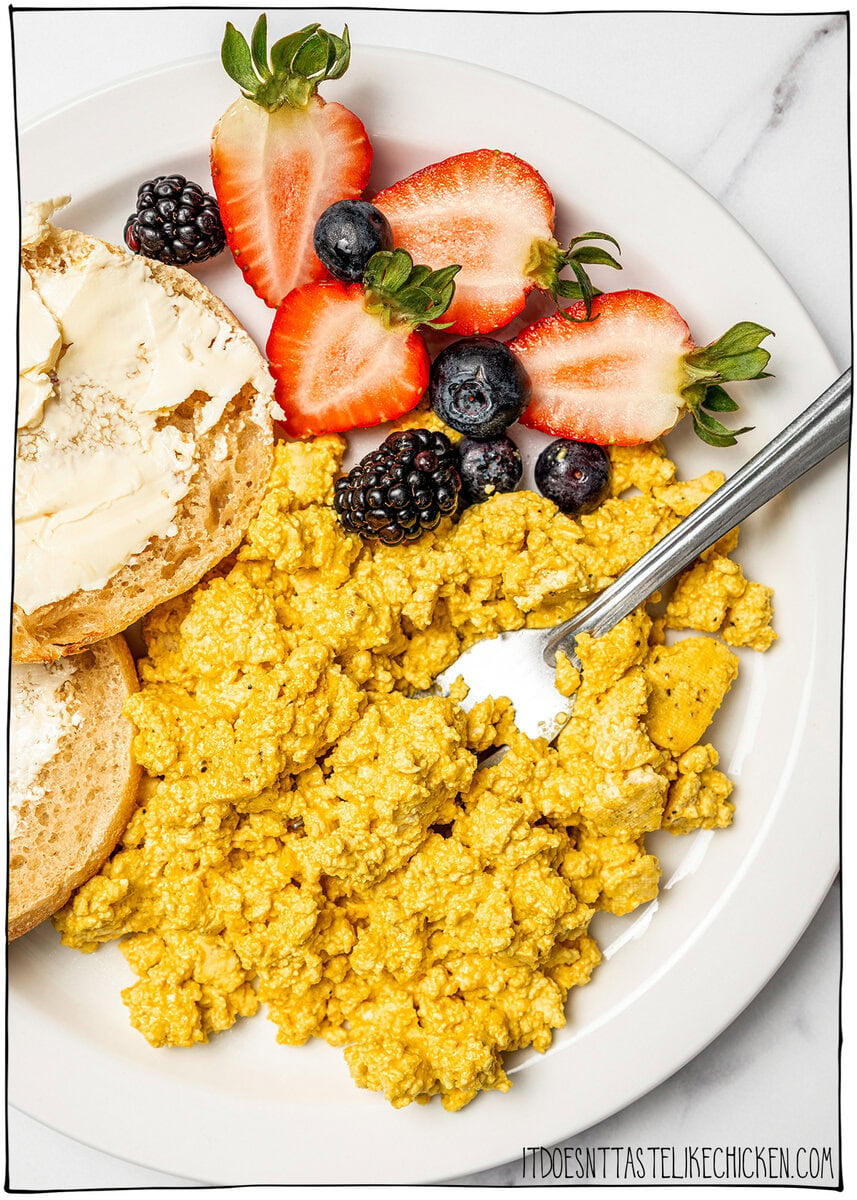
- Classic Diner Style: Pairing the scramble with toasted English muffins, sliced avocados, and fresh seasonal berries replicates the traditional American weekend breakfast experience.
For individuals with specific dietary restrictions, the recipe accommodates a wide array of modifications. It is naturally dairy-free, egg-free, and easily adapted to be gluten-free—provided diners ensure that any accompanying bread or seasonings are certified gluten-free. Furthermore, substituting oil with vegetable broth ensures the dish aligns with low-fat or whole-food, plant-based (WFPB) dietary guidelines.
Storage, Shelf Life, and Food Safety Protocols
As consumer interest in meal prepping grows, the commercial and domestic viability of make-ahead meals has become a central focus of culinary journalism. The tofu scramble exhibits strong durability when stored correctly, making it an efficient option for weekly meal preparation.
According to food safety guidelines, cooked tofu dishes should be transferred to an airtight container once cooled to room temperature and stored in a refrigerator maintained at or below 4 degrees Celsius (40 degrees Fahrenheit). Properly stored, the scramble retains optimal taste, texture, and nutritional integrity for up to three days.
When reheating leftovers, culinary experts recommend utilizing a stovetop skillet over medium-low heat. Because refrigerated tofu can lose some of its initial moisture, adding a tablespoon of water, vegetable broth, or plant-based milk during the reheating process helps restore the soft, fluffy mouthfeel. Alternatively, microwave reheating is viable when covered to prevent excessive drying, though periodic stirring is advised to ensure even temperature distribution.
Market Implications and Future Outlook
The sustained popularity of recipes like the simple tofu scramble underscores a broader shift in modern eating habits. As more households embrace flexitarianism—deliberately reducing meat and dairy consumption without eliminating them entirely—accessible, quick-prep plant-based recipes are moving from niche blogs into mainstream culinary consciousness.
Food industry analysts project that demand for accessible soy-based products and functional seasonings like black salt will continue to rise. By lowering the barrier to entry for plant-based cooking through simple, ingredient-efficient methods, home cooks are empowered to make sustainable dietary choices without sacrificing flavor, convenience, or nutritional value.