The Sustainable Food Trust annual guide to essential films and television series on food and agriculture

As the global food system faces unprecedented scrutiny, a new wave of documentary filmmaking and television programming has emerged, aiming to bridge the gap between complex industrial agricultural practices and the consumer’s dinner plate. The Sustainable Food Trust (SFT) has curated a selection of critical works for the year ahead that interrogate the intersection of public health, environmental stewardship, and the economics of modern farming. These features, ranging from primetime health investigations to intimate portraits of regenerative agriculture, provide a comprehensive look at the state of food production today.
The Rise of Ultra-Processed Food (UPF) Investigations
The contemporary discourse on nutrition has shifted significantly toward the impact of ultra-processed foods (UPFs). Recent data from the British Medical Journal indicates that UPFs now account for over 50% of the average daily caloric intake in the United Kingdom, a figure that correlates with the rising prevalence of metabolic diseases.

The documentary series What Not to Eat, directed by Mickey Bishop, serves as a focal point for this public health concern. Through the guidance of Dr. Tim Spector and GP Dr. Kandi Ejiofor, the series documents the physiological and behavioral shifts in four UK families transitioning from UPF-heavy diets to whole-food alternatives. The series functions as a longitudinal observation of dietary change, documenting the challenges of breaking dependency on hyper-palatable, manufactured goods.
Complementing this is Liam Royales’ Protein: Everything You Need to Know. This production addresses the marketing phenomenon known as "protein washing," where manufacturers attach health claims to products that often contain high levels of sugar and additives. The programme provides a sobering analysis of the "protein industry," now valued at approximately £20 billion, highlighting the disparity between the nutritional value of synthetic additives and whole-food sources like legumes and seeds. Expert testimony from figures such as Dr. Rupy Aujla reinforces the necessity of "food synergy"—the concept that nutrients are most effective when consumed in their natural, unprocessed matrices rather than isolated, lab-manufactured forms.
Agricultural Conflict and the Shift Toward Rewilding
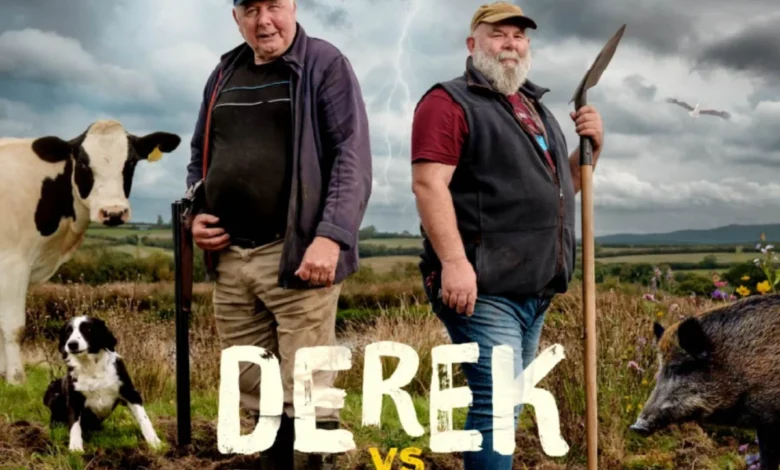
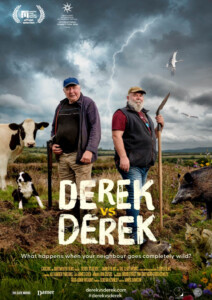
The tension between intensive industrial farming and ecological restoration is expertly captured in James Dawson’s Derek vs Derek. The film follows two Devon-based landowners, Derek Banbury and Derek Gow, who represent the ideological divide in modern British land management.

Banbury, representing a long-standing tradition of intensive dairy farming, advocates for the necessity of high-yield production to meet global food security demands. Conversely, Gow, a former sheep farmer, has transitioned his acreage into a sanctuary for endangered species and rewilding initiatives. The film avoids a simplistic "good vs. bad" narrative, instead presenting a nuanced look at the motivations behind these divergent philosophies.
This documentary provides a critical case study for policymakers tasked with implementing the Environmental Land Management schemes (ELMs). As the UK government moves toward "public money for public goods," the debate between maintaining food output and fostering biodiversity has become a central point of contention. Derek vs Derek offers a human-centric lens on this policy shift, premiering at the Sheffield DocFest, a venue long recognized for its focus on social and environmental issues.
The Philosophy of Harmony in Land Stewardship
A broader, more historical perspective on agricultural policy is found in Finding Harmony: A King’s Vision, directed by Nicolas Brown. The film chronicles the decades-long advocacy of King Charles III regarding organic farming and the necessity of integrating nature into economic models.
The documentary highlights the evolution of Highgrove House as a laboratory for organic practices, tracing the trajectory from early public skepticism toward the King’s "radical" methods to the eventual mainstream adoption of regenerative principles. The "Harmony Principles," a framework championed by the King, emphasize the interconnectedness of natural systems. Patrick Holden, CEO of the Sustainable Food Trust, appears in the film to contextualize the King’s early interventions against the backdrop of post-war industrial agricultural intensification. The film frames the King’s work not merely as a royal hobby, but as a sustained effort to influence global agricultural standards, exemplified by the development of the Duchy Originals brand and the expansion of the King’s Foundation’s reach.
Small-Scale Resilience and the Economic Reality of Farming
While macro-level policies are essential, the ground-level realities of small-scale farming remain volatile. Christopher Baker’s film Flourish provides an unflinching look at the economic pressures faced by independent producers.
The film centers on Calixta Killander, the founder of the award-winning Flourish Produce farm in South Cambridgeshire. Despite receiving accolades such as the BBC Best Food Producer 2025 award, the film portrays the precarious nature of the business. By documenting staff meetings where the reality of financial deficits and workforce reduction is discussed, Flourish demystifies the romanticized image of small-scale farming. It serves as a vital reminder that while regenerative farming offers significant environmental benefits, the economic infrastructure required to support these farms remains fragile.

Analytical Overview and Implications
The collective message of these productions is clear: the current trajectory of the food system is unsustainable. The data presented across these works suggests three primary areas for systemic reform:
- Transparency in Labeling: The findings in Protein: Everything You Need to Know suggest that current consumer protection regulations regarding health claims are insufficient, necessitating stricter oversight of the "high-protein" labeling industry.
- Land Use Reconciliation: As evidenced by Derek vs Derek, there is an urgent need for mediation between intensive food producers and rewilding advocates to ensure that national food security does not come at the total expense of ecological health.
- Economic Support for Regenerative Models: The narrative in Flourish underscores that without structural financial support—such as fair pricing for local produce and subsidies for ecological services—small-scale farms cannot survive market fluctuations, regardless of their environmental efficacy.
Conclusion and Viewing Access
These films represent a growing body of "food literacy" media. By moving beyond traditional agricultural reporting, these directors are forcing a mainstream conversation about what we consume, how it is produced, and who benefits from current market structures.
For those looking to engage with these topics:

- What Not to Eat and Protein: Everything You Need to Know are currently available for streaming on the Channel 4 platform.
- Derek vs Derek is screening at Sheffield DocFest on June 12, with further regional screenings expected.
- Finding Harmony: A King’s Vision is accessible via Amazon Prime.
- Flourish is currently in its limited release phase, with updates on distribution available through the production’s official social media channels.
As these productions demonstrate, the path toward a more sustainable future is not merely a matter of scientific innovation but of public awareness and the willingness to challenge long-standing dietary and agricultural habits. The call to "interrogate your food," as emphasized by the SFT contributors, is perhaps the most significant step a consumer can take in the year ahead.
Related posts: