Easy Sloppy Joes: The Culinary Evolution of a Classic American Weeknight Staple

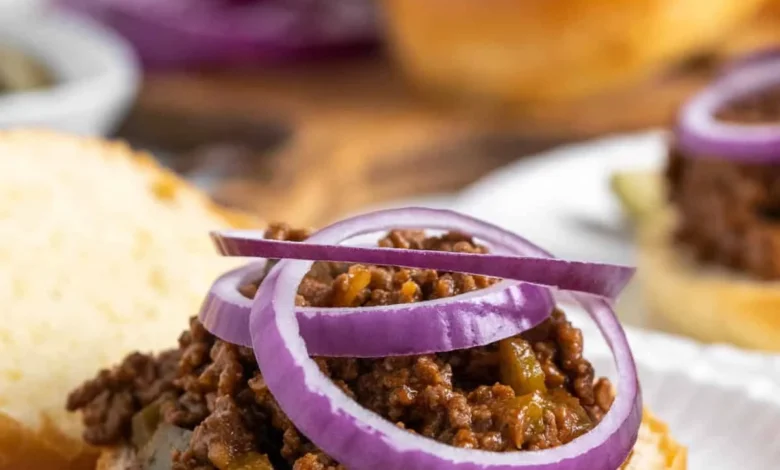
The Sloppy Joe, a cornerstone of American comfort food characterized by its loose, ground-meat mixture served on a bun, remains one of the most enduring examples of quick-service home cooking. While the modern consumer is often presented with shelf-stable canned alternatives—the most recognizable being the Manwich brand—a growing culinary movement is shifting toward scratch-made versions. This shift is driven by a desire for ingredient transparency, reduced sodium levels, and the versatility of customizing flavor profiles. The "Easy Sloppy Joe" recipe represents this movement, stripping away industrial preservatives in favor of fresh onions, peppers, and a base of aromatics that can be prepared in approximately 25 minutes.

Historical Context and Development
The origins of the Sloppy Joe are often debated among food historians, though the consensus points to a mid-20th-century American evolution of the "loose meat sandwich." Historically, the dish is traced back to the 1930s in Sioux City, Iowa, where a cook named Joe at a local café allegedly added tomato sauce to a standard loose meat sandwich. This improvisation transformed the dry, crumbly meat sandwich into a cohesive, saucy meal that was both economical and efficient to serve.
By the 1940s and 1950s, as the American suburban lifestyle accelerated, the need for time-efficient meals became paramount. The introduction of canned tomato-based sauces in the 1960s cemented the Sloppy Joe’s place in school cafeterias and family kitchens across the United States. However, the reliance on these canned products often introduced high-fructose corn syrup and excessive sodium. The current trend of preparing the dish from scratch represents a return to the foundational technique of the 1930s, prioritizing quality ground beef, fresh bell peppers, and a balance of vinegar and sugar to achieve the signature sweet-and-tangy profile.

Culinary Composition and Nutritional Analysis
A standard homemade Sloppy Joe relies on a specific chemical balance between acidity and sweetness. In this recipe, the foundation is established by browning high-quality ground beef—typically an 80/20 or 85/15 fat ratio—with diced onions and peppers. The integration of peppers provides a textural contrast and a subtle vegetal sweetness that is often lacking in canned versions.
The sauce is composed of several key components:

- The Acid Base: Ketchup serves as the primary thickening agent and sweetener, while apple cider vinegar provides the necessary sharpness to cut through the richness of the beef.
- Umami Depth: Worcestershire sauce and soy sauce provide a complex, savory backbone that elevates the dish beyond simple tomato-sugar sweetness.
- Aromatics and Spices: The inclusion of chili powder and cumin introduces a mild, smoky earthiness. Hot sauce is frequently added to provide a nuanced heat that can be scaled depending on consumer preference.
Nutritionally, a single serving of a homemade Sloppy Joe typically yields approximately 360 calories, 30 grams of protein, and 43 grams of carbohydrates, largely derived from the bun. When prepared at home, the sodium content is significantly easier to control compared to the estimated 500–800mg of sodium found in a single half-cup serving of many commercial canned sauces.
Chronology of Preparation
The efficiency of the homemade Sloppy Joe is predicated on a streamlined cooking process that eliminates the need for complex, multi-step preparations. A typical preparation timeline follows this trajectory:

- Preparation Phase (0–5 minutes): Mincing fresh aromatics and gathering pantry staples such as Worcestershire sauce, soy sauce, and dry spices.
- Browning Phase (5–12 minutes): Cooking the ground beef in a skillet alongside the onions and peppers until the meat is fully browned and the vegetables have softened. The drainage of excess fat at this stage is crucial to ensure the final product is not overly greasy.
- Simmering Phase (12–22 minutes): Adding the sauce components and allowing the mixture to reduce. This is the most critical stage; the goal is to evaporate enough liquid to create a thick, clingy consistency rather than a soup-like texture.
- Service Phase (22–25 minutes): Toasting the hamburger buns to provide a structural barrier against the moisture of the meat mixture, preventing the sandwich from becoming soggy during consumption.
The Impact of Customization and Flexibility
One of the primary advantages of the scratch-made approach is the ability to adapt the recipe to dietary requirements and preferences. For instance, the transition from beef to ground turkey or chicken is a seamless substitution, provided the cook accounts for the lower fat content of poultry by adding a small amount of oil to the pan. Furthermore, the "spiciness" of the dish is entirely modular. By reducing the hot sauce or substituting it with smoked paprika, the dish becomes accessible to younger palates, while an increase in chili flakes or cayenne can cater to those seeking a more robust heat.
The addition of cheese—often cheddar, American, or provolone—serves as a functional, as well as a flavor-enhancing, addition. Placing the cheese on the bottom bun before adding the hot meat mixture creates an insulating layer, ensuring that the cheese melts evenly without requiring an additional heating step.

Broader Implications for Home Cooking
The shift toward recipes like this "Easy Sloppy Joe" reflects a broader trend in domestic food consumption. Data from grocery retail analysts suggest that consumers are increasingly seeking "semi-scratch" cooking solutions—methods that utilize basic, whole-food ingredients but require minimal active labor. This approach offers a middle ground between the convenience of ultra-processed food and the time-intensive nature of traditional gourmet cooking.
Furthermore, the longevity of the Sloppy Joe as a freezer-friendly meal adds to its utility in modern households. Because the meat mixture freezes exceptionally well, it serves as an ideal candidate for "batch cooking," where families prepare double quantities to preserve for future use. This practice reduces food waste and ensures that a nutritionally balanced meal is available during high-demand weeknights.

Expert Guidance and Best Practices
To ensure a high-quality result, culinary experts often emphasize three key technical points:
- The Simmering Threshold: A common error is removing the mixture from the heat too early. The meat must simmer until the sauce is reduced to a point where it adheres to the meat. If the mixture is too watery, the structural integrity of the bun will fail.
- Toasting Technique: A untoasted bun is prone to absorption of the sauce. Toasting the bread with a light layer of butter or oil creates a crisp surface that maintains its texture under the weight of the meat.
- Storage and Reheating: When reheating leftovers, the mixture often thickens significantly due to the gelatinization of the meat proteins and the reduction of the sugars. Adding a tablespoon of water or beef broth during the reheating process can restore the original, desired consistency without diluting the flavor.
In summary, the Easy Sloppy Joe remains a vital component of the American culinary repertoire. By moving away from canned alternatives and embracing a simple, scratch-made approach, home cooks can produce a meal that is superior in flavor, more nutritionally dense, and perfectly suited to the demands of a contemporary schedule. Whether served as a staple weeknight dinner or adapted for specialized seasonal events, the dish demonstrates that simple, high-quality ingredients, when combined with proper technique, can sustain a classic meal for generations.