Moving Beyond Practices: Why Regenerative Agriculture Success is Defined by Outcomes

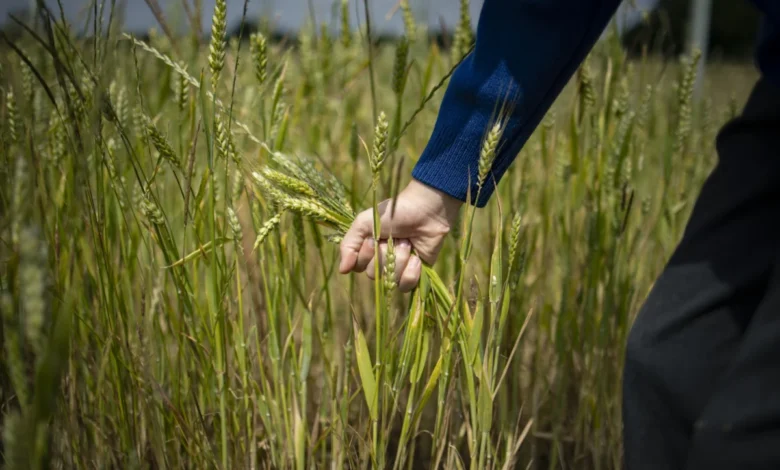
The transition toward regenerative agriculture represents a fundamental shift in how the global food system perceives land management, moving away from prescriptive checklists toward a holistic, outcomes-based framework. While regenerative agriculture has long been discussed in terms of five core principles—minimizing soil disturbance, keeping the soil covered, maintaining living roots, integrating livestock, and maximizing crop diversity—experts are increasingly arguing that these practices are merely tools, not the goal. The launch of the Regen10 Outcomes Framework marks a critical juncture in this evolution, providing a standardized, globally co-developed language to measure the tangible impacts of farming on climate, nature, and human well-being.
The Shift from Prescriptive Methods to Measurable Impact
For years, the discourse surrounding regenerative agriculture focused heavily on specific "best practices." However, the limitations of this approach have become apparent. A farm in the arid plains of sub-Saharan Africa faces a vastly different set of ecological and economic pressures than a mixed-arable farm in the temperate climate of Cornwall, UK. Attempting to force both systems into a uniform set of operational protocols risks failure; a practice that yields success in one context may prove counterproductive in another.
The emergence of the Regen10 Outcomes Framework—a project spearheaded by a diverse coalition of farmers, conservationists, and policymakers—seeks to reconcile this by focusing on what the land actually delivers. By prioritizing outcomes such as improved soil organic matter, increased biodiversity, and enhanced water cycle efficiency, the framework empowers farmers to use their site-specific expertise to determine the best way to achieve these goals.
A Chronology of the Regenerative Movement
The intellectual roots of this movement trace back decades, but the momentum shifted significantly during the 2020 pandemic. As global supply chains faced unprecedented stress, the fragility of the industrial food system was laid bare.
- 2015-2019: The "4per1000" initiative gained international attention at COP21, highlighting the potential for soil carbon sequestration to mitigate climate change. This period saw a surge in academic and policy interest in soil health as a climate solution.
- 2020-2021: The Covid-19 pandemic acted as an accelerant. Local food networks in the UK and globally demonstrated resilience, proving that localized, smaller-scale, and regenerative systems could maintain stability when global logistics collapsed.
- 2022: The Global Farm Metric (GFM) began to gain traction as a tool for creating a common language for farm-level measurement, providing the foundational data structures that would eventually inform broader frameworks.
- 2023-2024: The formalization of the Regen10 Outcomes Framework occurred, representing a synthesis of feedback from global summits, including discussions at the Groundswell Festival. This period marked the transition from fragmented pilot programs to a unified global standard.
Data and Environmental Implications
The scientific argument for an outcome-based approach is supported by growing datasets regarding ecosystem services. According to data from the 4per1000 initiative, increasing soil organic matter by just 0.4% annually could theoretically offset a significant portion of global anthropogenic greenhouse gas emissions. However, these data points are meaningless without a consistent method of tracking them across different soil types and management systems.
The Regen10 framework addresses this by aligning with existing global standards, such as the Sustainable Development Goals (SDGs) and the Global Biodiversity Framework (GBF). By anchoring agricultural metrics to these internationally recognized pillars, the framework provides a bridge between the farm gate and international policy. This alignment is crucial for the financial sector; institutional investors are increasingly looking for ESG-compliant agricultural investments, and they require standardized, transparent data to verify that "regenerative" claims translate into real-world environmental improvements.
Expert Perspectives on Systemic Change
Olivia Boothman, Projects Manager at the Global Farm Metric, emphasizes that the primary challenge in this sector has been the alignment of disparate stakeholders. "Farmers, businesses, policymakers, and NGOs often come at these challenges from completely different angles," Boothman notes. By establishing a shared vision of success, the framework reduces friction.
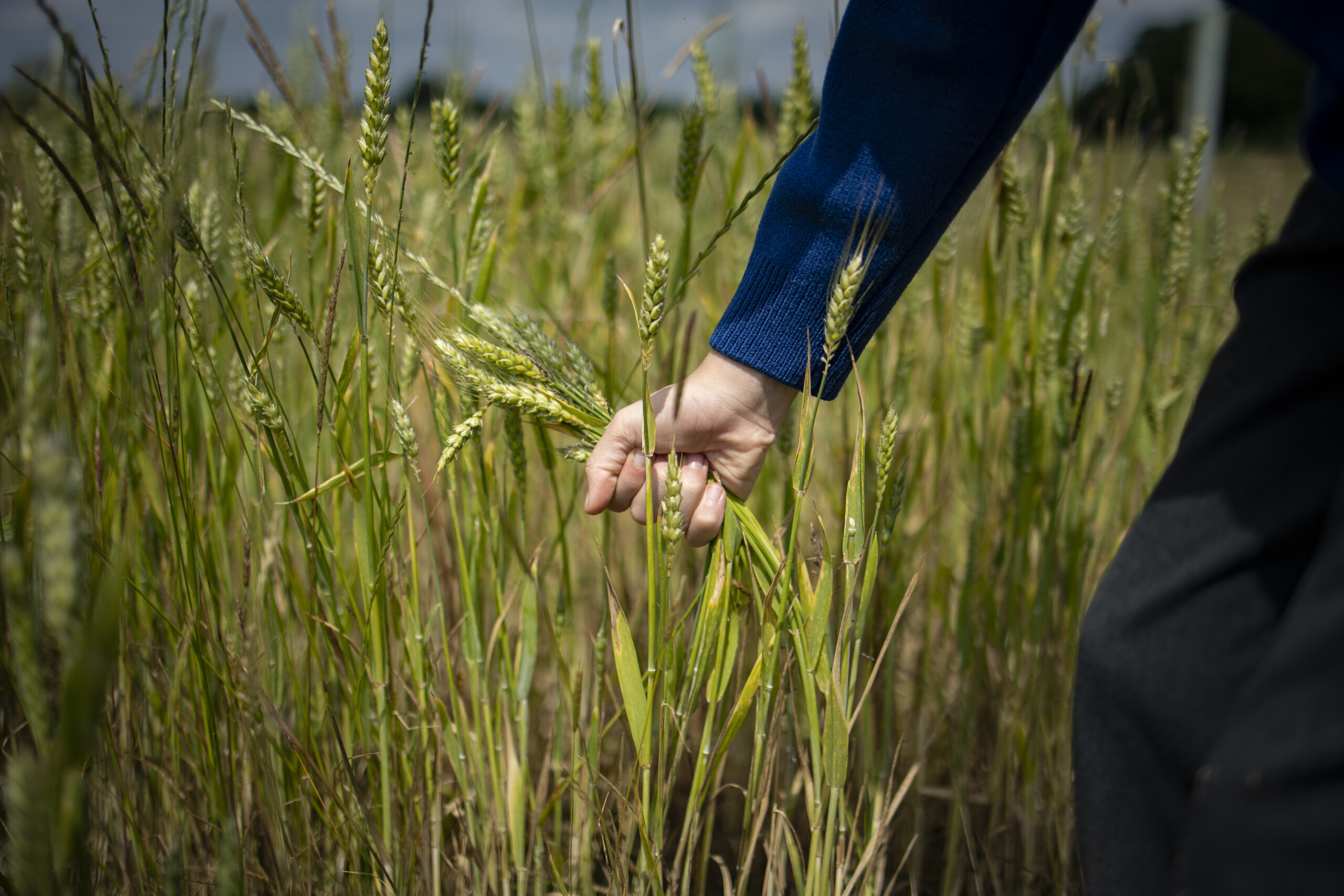
From an industry perspective, organizations like the Sustainable Food Trust have argued that the current reliance on "yield per hectare" as the primary metric of farming success is insufficient. By incorporating health, social equity, and economic prosperity into the definition of a "successful" farm, the industry is moving toward a more comprehensive valuation model. Critics, however, have historically pointed to the "greenwashing" risk—where companies might claim regenerative practices without proving outcomes. The Regen10 framework acts as a safeguard against this by mandating that claims be backed by observable, measurable progress in ecological and social health.
Broader Economic and Social Impacts
The move toward outcome-based agriculture has profound implications for rural economies. When farmers are incentivized to steward their land for long-term ecological outcomes rather than short-term yield optimization, the economic profile of the farm changes.
- Risk Mitigation: Diverse, regenerative systems are often more resilient to extreme weather events, reducing the need for costly external inputs like synthetic fertilizers and pesticides.
- Community Reconnection: Models such as Community Supported Agriculture (CSA) are gaining prominence, as they share the risks and rewards of production between the producer and the consumer, effectively shortening the supply chain.
- Policy Shifts: Governments are beginning to rewrite subsidy programs. For instance, the transition from direct payments to "public money for public goods" in the UK is a clear policy manifestation of the outcomes-based philosophy, where farmers are rewarded for sequestering carbon and supporting biodiversity rather than simply for the area of land they own.
Analysis: The Challenge of Implementation
Despite the clear benefits, the transition to an outcomes-based paradigm is not without hurdles. The primary challenge remains the cost and complexity of data collection. Smallholder farmers, particularly in the Global South, may find the requirement for rigorous measurement and verification onerous.
To ensure the framework remains equitable, industry leaders suggest that technology—such as satellite imagery, remote sensing, and low-cost soil testing kits—must be democratized. Furthermore, the financial burden of this transition should not fall solely on the farmer. Value chains must evolve to provide "outcome payments," where retailers and consumers pay a premium for food produced in systems that demonstrably restore the environment.
Future Outlook
Regenerative agriculture is not a static destination; it is a process of continuous improvement. By focusing on outcomes, the sector acknowledges that there is no "fully regenerative" farm that stops evolving. Instead, the focus shifts to the trajectory of improvement: Is the soil health trending upward? Is the local biodiversity index increasing? Are the livelihoods of the farming community becoming more secure?
The Regen10 Outcomes Framework serves as a compass for this journey. By providing a common language that transcends geography, it creates the accountability necessary to scale these practices globally. As the global food system faces the dual pressures of a changing climate and a growing population, the ability to define, measure, and verify the benefits of regenerative agriculture will determine whether this movement remains a niche pursuit or becomes the foundation of a resilient, global food future.
The integration of the Global Farm Metric’s foundational research into the broader Regen10 vision signals a maturing industry. It is no longer enough to claim a farm is "sustainable" based on a list of techniques; the future of agriculture demands evidence of the outcomes those techniques produce. In the coming decade, the success of this transition will be measured by the ability of stakeholders—from the farm level to the boardroom—to adopt these metrics and hold themselves accountable to the land and the people who rely upon it.