The quest for the quintessential American comfort food often leads to the same destination: a robust, slow-simmered pot of beef chili. While culinary interpretations vary wildly across the United States—from the bean-less bowls of Texas to the Cincinnati-style variations served over spaghetti—the classic red chili remains a staple of domestic cooking. Recent analysis into home-cooking trends indicates that traditional beef-and-bean recipes are experiencing a resurgence in popularity as households seek budget-friendly, high-protein, and freezer-stable meal solutions during periods of economic volatility.
The Evolution of the Classic Chili Pot
Chili con carne, as it is formally known, traces its roots to the late 19th-century American Southwest. Initially popularized as a low-cost meal for working-class populations in San Antonio, Texas, the dish was essentially a stew of meat, chili peppers, and local spices. Over the decades, the recipe underwent a transition from a regional specialty to a national phenomenon, particularly following the 1893 World’s Columbian Exposition in Chicago, where the "San Antonio Chili Stand" introduced the dish to a broader audience.
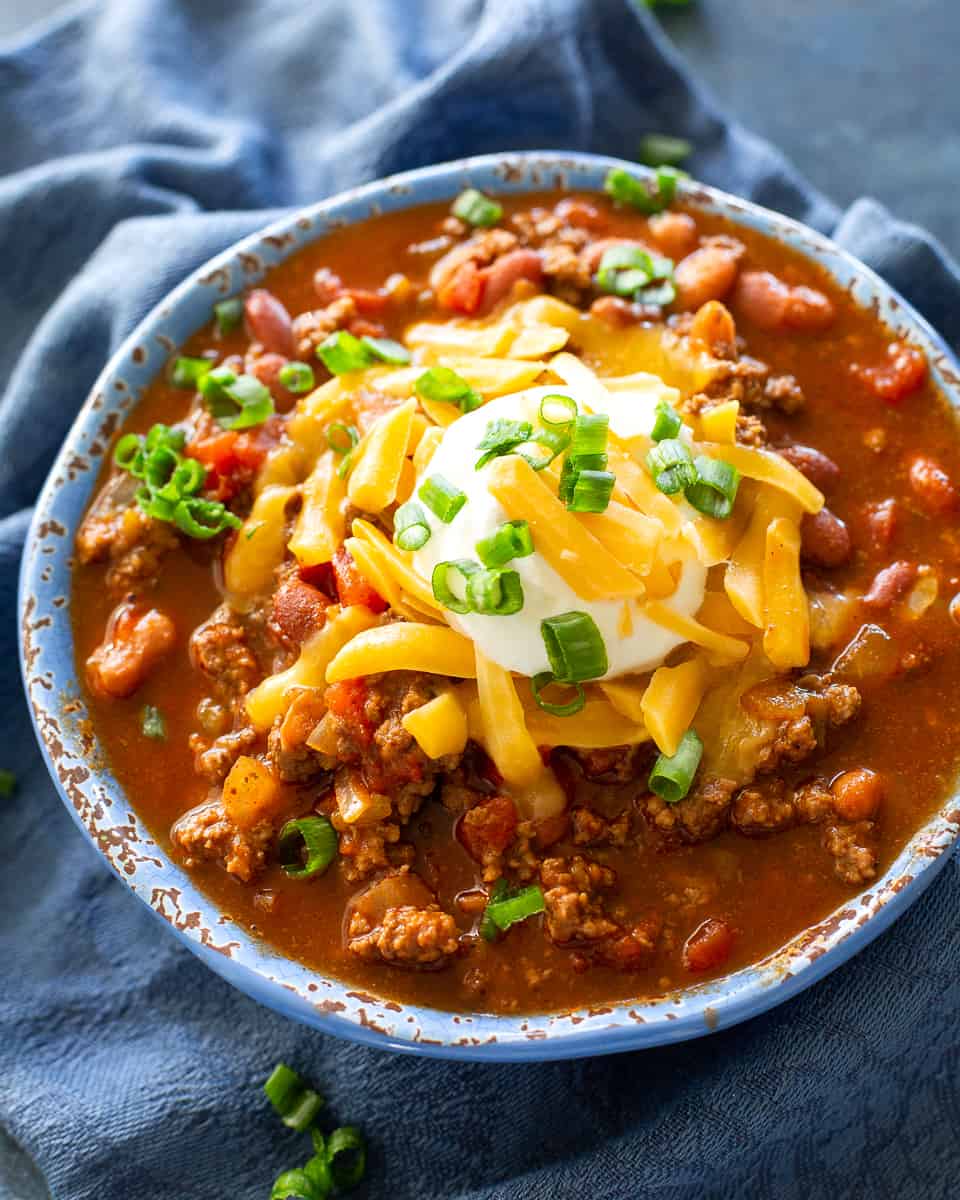
Today’s standard interpretation of the dish—which typically incorporates ground beef, kidney and pinto beans, and a tomato-based broth—has become a cornerstone of American culinary heritage. The versatility of the dish allows it to be prepared in a variety of kitchen environments, from industrial stovetops to the ubiquitous slow cooker, which has become a primary tool for home cooks looking to maximize flavor development through prolonged heat exposure.
Technical Culinary Considerations and Ingredient Science
A significant debate currently exists within the culinary community regarding the preparation of canned beans, a primary component of the classic chili. Conventional wisdom has long suggested that rinsing canned beans under cold water is a necessary step to remove excess sodium and starchy residue. However, modern culinary research, including insights from organizations like America’s Test Kitchen, suggests that this practice may be counterproductive to the final texture of the stew.
The liquid contained within canned beans—often referred to as aquafaba in vegan culinary circles—contains starches that, when heated, act as a natural thickening agent. By incorporating the liquid directly into the chili, cooks can achieve a velvety, cohesive consistency without the need for additional flour-based thickeners or excessive reduction. This scientific approach to ingredient management has implications for both flavor depth and nutritional profile, as the starch serves to emulsify the spices and meat juices into a cohesive, savory sauce.
Nutritional Profile and Dietary Implications
From a nutritional standpoint, a standard serving of beef and bean chili provides a dense concentration of macronutrients. Data analysis of a typical 12-serving batch reveals that this meal serves as a significant source of complete proteins, provided by the synergy between the bovine muscle tissue and the legumes.
While the caloric density of a standard serving is approximately 147 kilocalories, this figure varies based on the fat content of the beef used (e.g., 80/20 vs. 90/10 lean-to-fat ratios). Furthermore, the inclusion of pinto and kidney beans significantly increases the dietary fiber content, which contributes to improved glycemic control compared to meat-only dishes. The presence of minerals such as iron and potassium, combined with the antioxidants found in chili powder, paprika, and cumin, positions the dish as a balanced, albeit hearty, nutritional choice.
Economic and Logistical Impact
The enduring popularity of this recipe is inextricably linked to its logistical efficiency. In a modern landscape where time is a premium commodity, the ability to produce a meal that yields 12 servings—and remains shelf-stable in a freezer for up to three months—is a significant economic advantage for families.
Data from consumer research firms suggest that "batch cooking" or "meal prepping" is a primary driver for the continued purchase of pantry staples like canned beans and dried spices. The classic chili recipe serves as a model for this trend. Because the chemical compounds responsible for the dish’s flavor—such as capsaicin from the peppers and various volatile oils from the aromatics—continue to meld and stabilize during cooling and reheating, the dish often improves in flavor profile after its initial preparation. This "aging" process is a well-documented phenomenon in food science, where the breakdown of proteins and the infusion of spices into the meat fibers enhance the sensory experience upon consumption.
Best Practices for Preparation and Serving
Professional chefs emphasize that the key to a superior chili lies in the "melding period." A short simmer may result in a soup-like consistency where the ingredients remain distinct and somewhat separated. Conversely, a longer, low-heat simmer allows the starches from the beans and the fats from the beef to integrate with the tomato base, creating a homogeneous sauce.
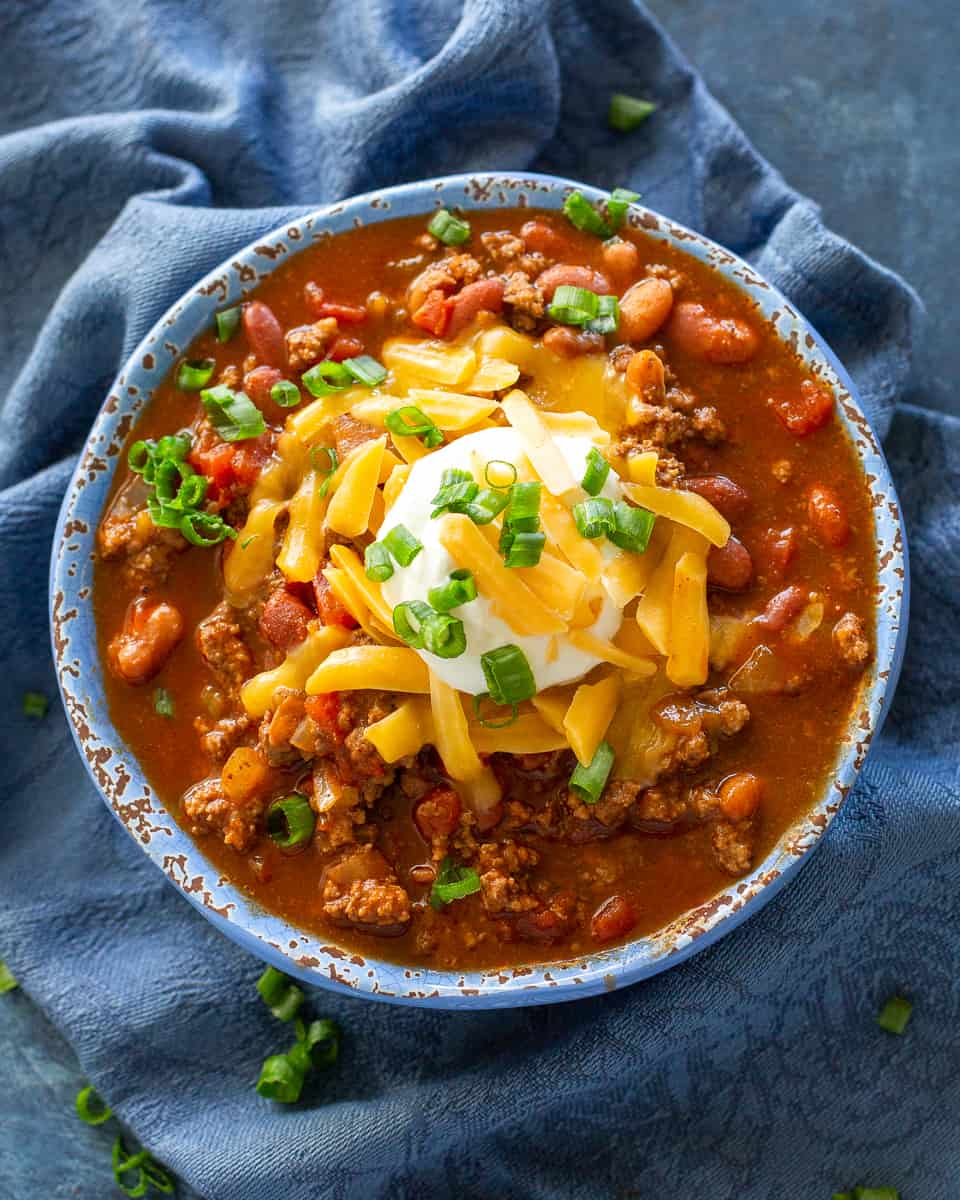
To elevate the dish, garnish strategies have evolved to provide textural contrast. While the base of the chili is soft and stew-like, the addition of crisp elements—such as diced raw onions, fresh cilantro, or jalapeños—provides a necessary sharp, refreshing note to offset the heaviness of the meat. Dairy, in the form of sour cream or shredded cheddar, acts as a pH balancer, cutting through the acidity of the tomatoes and the heat of the chili peppers, thereby creating a more rounded flavor profile on the palate.

Broader Implications for Home Cooking
The persistence of the classic chili recipe in the face of rapidly changing culinary trends speaks to the importance of "heirloom" recipes in contemporary life. While fusion cuisine and high-tech culinary gadgets dominate food media, the fundamental mechanics of the beef-and-bean chili remain unchanged. This consistency provides a sense of psychological comfort and reliability.
Furthermore, the environmental implications of this dish are worth noting. By utilizing shelf-stable legumes and utilizing the entirety of the can—including the liquid—home cooks minimize food waste. The ability to utilize lower-cost cuts of beef, which are often tenderized through the slow-cooking process, also aligns with broader efforts to promote sustainable meat consumption by utilizing parts of the animal that might otherwise be discarded or repurposed into lower-value products.
Conclusion
The classic beef chili stands as a testament to the effectiveness of traditional cooking methods. Through the careful selection of ingredients, an understanding of the chemistry behind bean starches, and the application of slow-cooking techniques, the dish remains a cornerstone of the American diet. As households continue to navigate the demands of modern living, the reliance on recipes that offer high nutritional yield, long-term storage capability, and a proven track record of consumer satisfaction ensures that the pot of chili will remain a permanent fixture in the culinary landscape for generations to come. Whether served alongside traditional cornbread or modified with contemporary toppings, the dish serves as a reliable anchor in the ever-shifting sea of global gastronomy.