Orders.co Launches AI Menu Migration for GloriaFood Restaurants Ahead of March 2027 Shutdown

The landscape of independent restaurant technology is bracing for a significant shift as the March 31, 2027, sunset date for the GloriaFood platform approaches. With Oracle, which acquired the ordering system in 2021, officially ceasing support and new registrations, thousands of small-to-medium-sized dining establishments face the urgent challenge of migrating their digital storefronts to avoid service interruptions. In response to this industry-wide transition, Orders.co, a Los Angeles-based restaurant technology firm, has introduced an artificial intelligence-driven migration workflow designed to automate the reconstruction of complex digital menus and ordering systems.
The necessity of this tool arises from the technical complexity inherent in restaurant digital menus. Unlike simple retail catalogs, restaurant menus function as relational databases. A standard pizza menu item, for instance, requires intricate logic—size-based pricing, crust selection, topping categories, and granular modifier rules that dictate how an order is assembled. When restaurants move from one platform to another, the risk of data corruption is high. If a system fails to recognize the difference between a static text description and an actionable modifier, the result is often a broken ordering experience that confuses customers and disrupts kitchen operations.
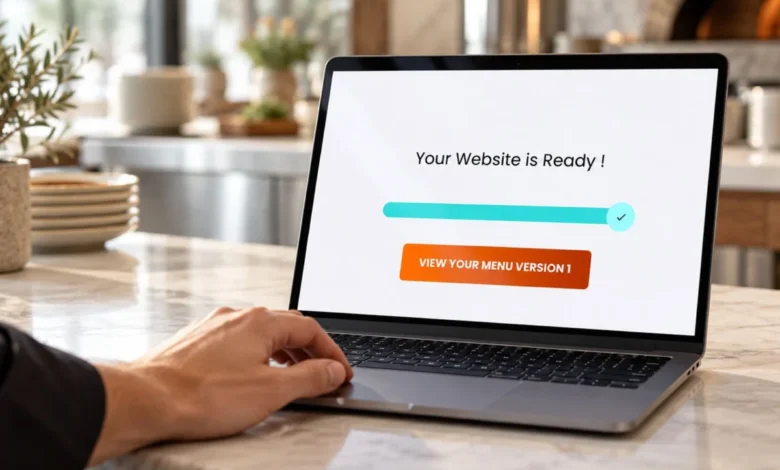
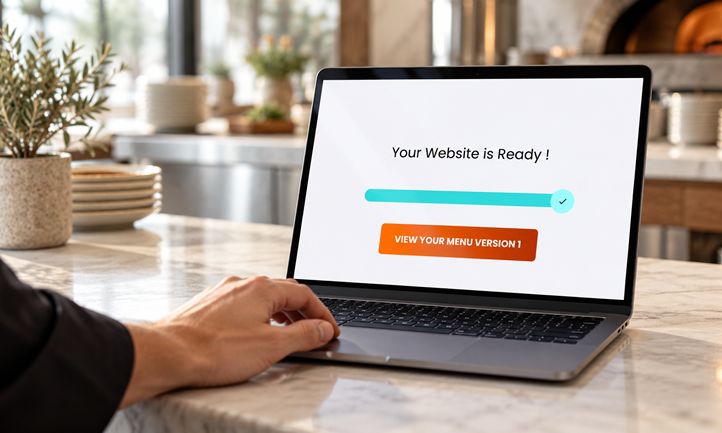
The migration tool developed by Orders.co addresses this by scanning existing GloriaFood URLs to extract, interpret, and map data into a new, functional environment. The system identifies categories, item descriptions, price points, and, most importantly, the underlying modifier logic that defines custom order fulfillment. This process, which can be completed in under 30 seconds for an initial build, serves as a bridge for operators who lack the technical expertise or the time to manually re-enter hundreds of menu items and their associated constraints.
The Chronology of the GloriaFood Transition
The impending shutdown is the culmination of a multi-year consolidation strategy by Oracle. Following the 2021 acquisition of GloriaFood, the tech giant began integrating various components of its hospitality portfolio, eventually moving toward the retirement of the standalone GloriaFood product.
For many independent restaurant operators, GloriaFood served as a foundational entry point into online ordering. Its ease of use and accessibility allowed small shops to compete with larger chains without the heavy commission fees associated with third-party delivery marketplaces. However, as the March 2027 deadline nears, these operators are finding themselves in a race against time. The transition is not merely a matter of moving a website; it is an infrastructure migration that impacts point-of-sale (POS) integration, payment processing, and customer data management.
By late 2026, industry analysts noted a significant uptick in inquiries regarding migration pathways. Restaurants utilizing legacy systems often struggle with the "flat file" problem, where importing data from one system to another strips away the "logic" of the menu. Without the specialized AI-assisted mapping that Orders.co and similar developers are now providing, many operators would be forced to rebuild their menus manually—a process that can take weeks of administrative labor, potentially leading to lost revenue during the transition phase.
Technical Implications of Menu Migration
The primary hurdle in digital menu migration is the preservation of modifier logic. In the food service industry, "logic" refers to the rules governing order customization. For example, a restaurant may allow a customer to select up to three toppings for free, with additional toppings incurring a specific surcharge. Furthermore, many modern pizzerias use "half-and-half" configurations that require the system to split price calculations and ingredient allocation.
If these rules are lost during a platform switch, the restaurant’s operational efficiency drops significantly. Orders.co has centered its migration tool on interpreting these relationships rather than just scraping text. By mapping the data structures that govern how items are built, the tool ensures that the new website behaves exactly as the previous one did, minimizing the learning curve for both staff and patrons.
Once the AI completes the initial migration, the process transitions to a collaborative phase. Onboarding teams work directly with restaurant owners to verify critical operational parameters:
- Pricing and Inventory: Ensuring all items are correctly priced and available.
- Modifier Logic: Validating that complex selections function as intended.
- Operational Hours: Syncing the digital storefront with physical kitchen hours.
- Fulfillment Settings: Configuring delivery zones, pickup windows, and third-party courier integration.
This hybrid approach—combining AI speed with human oversight—is designed to move a restaurant from a legacy platform to a live, production-ready site within a matter of hours, rather than the days or weeks typically required for full-stack migration.
Beyond the Migration: Consolidating Restaurant Operations
The end of the GloriaFood era provides an opportunity for independent restaurants to move toward more comprehensive operational ecosystems. Orders.co positions its migration service as a gateway to a broader suite of tools, acknowledging that the primary pain point for independent operators is the "tablet sprawl"—the presence of multiple devices on a counter, each representing a different delivery service or ordering platform.
Consolidation has become a recurring theme in the food-tech sector. According to recent industry reports, restaurants that integrate their ordering, POS, and marketing tools into a single ecosystem experience fewer errors and higher profit margins. By centralizing menu management, an operator can update a price or mark an item as "sold out" once, with the change propagating instantly across all channels, including the restaurant’s website and various delivery apps. This synchronicity is essential for maintaining brand consistency and reducing the confusion that leads to negative customer reviews.
The Strategic Value of Direct Ordering
A central component of the post-migration strategy is the emphasis on direct-to-consumer ordering. When customers order through a proprietary website rather than a third-party marketplace, the restaurant retains a larger percentage of the transaction value. Perhaps more importantly, the restaurant gains ownership of the customer data.
In the current digital economy, customer data is an asset. By maintaining a database of order history and preferences, restaurants can implement targeted marketing campaigns—such as SMS win-back messages for lapsed customers or loyalty programs for frequent diners. These marketing efforts, previously the domain of large corporate chains with dedicated advertising departments, are now being democratized for independent operators through automated, integrated software suites.
Future-Proofing Local Business Optimization
As the digital marketplace becomes increasingly crowded, local SEO (Search Engine Optimization) has become a critical battleground for local eateries. The migration to a new, modern platform often includes a boost in technical SEO, ensuring that the restaurant appears in local search results when a user looks for specific types of cuisine in their vicinity. By directing traffic to their own website rather than a third-party aggregator, restaurants can improve their visibility and ensure that their brand is the primary point of contact for the consumer.
The industry response to the GloriaFood shutdown highlights a broader trend: the increasing reliance on specialized software to manage the physical and digital realities of running a restaurant. As technological standards evolve, the ability to migrate data efficiently without sacrificing the complex logic of menu construction will be a key differentiator for restaurant technology providers.
For the thousands of businesses currently operating on the legacy GloriaFood platform, the path forward involves a careful assessment of their digital assets. While the March 2027 deadline may feel distant, the complexity of a full menu and operational migration suggests that the sooner operators begin the transition, the more time they will have to optimize their new systems. Through the use of AI-driven migration tools, the industry is moving toward a model where technology acts as an enabler of efficiency, allowing independent owners to focus on their primary objective: the preparation and delivery of food to their local communities.
The availability of migration support, such as the tools provided by Orders.co, offers a lifeline to independent businesses that might otherwise struggle to navigate the technical requirements of the modern digital marketplace. As the industry moves past the GloriaFood era, the emphasis on integrated, scalable, and data-driven solutions will define the next chapter of the restaurant sector’s digital transformation.