Hawaii-Based Maui Poke Launches Franchise Opportunity Across the U.S.

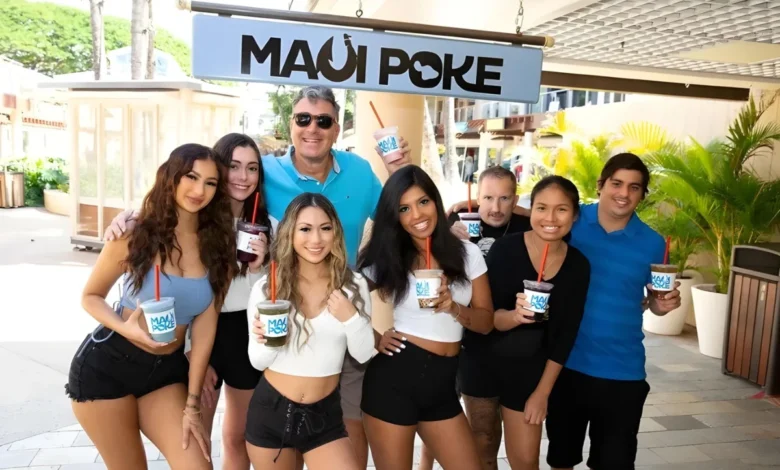
The fast-casual dining landscape is undergoing a significant transformation as Maui Poke, the Hawaii-born concept renowned for its commitment to ingredient integrity, officially announces its expansion into the national franchising market. Founded by entrepreneur Joshua Marten, the brand aims to disrupt the traditional poke sector by abandoning the industry-standard practice of pre-batching fish in favor of a strictly made-to-order model. This strategic move, officially confirmed this week, marks a pivotal moment for the company as it transitions from a regional success story to a scalable national entity.
The Genesis of a Culinary Shift
The concept for Maui Poke emerged from a fundamental critique of the prevailing poke restaurant model. In many high-volume establishments, raw fish is often marinated in large batches and held in refrigerated display cases for extended periods. While this method prioritizes speed and operational throughput, it frequently compromises the delicate texture and flavor profiles of the seafood.
Joshua Marten, the visionary behind the brand, identified this gap in the market early on. His objective was to return to the origins of traditional poke—a dish that relies on the natural, unadulterated freshness of the catch. By implementing a system where every component of the bowl is assembled only after an order is placed, Maui Poke effectively eliminates the degradation that occurs when proteins are subjected to long-term marination. This focus on "the art of the bowl" has become the brand’s primary differentiator in an increasingly crowded segment of the restaurant industry.
Chronology of Expansion
The journey of Maui Poke reflects a methodical approach to business development. The brand did not rush into the national stage; instead, it spent years refining its internal systems, supply chain logistics, and customer experience metrics in Hawaii.
- Foundational Years: The brand established its initial presence in the Hawaiian market, focusing on sourcing local ingredients and fostering a culture centered on the spirit of "aloha."
- Operational Optimization: During this period, the management team focused on perfecting the "made-to-order" workflow to ensure that wait times remained competitive despite the personalized preparation process.
- Proof of Concept: The brand achieved consistent growth and positive consumer feedback, proving that its premium, labor-intensive approach could remain profitable in a high-demand environment.
- Franchise Readiness: Having stabilized its operations and demonstrated scalability, the company finalized its franchise disclosure documents and internal training programs to prepare for the current nationwide rollout.
Market Dynamics and Consumer Trends
The timing of Maui Poke’s expansion coincides with a broader shift in consumer behavior. Data from the restaurant industry suggests that modern diners—particularly those within the Millennial and Gen Z demographics—are increasingly prioritizing transparency and customization. According to recent market research, over 65% of fast-casual diners prioritize "freshness" as their primary deciding factor when choosing where to eat, often willing to pay a premium for ingredients that are clearly sourced and freshly prepared.
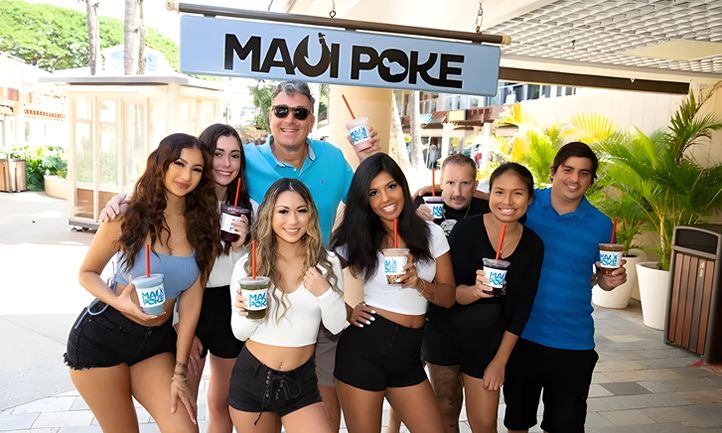
Furthermore, the rise of dietary-conscious eating has bolstered the demand for customizable dining. Whether addressing gluten sensitivities, keto requirements, or plant-based preferences, the ability for a customer to control every element of their meal is no longer just a luxury; it is a necessity for a significant portion of the population. Maui Poke’s model inherently addresses these needs, as the absence of pre-marinated sauces allows guests to manage their own nutritional intake with precision.
Strategic Objectives for Future Partners
As the company invites applications for new franchise partners, the focus remains on maintaining the high standards that defined its origin. The franchise model is designed for entrepreneurs who possess not only the capital to invest but also a commitment to the hospitality-first philosophy that Marten insists is the bedrock of the brand.
"When you invest in Maui Poke, you’re joining a brand that’s been built through real-world experience, not just an idea on paper," said Marten in a recent statement. The company has invested heavily in developing a comprehensive training program that covers everything from sourcing high-quality seafood to maintaining the efficiency required for a profitable, fast-casual operation. Franchisees will receive ongoing support in marketing, operational management, and supply chain navigation to ensure that every location upholds the brand’s core promise of quality.
Economic and Industry Implications
The entry of Maui Poke into the national market represents a potential challenge to larger, established chains that rely on centralized, pre-prepared food systems. If successful, the model could force a wider shift in the industry, where consumers increasingly demand the "fresh-cut" quality of a high-end sushi bar within the convenient, quick-service environment of a standard lunch spot.
From an economic perspective, the scalability of the brand is supported by its lean operational requirements. By focusing on a specialized menu that minimizes food waste—a common pain point in the restaurant industry—the model is engineered for long-term sustainability. The reliance on standardized, efficient workflows suggests that the brand is well-positioned to navigate the challenges of labor costs and supply chain fluctuations that currently impact the broader food service sector.
A Culture of Aloha
Beyond the logistics of fish quality and store layouts, Maui Poke places a heavy emphasis on the "spirit of aloha." This is a recurring theme in the company’s official communications, representing a commitment to community engagement and superior customer service. For prospective franchisees, this is a key component of the brand identity. The company is actively seeking partners who view their restaurant not merely as a transaction-based business, but as a community hub that reflects the values of hospitality and respect.

"We’re looking for passionate entrepreneurs who believe that great businesses are built by serving people first," noted Marten. This human-centric approach is intended to differentiate the brand in a market that is often criticized for becoming increasingly automated and impersonal.
Looking Ahead
As applications for franchises open across the United States, the industry will be watching to see how the brand maintains its quality control over long distances. The transition from a local island favorite to a mainland staple is a significant leap, yet the company’s emphasis on "proven processes" suggests a high level of preparedness.
With opportunities available in metropolitan hubs, suburban growth corridors, and smaller communities, the brand is positioning itself to capture a wide cross-section of the U.S. market. For those interested in the opportunity, detailed information and application requirements are available through the official portal at Maui-Poke.com/franchise/.
In an era where the fast-casual dining experience is often defined by uniformity and mass production, Maui Poke’s attempt to bring a more artisanal, ingredient-focused approach to a national audience is a bold strategy. Whether it can effectively translate its island-born success into the varied landscapes of the mainland remains the defining question for the company’s next chapter. However, with a clear focus on product quality, operational efficiency, and a distinct cultural identity, the brand is well-equipped to make a lasting impact on the national dining scene.