Mastering the Art of Authentic Spaghetti Carbonara: A Culinary Guide to Italy’s Most Celebrated Pasta Dish

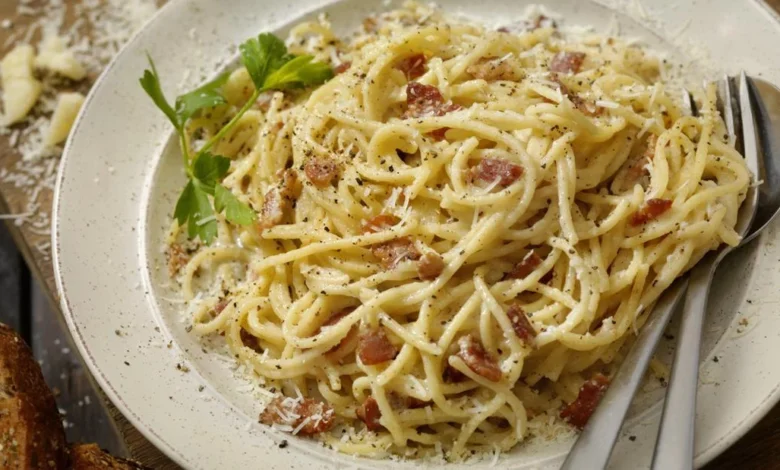
Jakarta — Spaghetti carbonara, a perennial favorite across international dining establishments and casual eateries alike, remains surprisingly accessible for home cooks seeking to replicate restaurant-quality meals in their own kitchens. By incorporating premium ingredients such as smoky beef bacon and freshly grated Parmigiano-Reggiano cheese, culinary enthusiasts can elevate a simple weeknight dinner into a rich and savory masterpiece. Originating from the picturesque Lazio region of Italy, carbonara stands firmly among the most globally recognized and beloved pasta preparations. While traditional Italian recipes historically eschew heavy cream in favor of a precise emulsion of cured pork, hard cheeses, and eggs, contemporary adaptations often embrace dairy to achieve an ultra-creamy consistency that appeals to modern palates.
The global fascination with spaghetti carbonara extends far beyond the borders of Italy, transforming a humble peasant dish into a staple of modern gastronomy. Understanding the historical roots, technical execution, and precise chemical interactions required to build the perfect carbonara sauce empowers home cooks to transcend basic recipe-following and achieve professional culinary results.
Historical Roots and Evolution of Carbonara
To fully appreciate spaghetti carbonara, one must examine its contested yet fascinating origins in central Italy. Emerging primarily from Rome and the surrounding Lazio region, the dish entered the culinary lexicon definitively during the mid-20th century. Historical food historians frequently debate the exact genesis of the recipe, with several popular theories circulating within culinary circles. One prominent narrative suggests that carbonara was invented in the mid-1940s, shortly after the liberation of Rome in World War II. During this period, Allied troops introduced American rations—specifically dried bacon and powdered or canned eggs—to local Italian cooks, who combined these unfamiliar ingredients with indigenous pasta and local hard cheeses.
Alternative theories trace the dish’s lineage further back to the carbonari, a secret society of charcoal burners active in the Italian unification movement (Risorgimento) during the 19th century. According to this folklore, charcoal makers would carry durable, easily storable ingredients like cured pork, pecorino cheese, and black pepper into the forested mountains, utilizing their portable cooking equipment to prepare hearty meals over open wood fires. Regardless of its exact provenance, carbonara quickly transitioned from regional comfort food to an international icon, aided by the post-war expansion of global tourism and the export of Italian culinary culture.
Anatomy of a Perfect Carbonara: Ingredients and Quality
Achieving the ultimate spaghetti carbonara relies heavily on the selection of high-quality components. Because the dish features a remarkably short ingredient list, each element plays a critical role in the final flavor profile and textural harmony.
Pasta Selection: The Foundation
The choice of pasta is foundational. Traditionally, long strands such as spaghetti, bucatini, or rigatoni are preferred. High-quality pasta extruded through traditional bronze dies (trafilata al bronzo) is strongly recommended by professional chefs. The bronze extrusion process creates a rough, porous surface texture that allows the creamy sauce to cling effectively to the pasta, ensuring an even distribution of flavor with every bite.
The Pork Component: Cured Meats
In authentic Roman preparations, guanciale—cured pork cheek—is the gold standard. However, variations utilizing pancetta or high-quality beef bacon have gained widespread popularity due to dietary preferences and ingredient availability. The pork must be rendered slowly over medium-low heat to extract the flavorful fats, which serve as the primary cooking medium and flavor base for the sauce. The exterior should achieve a crisp, golden-brown crunch, while the interior retains a tender bite, offering a delightful textural contrast to the soft pasta.
The Cheese: Parmigiano-Reggiano and Pecorino Romano
Hard Italian cheeses provide the savory, umami-rich backbone of the carbonara sauce. While Parmigiano-Reggiano offers a nutty, complex depth, traditional Roman recipes often incorporate Pecorino Romano, a sheep’s milk cheese that imparts a sharper, saltier tang. Grating the cheese finely ensures it melts seamlessly into the warm pasta water and rendered fats without clumping.
The Emulsion: Eggs and Cream
The defining characteristic of carbonara is its sauce. Traditional purists maintain that authentic carbonara requires only whole eggs or egg yolks combined with hard cheese and starchy pasta water, emulsified entirely by residual heat. However, contemporary culinary adaptations frequently introduce fresh milk or heavy cream to guarantee a silky, velvety texture that resists curdling. This modern technique provides a safety net for home cooks, preventing the eggs from scrambling prematurely while delivering a luxurious, velvety mouthfeel.
Technical Mastery: The Science of Cooking Al Dente
The ultimate success of a spaghetti carbonara dish hinges upon precise timing and temperature control, particularly during the cooking of the pasta and the final assembly of the sauce.
Achieving Al Dente
Cooking spaghetti to the ‘al dente’ stage—meaning "to the tooth"—is non-negotiable. Pasta cooked al dente retains a firm, resilient core when bitten, offering structural integrity that prevents the dish from becoming mushy. Furthermore, al dente pasta has a lower glycemic index and absorbs sauce more effectively than overcooked pasta.
The boiling process requires a generous amount of salted water. Culinary science dictates that pasta water should be seasoned until it tastes pleasantly saline, resembling seawater. As the pasta boils, it releases starches into the water. Reserving a cup of this starchy cooking liquid before draining the pasta is a mandatory step for professional chefs; the starches act as a binding agent, helping to bridge the gap between the fat-based pork drippings and the protein-rich egg and dairy mixture.
The Assembly Phase
The final assembly must occur off the heat to avoid scrambling the eggs. Once the pasta is drained and tossed with the rendered beef bacon and its fats, the pan is removed from the burner. The egg, cream, and cheese mixture is poured over the warm pasta, accompanied by a splash of reserved starchy pasta water. Vigorous and continuous tossing creates a thermal emulsion, where fat, water, and protein bind together into a glossy, cohesive sauce that coats every single strand of spaghetti.
Comprehensive Recipe Guide: Creamy Spaghetti Carbonara with Beef Bacon
To assist home cooks in executing this dish flawlessly, the following standardized recipe provides clear, step-by-step parameters based on professional culinary guidelines.
Preparation and Nutritional Overview
- Preparation and Cooking Duration: 45 minutes
- Difficulty Level: Easy to Moderate
- Yield: 3 servings
- Cuisine Origin: Italy
- Category: Pasta
Essential Ingredients List
- 300 grams high-quality spaghetti (bronze-die extruded preferred)
- 150 grams beef bacon, sliced into bite-sized strips or lardons
- 3 large fresh egg yolks (plus 1 whole egg for enhanced body, optional)
- 100 milliliters heavy cream or fresh milk
- 60 grams Parmigiano-Reggiano cheese, freshly grated
- 3 cloves garlic, peeled and gently crushed (optional, for aromatic depth)
- Kosher salt and freshly cracked black pepper, to taste
- 1 tablespoon extra virgin olive oil (if needed for rendering)
Step-by-Step Cooking Instructions
- Prepare the Boiling Water: Fill a large stockpot with water, add a generous amount of salt, and bring to a rolling boil over high heat.
- Render the Beef Bacon: In a large, deep skillet or Dutch oven, place the beef bacon strips over medium-low heat. Cook slowly until the fat renders out and the meat turns crispy and golden brown. If using garlic, add the crushed cloves to the fat during the final two minutes of rendering to infuse flavor, then discard the garlic before proceeding. Remove the crisp bacon from the pan with a slotted spoon and set aside, leaving the rendered fat in the skillet.
- Cook the Pasta: Drop the spaghetti into the boiling salted water. Cook according to the package instructions, stirring occasionally, until the pasta reaches the precise ‘al dente’ stage. Just before draining, scoop out approximately one cup of the starchy pasta water and set it aside.
- Prepare the Sauce Base: In a mixing bowl, whisk together the egg yolks, heavy cream (or fresh milk), and the freshly grated Parmigiano-Reggiano cheese. Season the mixture generously with freshly cracked black pepper, which provides the characteristic spicy kick central to traditional carbonara flavor profiles.
- Combine Pasta and Fat: Turn off the heat under the skillet containing the rendered beef bacon fat. Add the drained spaghetti directly into the skillet, tossing vigorously to coat the strands in the seasoned fat.
- Emulsify the Sauce: Pour the egg, cream, and cheese mixture over the pasta while continuously tossing and stirring the spaghetti. Immediately add a small splash of the reserved starchy pasta water. The residual heat from the pan and pasta, combined with the starches, will cook the eggs gently and create a thick, glossy, creamy emulsion. Do not apply direct high heat under the pan at this stage to prevent curdling.
- Final Garnishing and Presentation: Fold in the crispy beef bacon, reserving a small portion for final topping. Adjust seasoning with additional cracked salt and pepper if necessary.
- Service: Plate the spaghetti carbonara immediately while hot, garnishing the top with the remaining crisp beef bacon and an extra dusting of freshly grated Parmigiano-Reggiano. Serve at once to preserve maximum creaminess.
Broader Culinary Implications and Market Trends
The enduring popularity of spaghetti carbonara reflects broader shifts in global food culture, where consumers increasingly seek out accessible, high-end culinary experiences within their own homes. Market research within the culinary sector indicates a steady rise in home-cooking engagement, driven by digital recipe platforms, cooking tutorials, and an increased appreciation for artisanal ingredients such as imported cheeses and specialized cured meats.
Food industry analysts note that dishes like carbonara occupy a unique space in modern gastronomy. They bridge the gap between comforting home cooking and restaurant sophistication, offering home cooks an achievable challenge that yields deeply satisfying sensory rewards. Furthermore, the adaptability of carbonara—accommodating variations from traditional Italian guanciale to modern beef bacon and dairy-enriched sauces—demonstrates the dynamic, evolving nature of global cuisine. By respecting foundational techniques while embracing personal and dietary preferences, culinary enthusiasts continue to reinvent classic dishes for contemporary tables around the world.
Related posts: