The Ancient Art of Transhumance: How Spain’s Droving Routes Are Redefining Modern Food Security and Wildfire Resilience

In the rugged landscapes of the Madrid mountains, a quiet revolution is taking place, rooted in a practice that predates modern industrial agriculture by centuries. Transhumance—the seasonal movement of livestock between mountain pastures and lowland plains—is experiencing a resurgence in Spain. As climate change exacerbates the frequency of extreme droughts and catastrophic wildfires across the Mediterranean, this ancient method of pastoralism is being reconsidered not as a relic of the past, but as a sophisticated, nature-based solution to contemporary food security and ecological management challenges.
A Legacy Defined by Movement
The concept of transhumance is universal, evidenced by the global reliance on migratory grazing. While modern observers might view the transport of livestock via heavy-duty trucks as an efficiency gain, practitioners argue that the ecological cost is too high. In Spain, the tradition is inextricably linked to the cañadas—a sprawling, 125,000-kilometer network of livestock trails that have served as the country’s ecological backbone since the 13th century.
The historical importance of these routes was formalized in 1273 by King Alfonso X, known as "The Wise," who established the Honrado Concejo de la Mesta. This institution provided legal protection for the migratory paths, ensuring that herds could traverse the Iberian Peninsula from north to south. Today, these paths act as critical corridors for biodiversity, allowing for the natural dispersal of seeds and the maintenance of soil health through constant, controlled grazing.
The Role of the Los Apisquillos Collective
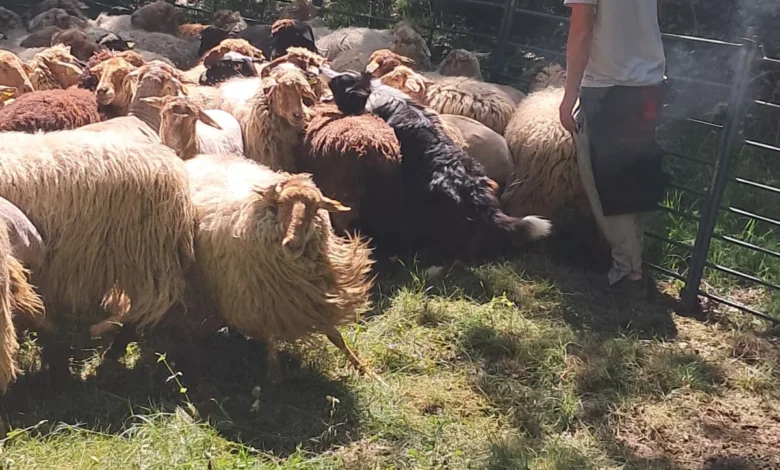
At the heart of this revival is the Los Apisquillos Collective, based in the mountain village of Puebla de la Sierra. Established 26 years ago, the collective serves as a steward for native, rare-breed sheep such as the Rubia de El Molar and the Negra Castellana. Their mission is twofold: to preserve the cultural knowledge of traditional shepherding and to manage the local ecosystem through sustainable, low-impact grazing.
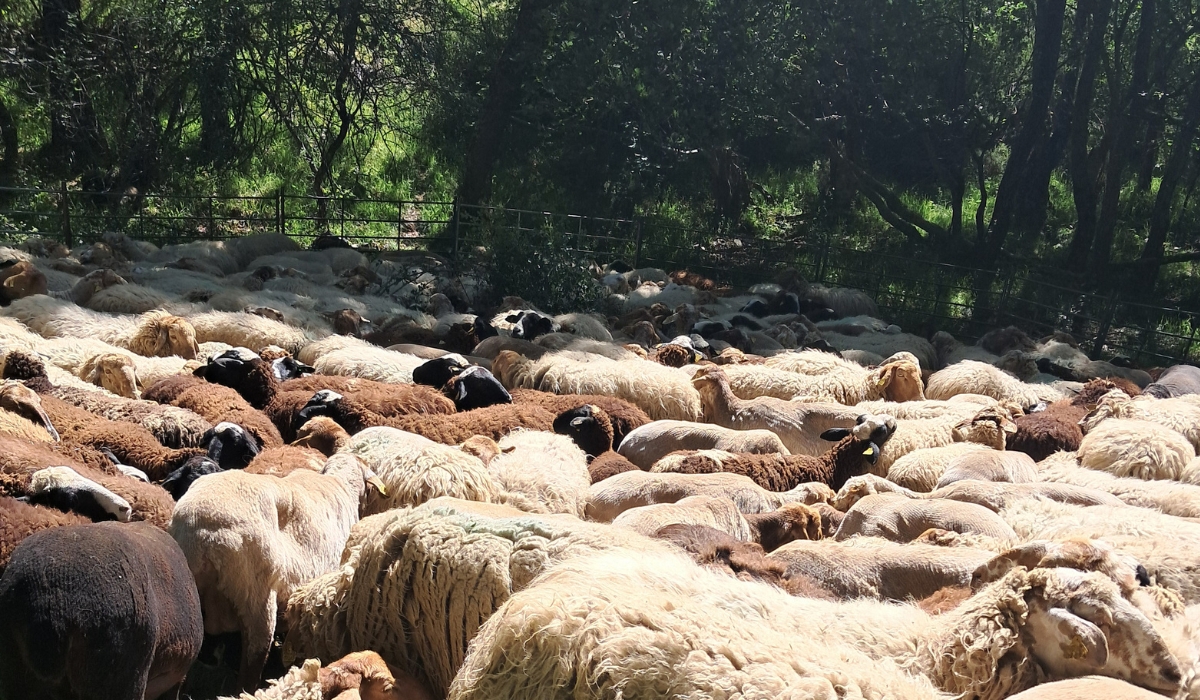
Every autumn, the collective orchestrates a migration that spans 240 kilometers, moving their flock from the high-altitude pastures of the Sierra del Rincón to the Casa de Campo in Madrid. This urban-rural interface allows the sheep to graze on lowland vegetation during the winter months, effectively cleaning the undergrowth of the park and reducing the fuel load that might otherwise contribute to urban-fringe fire risks. By May, as the mountain snows melt, the flock returns to the high country to lamb, completing a cycle that has been refined over generations.
Ecological Impacts and Fire Mitigation
The decline of transhumance in the latter half of the 20th century, driven by rural depopulation and the rise of intensive, sedentary farming, has had measurable negative consequences. Without the grazing pressure of migrating herds, vast tracts of the Spanish landscape have been reclaimed by dense, flammable scrubland.
Environmental consultants and members of the organization Trashumancia y Naturaleza emphasize that the loss of transhumance is a primary contributor to the increased intensity of wildfires. Vegetation that was once kept in check by livestock now accumulates as biomass, effectively creating a "tinderbox" environment. Manuel Bahíllo, secretary for the organization, notes that when transhumance ceases, the lack of trampling and grazing creates a fuel bed that requires only a single spark to trigger a landscape-scale disaster. Research into wildfire behavior consistently demonstrates that grazing regimes can act as effective firebreaks, providing a biological defense that mechanical or chemical means cannot replicate.
Supporting Data and Economic Realities
The economic argument for industrializing livestock transport—primarily the speed and convenience of trucking—often ignores the externalities of such a system. The carbon footprint of transporting thousands of animals by road, combined with the loss of ecosystem services provided by natural grazing, paints a grim picture of modern efficiency.
Statistically, the restoration of traditional grazing routes has shown a direct correlation with increased botanical diversity. Migratory flocks carry seeds in their wool and digestive tracts, effectively acting as agents of reforestation and landscape restoration. Furthermore, the products of transhumant agriculture—meat and dairy—often command higher quality and health standards due to the diverse, wild diet of the animals. In the face of rising costs for fertilizers and the environmental degradation caused by intensive feedlot operations, the "low-input, high-output" model of transhumance offers a compelling alternative for sustainable food production.
Official Perspectives and Cultural Rights
Advocates for the preservation of cañadas argue that transhumance is more than an agricultural method; it is a cultural right. The preservation of these paths is a matter of national heritage, as mandated by the historic royal decrees that recognized the trails as essential public infrastructure.
Juan García, a key figure in the Ecologists in Action movement, argues that the legal status of these trails must be upheld to prevent encroachment by infrastructure and private development. The collaboration between grassroots groups like Los Apisquillos and national organizations like Trashumancia y Naturaleza is creating a unified front to lobby for policies that recognize the ecosystem services provided by pastoralists. They argue that shepherds should be compensated not just for the meat or wool they produce, but for the wildfire prevention and land management services they provide to the state.
Global Lessons in Resilience
The experience of the Spanish shepherds resonates far beyond the Iberian Peninsula. Whether it is the Somali pastoralist moving 2,000 head of livestock across 45 kilometers to find seasonal water, or the shepherds of Puebla de la Sierra traversing the Madrid mountains, the lesson remains consistent: resilience in the face of climate instability is found in adaptation.
Food security is increasingly threatened by the fragility of centralized, industrial food chains. By contrast, the transhumant model is inherently decentralized and flexible. It relies on local knowledge of the seasons, the weather, and the specific needs of the land. This "place-based" approach to food production ensures that the landscape remains productive even under extreme environmental stress.
As the world looks for ways to mitigate the impacts of climate change, the "slow" agriculture of transhumance provides a blueprint for a more stable future. It is a system that understands the limits of the land and works within them, rather than attempting to force the land to conform to unsustainable industrial outputs.
Conclusion: The Path Forward
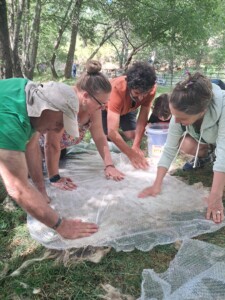
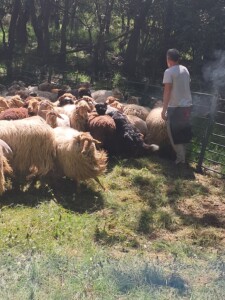
The annual shearing festival of the Los Apisquillos Collective is a testament to the enduring human connection to the land. It is a time for sharing techniques, from traditional felting and carding to the refinement of herd management practices. Yet, beneath the joy of the festival lies a serious, pragmatic mission.
The survival of transhumance depends on the active protection of the cañadas, the support of rural communities, and a broader public understanding of why this practice matters. If the goal is a food system that is resilient, ecologically sound, and culturally rich, then we must look to the ancient droving routes. As the old Latin adage Solvitur ambulando—"it is solved by walking"—reminds us, the answers to our modern dilemmas may well be found in the steady, rhythmic movement of a flock crossing the land. By honoring these paths, we do more than preserve history; we safeguard the ecological future of our shared landscapes.
Related posts: