The Ultimate Peach Cobbler Loaf: A Six-Year Culinary Journey to Perfection

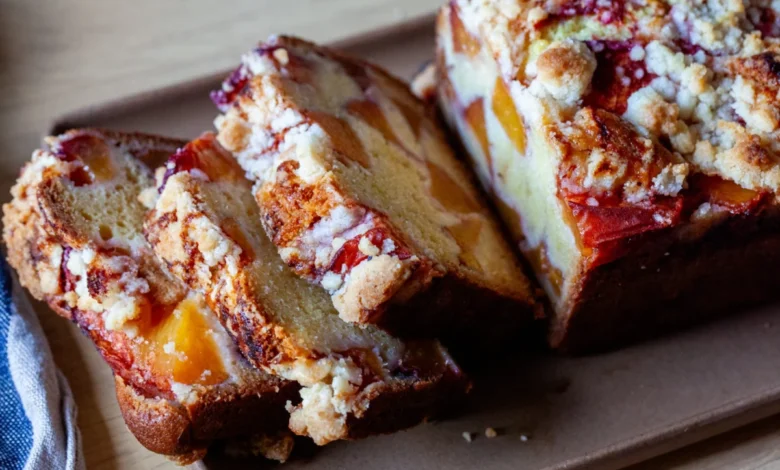
The pursuit of culinary perfection often demands extraordinary patience, a principle vividly illustrated by a newly finalized recipe that has taken half a decade to materialize. When culinary developers and home bakers alike embark on the creation of a new baked good, the standard developmental timeline typically spans a few weeks or, at most, a single season. However, specialized baking projects involving delicate seasonal produce frequently encounter structural hurdles that resist rapid solutions. The debut of the Peach Cobbler Loaf represents the culmination of a six-year iterative process, highlighting the complex science of incorporating high-moisture stone fruit into a dense, structural cake batter without compromising texture, flavor distribution, or structural integrity.

The Evolution of a Recipe: A Six-Year Chronology
The developmental timeline of the Peach Cobbler Loaf underscores the meticulous trial-and-error methodology required in professional and advanced home recipe testing.
The project commenced during the stone fruit season six years ago, driven by an objective to merge the rustic, textural appeal of a traditional Southern peach cobbler with the convenient, sliceable format of a traditional loaf cake. Early iterations during the initial two seasons relied on diced peaches. According to developmental logs, diced fruit yielded a surprisingly bland flavor profile within the crumb, as the juices failed to permeate the surrounding batter effectively. Furthermore, the high moisture content of the fruit created pockets of unbaked batter, colloquially known in baking as gummy layers.

By years three and four, the methodology shifted toward thinly sliced peaches. While this approach distributed the fruit more evenly throughout the pan, the thin slices largely dissolved or disappeared during the extended baking process, leaving behind minimal textural contrast. Subsequent attempts introduced various ground spices directly into the batter. This adjustment, however, produced an unappealing beige aesthetic while failing to amplify the natural acidity and sweetness of the fruit.
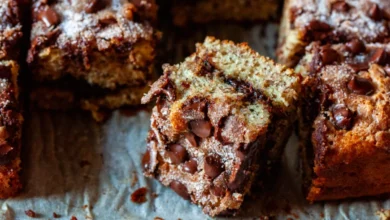
Years five and six focused on structural engineering and flavor compartmentalization. Developers discovered that layering the batter and fruit sequentially—rather than folding the fruit into the mix—prevented structural collapse. By restricting the spiced, lemon-macerated peaches to distinct horizontal layers and capping the loaf with a traditional buttery streusel, the recipe finally achieved the precise equilibrium of moisture, crumb structure, and crust texture that had eluded testers for multiple growing seasons.

Nutritional and Culinary Science of Stone Fruit Baking
Baking with fresh peaches presents distinct thermodynamic and biochemical challenges. Peaches possess a high water content, typically ranging from 88 to 89 percent. When introduced to flour-based batters subjected to oven temperatures reaching 375°F (190°C), this moisture is released rapidly, threatening to destabilize the chemical leavening agents such as baking powder and baking soda.
To counteract this, the finalized Peach Cobbler Loaf recipe incorporates specific structural safeguards:

- Pan Specifications: The formula requires a precise loaf pan volume of 6 liquid cups (approximately 1,420 milliliters), measuring 8 by 4 inches at the base and expanding to 9 by 5 inches at the rim. This graduated dimension allows the batter to rise evenly without spilling over the edges.
- Fat and Acid Ratios: The inclusion of dairy, specifically yogurt or sour cream, introduces lactic acid. This acid reacts with the baking soda to provide stable, vertical lift, successfully offsetting the heavy downward pressure exerted by the fruit layers.
- Maceration Technique: Tossing the peach wedges with lemon juice, a measured amount of brown sugar, and cinnamon prior to assembly serves a dual purpose. It draws out excess surface moisture through osmosis—preventing soggy cake layers—while concentrating the natural fruit sugars.
Data compiled from agricultural extension services indicate that stone fruit windows are notoriously brief, generally lasting from late June through early September depending on geographic latitude. Consequently, recipes designed around fresh peaches operate under strict seasonal constraints, heightening the urgency of successful recipe finalization before the crop yields decline.
Industry Implications and Best Practices for Seasonal Baking
The multi-year evolution of the Peach Cobbler Loaf offers valuable insights into modern culinary development and the broader baking industry’s response to seasonal ingredients. Food scientists and pastry chefs frequently emphasize that working with fresh, perishable produce requires adapting structural formulas to accommodate natural variations in sugar content and acidity from year to year.

Culinary analysts note a rising consumer preference for hybrid baked goods—such as cobbler-loaf combinations—which merge the nostalgic comfort of traditional desserts with the portability of everyday quick breads. However, translating a free-form, skillet-based dessert like a cobbler into a confined loaf pan requires precise calculation of volumetric capacity and thermal conductivity.
Professional bakers recommend several key operational protocols when executing high-moisture fruit loaves:

- Sheet Pan Safeguards: Placing the primary baking vessel onto a larger rimmed sheet pan mitigates the risk of oven smoke caused by cascading fruit juices.
- Extended Cooling and Setting: Allowing quick breads to cool gradually on a wire rack permits internal starches to fully gelatinize and set, reducing structural crumbling upon slicing.
- Storage Dynamics: Unlike delicate cream-filled pastries, dense fruit loaves often improve structurally over a 24- to 48-hour window. Storing the loaf uncovered or in a breathable environment at room temperature preserves the crisp integrity of the streusel topping while allowing interior flavors to meld.
As the seasonal availability of fresh peaches draws to a close for the year, the successful standardization of the Peach Cobbler Loaf marks a definitive end to a prolonged experimental cycle. By refusing to compromise on structural distribution, crust texture, and fruit prominence, the resulting formula demonstrates that rigorous, long-term culinary persistence remains essential for mastering the complex interactions between fresh seasonal produce and traditional baked goods.