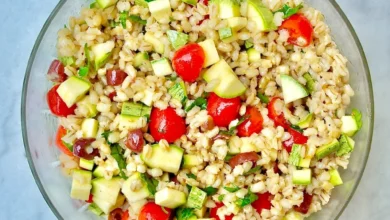
Cucumber Salad with Sesame and Rice Vinegar Takes Center Stage in Summer Culinary Trend

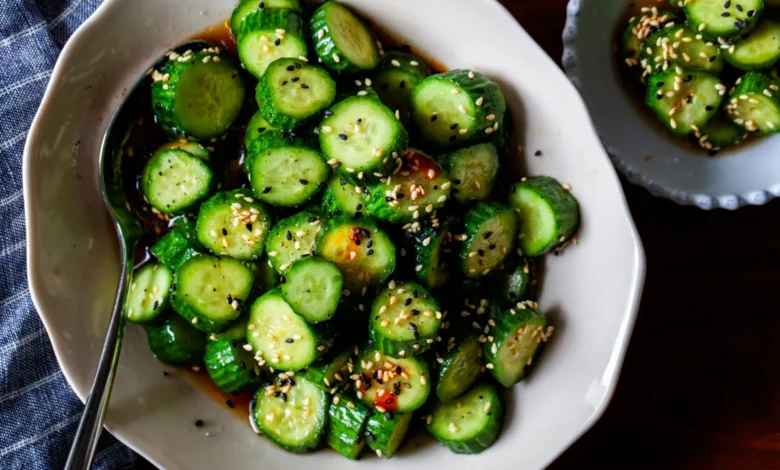
The culinary landscape is experiencing a notable shift toward minimalist, refreshing side dishes as communities navigate consecutive heat waves during the peak of the summer season. Among the beneficiaries of this seasonal shift is a simple, highly versatile sesame and rice vinegar cucumber salad, a dish that has recently gained widespread attention across prominent food journalism platforms and domestic cooking circles alike. While cucumbers remain a staple household vegetable consumed globally several times a week due to their high water content, affordability, and adaptability, they have historically been underrepresented in formalized recipe archives. Culinary experts and home economists attribute this gap to the innate simplicity of the ingredient, which rarely demands the rigorous, obsessive fine-tuning typically associated with complex pastry or braising recipes.
Background Context of the Culinary Trend
The growing popularity of quick, vinegared cucumber dishes bridges traditional Japanese gastronomy with modern weeknight cooking habits. The preparation closely mirrors sunomono, a foundational category in Japanese cuisine. Translated literally as "vinegared things," sunomono traditionally encompasses a wide variety of raw vegetables, seaweeds, or seafood that have been lightly marinated in a balanced dressing of sweet rice vinegar. Over generations, this culinary concept has been adapted by home cooks internationally, frequently stripped of added sugars to highlight the natural crispness and hydration of the produce.

In contemporary home kitchens, the dish functions primarily as an accompaniment to heavier, savory meals, such as skillet-fried dumplings, Asian-style noodle dishes, and wok-tossed stir-fries. Nutritionists and culinary researchers note that high-moisture, acid-forward side dishes serve an important sensory and digestive function when paired with dense, lipid-rich entrees. The sharp profile of rice vinegar cuts through the richness of fried foods, while the mechanical crunch provides a desirable textural contrast.
Methodological Innovation: The Salting Process
The defining technique of this specific iteration centers on a brief salting process. Rather than adhering to prolonged, multi-hour dehydration periods traditionally required for certain pickle variations, modern home preparation utilizes flexible time frames ranging from ten minutes to two hours.
Food science principles explain that applying sodium chloride to raw cucumbers initiates osmosis. The high concentration of salt on the exterior of the vegetable draws out cellular moisture through the cell walls. This moisture extraction achieves two primary objectives: first, it concentrates the natural flavor of the cucumber by eliminating excess water; second, it creates a temporary moisture deficit within the cellular matrix. When the excess liquid is subsequently drained and a flavorful dressing—composed of rice vinegar, toasted sesame oil, soy sauce, and aromatics—is introduced, the cucumbers readily absorb the surrounding liquids. This maximizes flavor penetration without compromising the structural integrity or characteristic crunch of the produce.

Furthermore, culinary testing indicates that the dish possesses a high degree of make-ahead viability. When stored in refrigeration units, the cucumbers undergo a gentle, secondary pickling process over the course of two to three days. During this window, the acid and sodium continue to permeate the vegetable, resulting in a deeper flavor profile while maintaining structural firmness, making it an efficient option for meal preparation and large-scale domestic catering.
Broader Community Initiatives and Annual Philanthropic Efforts
Parallel to the seasonal culinary focus, the platform introducing the recipe has launched its annual philanthropic initiative, the 2026 Classroom Wishlist Project. This community-driven campaign is designed to connect educators across various regions with donors willing to fund essential supplies required for classroom operations.
Educational advocates and nonprofit organizers emphasize that foundational learning environments frequently suffer from underfunding, leaving teachers to absorb the financial burden of purchasing basic instructional materials, including writing implements, paper products, and reading resources. The Classroom Wishlist Project utilizes a decentralized logistical model, directing public attention toward a comprehensive, crowd-sourced digital spreadsheet where educators can list specific material needs for their respective classrooms.

Analysts tracking educational equity note that grassroots donation drives play a measurable role in mitigating resource disparities between affluent and economically disadvantaged school districts. By encouraging participants to select schools within their geographic proximity or areas of personal significance, initiatives of this scale foster localized community engagement. Public policy researchers indicate that while philanthropy cannot fully substitute for systemic educational funding reform, direct-action projects provide immediate, tangible relief to classrooms facing severe supply deficits at the commencement of the academic term.
Market Implications and Consumer Behavior
The convergence of simple home cooking trends and organized philanthropic campaigns reflects a broader shift in consumer behavior during periods of economic and climatic stress. Market researchers observe that during prolonged heat waves, consumer demand shifts measurably away from heat-intensive cooking methods, such as baking and roasting, toward no-cook or low-energy food preparation. This behavioral adjustment aligns with broader energy conservation goals and reduces indoor thermal loads in residential housing.
Concurrently, digital engagement metrics indicate a high correlation between comfort food preparation and community-oriented volunteerism. As households seek efficient ways to manage weekly meal planning amidst rising food costs, accessible, low-cost vegetables like cucumbers experience heightened demand in retail grocery sectors. Economists project that staple produce items will remain resilient against inflationary pressures compared to heavily processed or animal-derived protein sources, reinforcing their central role in domestic nutrition and seasonal meal architecture.