The Cultural and Agricultural Significance of the Hatch Harvest
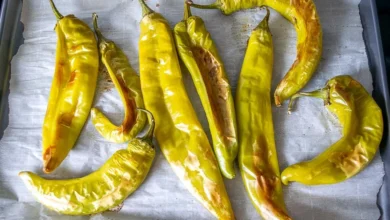
The Hatch chile is not a singular variety but rather a collection of cultivars grown within the specific geographical constraints of the Hatch Valley. The region’s hot days and cool nights, combined with the nutrient-dense soil of the valley floor, produce a chile with a thick, meaty flesh and a flavor complexity that develops significantly during the roasting process.
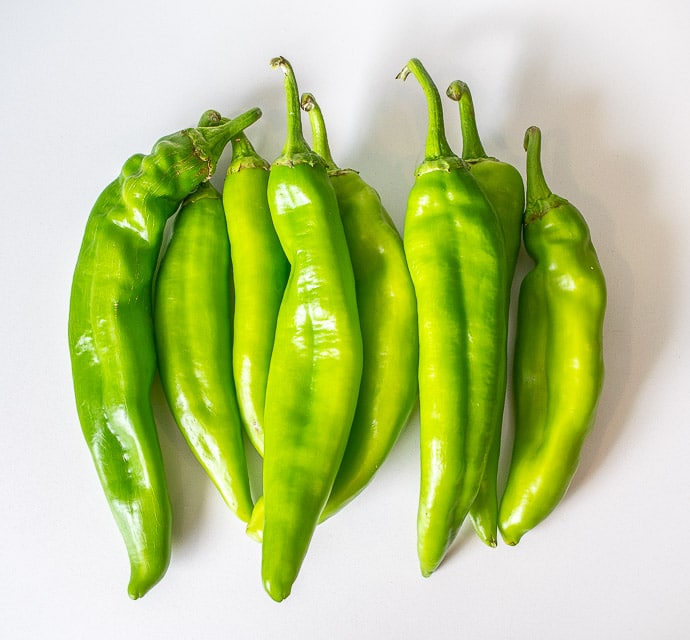
For the agricultural community in New Mexico, the harvest is a time-sensitive, labor-intensive operation. The chiles are typically picked by hand, a process that ensures quality but limits total output. Because the fresh harvest window is limited to approximately six weeks, the industry has developed robust logistics for nationwide shipping and industrial roasting. Retailers increasingly rely on pre-roasted, frozen supply chains to satisfy demand once the fresh harvest concludes, though culinary purists maintain that the peak flavor experience is found by roasting fresh chiles at home.
Culinary Methodology: From Field to Kitchen
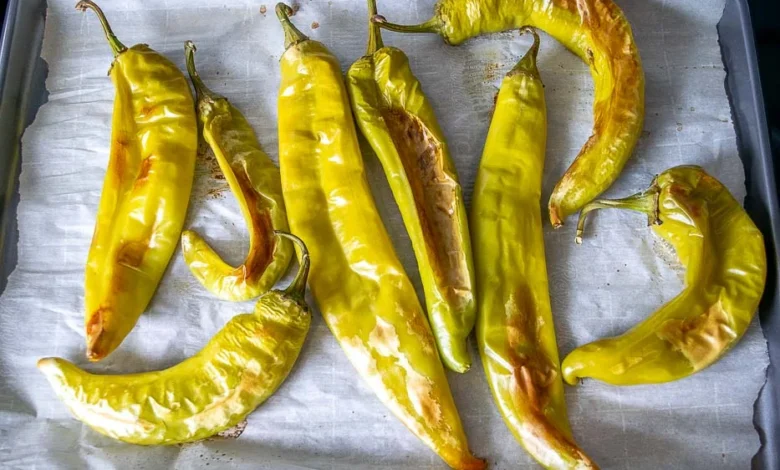
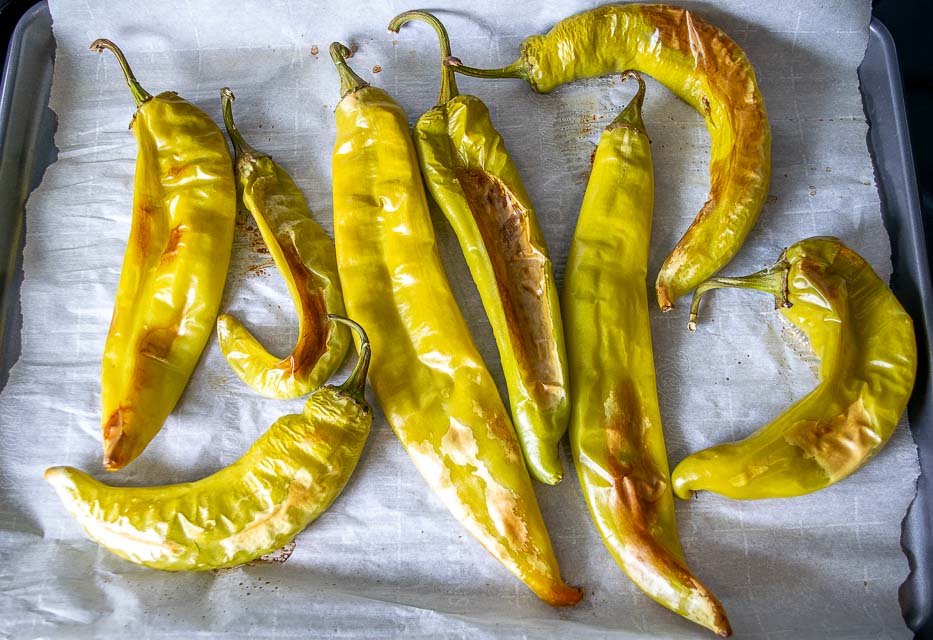
The preparation of authentic Hatch Green Chile Enchiladas requires adherence to traditional techniques that prioritize the integrity of the pepper. The process begins with roasting, which serves two purposes: it imparts a smoky, charred depth of flavor and facilitates the removal of the outer skin, which can have a tough, papery texture if left intact.
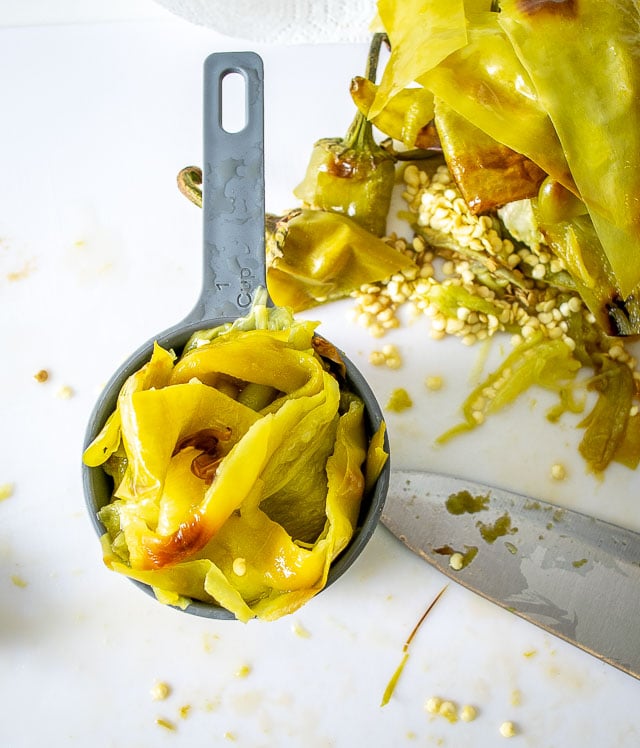
Professional kitchen protocols involve roasting the chiles at high temperatures—typically over an open flame or in an oven at high heat—until the skin blisters and darkens. Following a brief cooling period, the chiles are peeled, destemmed, and deseeded. While the removal of seeds and charred skin is standard, culinary experts note that the residual heat and flavor profile are largely concentrated in the flesh itself.
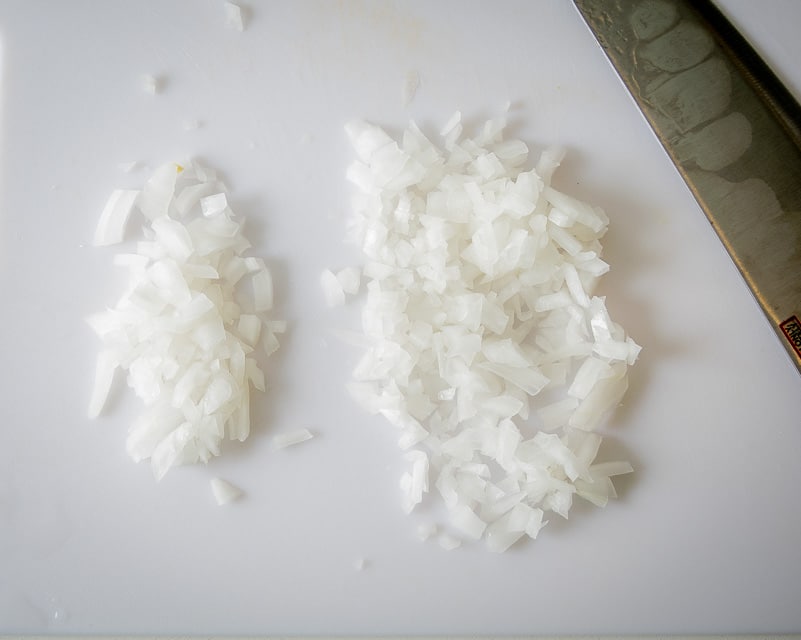
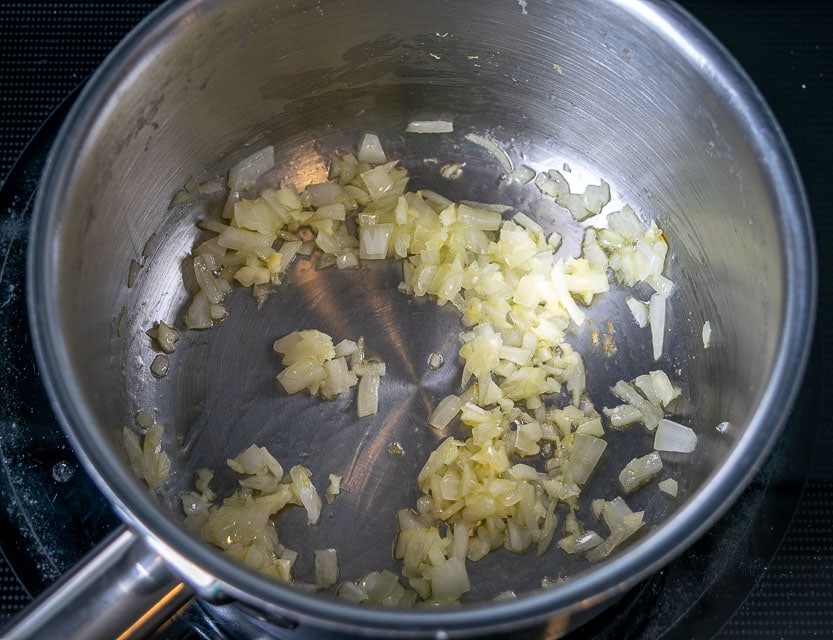
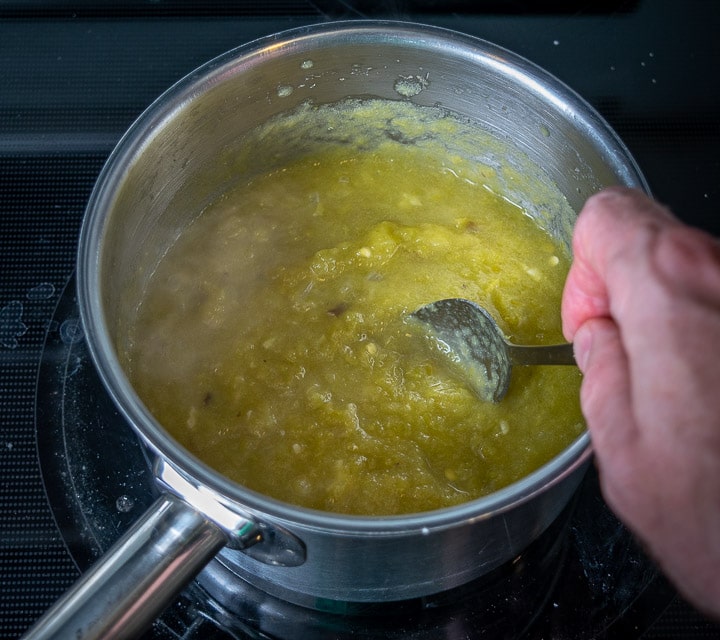
The subsequent step involves constructing a base sauce. A standard preparation utilizes a sauté of aromatics, specifically white or yellow onions and minced garlic, cooked in a neutral oil to a translucent state. This mixture is then combined with the roasted chile pieces, which have been processed into a coarse puree. The liquid component, often a high-quality chicken or vegetable stock, is added alongside regional seasonings such as Mexican oregano and ground cumin. The sauce must simmer to allow the flavors to emulsify, achieving a texture that is simultaneously velvety and rustic.
The Mechanics of Assembly and Preparation
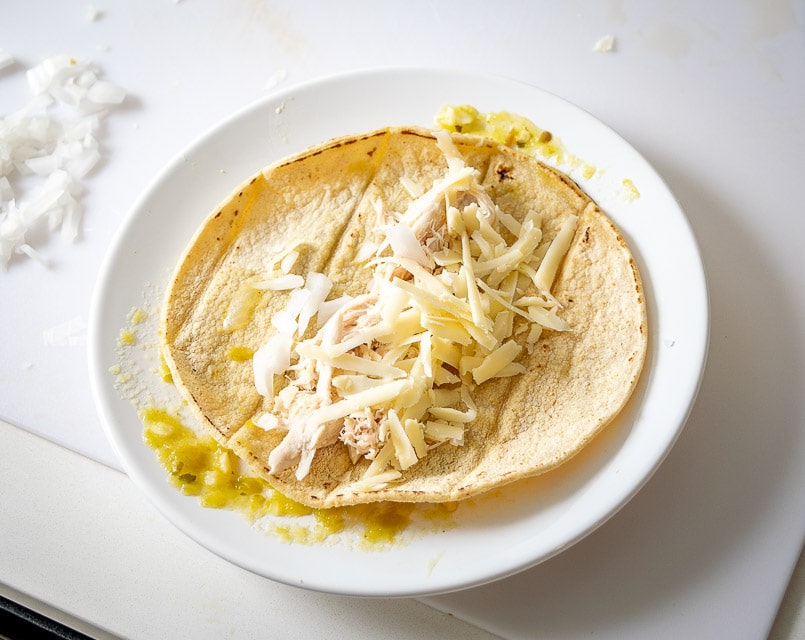
When preparing the enchiladas themselves, the structural integrity of the corn tortilla is paramount. Tortillas are briefly warmed—either through steaming or a quick pan-sear—to prevent cracking during the rolling process. A critical technical detail is the "dredging" method: by dipping each tortilla into the warm sauce before filling, the chef ensures that the interior of the enchilada is as flavorful as the exterior.
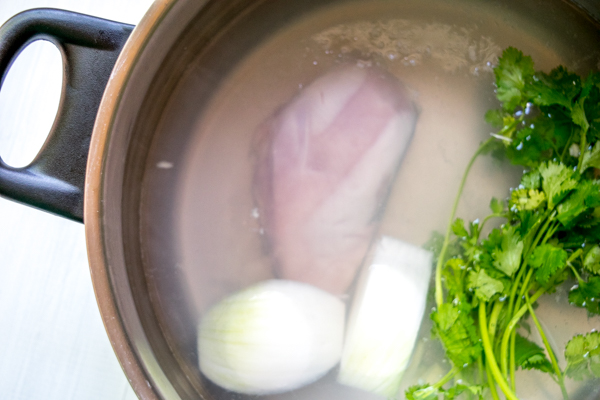
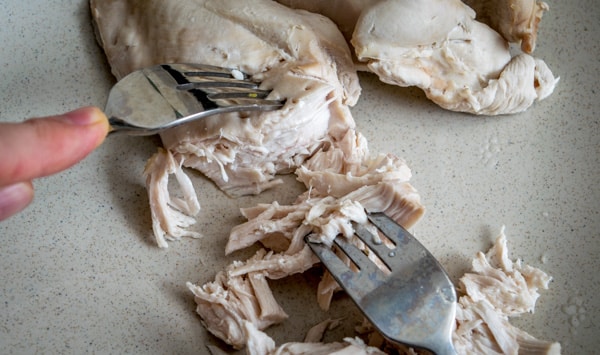
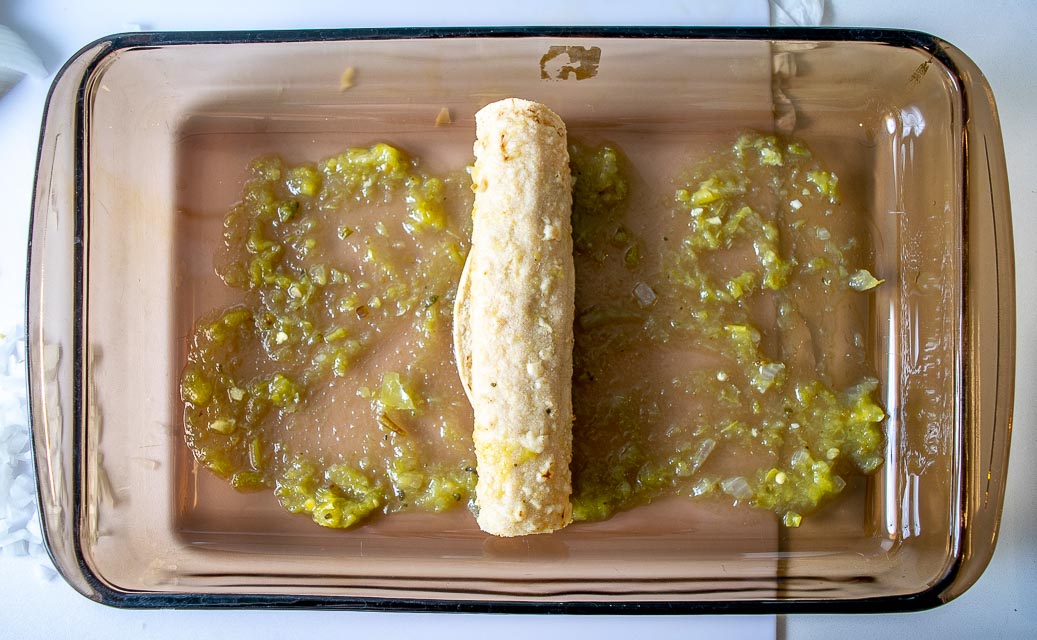
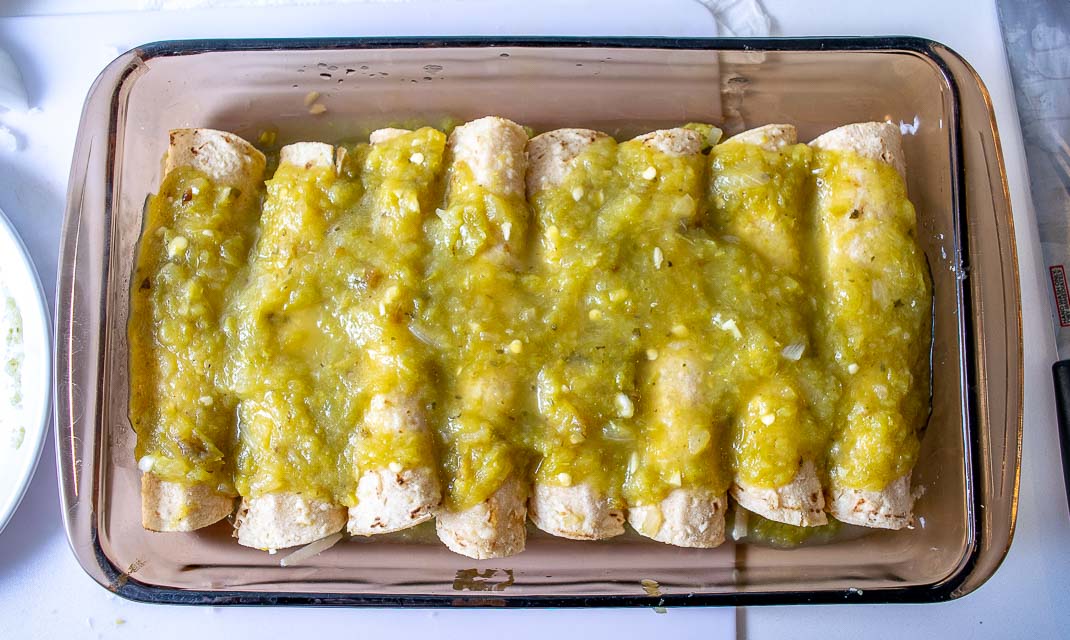
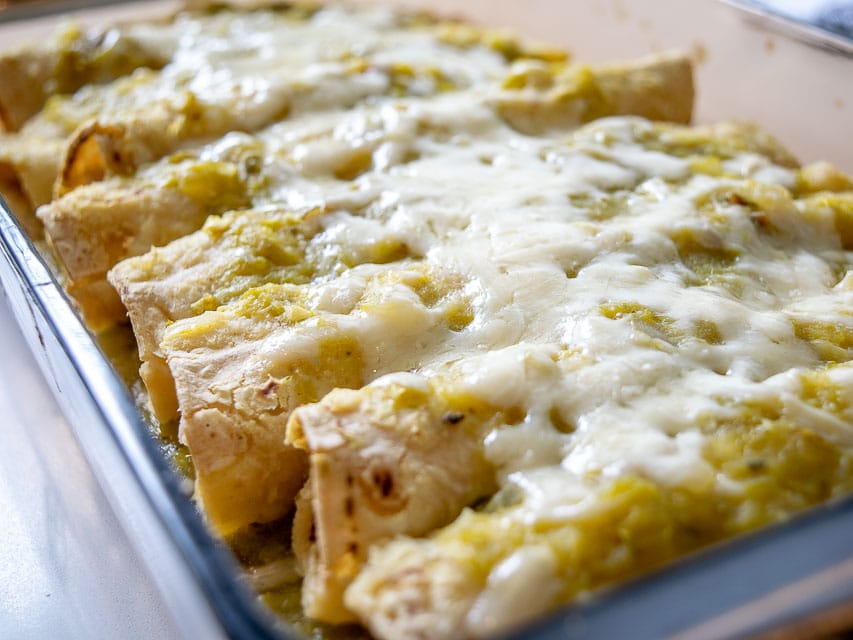
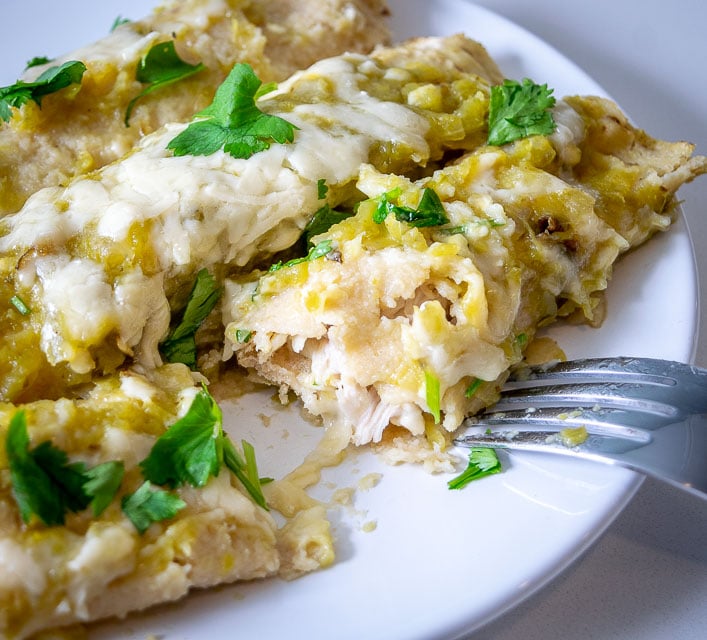
The filling typically consists of a lean protein, such as shredded chicken breast, supplemented by diced raw onion and a blend of melting cheeses. The use of brined, poached chicken is a preferred method for maintaining moisture during the secondary baking phase. Once filled and tightly rolled, the enchiladas are placed seam-side down in a baking dish, coated liberally with the remaining green chile sauce, and topped with additional cheese. The final baking stage—conducted at 400 degrees Fahrenheit—is designed to melt the cheese and achieve a slight crispness on the tortilla edges without compromising the moisture of the sauce.
Analysis of Nutritional and Flavor Profiles
From a nutritional perspective, Hatch chiles are a significant source of vitamins A and C. The capsaicin content, which provides the characteristic heat, varies depending on the specific strain of the chile and the environmental conditions during the growth cycle. Experts categorize the heat levels as ranging from mild to extra hot, allowing for a customizable culinary experience.
The integration of these chiles into a classic enchilada format creates a balanced dish. The fat content provided by the cheese, combined with the acidity of the chile and the savory notes of the stock, creates a complex flavor profile often described as "savory-buttery." This makes the dish an effective platform for testing the heat threshold of different chile batches. Culinary analysts suggest that for those unfamiliar with the specific potency of a given year’s harvest, starting with a partial addition of the chile puree allows for better control over the final heat index of the sauce.
Logistics of Procurement and Supply
For consumers outside of the Southwestern United States, the primary challenge remains the availability of fresh produce. The rise of e-commerce has transformed the distribution of Hatch chiles, allowing small-scale farmers in New Mexico to ship fresh or roasted, vacuum-sealed chiles directly to consumers.
Data from the New Mexico Department of Agriculture indicates that the state produces thousands of tons of chiles annually, with a substantial portion dedicated to out-of-state distribution. The growth of online marketplaces has effectively mitigated the "food desert" issues that historically limited the accessibility of authentic regional ingredients. By purchasing directly from suppliers in Hatch, Las Cruces, or Albuquerque, home cooks gain access to the same quality of product used in high-end commercial kitchens.
Broader Culinary Impact and Sustainability
The popularity of the Hatch chile has sparked a broader conversation regarding agricultural heritage and regional branding. Similar to the Protected Designation of Origin (PDO) status in Europe, there is ongoing discourse regarding the certification of "Hatch" chiles to prevent the mislabeling of similar, but geographically distinct, green chile varieties.
The economic impact of the harvest is significant, supporting thousands of jobs across the farming, processing, and distribution sectors. As climate change poses new challenges to agricultural output, farmers in the region are increasingly investing in water conservation techniques to ensure the longevity of this vital crop.
Best Practices for Home Consumption
For those looking to integrate Hatch chiles into their routine, culinary professionals recommend the following best practices:
- Source Tracking: Verify that the product is authentic, as the "Hatch" label is frequently applied to generic green chiles in mass-market retail.
- Proper Storage: If purchasing in bulk, roasted chiles can be stored in the freezer for up to a year without significant degradation in flavor.
- Versatility: While the enchilada is a classic application, the sauce serves as a highly adaptable base for soups, stews, and breakfast dishes, such as chilaquiles.
- Safety: When processing large quantities of chiles, particularly hotter varieties, the use of gloves is advised to prevent skin irritation caused by residual capsaicin oils.
In conclusion, the Hatch Green Chile Enchilada is more than a simple regional recipe; it is an annual celebration of agricultural craftsmanship. Whether sourced through traditional local channels or modern e-commerce platforms, the dish remains a testament to the enduring appeal of high-quality, regionally specific ingredients in the modern American diet. By following traditional preparation methods—from the careful roasting of the pepper to the precise assembly of the tortilla—home cooks can replicate the complex, authentic flavors that have made this dish a staple of Southwestern cuisine.