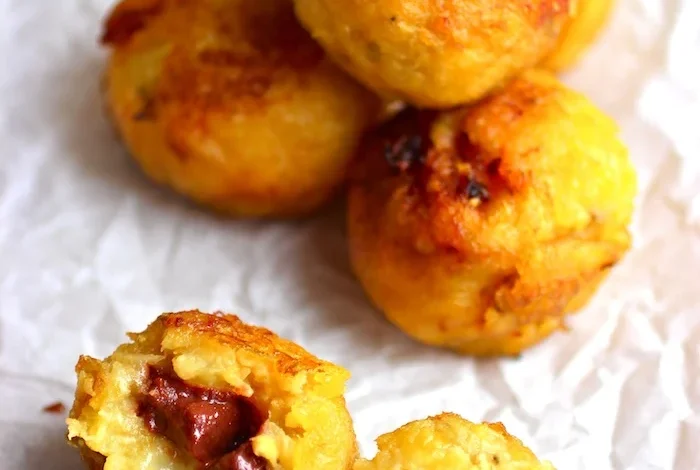
The culinary traditions of Colombia have long been characterized by the creative utilization of the plantain, a staple crop that serves as a cornerstone of the nation’s gastronomic identity. Among the most celebrated preparations are the Buñuelos de Plátano Maduro, or ripe plantain balls, a dish that bridges the gap between savory appetizer and indulgent dessert. These bite-sized delicacies, defined by their golden, crispy exterior and soft, molten interior, offer a sophisticated look into the intersection of Caribbean and Andean culinary influences that define Colombian home cooking.
The Historical and Cultural Significance of the Plantain in Colombia
The plantain (Musa paradisiaca) was introduced to the Americas during the colonial era, and it found an ideal climate in the tropical regions of Colombia. Unlike the common dessert banana, the plantain requires thermal processing—frying, boiling, or roasting—to be palatable. As it ripens, the starch content converts into natural sugars, providing the base for the maduro (ripe) dishes that are ubiquitous in Colombian households.

The buñuelo itself—a term derived from the Spanish word buñuelo, referring to a fried dough fritter—has evolved significantly in Latin America. While the traditional Colombian buñuelo is typically a savory cheese-based ball made from cassava starch, the Buñuelos de Plátano Maduro represent a regional variation that utilizes the sweetness of the fruit to contrast with salty fillings. This adaptation highlights the ingenuity of traditional cooks who sought to balance the flavor profiles of their available ingredients.
Anatomical Components of the Dish
The construction of these balls requires a precise balance of texture and temperature. The primary component is the ripe plantain, which must be selected at the peak of its ripeness, characterized by dark brown or black skin. At this stage, the fruit is at its sweetest and softest, allowing it to be mashed into a malleable dough.
The filling typically consists of two distinct elements: a high-melting-point cheese, such as queso fresco or mozzarella, and bocadillo, a firm, concentrated guava paste. The interaction between these ingredients is central to the dish’s appeal. When submerged in hot oil, the plantain exterior creates a Maillard-reaction-induced crust, while the internal cheese softens and the guava paste liquefies, creating a sweet and salty synergy.

Preparation Methodology and Culinary Science
The technical preparation of the dish follows a specific chronological order to ensure structural integrity.
- Thermal Processing of the Base: The plantains are typically peeled and sliced into uniform segments, then boiled or steamed. This step is critical; boiling ensures the fruit reaches a uniform softness without the dehydration that might occur in a deep-fryer.
- Homogenization: Once cooked, the plantains are processed into a smooth, pliable mash. In some traditional recipes, a small amount of flour or starch is added to improve the binding properties of the dough.
- Encapsulation: The cook creates a cavity in a portion of the mash, inserts a cube of cheese and a corresponding piece of guava paste, and then seals the mixture, rolling it into a sphere.
- Controlled Frying: The balls are dropped into oil heated to approximately 350°F (175°C). The temperature must be strictly regulated; if the oil is too cold, the balls will absorb excess fat, resulting in a soggy texture. If the oil is too hot, the exterior will burn before the interior filling reaches the desired melting point.
Comparative Nutritional Profile
While Buñuelos de Plátano Maduro are primarily considered a comfort food or snack, they contain specific nutritional characteristics. A standard serving (typically two to three balls) provides a significant source of complex carbohydrates and potassium, derived from the plantain base.
| Nutrient | Approximate Value per Serving |
|---|---|
| Calories | 22-30 kcal (per unit) |
| Carbohydrates | 2g |
| Protein | 1g |
| Total Fat | 1g |
| Fiber | 0.3g |
The moderate calorie count per unit makes them a versatile item for social gatherings, though the frying process necessitates consumption in moderation. The inclusion of bocadillo adds a glycemic spike, distinguishing this version of the fritter from strictly savory counterparts.

Broader Culinary Implications and Global Influence
The rise of Latin American cuisine in the global market has brought regional specialties like the Buñuelos de Plátano into the spotlight of international fine dining. Culinary historians note that the dish is emblematic of "peasant cuisine" that has been elevated through modern techniques. Restaurants in major metropolitan hubs, such as New York, Miami, and London, have begun featuring plantain-based appetizers on their menus, often experimenting with fusion fillings such as goat cheese, honey-infused ricotta, or even spicy chili-infused fruit pastes.
The dish’s versatility—acting as an appetizer, a side dish, or a dessert—demonstrates the unique flexibility of the plantain as an ingredient. In Colombian households, they are often served during major holidays, such as the Christmas season, where they share space on the table with natilla (a custard-like dessert) and traditional savory buñuelos.
Storage and Industry Standards for Home Preparation
For those looking to prepare this dish, professional chefs recommend strict adherence to temperature control and preparation timelines. Because the cheese filling is prone to leaking if the structural integrity of the plantain dough is compromised, it is recommended that the balls be chilled in a refrigerator for at least 30 minutes before frying. This "resting" period allows the starches to set, ensuring that the final product maintains its shape during the rapid expansion that occurs in hot oil.

If storage is necessary, the industry standard for home-prepared snacks suggests that they be stored in an airtight container for no more than 48 to 72 hours. Reheating should be performed in an oven rather than a microwave to preserve the structural crispness of the exterior. The use of a parchment-lined baking sheet at 350°F for 15 minutes is the most effective method for restoring the dish to its original fresh-fried quality.
Socio-Economic Impact of Plantain Cultivation
The reliance on plantains as a staple ingredient for dishes like buñuelos underscores the importance of the plantain industry in the Colombian economy. The country is one of the world’s leading producers of plantains, and the crop provides a stable livelihood for thousands of smallholder farmers. The popularity of traditional recipes that utilize the entire spectrum of plantain ripeness—from green (for patacones) to yellow (for tajadas) to black (for buñuelos)—prevents food waste and ensures that every stage of the fruit’s maturation cycle has a designated culinary application.
Future Perspectives
As global food trends continue to favor gluten-free and plant-forward eating, the Buñuelos de Plátano Maduro are well-positioned for further adoption. The inherent adaptability of the recipe allows for experimentation with alternative flours and fillings, ensuring that the dish remains relevant to modern dietary preferences while staying true to its roots. Whether served in a traditional rural kitchen in the Colombian coffee region or on a modern bistro menu, these ripe plantain balls remain a testament to the enduring creativity of Latin American culinary tradition. By honoring the historical context of the ingredient and applying rigorous technique, this simple yet sophisticated dish continues to delight palates, serving as a reminder of the cultural depth contained within a single, golden-fried sphere.