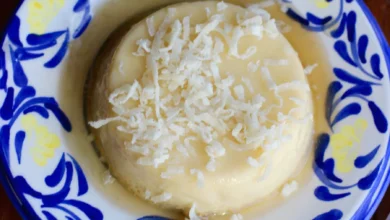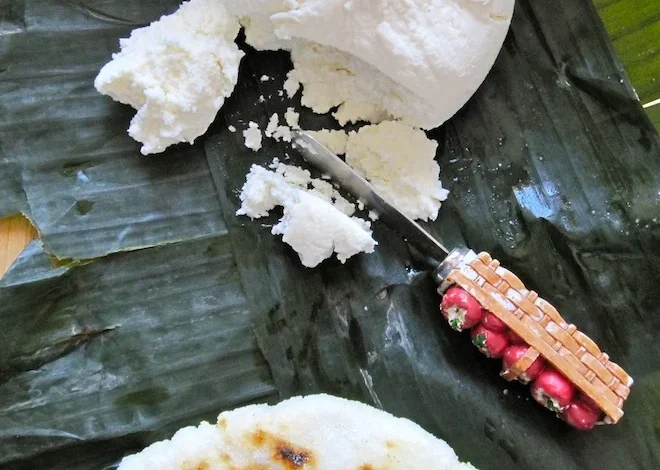
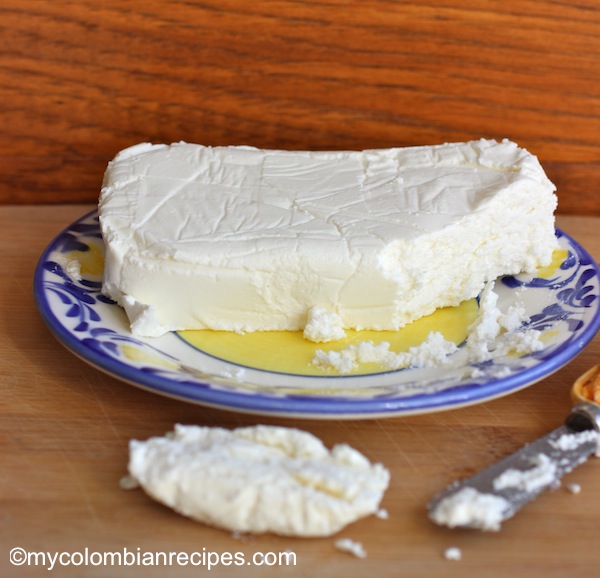
The culinary landscape of Colombia is defined by its deep-rooted regional traditions, and perhaps none are as fundamental to the daily domestic routine as the preparation of Quesito Colombiano. This quintessential fresh cheese, a staple in households across the Andean nation, represents a nexus of agricultural history and culinary simplicity. Characterized by its snowy white appearance, delicate texture, and mild, slightly salty flavor profile, Quesito is more than a mere food item; it is a cultural identifier often served as an accompaniment to arepas or utilized as a key component in the country’s vast repertoire of baked goods.

The Historical and Cultural Significance of Colombian Dairy
The production of fresh, unripened cheeses in Colombia dates back to the post-colonial era, influenced by the introduction of cattle by European settlers. Over centuries, the techniques for processing milk were adapted to the local climate and available resources. Unlike the aged, complex cheeses found in European markets, Colombian Quesito is a product of necessity and freshness. It belongs to the broader family of Latin American "queso fresco" varieties, but it maintains distinct regional characteristics influenced by the specific topography of the Colombian highlands.
Historically, dairy production in Colombia has been a decentralized, small-farm activity. Families would produce enough cheese for daily consumption or local trade, relying on traditional methods such as the use of rennet—an enzyme complex—or acidic agents like lemon juice and vinegar to coagulate the milk. This process turns liquid cow’s milk into the firm, curd-based cheese that defines the texture of a traditional Quesito.
Chemical Composition and Production Mechanics
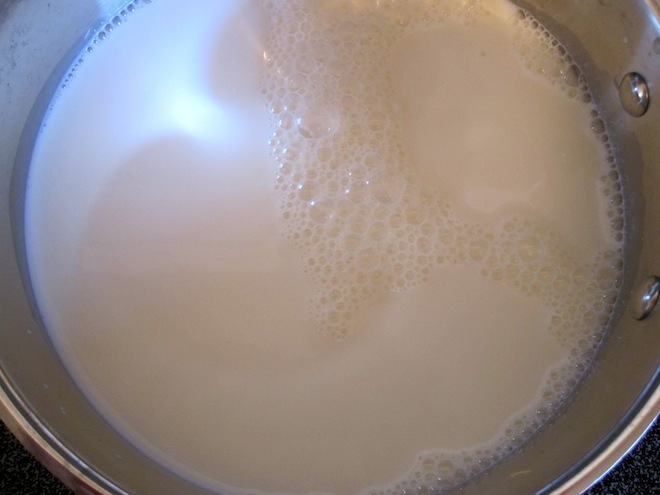
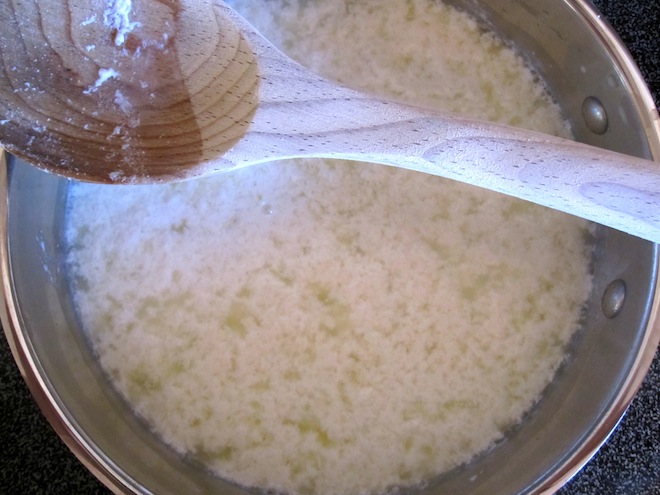
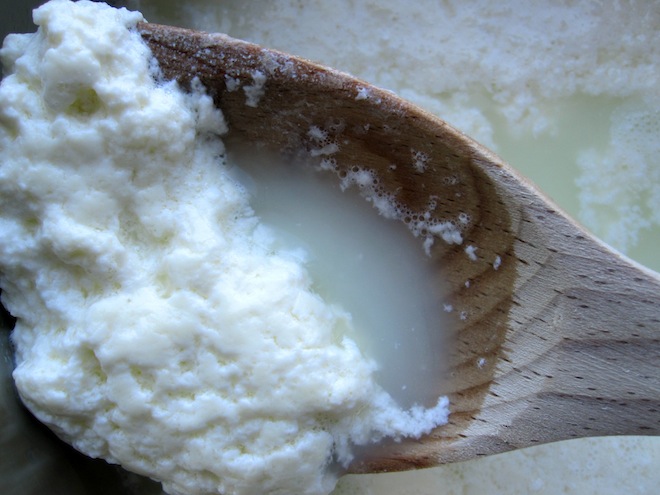
From a technical perspective, the production of Quesito is a lesson in dairy chemistry. The transition from milk to cheese is triggered by the alteration of the milk’s pH levels or the introduction of enzymes. When vinegar or citrus juice is added to heated whole milk, the acidic environment causes the casein proteins to denature and clump together, forming curds.
The process is relatively straightforward but requires precise temperature management to achieve the signature creamy consistency. The milk is typically heated to a specific threshold, followed by the controlled introduction of the acid. Once the curds separate from the whey—the liquid remaining after the milk has been strained—the curds are collected, salted, and pressed into molds. This method, while simple, allows for a high degree of moisture retention, which contributes to the characteristic "soft" bite of the cheese.
Economic and Dietary Impact
The consumption of dairy in Colombia is significant, with the national diet heavily reliant on products derived from bovine milk. According to agricultural data, the dairy sector is a primary pillar of the Colombian economy, supporting thousands of rural families. The popularity of products like Quesito ensures a consistent demand for raw whole milk.
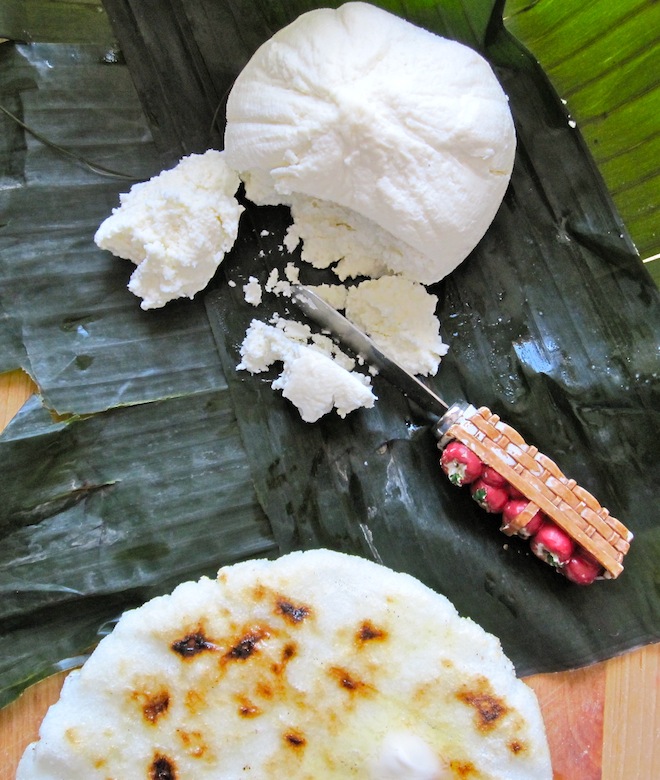
Nutritionally, fresh cheeses such as Quesito are noted for being high in protein and calcium. A single serving provides essential micronutrients, though it is also calorie-dense due to its fat content. In the context of a balanced Colombian breakfast, the pairing of an arepa—a corn-based patty—with a slice of Quesito provides a combination of complex carbohydrates and proteins, a pairing that has sustained the working population of the region for generations.
The Evolution of Homemade Dairy Traditions
In recent years, there has been a resurgence in the interest surrounding the home production of traditional cheeses. While industrialized, mass-produced versions of Quesito are widely available in supermarkets, the domestic preparation method remains highly valued by home cooks. This preference is driven by a desire for freshness and the avoidance of preservatives.
Culinary experts note that the homemade version offers a superior flavor profile, as it lacks the stabilizers required for commercial shelf life. The process has been popularized in the digital age by culinary educators who emphasize that the barrier to entry is low. A home cook requires only three basic ingredients: high-quality whole milk, an acidifying agent (typically white vinegar, lemon, or lime juice), and salt. The equipment needed is equally accessible, usually limited to a heavy-bottomed pot, a cheesecloth, and a press or mold.

Regional Variations and Culinary Applications
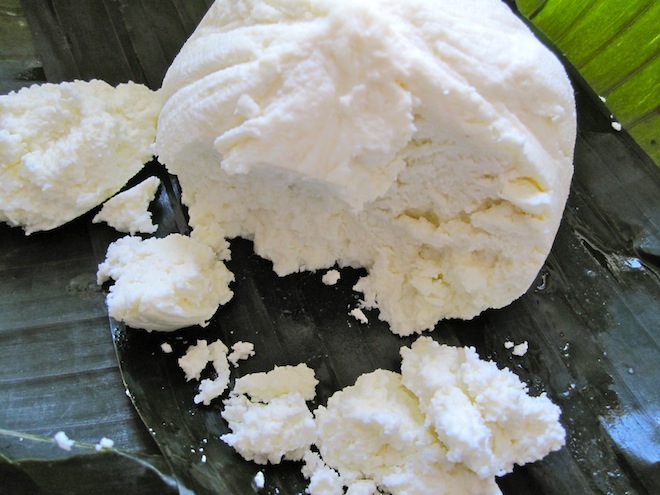
While the core method remains consistent across the country, variations exist in how Quesito is seasoned and served. In the Antioquia region, the cheese is often pressed into distinct cylindrical shapes, sometimes wrapped in banana leaves to impart a subtle, earthy aroma.
Beyond its use as a breakfast accompaniment, Quesito is integral to the production of several traditional Colombian baked goods:
- Pandebono: A popular cheese bread made with cassava starch and fresh cheese.
- Almojábanas: A delicate, rounded bread that relies on the moisture of the cheese to achieve its unique crumb.
- Dessert Pairings: Because of its mild profile, it is frequently served alongside sweet preserves or fruit pastes, such as guava paste (bocadillo), balancing the sweetness with a touch of salt.
Challenges in Preservation and Modernization
The primary challenge associated with fresh cheese is its perishability. Because Quesito is not aged, it has a high moisture content and a relatively neutral pH, making it an ideal environment for bacterial growth if not handled correctly. Modern food safety protocols emphasize the importance of pasteurizing the milk before the coagulation process begins.
As the Colombian diaspora grows, the demand for authentic products has crossed international borders. However, shipping fresh, unripened cheese remains logistically difficult. This has led to an increase in tutorials and instructional resources aimed at the global community, allowing those outside of Colombia to recreate the traditional flavors of their homeland using locally sourced ingredients.
Analysis of Future Trends
The future of traditional dairy products like Quesito lies in the balance between heritage techniques and modern food technology. There is a growing trend toward "artisanal" labeling, where producers focus on the quality of the raw milk—often sourced from grass-fed cows—to elevate the final product.
Furthermore, as consumers become more health-conscious, there is a shift toward understanding the source of dairy products. The simplicity of the Quesito recipe—which inherently contains no synthetic additives—positions it well within the current movement toward "clean label" eating. It is a testament to the fact that the most sustainable and nutritious food practices are often those that have been preserved through generations.
Conclusion
Quesito Colombiano remains a pillar of Colombian culinary identity. Whether it is prepared in a professional kitchen or in a home setting, the process remains a reflection of the country’s agricultural heritage. By understanding the science of its production and the history of its consumption, one gains a deeper appreciation for the role this simple, white cheese plays in the daily life of millions. As the culinary world continues to value authenticity and traditional methods, the humble Quesito is likely to maintain its status as an essential element of the global gastronomic landscape.