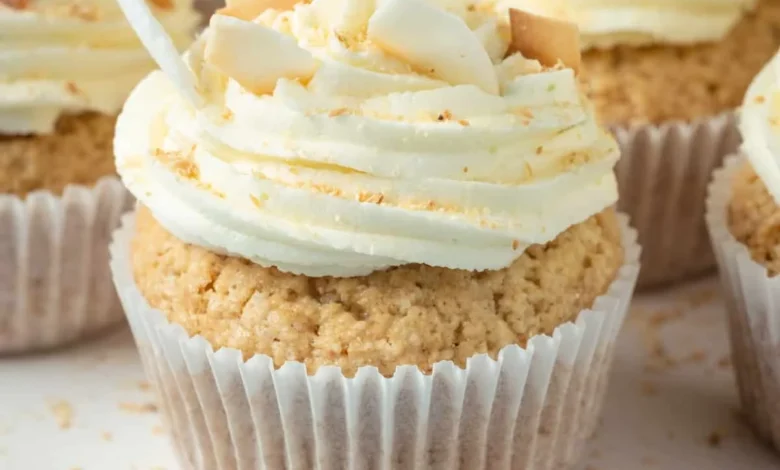
The popularity of plant-based confectionery continues to climb as home bakers and commercial pastry chefs alike seek to replicate traditional textures using non-dairy alternatives. Recent culinary developments have highlighted the emergence of the vegan coconut cupcake, a dessert that utilizes desiccated coconut and coconut-based fats to achieve a specific moisture profile and structural integrity without the use of eggs or dairy butter. As consumer demand for high-quality vegan alternatives reaches record levels—with the global plant-based food market projected to surpass $160 billion by 2030 according to industry analysts—recipes that bridge the gap between "specialty diet" and "mainstream indulgence" are becoming increasingly significant.

Culinary Evolution and Formulation
The formulation of a successful vegan cupcake requires a precise chemical balance, particularly when replacing the binding properties of eggs and the emulsifying power of dairy fat. The current iteration of the vegan coconut cupcake, which utilizes a combination of all-purpose flour, coconut oil, and desiccated coconut, represents a departure from earlier, more restrictive vegan baking methods.

In this specific recipe, the inclusion of one cup of desiccated or finely shredded coconut serves a dual purpose: it acts as a primary flavor agent while providing a structural density that mimics the richness of traditional sponge cakes. Culinary experts note that while plant-based batters often appear thicker than their conventional counterparts, the resulting crumb is frequently more stable. This stability is particularly advantageous for bakers looking to apply heavy, fat-based buttercreams, such as the coconut-lime variant typically paired with this dessert.

Chronology of Preparation and Technical Execution
The preparation process for these cupcakes follows a standard culinary timeline designed for efficiency and optimal aeration. The procedure begins with the dry component assembly, where flour, leavening agents, and the essential coconut element are integrated.

- Phase 1: Preparation of Aromatics. The process often begins by lightly toasting the desiccated coconut. This thermal treatment initiates the Maillard reaction, intensifying the coconut’s natural oils and adding a depth of flavor that raw shreds cannot provide.
- Phase 2: Batter Emulsification. The integration of wet ingredients into the dry mixture must be performed with controlled agitation. Over-mixing at this stage is a common point of failure in vegan baking, as it can lead to the development of excess gluten, resulting in a rubbery texture.
- Phase 3: Thermal Processing. The cupcakes are typically baked in a temperature-controlled environment of 350°F (175°C). The transition from liquid batter to set crumb usually requires 18 to 22 minutes, depending on the oven’s calibration.
- Phase 4: Finishing. The application of the coconut-lime buttercream—which relies on high-quality vegan butter substitutes and fresh citrus zest—must only occur after the cupcakes have reached room temperature to prevent the melting of the fat-based icing.
Nutritional Profile and Dietary Implications
From a nutritional standpoint, these cupcakes provide a caloric density consistent with standard artisanal baked goods. A single serving contains approximately 447 kcal, with 73 grams of carbohydrates and 17 grams of fat. While high in sugar (56 grams), the recipe’s reliance on coconut fat provides a profile distinct from the saturated fats found in animal-based butter.

For bakers working with dietary restrictions, the recipe presents specific challenges regarding gluten. While the current formulation utilizes all-purpose wheat flour, industry guidelines suggest that the transition to a gluten-free lifestyle requires the use of specialized flour blends. These blends, which incorporate binders like xanthan gum, are essential to maintain the structural integrity that wheat-based gluten would otherwise provide. In instances where a gluten-free blend is used, practitioners often recommend a slight increase in lipid content (such as coconut oil) to counteract the increased moisture absorption typical of rice or sorghum-based flours.

Industry Impact and Market Reception
The rise of such recipes signals a broader shift in the culinary industry. As major bakery chains and independent cafes adopt vegan-inclusive menus, the "no one will even guess it’s vegan" sentiment has become a primary metric of success. The objective is no longer to create a "vegan version" of a classic, but to create a high-quality product that happens to be vegan.

Data from recent food science reports suggest that consumers are increasingly prioritizing texture over perceived health benefits when choosing plant-based desserts. By focusing on the "dense and fluffy" texture profile—a middle ground between the airy nature of a standard vanilla cupcake and the weight of a dense pound cake—this recipe addresses the specific textural expectations of the mass market.

Storage, Preservation, and Food Safety
Adhering to food safety standards is critical, particularly when dealing with frostings that incorporate perishable ingredients. The shelf-life of these cupcakes is limited to two to three days at room temperature when covered. For extended storage, refrigeration is recommended, though the cupcakes must be returned to ambient temperature before consumption to ensure the buttercream reaches the appropriate mouthfeel.

The freeze-thaw stability of the product is also noteworthy. Because of the high fat content in the coconut and the stabilizing properties of the butter-based frosting, these cupcakes can be frozen for up to three months. This longevity makes them a viable option for batch preparation in commercial and domestic settings alike.

Broader Implications
The ongoing development of these recipes reflects a maturation in the vegan baking sector. No longer confined to niche health food stores, high-performance vegan recipes are now integrated into mainstream recipe databases, catering to a diverse demographic that includes those with lactose intolerance, egg allergies, and ethical dietary preferences. As the sector moves forward, the focus is expected to remain on optimizing the "mouthfeel" of plant-based fats and perfecting the structural integrity of egg-free binders.

Ultimately, the successful adoption of the vegan coconut cupcake serves as a case study in how simple, accessible ingredients—when applied with correct culinary techniques—can meet the high standards of modern consumer palates. Whether served at large-scale events or prepared in a home kitchen, the focus remains on delivering a balanced experience: the sharp, acidic profile of lime cutting through the rich, tropical sweetness of the coconut. As research into plant-based proteins and fats continues, it is highly probable that even more efficient and sustainable versions of these traditional favorites will emerge, further cementing the role of plant-based pastry in the global culinary landscape.