The Evolution of a Culinary Staple
The history of cream of mushroom soup is deeply rooted in mid-20th-century convenience cooking. Historically, the dish served as a base for various casseroles and sauces, typically relying on dairy-heavy roux and processed ingredients. The shift toward plant-based alternatives—such as the version pioneered by McCowan—represents a significant trend in the culinary arts: the transition from processed convenience to scratch-made, whole-food nutrition.
McCowan, a prominent figure in the plant-based community and a contributor to the influential platform Forks Over Knives, conceptualized this recipe as a testament to the versatility of fungi. Her approach was designed to retain the deep, earthy umami characteristics of traditional mushroom velouté while eliminating animal-derived lipids. The recipe’s recent update by Vegan Richa serves as a retrospective tribute to McCowan’s legacy following her passing, while simultaneously addressing modern kitchen demands for speed and simplified methodology.
Technical Adjustments and Methodology
The primary innovation in the updated preparation of this dish involves a departure from traditional, potentially hazardous liquid-transfer methods. In original iterations, the preparation required boiling the entire base before transferring hot liquid to a blender, a process that presents ergonomic and safety risks.
The refined technique involves a strategic bifurcation of the cooking process:
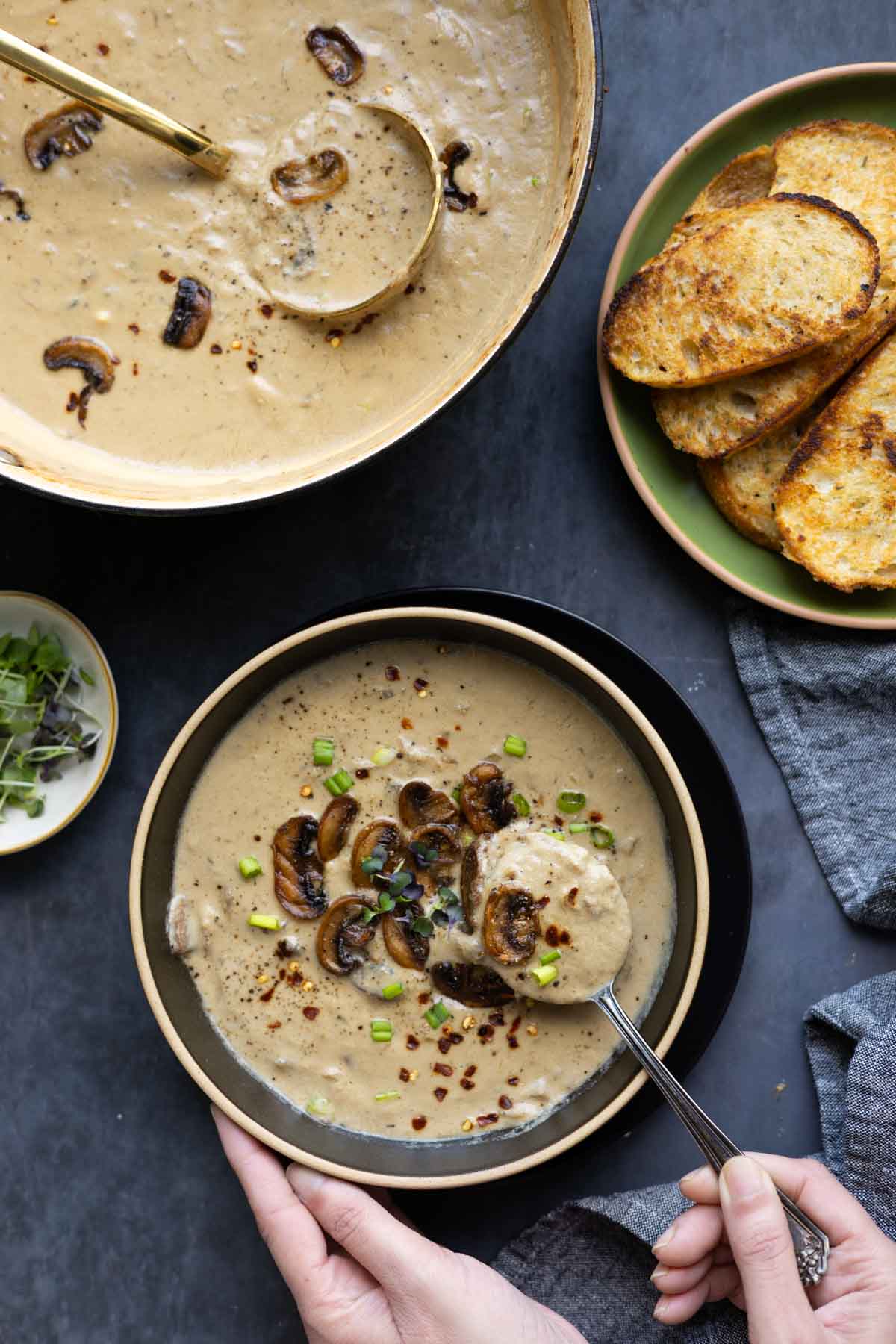
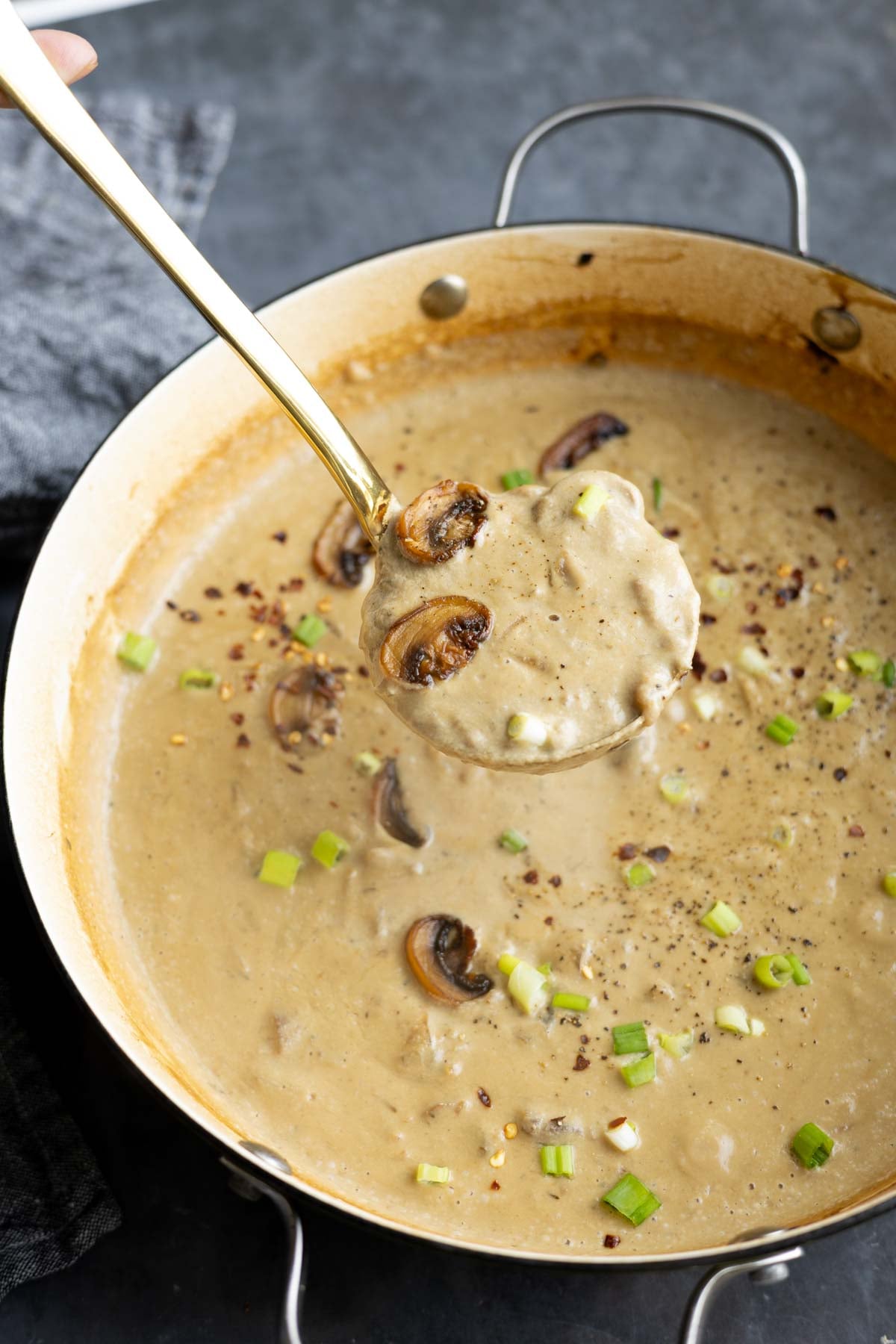
- Partial Blending: By blending only a portion of the sautéed mushrooms and aromatics with the cashew base, the cook achieves the desired viscosity without the need to manage large volumes of boiling, volatile liquid.
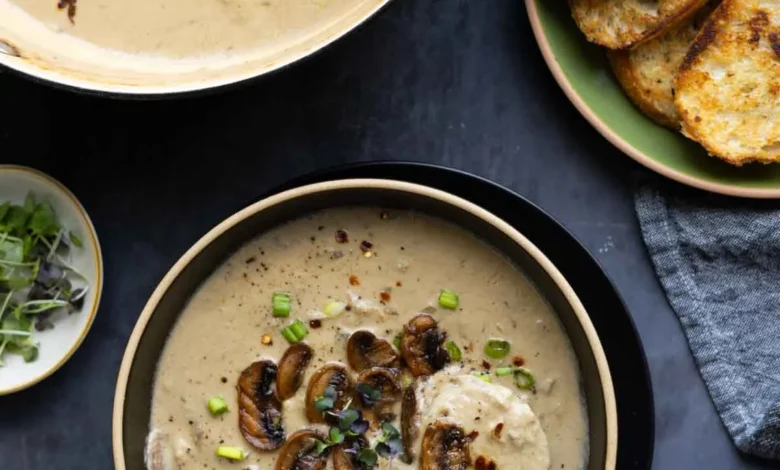
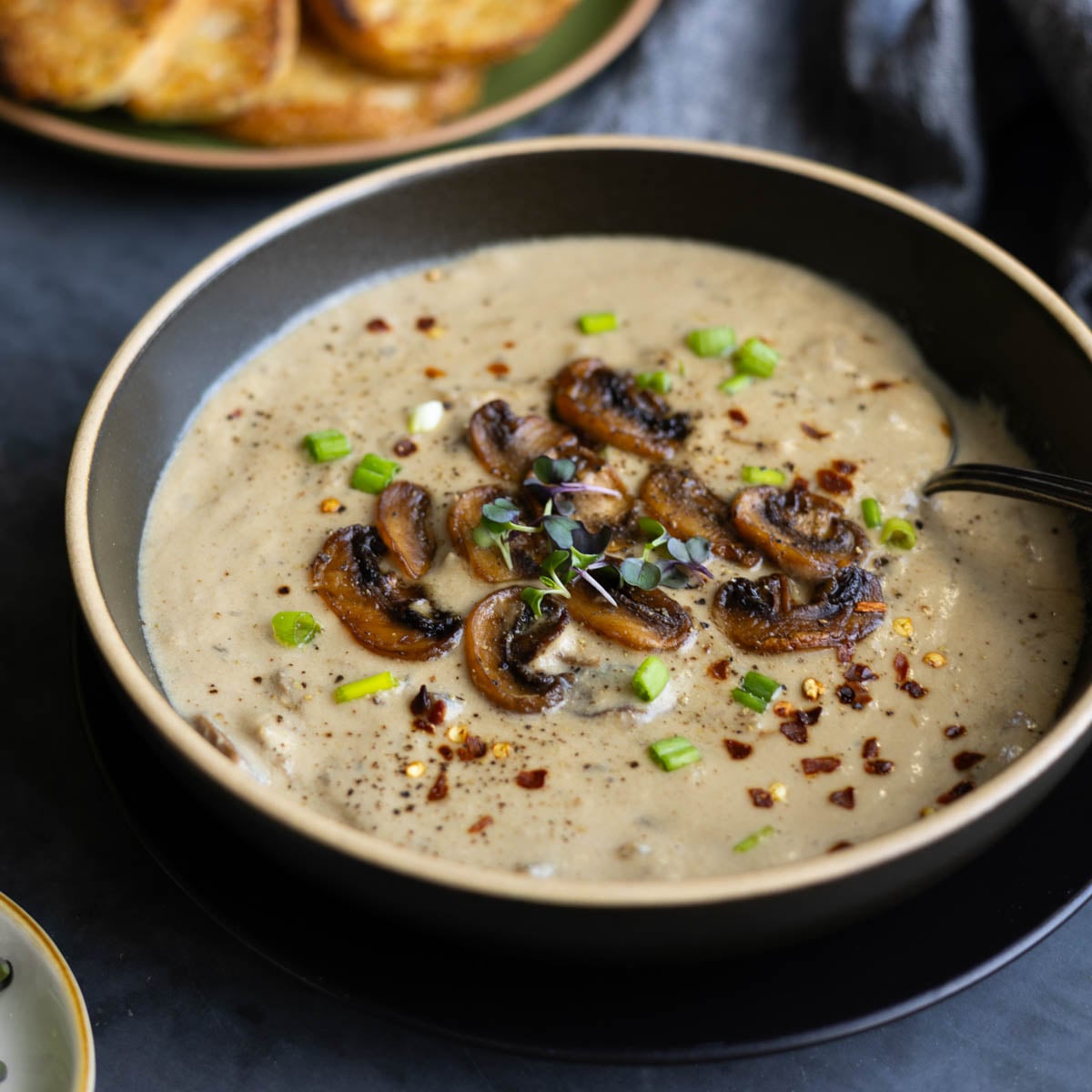
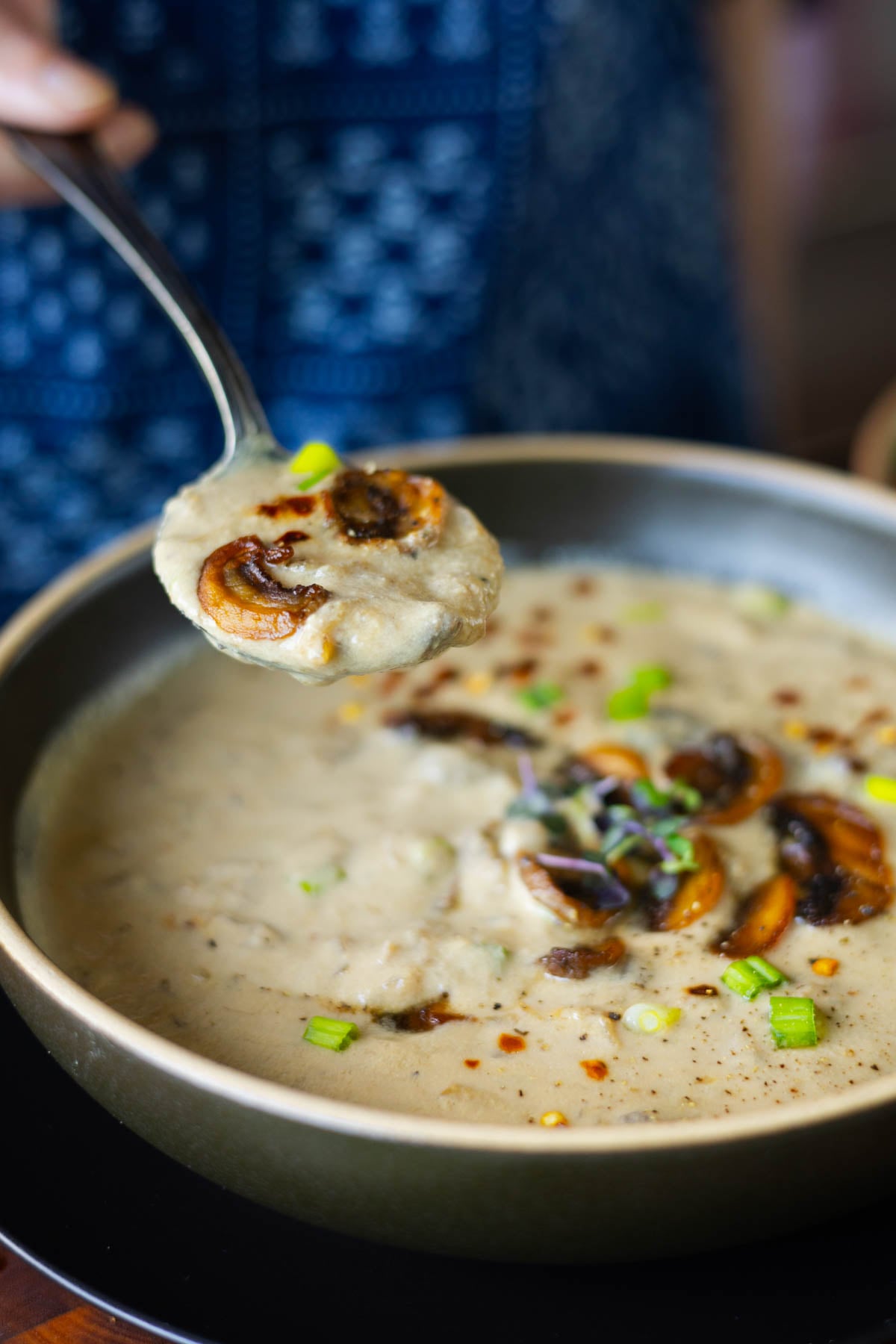
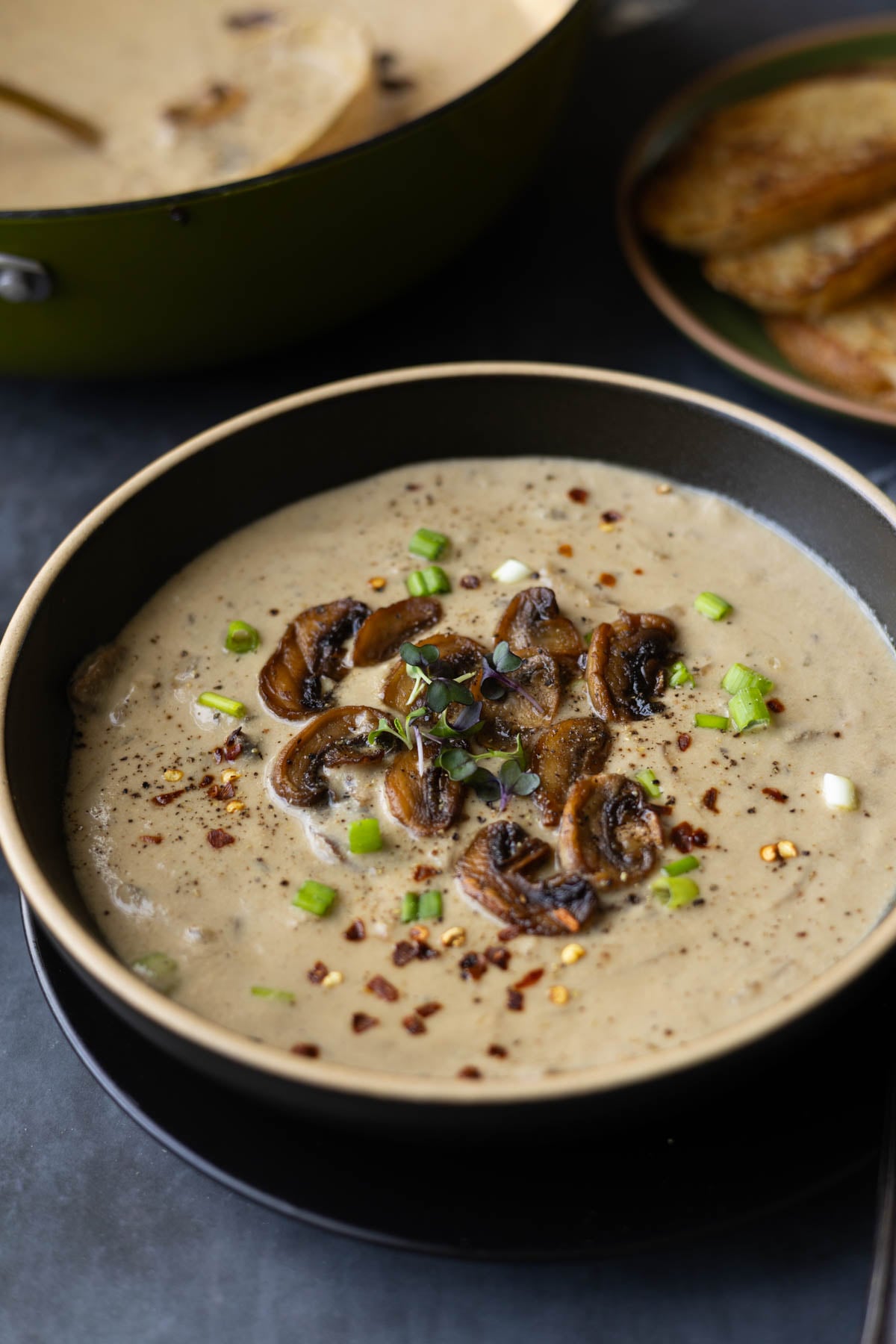
- Flavor Development: The incorporation of dry-sautéed mushrooms as a garnish provides structural contrast, while the deglazing of the primary pan with wine or balsamic vinegar facilitates the extraction of complex sugars and acids from the bottom of the vessel, enhancing the overall depth of the dish.
- Protein Optimization: While standard mushroom soups are often limited in macronutrient density, this recipe is formulated to deliver approximately 14 grams of protein per serving. By utilizing cashews as a fat and protein emulsifier—and offering alternatives like silken tofu, white beans, or hemp seeds—the recipe provides a balanced nutritional profile that supports satiety.
Nutritional Data and Dietary Implications
In the contemporary food landscape, allergen awareness is a critical component of recipe development. This dish addresses several key dietary requirements:
- Gluten-Free Compliance: By omitting wheat-based thickeners, the recipe remains naturally gluten-free, catering to the estimated 1% of the global population with celiac disease and a broader segment of the population following gluten-restricted diets.
- Soy-Free Potential: While the base recipe is inherently soy-free, the flexibility to swap cashews for other legumes or seeds ensures that individuals with nut allergies can safely consume the dish.
- Macro-nutrient Breakdown: A standard serving contains roughly 329 calories, with 27 grams of carbohydrates and 6 grams of fiber. The lipid profile is dominated by monounsaturated fats (11 grams), derived primarily from the nut-based cream.
From a physiological perspective, the inclusion of mushrooms—specifically varieties like Cremini or Portobello—provides essential micronutrients including selenium, potassium, and B vitamins. When combined with the protein-rich components, the soup functions as a nutritionally complete meal rather than a simple side dish.
Contextual Impact on Plant-Based Gastronomy
The sustained popularity of this specific recipe highlights a broader shift in consumer behavior. Data from market research firms such as NielsenIQ and the Plant Based Foods Association consistently show that consumers are moving away from restrictive diets and toward "flexitarian" approaches. Dishes that mimic the creamy mouthfeel of traditional dairy-based soups without the associated environmental footprint or dietary limitations are increasingly favored.
Furthermore, the "social history" of this recipe—its journey from a contributor’s kitchen to a widely adapted online staple—illustrates the power of digital community-building in the culinary space. When recipes are shared and iterated upon over a decade, they become part of a collective knowledge base. The decision to update the recipe with video tutorials and precise measurements reflects the industry’s shift toward highly accessible, data-driven content that prioritizes the user experience.
Expert Recommendations for Preparation
Culinary professionals and experienced home cooks often emphasize the importance of the "umami factor" in plant-based cooking. To elevate this soup beyond standard expectations, the following modifications are frequently suggested:
- Fermentation: Adding a small amount of white miso paste during the blending stage provides a fermented depth that mimics the aging process of traditional dairy cheeses.
- Acid Balancing: The use of balsamic vinegar as a substitute for wine is not merely a convenience; the acetic acid in the vinegar serves to brighten the heavy, earth-toned flavors of the mushrooms, ensuring the palate does not suffer from sensory fatigue.
- Aromatic Layering: The use of fresh herbs, such as thyme or rosemary, added at the final stage of the cooking process, preserves the volatile oils that are otherwise lost during the initial sautéing phase.
Future Outlook and Sustainability
As the demand for plant-based proteins continues to grow, the infrastructure for creating such meals is becoming more robust. The ability to use shelf-stable, simple ingredients like cashews, nutritional yeast, and vegetable stock means that this dish remains accessible across various economic strata.
The longevity of this recipe serves as a case study for future food development: it succeeds because it does not rely on highly processed "meat alternatives" but rather highlights the natural, inherent qualities of vegetables. As environmental concerns drive more consumers to prioritize plant-forward diets, recipes that emphasize simplicity, health, and historical connection—like this cream of mushroom soup—will likely continue to serve as foundations for future culinary innovations.
Ultimately, this dish represents the intersection of emotional heritage and practical nutrition. By acknowledging the contributions of figures like Somer McCowan, the modern iteration of this recipe preserves not only a specific method for cooking mushrooms but also the culture of generosity and communal health that has defined the growth of the plant-based movement over the last ten years. Whether prepared for a quick weekday meal or served as a foundational course in a more complex menu, the soup remains a testament to the viability and desirability of simple, plant-derived cuisine.