Culinary Origins and Regional Significance
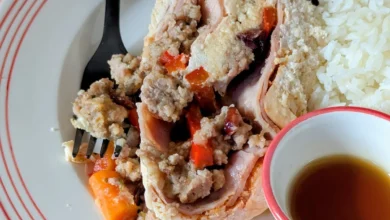
The term "sobrebarriga" translates literally to "over the belly," referring to the anatomical location of the cut of meat used in the recipe. In the United States, this cut is widely recognized as flank steak. The dish is deeply rooted in the domestic history of Colombia, where families have perfected the art of braising tougher cuts of beef into tender, flavorful meals. Historically, such dishes were reserved for Sunday gatherings, a time when extended families would congregate to share large, labor-intensive meals that required hours of preparation.
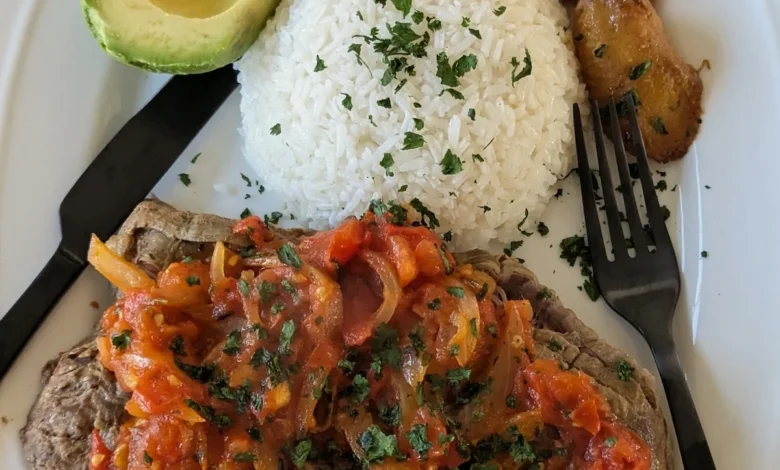
The foundation of the dish is the "salsa criolla," a quintessential Colombian condiment and cooking base. While recipes for this sauce vary from household to household, the fundamental components remain consistent: ripe tomatoes, onions, garlic, and an array of regional spices. This mixture is not merely a topping but an integral part of the braising process, allowing the acidity of the tomatoes and the sweetness of the onions to penetrate the dense fibers of the flank steak.
The Science of Preparation and Texture
The preparation of authentic Sobrebarriga en Salsa Criolla is an exercise in patience. Because flank steak is a lean, coarse-grained muscle, it is prone to becoming tough if cooked rapidly. Culinary experts emphasize that the success of the dish relies on the breakdown of connective tissues through prolonged, low-temperature cooking.

In traditional Colombian households, the process often began in an "olla pitadora," or pressure cooker, which remains a staple tool for modernizing the preparation of traditional recipes. By utilizing high-pressure environments, home cooks can reduce the cooking time significantly while maintaining the structural integrity of the meat. Conversely, the stovetop method, which involves a slow simmer over several hours, allows for the gradual development of a complex flavor profile, as the meat absorbs the essence of the aromatics and the cooking broth.
Nutritional Profile and Dietary Context
From a nutritional standpoint, the dish provides a substantial source of protein. A standard serving of 434 kcal typically contains approximately 51 grams of protein, making it a high-protein meal. The inclusion of onions and tomatoes contributes essential vitamins, including Vitamin A and Vitamin C.
While the dish is high in protein, the fat content is managed primarily through the choice of the cut and the cooking technique. The lean nature of the flank steak is balanced by the moisture of the creole sauce, ensuring that the final product is both satiating and nutrient-dense. Nutritionists often note that the traditional serving style—accompanied by white rice, avocado, and boiled potatoes—creates a balanced plate that offers a combination of complex carbohydrates and healthy fats, typical of Andean dietary habits.
Chronology of Consumption and Cultural Evolution
The evolution of Sobrebarriga en Salsa Criolla can be traced back to the post-colonial era, where the blending of European, Indigenous, and African culinary practices gave rise to unique regional cuisines. As urban centers like Bogotá expanded, the dish became a staple of both home cooking and professional culinary establishments.

Throughout the 20th century, the dish solidified its place as a weekend ritual. Data from regional culinary surveys indicate that while modern, faster-paced lifestyles have led to a decline in daily home cooking, the preparation of traditional braised meats remains a peak activity on weekends. This reflects a broader trend in global gastronomy where "slow food" movements are increasingly valued as a means of preserving family traditions and cultural identity.
Modern Adaptations and Kitchen Technology
In contemporary kitchens, the transition from traditional wood-fired stoves to electric, pressure, and slow-cooking appliances has had a measurable impact on the preparation of this dish. The "instant pot" or modern multi-cooker has emerged as a preferred tool for urban families who wish to maintain the traditional flavor profile without the extended time commitment.
Professional chefs have also begun to experiment with the dish, incorporating modern techniques such as sous-vide to ensure consistent tenderness. Despite these innovations, the core components of the recipe—the flank steak and the creole sauce—remain unchanged, proving the resilience of traditional flavor profiles in an era of culinary fusion.
Societal Impact and Culinary Diplomacy
The popularity of dishes like Sobrebarriga en Salsa Criolla has contributed to the rise of Colombian cuisine on the international stage. As Colombian chefs gain recognition globally, traditional recipes are being featured in upscale restaurants in New York, London, and Paris, serving as a form of cultural diplomacy. This international exposure has led to increased demand for specific regional ingredients, such as papas criollas (a small, yellow, buttery potato native to the Andes), which are now more accessible in global markets.

Moreover, the dish serves as a focal point for social cohesion. The communal aspect of preparing and consuming the meal is cited by sociologists as a vital element in maintaining strong family structures. The act of gathering around a table for a meal that took hours to prepare is viewed as an antidote to the isolation often associated with modern digital life.
Expert Analysis and Future Implications
The future of the dish lies in the balance between authenticity and convenience. As the culinary industry continues to move toward more sustainable meat consumption, the use of cuts like the flank steak—which is often overlooked in favor of more "premium" cuts—aligns with current trends in ethical eating and "nose-to-tail" cooking.
Market analysts suggest that the enduring popularity of such comfort foods points to a consumer preference for transparency and heritage. Ingredients like the tomato and onion used in the sauce are being sourced with greater attention to local farming practices, further anchoring the dish in its geographical origin.
Conclusion: A Legacy in Every Bite
Ultimately, Sobrebarriga en Salsa Criolla remains a testament to the ingenuity of Colombian cooks. By transforming a challenging cut of meat into a tender, savory centerpiece, the dish demonstrates the power of culinary technique to elevate humble ingredients. Whether prepared in a traditional clay pot or a modern stainless-steel pressure cooker, the result remains consistent: a hearty, nutritious, and deeply satisfying experience that continues to connect generations of families.

As the world of gastronomy continues to evolve, the preservation of such recipes is critical to maintaining the diversity of global food culture. For those looking to replicate this experience, the key remains the same as it was for the previous generations: choose quality ingredients, respect the time required for the braising process, and embrace the communal spirit that makes this dish a cherished part of the Colombian legacy. The dish serves as a reminder that the best meals are often those that require the most patience, rewarding the cook with a taste of home and a connection to the past.