The Ultimate Seasonal Comfort Food: How Butternut Squash Mac and Cheese is Transforming Fall and Holiday Menus Across American Kitchens

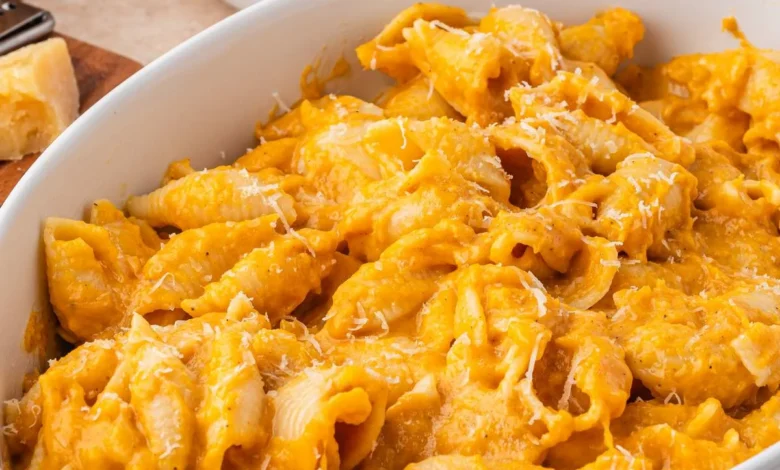
As autumn temperatures drop and households transition toward heartier, warming meals, home cooks and culinary professionals alike are continually seeking innovative ways to reinvent traditional comfort food staples. Among the most successful culinary evolutions in recent years is the integration of seasonal produce into classic comfort dishes. At the forefront of this trend is a modernized variation of a perennial American favorite: Butternut Squash Mac and Cheese. Blending the nostalgic creaminess of traditional macaroni and cheese with the earthy sweetness of fresh winter squash and a sophisticated blend of aged cheeses, this dish has rapidly transitioned from a niche seasonal experiment into a staple holiday side dish and weeknight favorite.
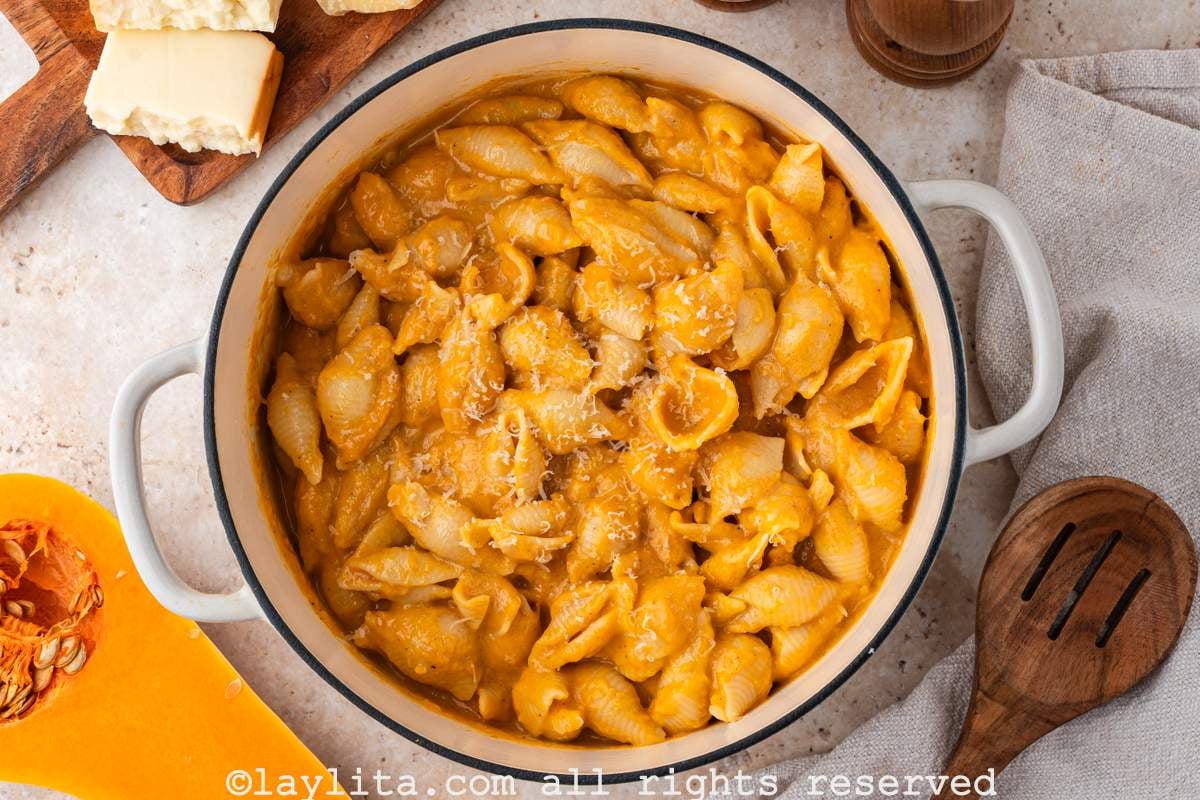
Culinary Evolution and Nutritional Integration
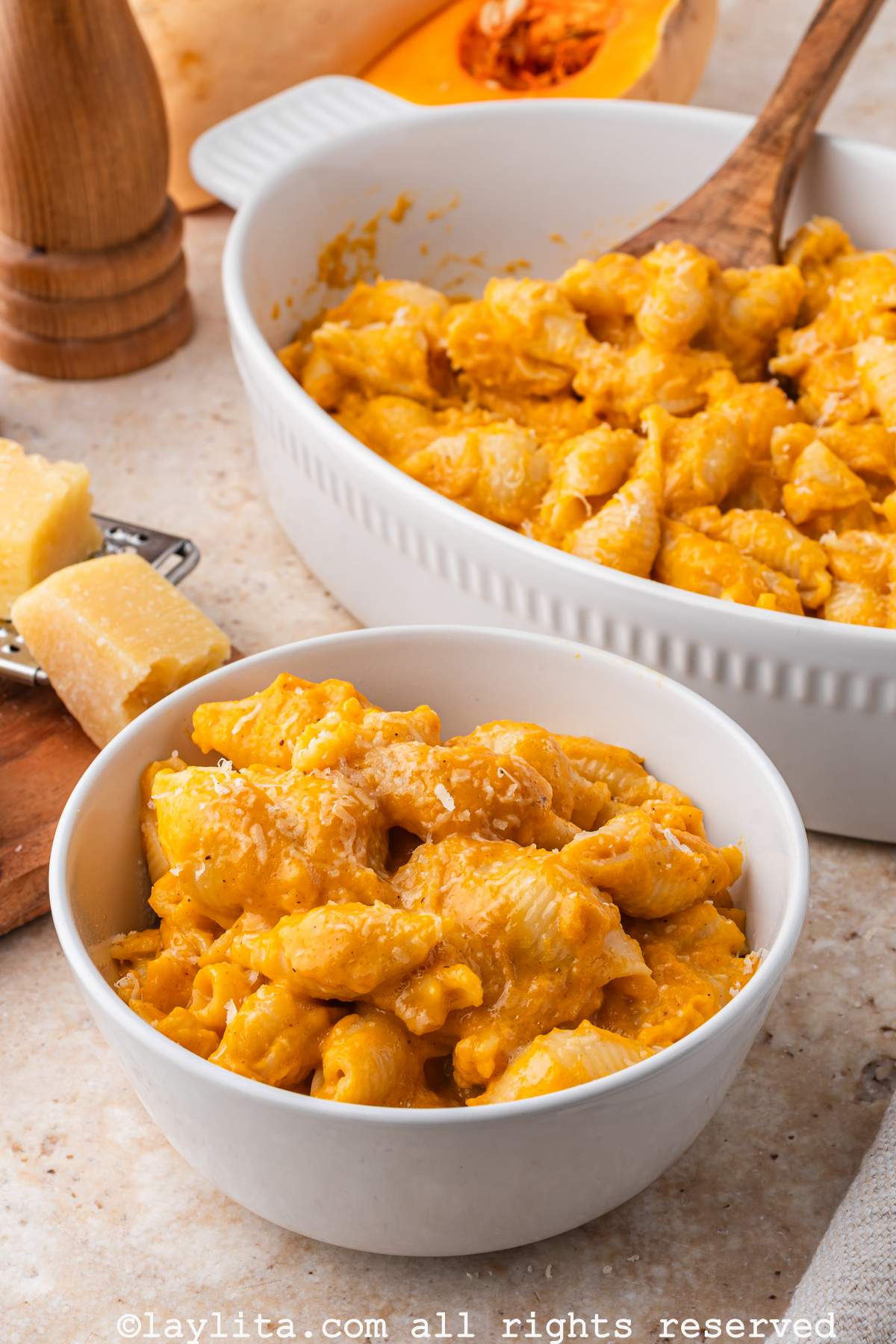
The conceptual origins of incorporating puréed squash into cheese sauces stem from a broader culinary movement emphasizing nutrient density, hidden vegetables, and scratch-made cooking. Traditional macaroni and cheese relies heavily on a standard roux, milk, and melted cheese—a combination beloved for its rich flavor profile but frequently criticized for its lack of complex nutritional value.
By introducing fresh butternut squash into the base, home cooks are able to significantly enhance the dish’s vitamin profile without sacrificing the luxurious, velvety mouthfeel associated with standard comfort foods. Butternut squash is naturally rich in beta-carotene, potassium, and dietary fiber, providing a vibrant, golden-orange hue that mimics and even surpasses the visual appeal of processed cheese powders or heavy orange cheddars. Furthermore, the natural sweetness of the squash creates a balanced flavor profile when juxtaposed with the sharp, savory notes of aged cheeses.
Anatomy of the Recipe: Ingredients and Flavor Profiling
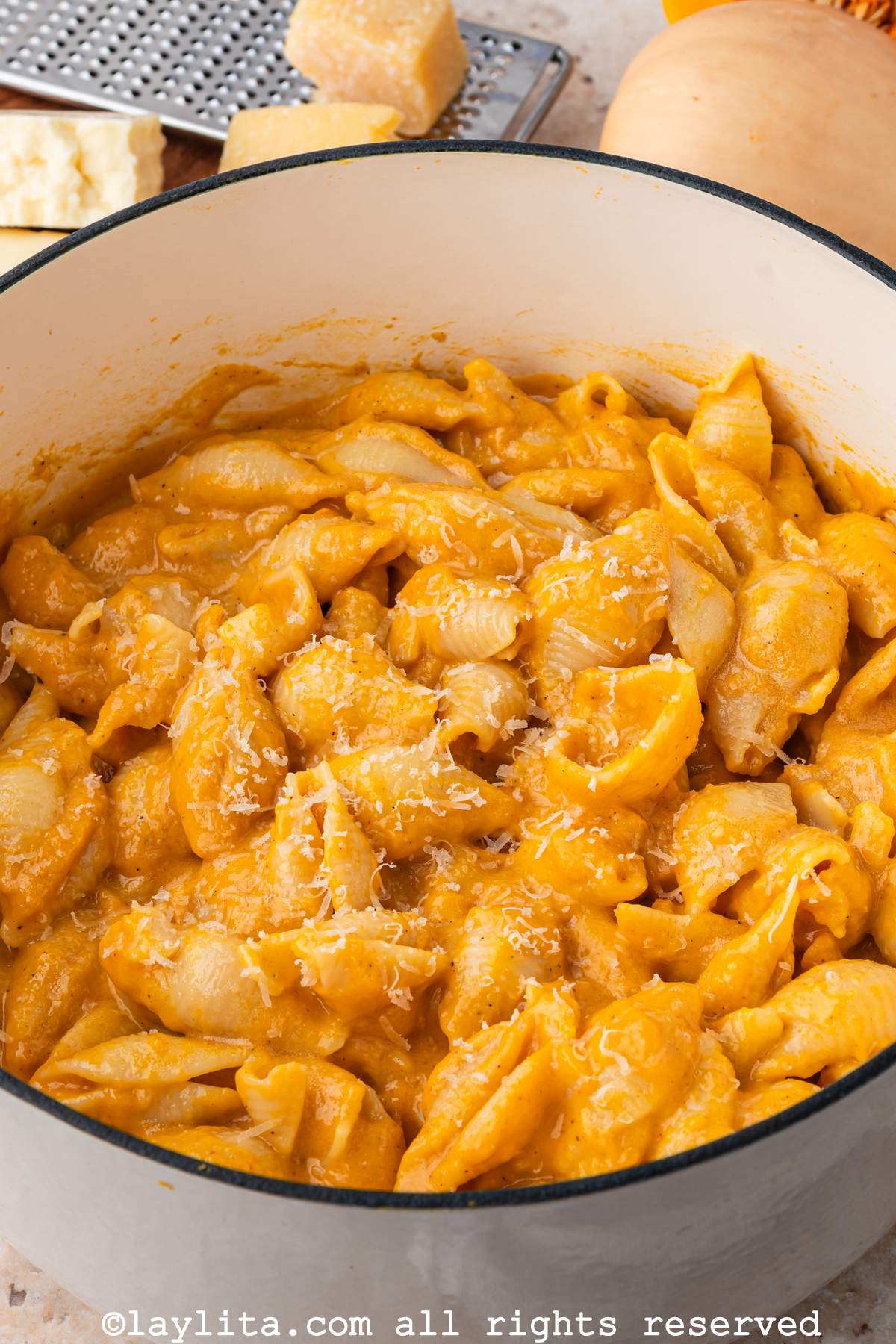
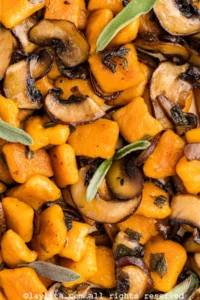
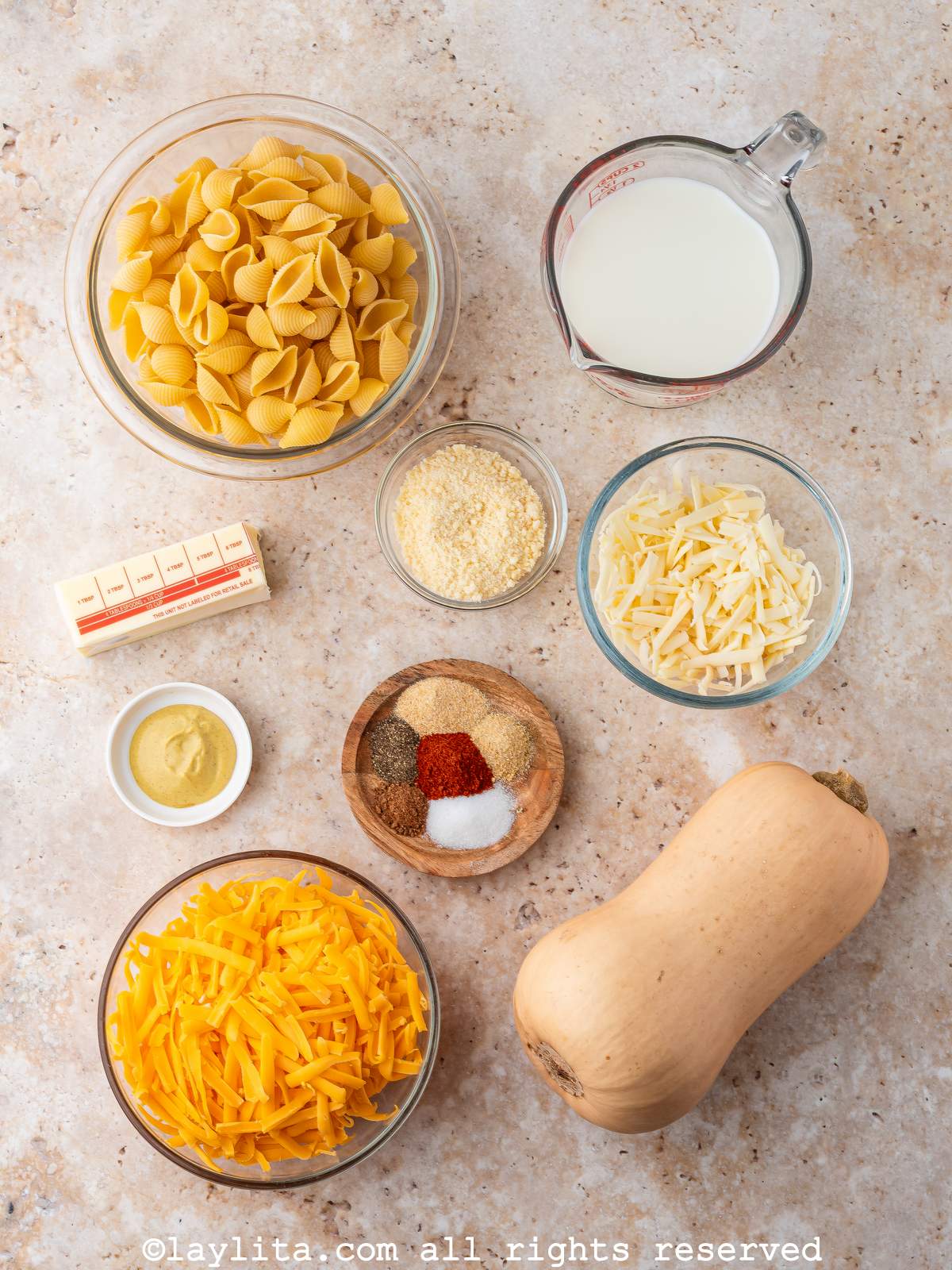
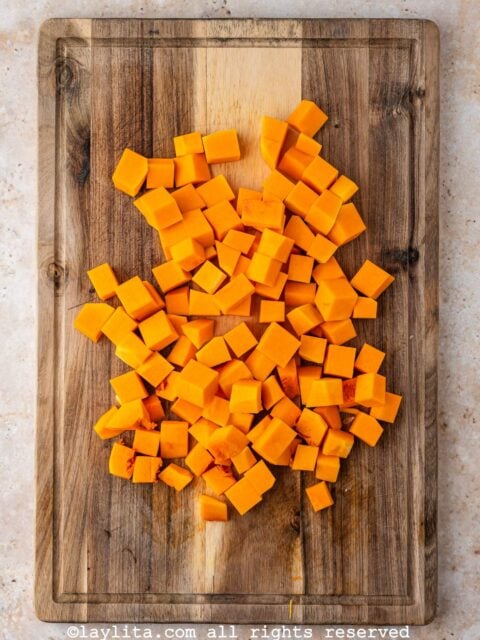
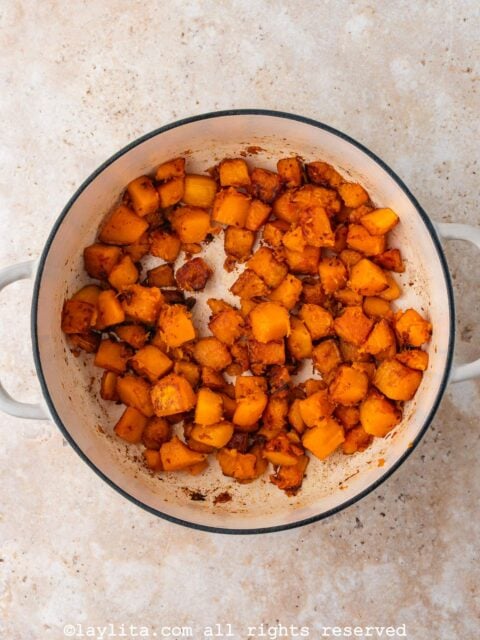
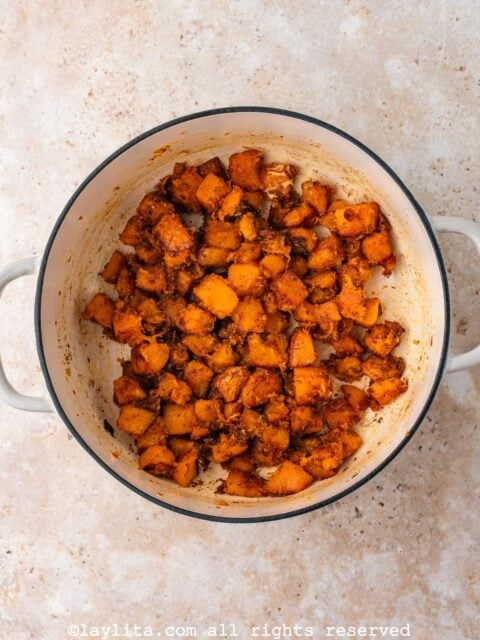
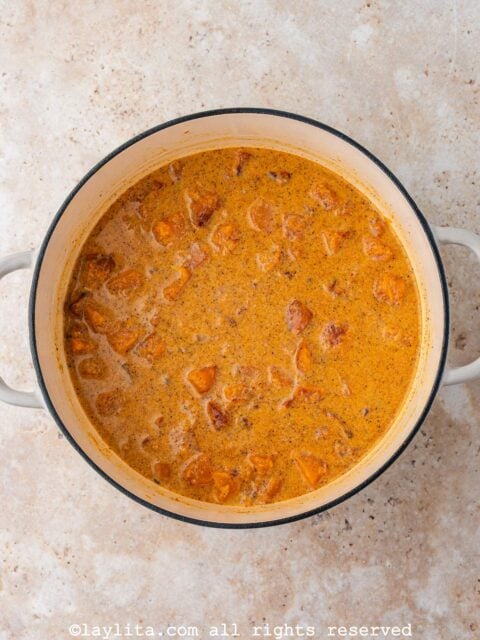
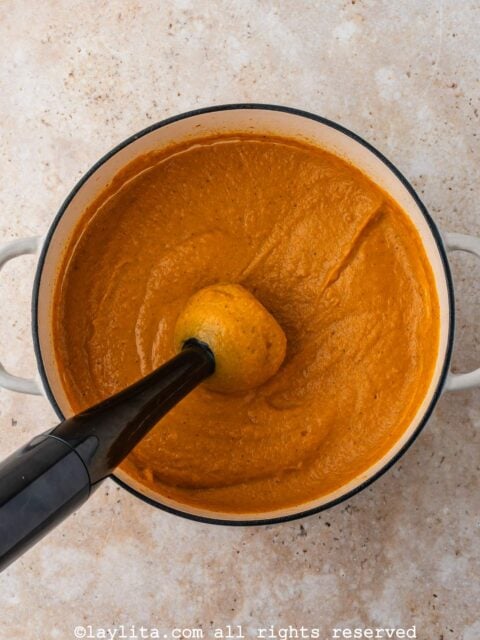
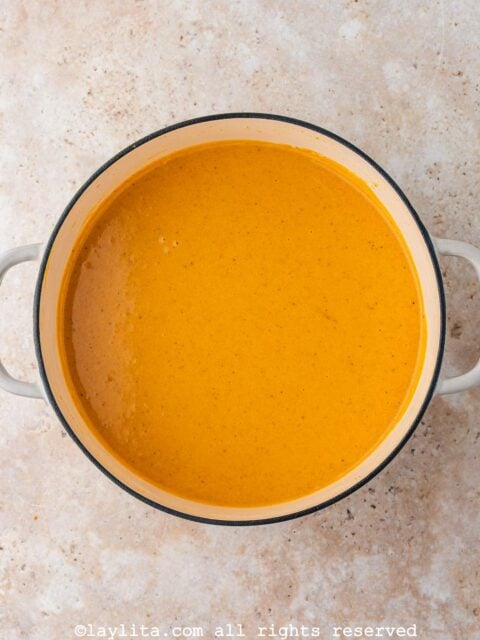
Culinary experts note that the success of butternut squash mac and cheese relies on a precise balance of dairy, aromatics, and spices. The sauce base typically begins with roasted or simmered fresh butternut squash, which is blended smooth with butter and milk to form a rich purée.
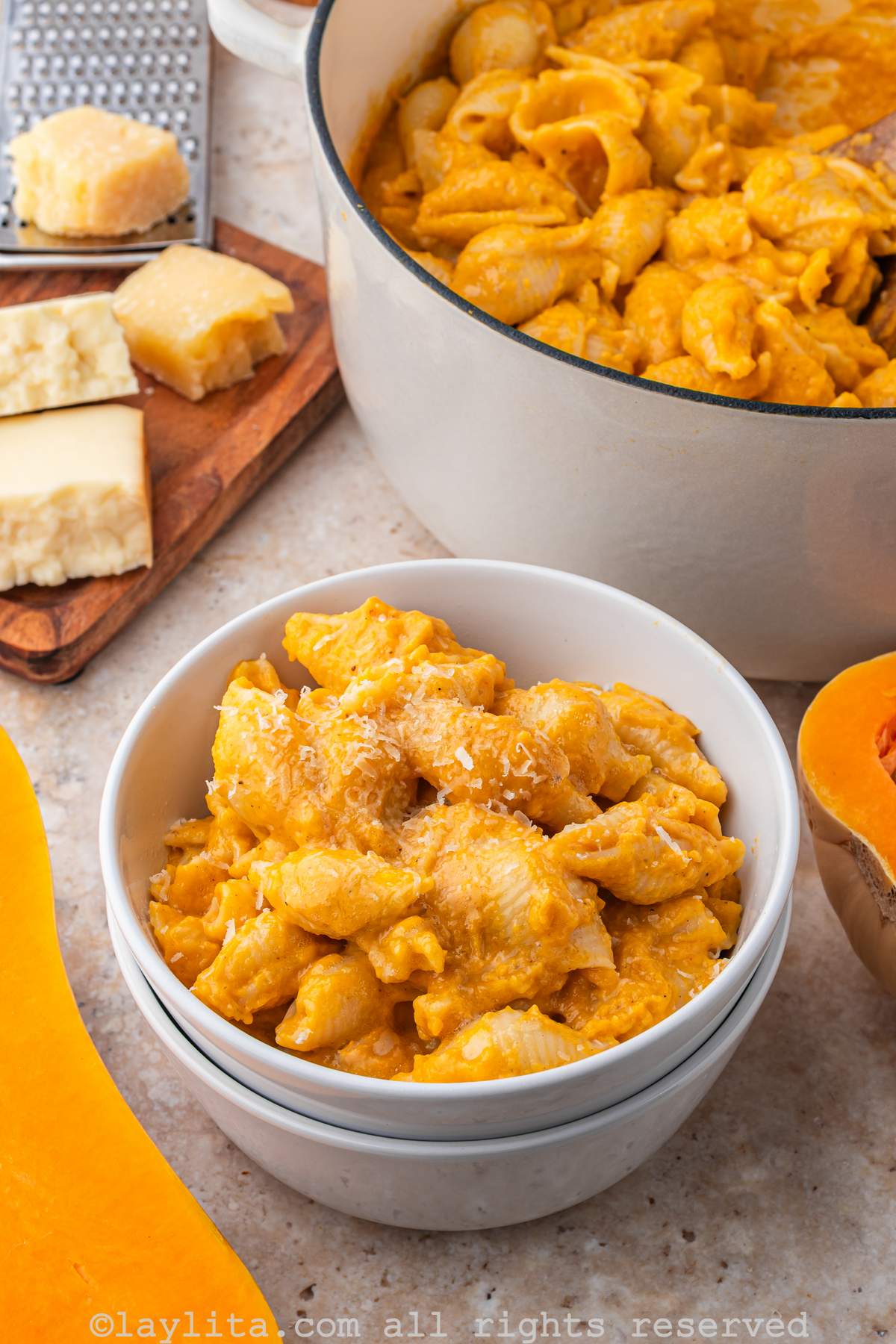
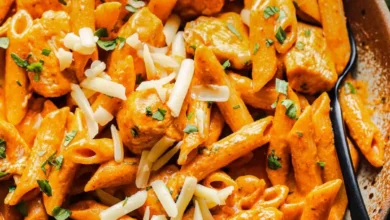
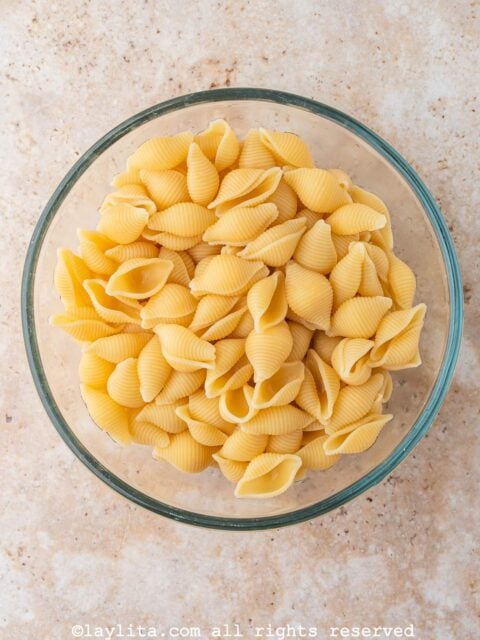
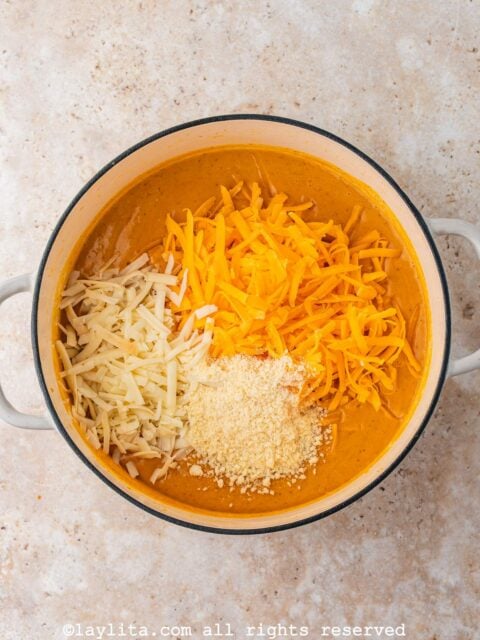
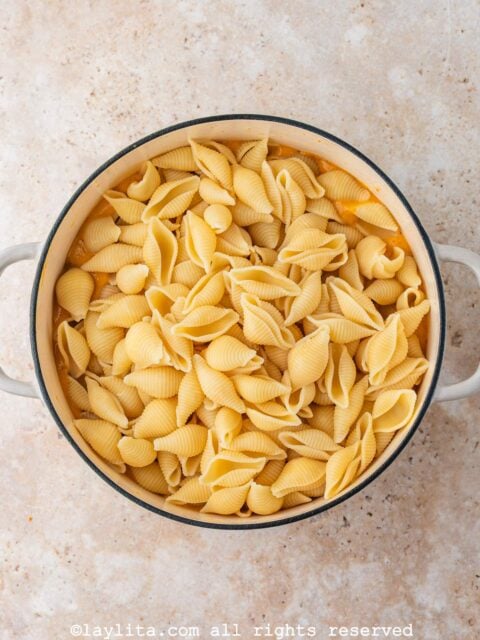
To elevate the dish beyond a simple vegetable mash, standard recipes incorporate a sophisticated trio of cheeses: sharp cheddar for classic tang, nutty Gruyère for meltability and depth, and Parmesan for a savory umami finish. The seasoning matrix is equally critical; a careful combination of garlic powder, onion powder, and smoked paprika introduces a subtle earthiness and depth, while a pinch of nutmeg accentuates the natural sweetness of the squash. Pasta shapes with ample surface area and crevices—such as shells, cavatappi, or traditional elbow macaroni—are utilized to ensure maximum sauce adherence in every bite.
Family Appeal and Dietary Adaptability
One of the primary drivers behind the widespread adoption of butternut squash mac and cheese is its versatility in multi-generational households, particularly among families managing picky eaters. The incorporation of a smooth vegetable purée allows parents to seamlessly introduce nutrient-rich ingredients into a familiar, highly palatable format.
Moreover, the recipe’s adaptability allows for culinary customization. Cooks can easily adjust or omit specific spices to cater to sensitive palates or alter the cheese blend based on dietary preferences. For households seeking a vegetarian centerpiece or a sophisticated side dish for holiday gatherings, the dish delivers on both aesthetic and dietary fronts without requiring complex culinary techniques.
Pairing, Presentation, and Multi-Course Integration
Food editors and culinary stylists emphasize that butternut squash mac and cheese functions effectively as both a robust vegetarian main course and a complementary side dish. When served as part of a larger holiday spread—such as Thanksgiving or winter solstice celebrations—the dish pairs harmoniously with roasted proteins, including chimichurri-roasted chicken or apple cider-glazed pork loin.
To counterbalance the richness of the cheesy pasta, culinary professionals recommend serving the dish alongside crisp, acidic salads. Popular pairings include endive salads with sharp cheese, classic tomato and avocado salads, or vibrant arugula dressed with strawberries and goat cheese. These complementary elements cut through the heaviness of the dairy and squash, creating a balanced and cohesive dining experience.
Preparation, Make-Ahead Strategies, and Storage Logistics
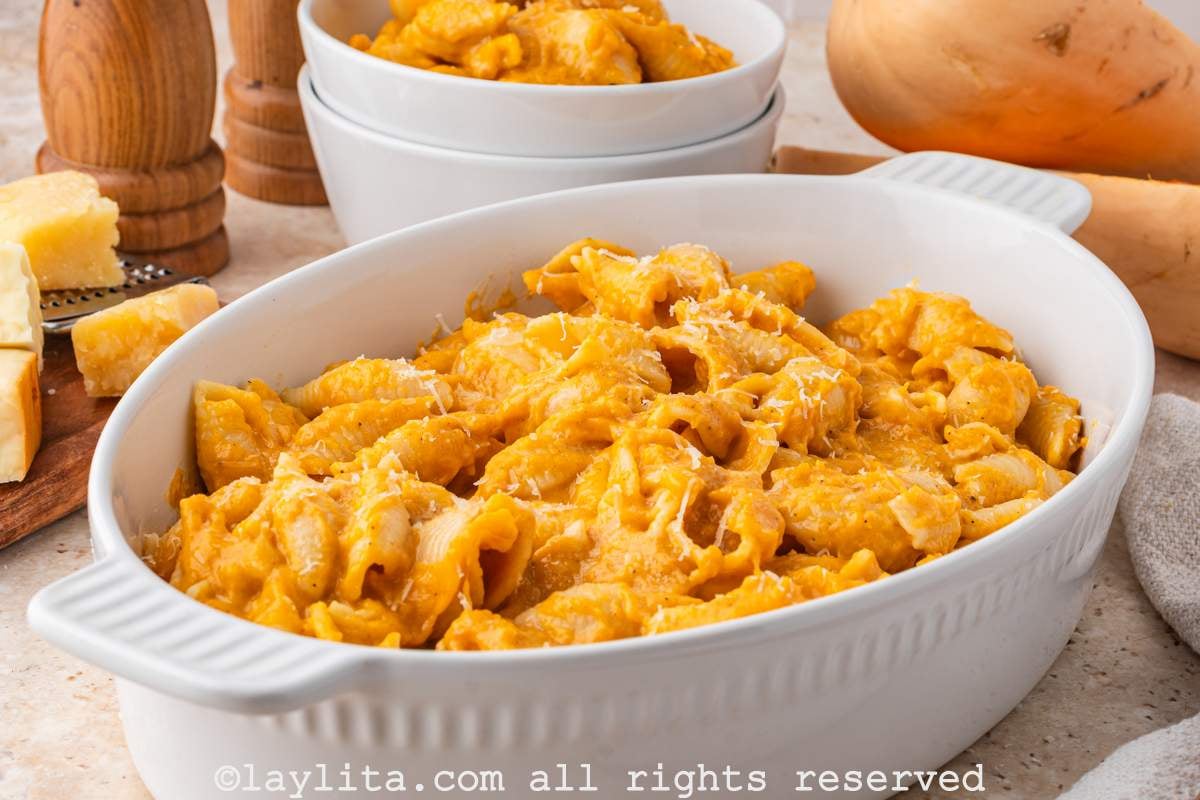
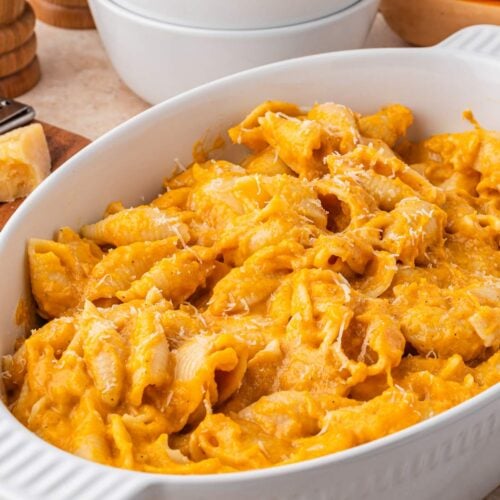
For home cooks navigating the logistical challenges of holiday entertaining, butternut squash mac and cheese offers significant advantages in meal preparation. The entire dish can be assembled in advance, transferred to a casserole dish, and refrigerated or frozen prior to baking.
Culinary technicians advise that when reheating prepared dishes, maintaining low temperatures (such as 160°F in an oven) prevents the cheese sauce from breaking or separating. Adding a splash of milk or broth during the reheating process helps restore the sauce’s initial velvety consistency. For added texture, chefs frequently recommend finishing the casserole with a crunchy topping composed of panko breadcrumbs, melted butter, and a final dusting of Parmesan before a brief stint under the broiler.
Broader Cultural Implications and Seasonal Food Trends
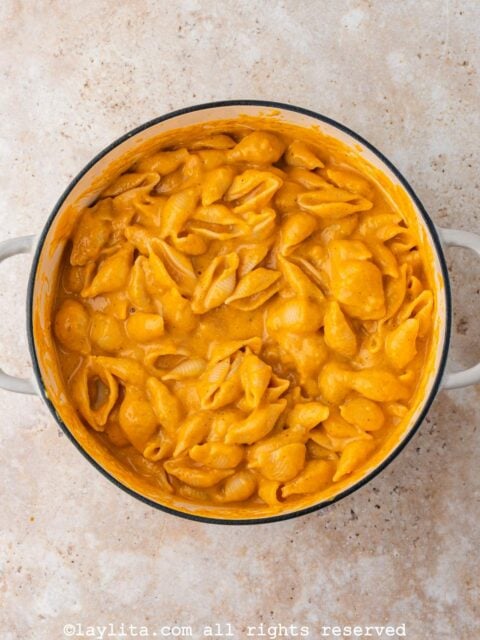
The popularity of butternut squash mac and cheese reflects a broader consumer shift toward seasonal eating and the reinterpretation of comfort foods using whole, fresh ingredients. As consumers increasingly prioritize scratch cooking and nutritional awareness during the autumn and winter months, recipes that bridge the gap between indulgence and wholesome nutrition continue to dominate culinary media and home kitchens alike.
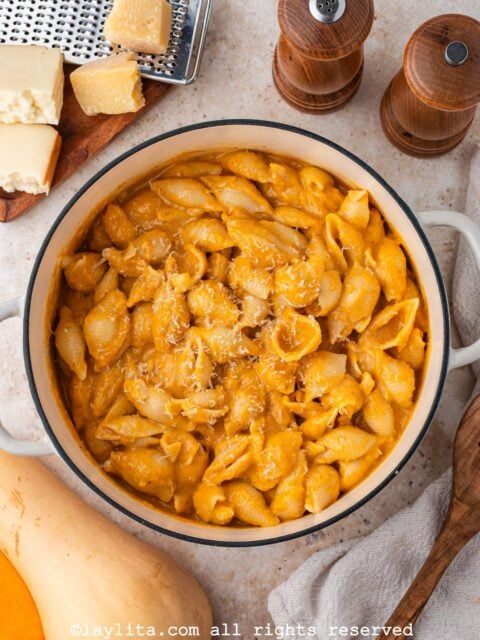
By transforming a humble winter squash into the foundation of a gourmet cheese sauce, modern home cooks have successfully elevated a childhood staple into a versatile, sophisticated dish capable of commanding a place at both casual family dinners and formal holiday tables.