Authentic Moo Shu Pork: A Culinary Exploration Beyond the Takeout Menu

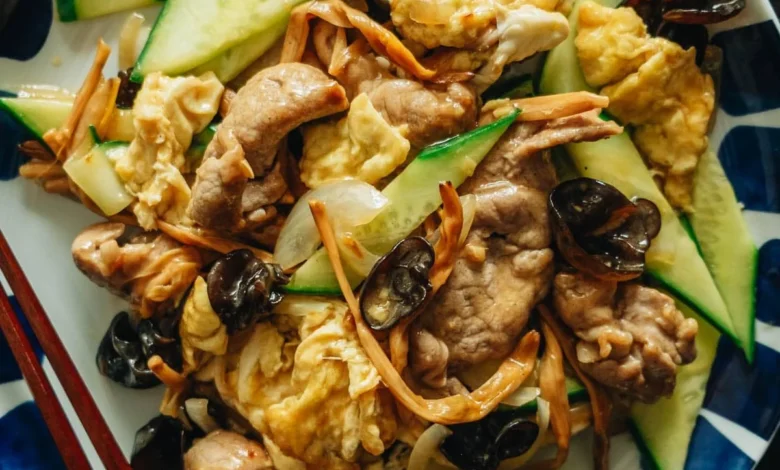
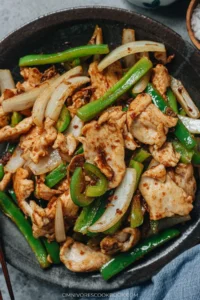
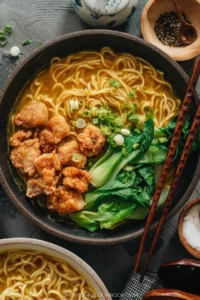
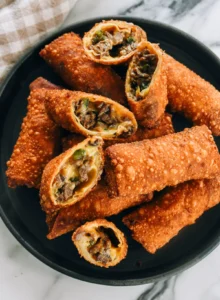
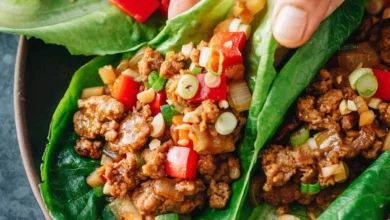
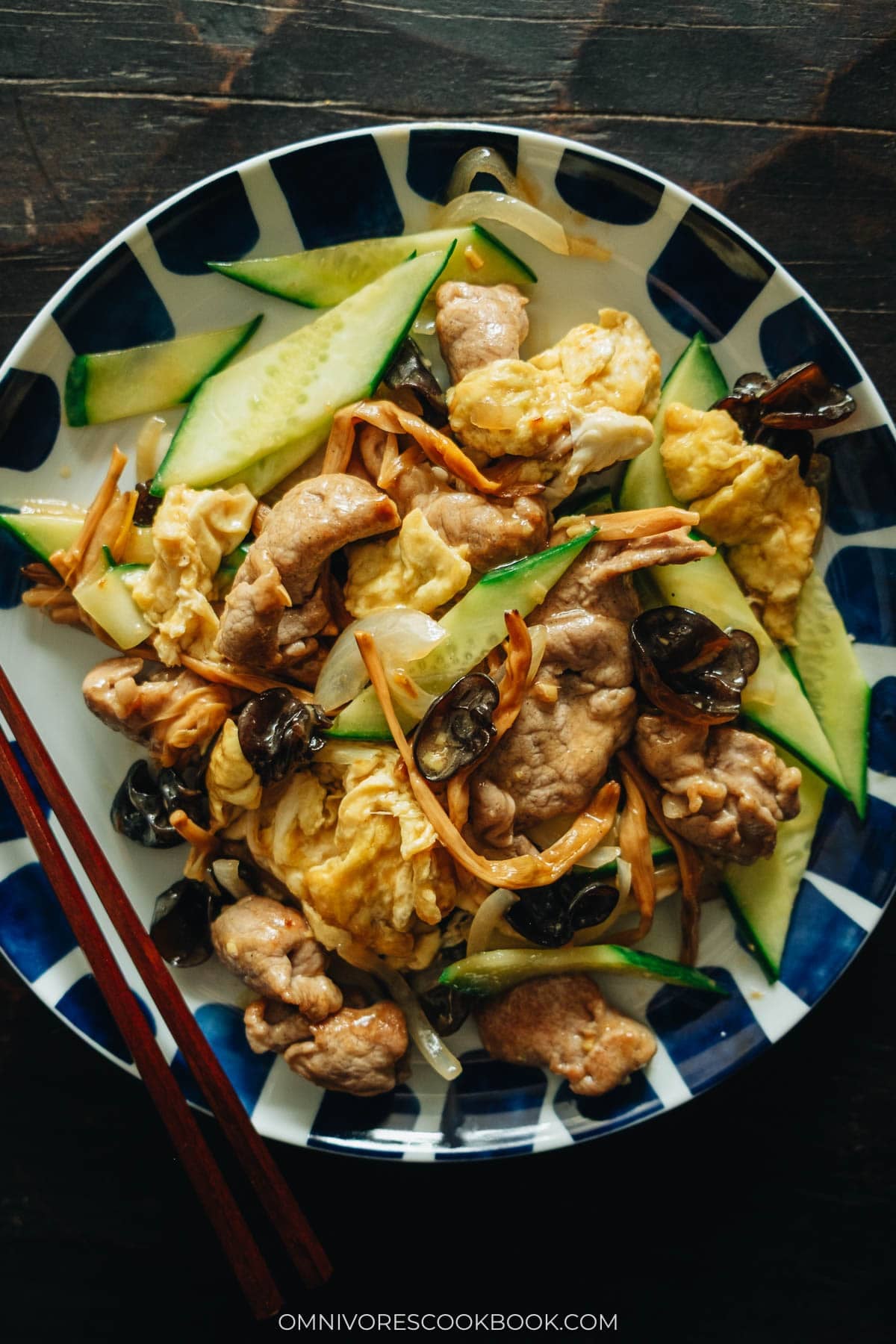
The global perception of Chinese cuisine has long been shaped by regional adaptations introduced to Western markets during the mid-to-late 20th century. Among the dishes most heavily transformed is moo shu pork. While Americanized versions of the dish typically feature a dense mix of shredded cabbage, pork, and dark sweet sauces wrapped in thin, flour-based pancakes with hoisin sauce, the authentic northern Chinese home-style preparation diverges significantly. Originating as an everyday, nutrient-dense household meal in Beijing, traditional moo shu pork relies on a delicate balance of textured proteins, indigenous dried forest botanicals, and fresh crisp vegetables, served atop a bed of steamed white rice rather than wrapped in a pastry shell.
Historical Context and Cultural Significance
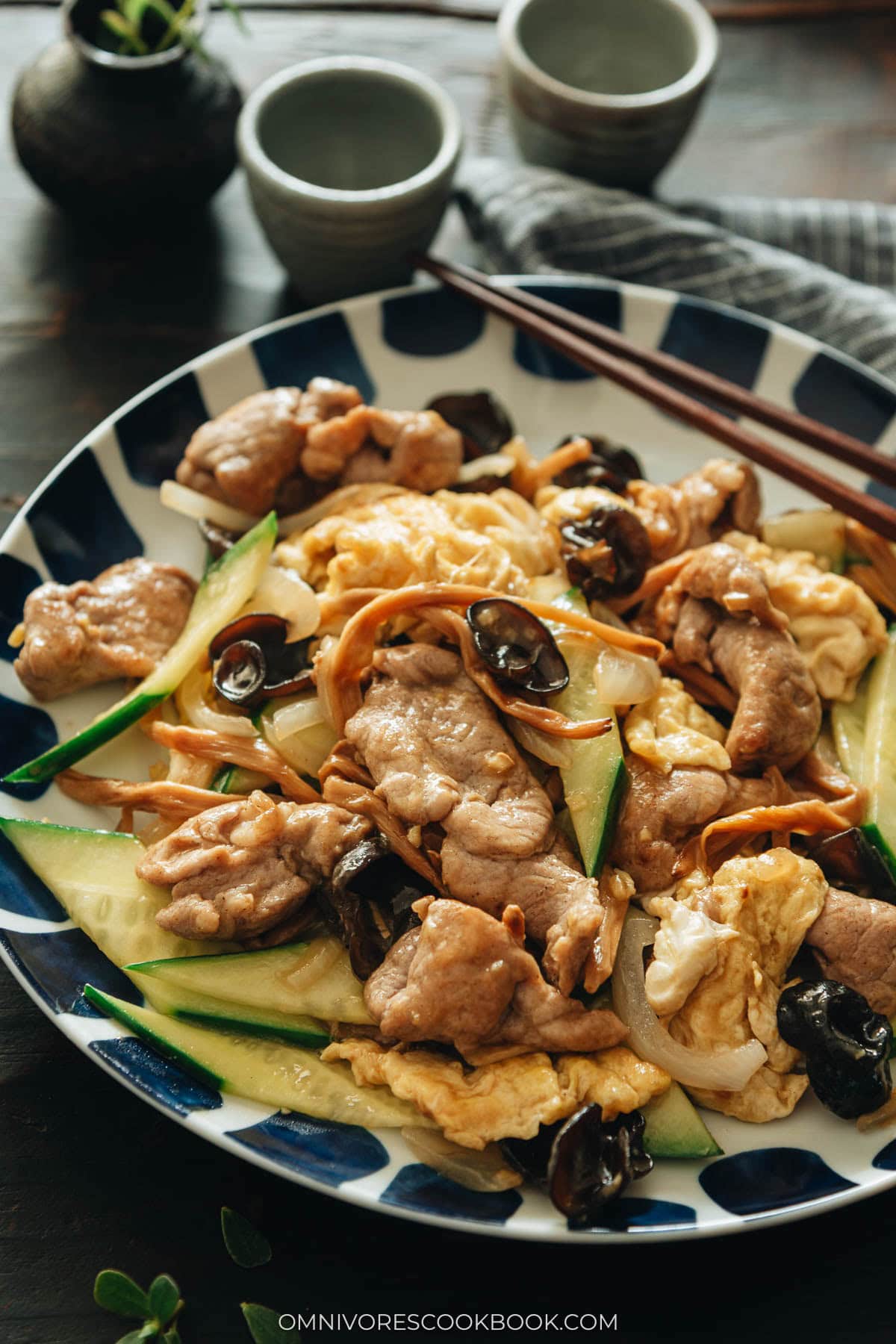
In northern Chinese households, particularly in Beijing, traditional dishes were historically designed around the principle of resourcefulness, maximizing limited quantities of meat through combination with abundant pantry staples and seasonal produce. Moo shu pork (often written in Mandarin as 木樨肉) exemplifies this philosophy. Rather than utilizing heavy cuts of meat or concentrated sweet condiments, culinary traditions from the region prioritize individual ingredient integrity, utilizing high-heat wok techniques to preserve texture, color, and nutritional value.
The classic formulation of the dish incorporates thinly sliced pork tenderloin, scrambled eggs, rehydrated wood ear mushrooms, and dried lily flowers, seasoned minimally with salt, light soy sauce, and chicken stock. Historically, the inclusion of eggs and mushrooms served a dual purpose: they provided essential amino acids and dietary fiber while stretching a fraction of a pork tenderloin to adequately feed an entire family. This structural economy made the recipe a staple of domestic cooking across northern China long before commercial establishments exported a modified, wheat-wrap iteration abroad.
Nutritional Profile and Ingredient Mechanics
A standard home-style serving of authentic moo shu pork yields a balanced macronutrient profile, typically containing roughly 376 kilocalories per 266-gram portion, alongside 23.8 grams of protein, 9.6 grams of carbohydrates, and 27.1 grams of fats. The structural foundation of the dish relies heavily on specialized ingredients native to traditional Asian pantries:
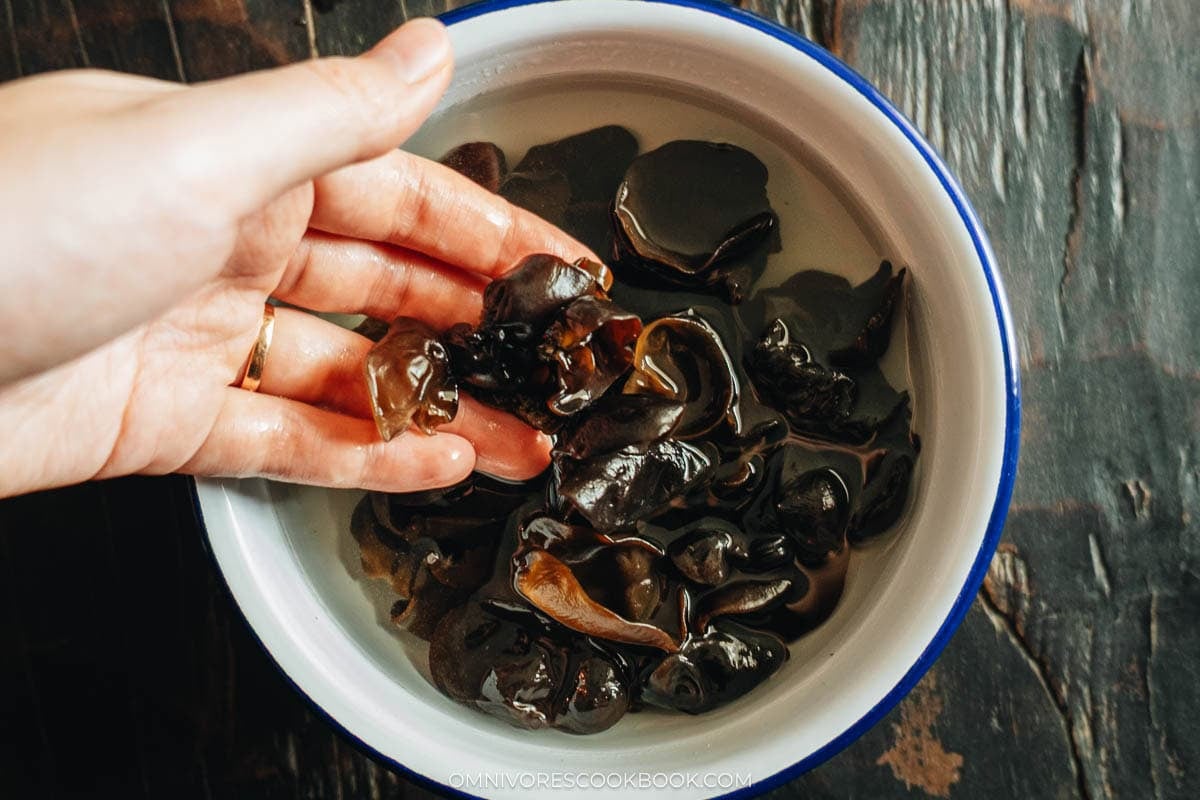
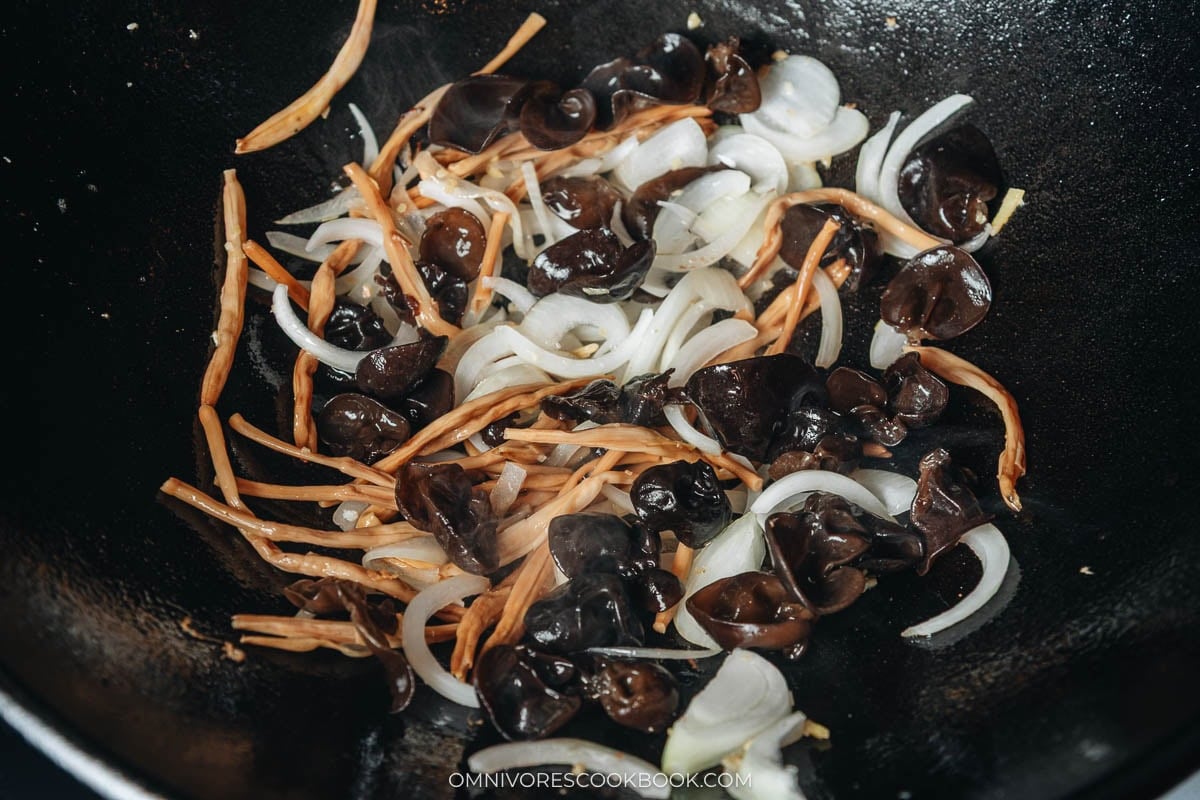
- Wood Ear Mushrooms (Auricularia auricula-judae): Rehydrated from a dried state, these fungi provide a distinctive, gelatinous crunch and are valued in traditional diets for their high soluble fiber content.
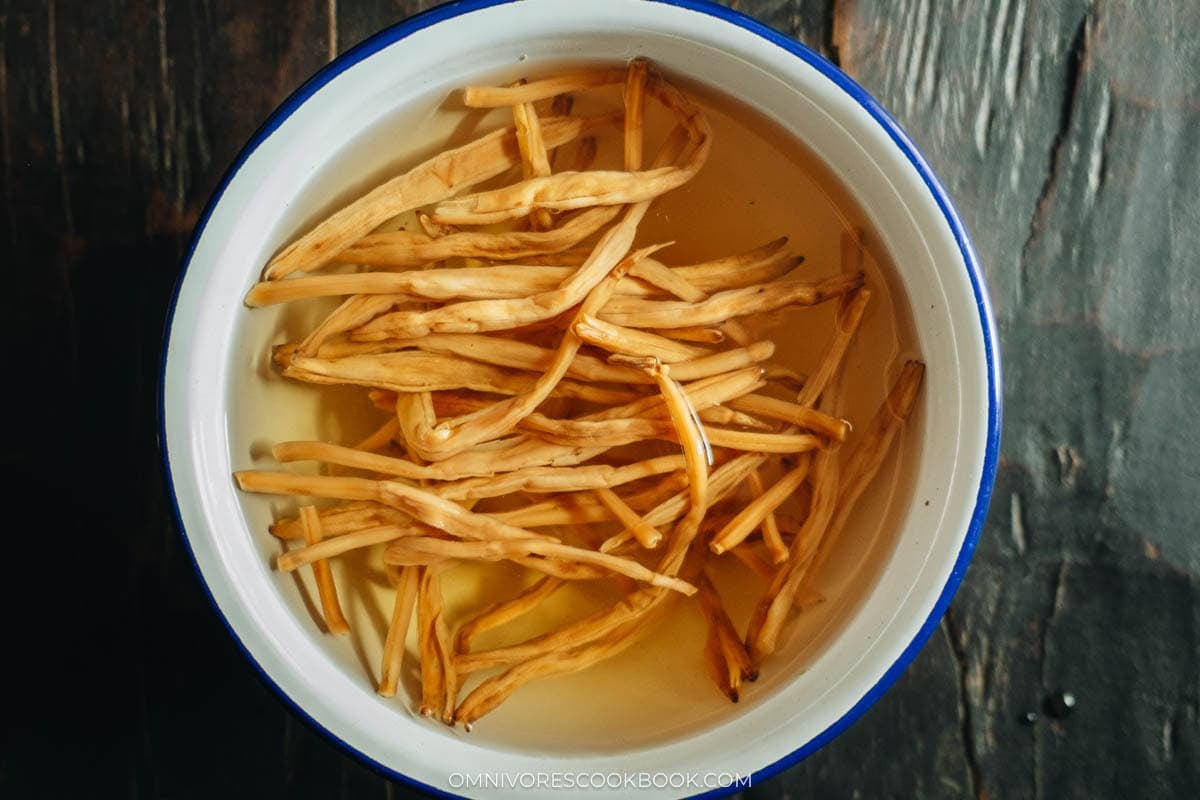
- Dried Lily Flowers (Hemerocallis graminea): Known locally as golden needles, these dried buds impart an earthy subtlety and a distinct chewy mouthfeel, elevating the complexity of an otherwise simply seasoned stir-fry.
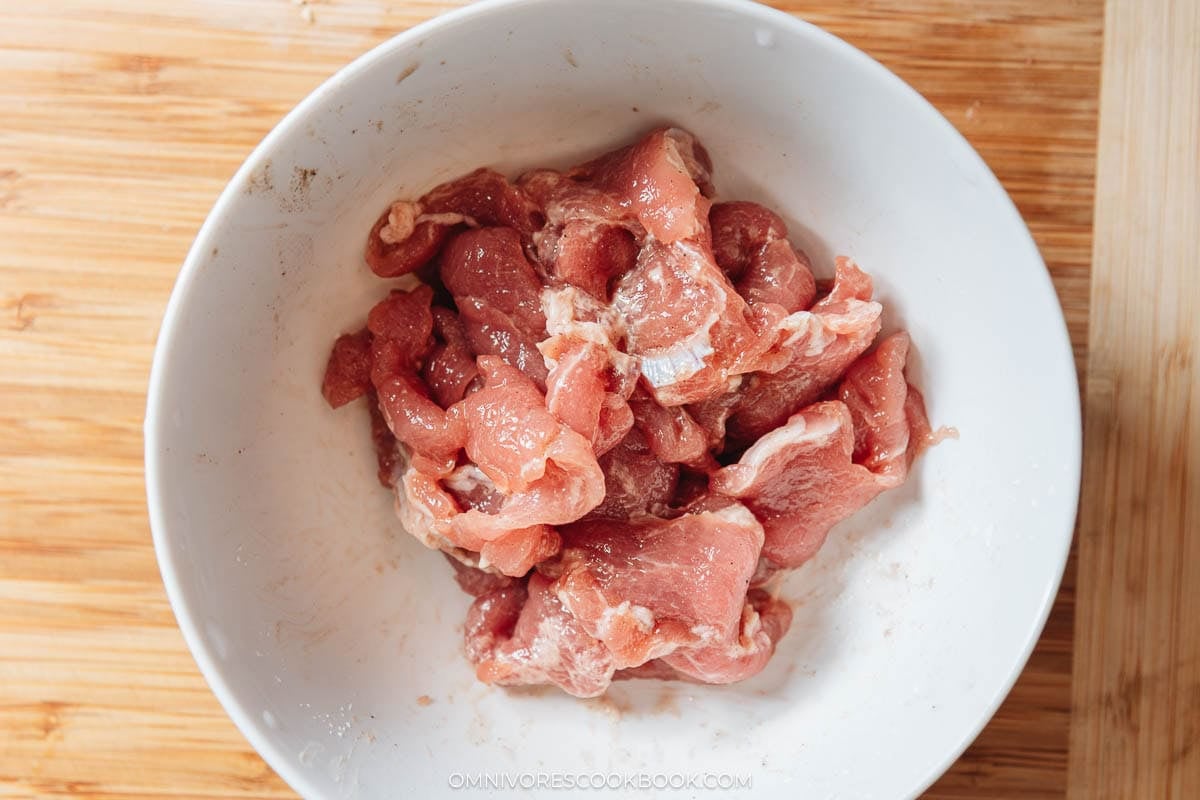
- Pork Tenderloin: Selected for its lean profile, the meat is sliced thinly against the grain to ensure rapid cooking and maximum tenderness. It undergoes a preliminary velvetizing process—a technique involving a light marinade of Shaoxing rice wine, white pepper, salt, and cornstarch—which seals in natural moisture under extreme heat.
- English Cucumbers: Diverting from raw Western salad applications, Chinese culinary traditions frequently employ cucumbers in cooked preparations. English varieties are preferred due to their reduced seed cavities and firm, low-moisture flesh, allowing them to withstand high-temperature wok cooking while retaining a crisp, refreshing bite.
Chronological Preparation Method
The execution of authentic moo shu pork is characterized by rapid thermal processing, requiring precise timing and pre-preparation of components. Professional and home kitchens alike follow a strict sequential chronology to achieve optimal texture:
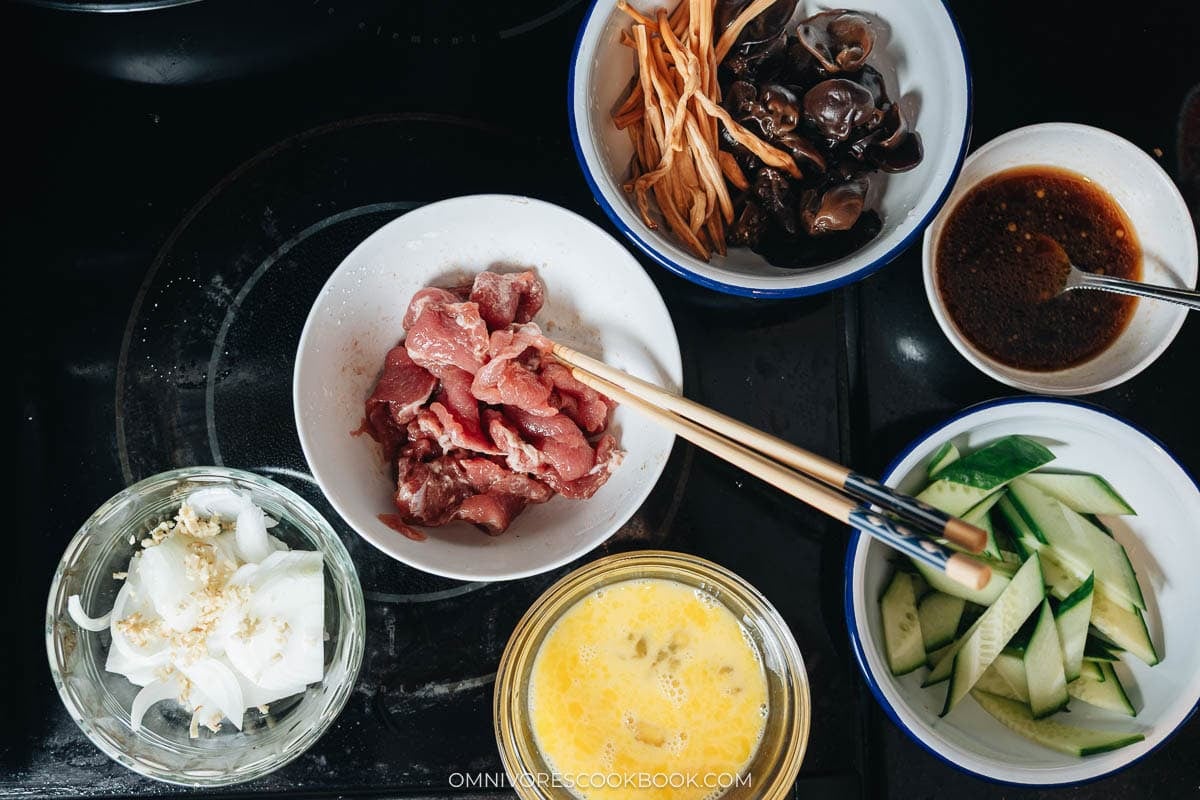
- Rehydration Phase: Dried wood ear mushrooms and lily flowers are submerged in warm water for 20 to 30 minutes until fully expanded. Thorough washing follows to eliminate residual grit, accompanied by the removal of fibrous stems.
- Protein Marination: Pork tenderloin is sliced to micro-thin dimensions against the muscle grain. The meat is manually combined with Shaoxing wine, salt, white pepper, and cornstarch, then left to rest for 10 to 15 minutes to establish a protective coating.
- Sauce Formulation: A light liaison is prepared by blending chicken stock, light soy sauce, Chinkiang vinegar, sesame oil, and a minimal quantity of cornstarch.
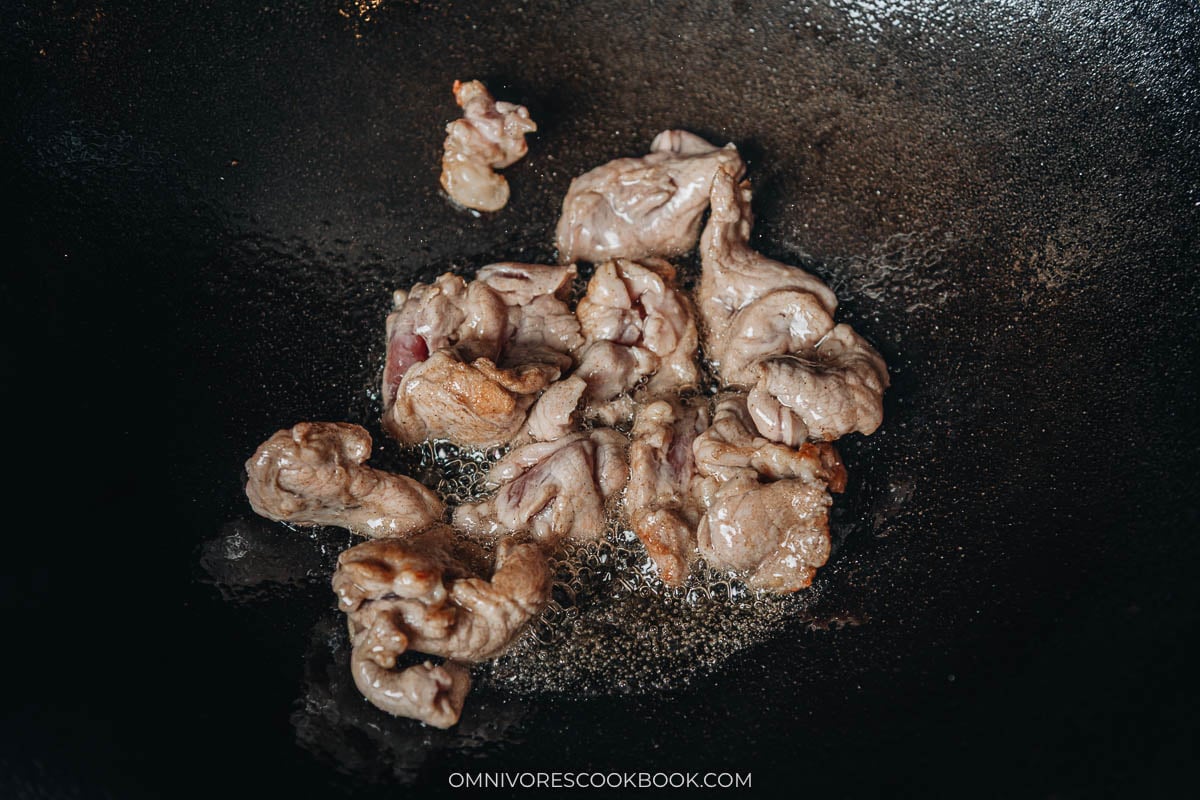
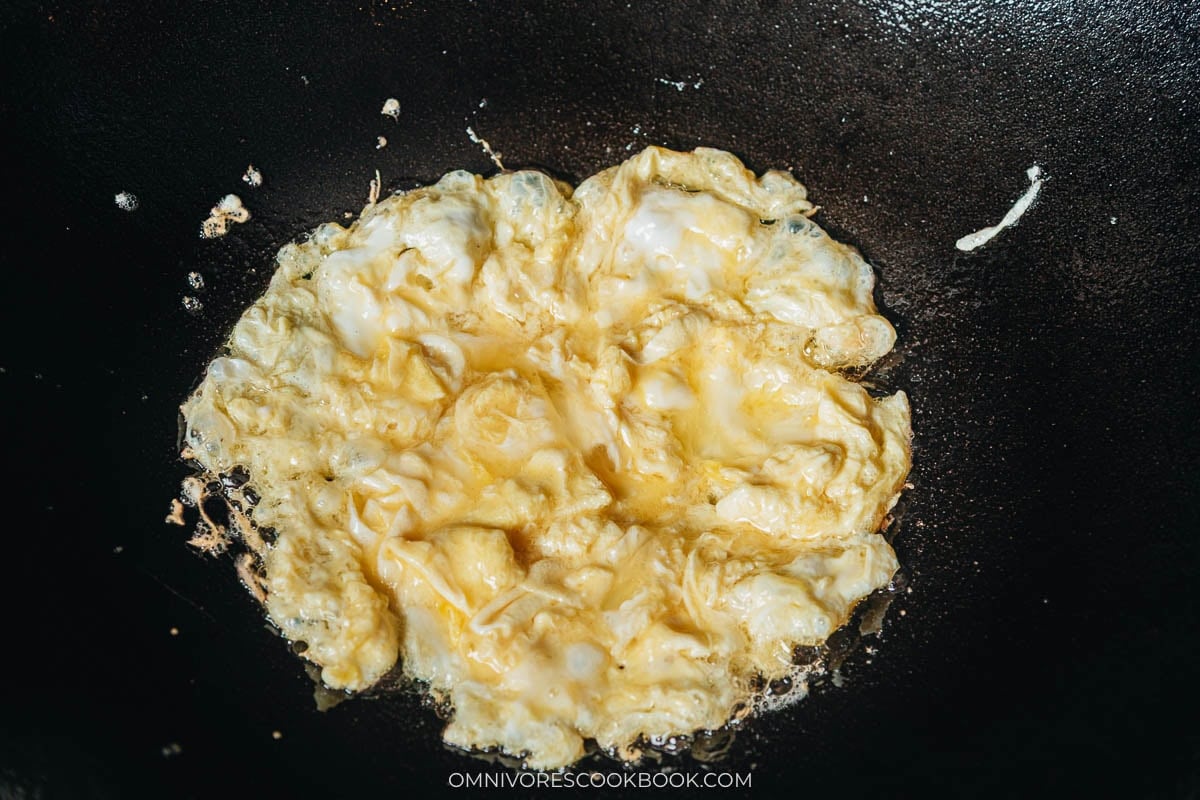
- Initial Wok Searing: A seasoned wok is brought to high heat with peanut oil. The marinated pork is seared rapidly in a single layer for 20 to 30 seconds until golden on the exterior while remaining slightly undercooked internally. The meat is then removed alongside lightly scrambled eggs.
- Aromatic and Botanical Integration: Aromatics—including sliced onions and minced ginger—are introduced to the wok, followed by the rehydrated mushrooms and lily flowers. The liquid sauce mixture is poured in to reduce and thicken.
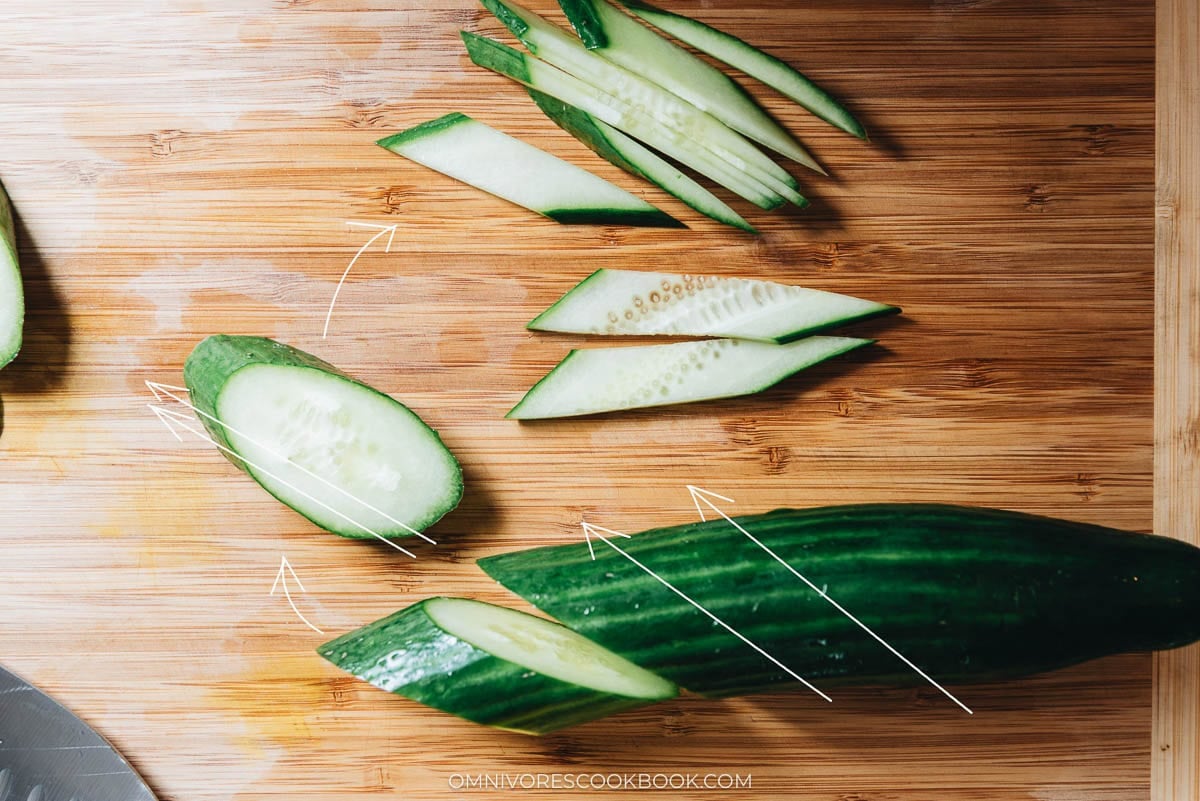
- Final Assembly: The reserved pork, eggs, and freshly cut diamond-shaped English cucumber slices are returned to the wok for a final toss, integrating flavors over low heat before immediate service over steamed rice.
Broader Culinary Implications
The distinction between authentic northern moo shu pork and its overseas restaurant counterpart highlights a broader phenomenon in culinary anthropology: the evolution of immigrant cuisine. As diaspora communities adapted to local ingredient availability and foreign consumer preferences in the West during the 20th century, traditional stir-fries transformed into heavy, banquet-style dishes featuring handheld pancakes and pungent plum-based sauces.
Despite these commercial divergences, culinary historians and modern home cooks have experienced a resurgence of interest in authentic regional preparations. Emphasizing speed, minimal waste, and chemical-free flavor profiles, traditional Chinese home cooking offers a model for nutrient-dense, efficient meal preparation that aligns with contemporary global demands for mindful and wholesome eating habits.