The culinary landscape of the modern morning routine has undergone a significant transformation over the past decade, driven by an increasing consumer demand for nutritional efficiency, meal-prepping convenience, and sustained morning energy. Among the myriad breakfast trends that have captured the attention of busy professionals, fitness enthusiasts, and health-conscious households alike, overnight oats have firmly established themselves as a staple. Developed as a no-cook alternative to traditional oatmeal, the concept relies on the cold-soaking process—typically spanning eight hours—where raw rolled oats absorb liquids such as dairy or plant-based milk, softening into a creamy, pudding-like consistency without the application of heat.
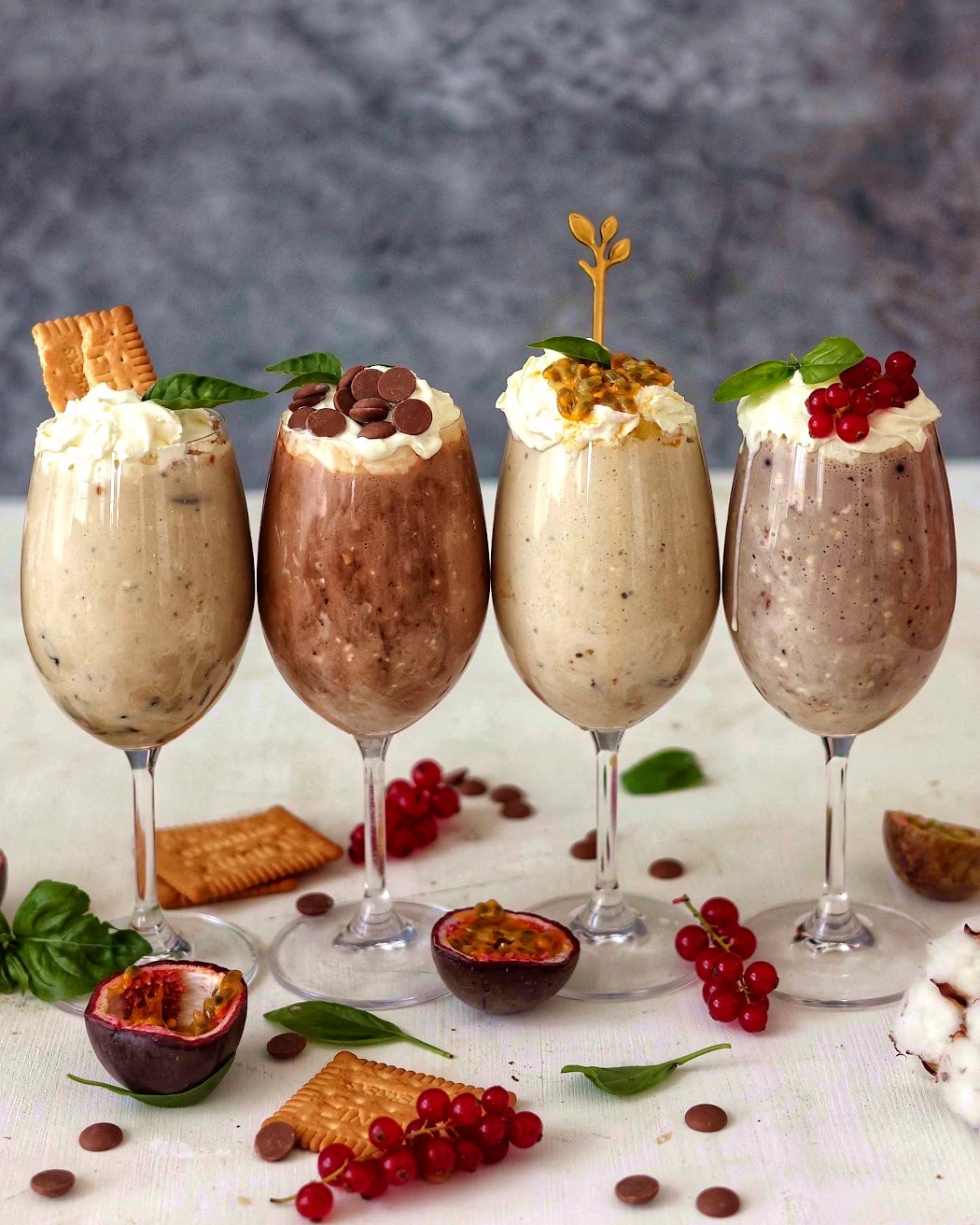
Food writer and recipe developer Elena-Greta Apostol has introduced a versatile culinary approach to this breakfast staple, detailing a foundational blueprint that branches into four distinct flavor profiles: Rich Chocolate and Chocolate Chip, Cinnamon Butter Cookie, Tropical Passion Fruit and Coconut, and Vibrant Mixed Berries. By streamlining the preparation process into a mere ten-minute evening window, this method addresses a primary modern dietary hurdle: the lack of time in the morning to prepare a wholesome, balanced meal from scratch.
The Evolution of the No-Cook Breakfast Culture
To understand the widespread popularity of overnight oats, one must examine the broader socioeconomic shifts influencing modern eating habits. Urbanization, demanding work schedules, and a heightened awareness of preventative health through nutrition have converged to alter how the first meal of the day is approached. Historically, breakfast preparation involved stove-top cooking, baking, or frying, methods that required dedicated time blocks during peak morning hours.
The origin of cold-soaked oats is frequently traced back to early 20th-century health pioneers, most notably Swiss physician Maximilian Bircher-Benner, who invented the famous "Bircher muesli" around the year 1900 for patients in his sanatorium. Bircher-Benner recognized the raw nutritional value of whole grains, fresh fruits, nuts, and dairy, soaking oats overnight in water and condensed milk with lemon juice and grated apple to make them more palatable and digestible. Over the decades, this concept evolved from a clinical health prescription into a global culinary phenomenon. In recent years, social media platforms and digital food publications have accelerated the trend, transforming simple soaked grains into aesthetically pleasing, highly customizable gourmet creations served in mason jars and glassware.

Anatomy of the Base Recipe: Science and Preparation
At the heart of Apostol’s formulation is a scientifically balanced base that ensures proper texture and nutritional delivery. The fundamental components—rolled oats, milk, chia seeds, and a natural sweetener such as honey—are chosen not merely for taste, but for their specific chemical and nutritional properties.
Rolled oats, scientifically known as Avena sativa, serve as the primary carbohydrate source. Unlike instant oats, which are heavily processed and can become overly mushy when soaked, or steel-cut oats, which remain excessively chewy without boiling, traditional rolled oats strike an optimal balance. They contain high levels of soluble fiber, specifically beta-glucan, which has been extensively studied by nutritional scientists for its role in reducing low-density lipoprotein (LDL) cholesterol, stabilizing blood glucose levels, and promoting satiety.
The inclusion of chia seeds (Salvia hispanica) in the base mixture plays a critical structural and nutritional role. When exposed to liquid, chia seeds absorb up to twelve times their weight in water, forming a gelatinous mucilage. This natural thickening agent interacts with the milk and oats during the eight-hour refrigeration window, yielding a dense, cohesive texture that eliminates the watery separation often associated with poorly proportioned overnight oats. Furthermore, chia seeds contribute significant amounts of plant-based omega-3 fatty acids, dietary fiber, and complete protein.
Milk—whether bovine or plant-derived, such as almond, oat, soy, or coconut milk—provides the necessary moisture for the enzymatic softening of the starches within the oat groats. Honey acts as a natural humectant and sweetener, blending seamlessly into the cold liquid matrix without requiring heat to dissolve.
Deconstructing the Four Flavor Variations

To combat flavor fatigue—a common obstacle in repetitive meal-prepping routines—Apostol’s recipe framework introduces four distinct sensory experiences built upon the same foundational technique. Each variation targets different culinary preferences, ranging from dessert-inspired comfort to tropical refreshment.
-
Chocolate and Chocolate Chip
Designed to appeal to those with a penchant for richer, dessert-like morning meals, this variation incorporates cocoa powder and semi-sweet or dark chocolate chips into the base. Cocoa powder not only imparts a deep, bittersweet flavor profile but also introduces a high concentration of flavonoids—antioxidants associated with cardiovascular health and improved cognitive function. The contrasting textures of the smooth, chocolate-infused oat matrix and the solid bites of chocolate chips create a multi-layered eating experience. -
Cinnamon Butter Cookie
Replicating the comforting, spiced profile of baked goods, the Cinnamon Butter Cookie variation utilizes ground cinnamon paired with rich fats or nut/seed butter profiles. Cinnamon (Cinnamomum verum) is celebrated in culinary and nutritional circles for its warm, woody aroma and its potential metabolic benefits, including enhanced insulin sensitivity. When combined with butter or a rich nut butter substitute, the oats take on a decadent, cookie-dough-like flavor profile that provides sustained energy through healthy fats. -
Passion Fruit and Coconut
Offering a departure from traditional Western breakfast flavors, the passion fruit and coconut combination introduces a vibrant tropical acidity balanced by the creamy, mellow sweetness of coconut milk or shredded coconut. Passion fruit (Passiflora edulis) provides a distinct tartness and aromatic complexity, alongside a high content of vitamin C, vitamin A, and dietary fiber from its edible seeds. This variation caters to consumers seeking an invigorating, bright flavor profile to start their day. -
Mixed Berry
A classic pairing in the breakfast canon, the mixed berry option utilizes a blend of strawberries, blueberries, raspberries, or blackberries. Berries are widely recognized by nutritional epidemiologists as powerhouse superfoods, exceptionally dense in anthocyanins, potent antioxidants that combat oxidative stress and inflammation. The natural fruit acids in the berries cut through the richness of the oat base, providing a balanced, refreshing finish.
Nutritional and Economic Implications of Meal-Prepped Breakfasts

The resurgence of overnight oats aligns with broader economic and nutritional trends observed by public health analysts and market researchers. With global food inflation affecting household budgets, consumer habits have shifted toward cost-effective, high-yield meal preparation at home. Rolled oats remain one of the most economically accessible whole grains on the market, offering a high volume of servings per financial unit compared to commercial breakfast cereals or ready-made bakery items.
From a public health perspective, standard commercial breakfast options frequently suffer from excessive added sugars, sodium, and chemical preservatives. In contrast, home-prepared overnight oats grant the consumer absolute control over ingredient provenance and macronutrient ratios. By adjusting the type of milk, sweetener, and protein mix-ins, individuals can tailor the meal to meet specific dietary requirements, whether low-glycemic, vegan, gluten-free (when utilizing certified gluten-free oats), or high-protein.
Culinary Experts and Dietitians Weigh In
Registered dietitians and culinary educators have increasingly endorsed cold-soaked oatmeal methods due to their impact on digestive health. Cold soaking allows resistant starch formation to occur more effectively as the oats cool and rest overnight. Resistant starch functions similarly to dietary fiber, resisting digestion in the small intestine and fermenting in the large intestine, where it acts as a prebiotic, feeding beneficial gut microbiota.
Culinary professionals also praise the method for its reduction of morning decision fatigue. In modern society, the psychological burden of daily choices begins the moment an individual wakes up. By pre-allocating breakfast choices the evening before—requiring merely a brief stirring and potential adjustment with a splash of milk upon removal from the refrigerator—households can streamline their morning workflows significantly.
Best Practices for Optimal Preparation and Storage
To ensure the highest quality culinary result, food safety and preparation experts recommend adherence to specific procedural guidelines when making overnight oats:
- Container Selection: Glass mason jars or airtight meal-prep containers are preferred, as they prevent flavor absorption from other items in the refrigerator and allow for easy visual inspection and transport.
- The Rest Period: A minimum of eight hours of refrigeration is required for the rolled oats to achieve complete softening and structural cohesion. Attempting to consume the mixture prematurely can result in a chalky texture and unsoftened grain cores.
- Post-Refrigeration Adjustment: Because the chia seeds and oats continue to absorb moisture over extended periods, the mixture may become overly dense. Culinary protocol dictates stirring the contents thoroughly prior to consumption and incorporating an additional tablespoon of milk if a looser consistency is desired.
- Storage Longevity: While optimal consumed within 24 to 48 hours for fresh fruit variations, properly sealed base mixtures can safely remain refrigerated for up to four to five days, making batch-cooking a viable strategy for weekly meal planning.
Conclusion
As the boundaries between convenience and nutritional integrity continue to narrow, recipes such as Elena-Greta Apostol’s four-flavor overnight oats demonstrate how traditional food science can be adapted to contemporary lifestyles. By combining the ancestral wisdom of soaked grains with modern flavor innovations, this culinary technique offers a scalable, nutrient-dense breakfast solution for an increasingly fast-paced world.