Mastering the Art of Restraint: Chef Will Bee is Redefining Italian Neighborhood Dining at Rosina

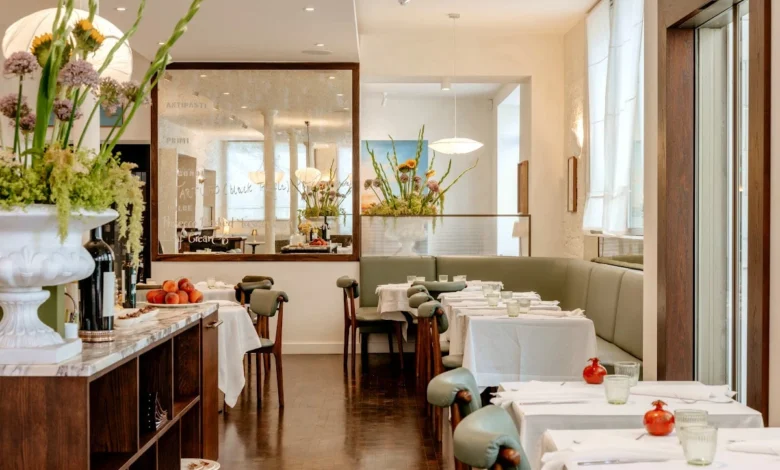
The culinary landscape of South London has undergone a quiet yet profound evolution, moving away from avant-garde molecular gastronomy and heavy, overly complicated plating toward a more thoughtful appreciation of ingredient-led simplicity. At the forefront of this movement is Chef Will Bee, the creative force behind Rosina, an intimate Italian neighborhood restaurant situated near the vibrant expanse of Wandsworth Common. For Bee, the journey to becoming a formidable culinary talent has not been defined merely by the accumulation of complex techniques, but rather by the much more rigorous discipline of knowing what to leave off the plate.
In an industry where chefs frequently lean toward sensory overload to capture the attention of diners and critics alike, Bee champions a philosophy of restraint. Achieving consistent simplicity, he notes, is arguably one of the most difficult feats in professional cooking because it leaves nowhere for culinary flaws to hide. This manifesto of intentionality guides every service at Rosina, where ambitious, deeply authentic Italian cookery coexists effortlessly with a genuinely warm, neighborhood-focused hospitality.
A Foundational Journey Through Elite Kitchens
Will Bee’s path to leading the kitchen at Rosina is characterized by an exceptionally early start and a rigorous dedication to both the practical and managerial sides of the culinary arts. Entering professional kitchens at the tender age of 13, Bee was immediately drawn to the high-energy camaraderie of the kitchen brigade and the capacity of dedicated artisans to spark lasting inspiration through food. Rather than relying solely on the school of hard knocks, he chose to complement his hands-on experience with formal higher education, earning a degree in Culinary Arts Management.
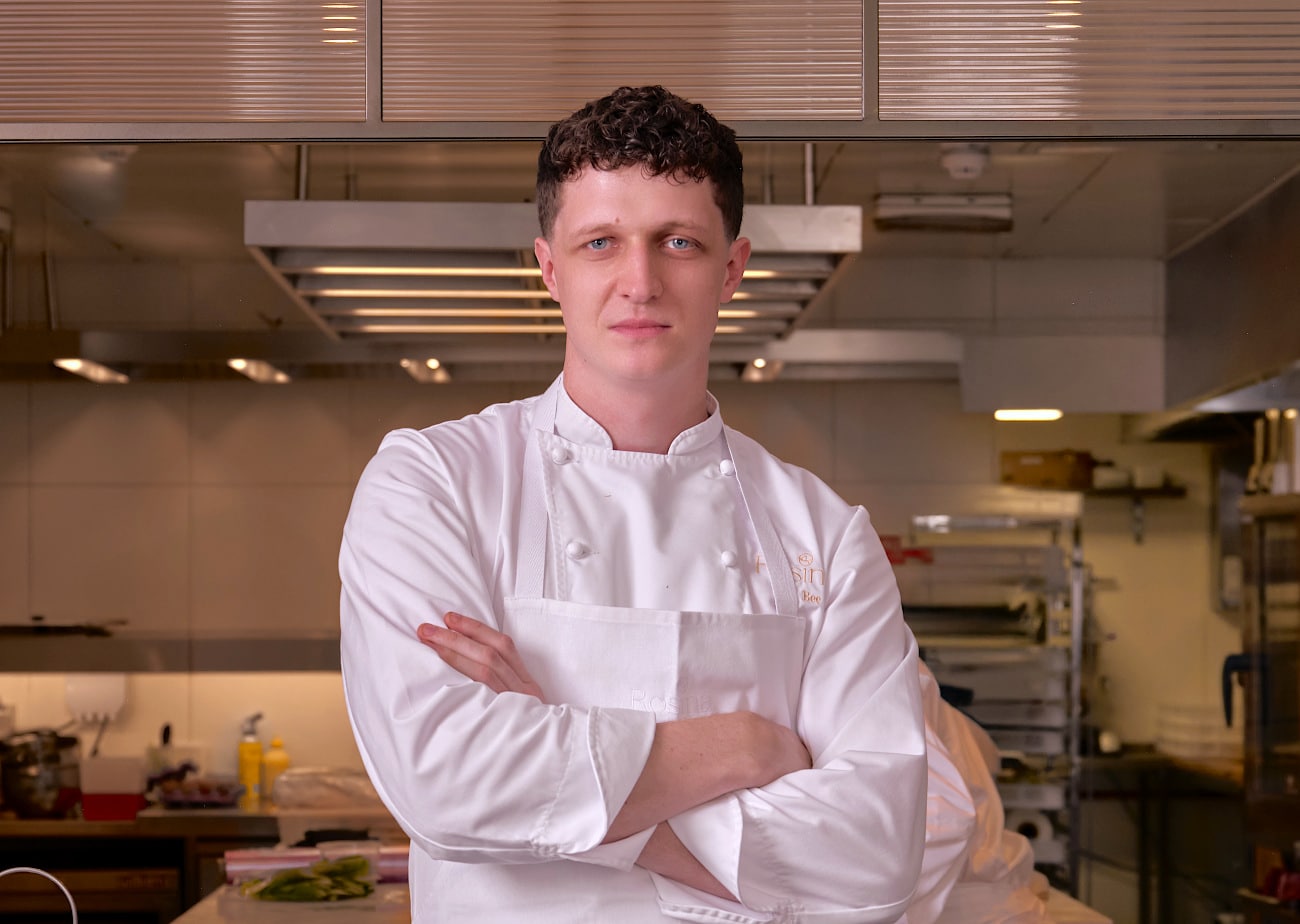
This dual approach—balancing the creative heat and physical demands of the line with a sophisticated understanding of business operations, leadership, and logistics—laid the groundwork for a stellar career. Over the years, Bee’s resume expanded to include stints at some of the United Kingdom’s most respected dining establishments. He honed his craft under the tutelage of acclaimed chef Paul Ainsworth at No. 6 in Padstow, absorbed the bustling metropolitan energy of Lita in London, and ultimately brought this wealth of accumulated wisdom to the helm at Rosina. Each kitchen, he reflects, offered invaluable lessons in sourcing pristine produce, mastering hospitality, building resilient team cultures, and understanding that excellence has no single, rigid formula.
The Vision for Rosina: Bridging Ambition and Accessibility
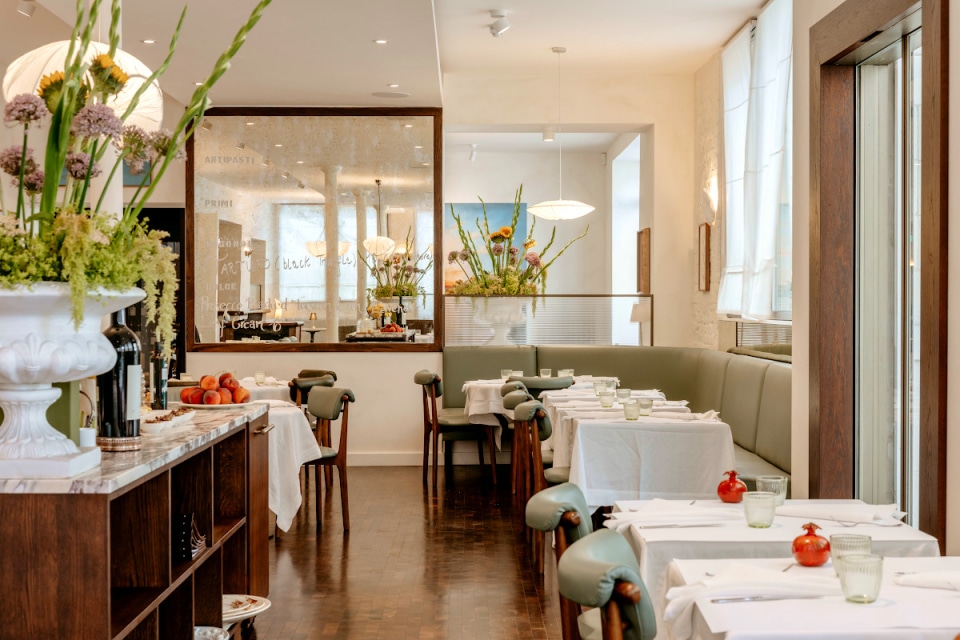
Located at 35 Bellevue Road, Rosina was conceived with a clear yet ambitious mandate: to bridge the gap between high-end gastronomic ambition and the relaxed, unpretentious atmosphere of a true neighborhood local. According to Bee, the restaurant’s original vision has organically outgrown its initial parameters, evolving into something much more dynamic than a standard pasta joint.
For the residents surrounding Wandsworth Common, Rosina represents a dual destination. Diners can comfortably drop in for a casual glass of wine paired with a simple plate of freshly rolled pasta, or they can embark on a more adventurous culinary exploration of regional Italian gastronomy. The restaurant’s ethos rejects the notion that fine food must feel intimidating or exclusive. Instead, it offers a masterclass in hospitality where the team prioritizes making guests feel that the establishment truly belongs to their community, even as it challenges their preconceptions of what a neighborhood Italian eatery can deliver.
Regional Inspiration and the Elevation of Overlooked Ingredients
While many Italian restaurants anchor their menus strictly to the culinary traditions of a single province—such as Emilia-Romagna, Tuscany, or Campania—Rosina draws its inspiration from across the entire length and breadth of the Italian peninsula. Bee finds particular fascination in the dramatic geographical and cultural contrasts between Italy’s northern and southern regions.
In the north, the climate and landscape traditionally favored the rich, comforting embrace of butter, rice, stuffed pasta formats, and slow-cooked braises. Conversely, the sun-drenched southern regions developed a culinary language anchored in fresh vegetables, olive oil, pristine seafood, and the unadulterated intensity of sun-ripened local produce. By studying how climate, topography, and history shape regional diets, Bee ensures that Rosina’s menu maintains a cohesive and authentic identity without falling into the trap of geographic pastiche.
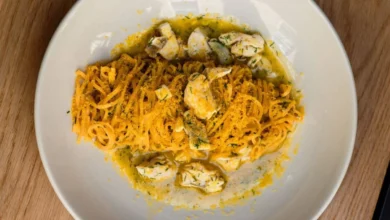
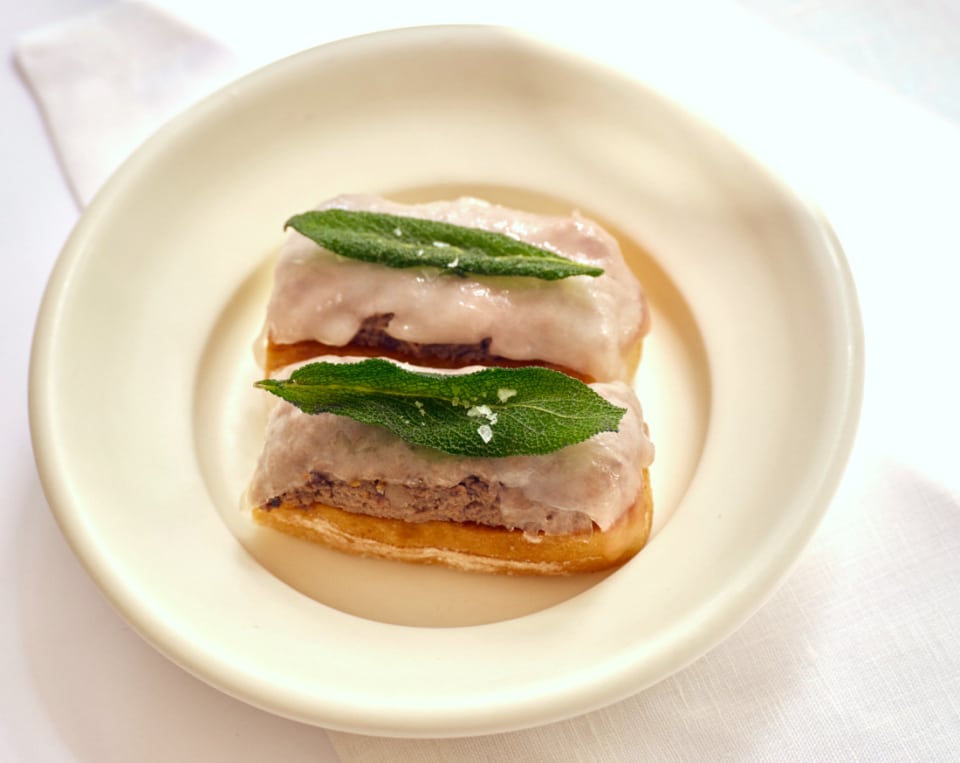
This expansive geographical purview allows the kitchen to introduce London diners to ingredients and preparations that rarely feature on typical mainstream Italian menus. Dishes such as rabbit liver bruschetta, veal tongue accompanied by sharp, traditional mostarda, and crisp rabbit Milanese are thoughtfully integrated into the dining experience. Bee emphasizes that these offal-heavy and secondary-cut dishes are not included for mere shock value or novelty. Rather, they pay homage to Italy’s rich historical tradition of nose-to-tail eating, demonstrating how humble, overlooked ingredients can yield profound depth of flavor when handled with absolute respect and precise technique.
The Tyranny of Simplicity: Why Less is More
The hallmark of great Italian cooking has always been its deceptive simplicity. A dish comprising only three or four components appears effortless to the casual observer, but within a professional kitchen environment, that lack of clutter exposes every single element to intense scrutiny.
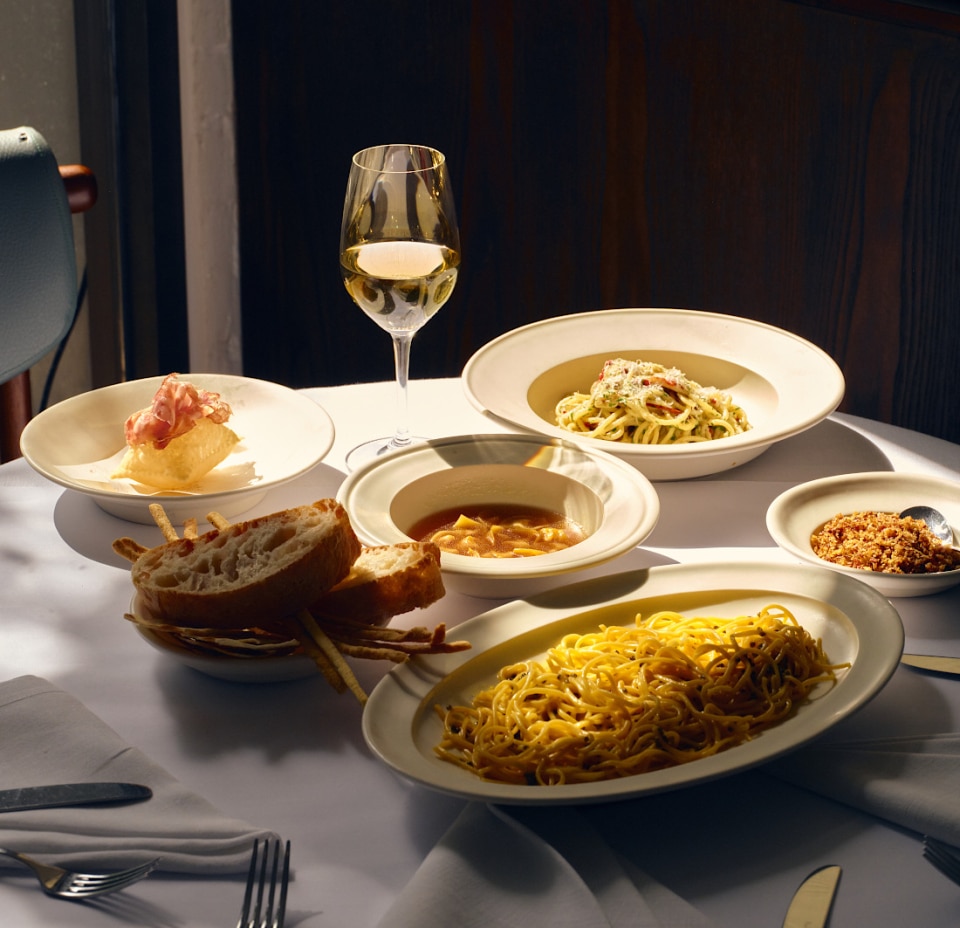
"Simplicity is probably one of the hardest things to achieve consistently because there’s nowhere to hide," Bee explains. He views a chef’s career arc as an inverted pursuit: young cooks learn complex techniques, flashy presentations, and multi-layered flavor profiles, but true mastery eventually reveals itself through the courage to subtract. When a dish is stripped down to its essentials, the quality of the primary produce, the precision of the seasoning, the exactitude of cooking temperatures, and the harmony of textures are laid entirely bare.
Consequently, Bee demands total mindfulness from his kitchen brigade. He continually instructs his team to cook using all of their senses—listening to the acoustic feedback of the pan, observing subtle shifts in color and consistency, smelling the complex convergence of volatile aromatics, and feeling the fluidity of sauces. Full presence of mind is mandatory to execute deceptively simple dishes with absolute consistency.
Seasonality as a Natural Compass
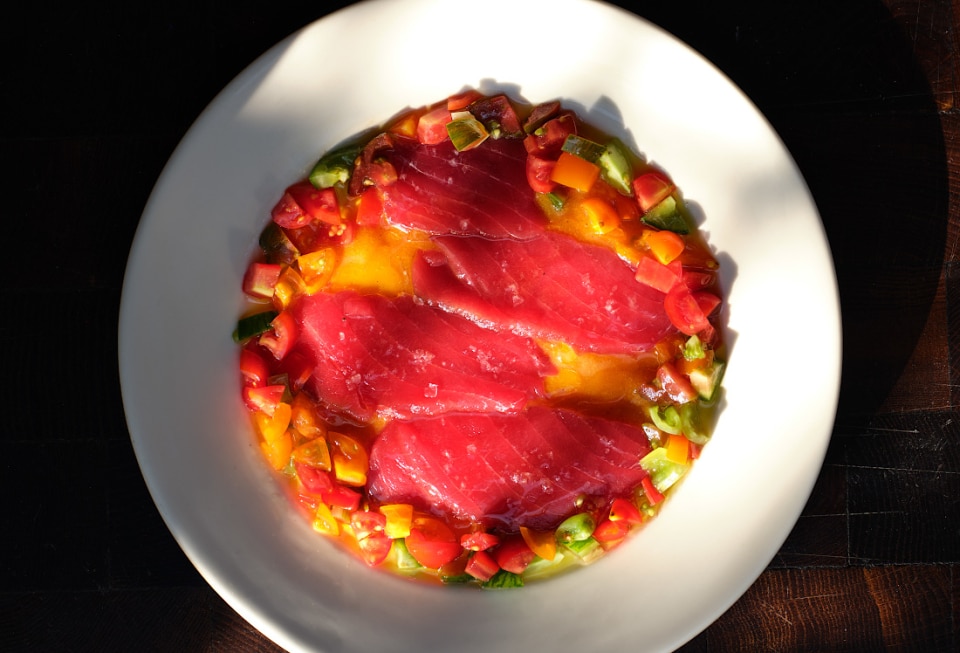
Seasonality at Rosina is not merely a marketing buzzword; it serves as the operational compass that dictates the rhythm of the menu. By allowing the changing seasons to dictate the availability of ingredients, the kitchen naturally transitions through different Italian food cultures, avoiding the ecological and culinary fatigue of forcing out-of-season produce.
Bee highlights the distinct shifts between the vibrant, green resurgence of spring and the deep, warming, comforting profiles of autumn. This cyclical approach ensures that regular patrons always find something new to discover, keeping the menu fresh, dynamic, and intimately tied to the agricultural calendar of the harvest.
Navigating the Rosina Experience: An Ideal Tasting Path
For first-time visitors seeking the definitive Rosina experience, Chef Bee advises moving away from the rigid structure of a conventional three-course meal in favor of a progressive, sharing-style feast.
An ideal culinary journey at the restaurant begins with a robust foundation of rabbit livers served on toasted bruschetta, paired alongside golden pillows of gnocco fritto. This is followed by delicate, crisped sardines and a classic, perfectly balanced vitello tonnato. Transitioning into the pasta course, guests are steered toward the pumpkin agnolotti—though bypassing the house risotto is nearly impossible—before arriving at the substantial and deeply satisfying rabbit Milanese. The meal concludes on a high, traditional note with a generous scoop of house-made tiramisu, washed down with a robust double espresso.
Practical Wisdom for the Home Cook
For home cooks looking to elevate their everyday Italian cooking, Bee offers advice that transcends standard recipe-following. The single most transformative skill a cook can develop is not the mastery of a complex technique, but the intuitive ability to balance salt, acidity, fat, and texture. Tasting continuously throughout the cooking process and making minute adjustments to seasoning and consistency yields exponentially better results than blindly following measurements.
Furthermore, Bee encourages home cooks to invest in one foundational ingredient: a high-quality extra virgin olive oil. Rather than using a single, generic bottle for everything, he recommends maintaining two distinct oils—one for cooking and a superior, single-harvest bottling reserved exclusively for a raw finishing drizzle. Small-batch, artisanal harvests offer the purest expression of the olive, and a final flourish of quality oil can effortlessly elevate even the most basic rustic dish into something memorable.
Looking Ahead: The Future of Rosina
As Rosina continues to establish its reputation as a cornerstone of the Wandsworth Common dining scene, Chef Will Bee remains intensely focused on the future. His ambition is to continuously refine the restaurant’s identity without ever sacrificing the warm, welcoming accessibility that drew the neighborhood in from day one.
With vast expanses of regional Italian culinary traditions still waiting to be translated for the London palate, the kitchen shows no signs of slowing down its creative exploration. By anchoring high-level technical skill to an unwavering commitment to exceptional produce, rigorous consistency, and heartfelt hospitality, Will Bee and the team at Rosina are successfully charting a new, highly flavorful chapter in modern neighborhood dining.