Chef Victor Vasconcello Champions Authentic Brazilian Cuisine, Redefining its Perception in New York’s Dynamic Culinary Landscape

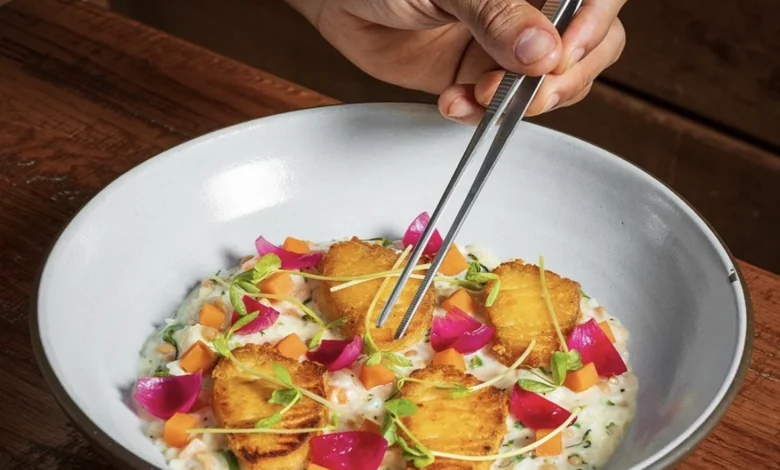
Brazilian cuisine, a vibrant mosaic woven from Indigenous, African, Portuguese, and diverse immigrant traditions, remains one of the world’s most culinarily rich yet globally underappreciated traditions. Its complexity extends far beyond the familiar churrascarias and rodízios that often define its international image. In the bustling culinary hub of New York City, Chef Victor Vasconcello, Executive Chef of Berimbau Brazilian Kitchen, has emerged as a leading figure in introducing the authentic and multifaceted flavors of Brazil to a broader audience, challenging established perceptions and showcasing the nation’s profound gastronomic depth.
The Genesis of a Culinary Visionary
Chef Vasconcello’s journey into the culinary arts began with a profound, almost innate, passion for food itself. His formative experience, a pivotal lunch in 1998 at the prestigious Senac Hotel School in São Pedro, Brazil, solidified his career aspirations. Witnessing the intricate operations of a professional kitchen and observing culinary students meticulously preparing meals, a clear vision for his future crystallized. This early exposure ignited a fascination with the kitchen environment, steering him towards a profession that combined his love for eating with the art of creation.
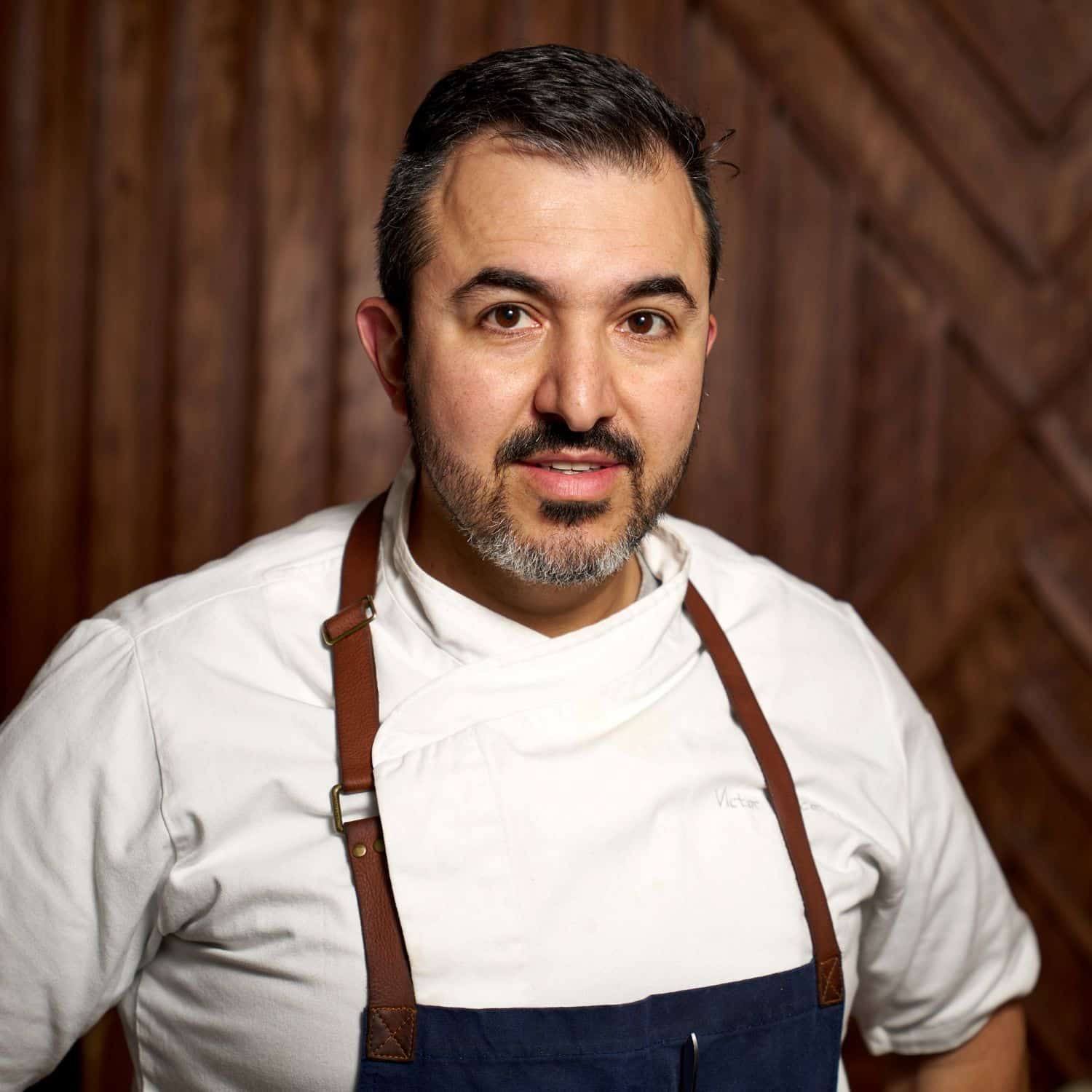
Initially, Vasconcello honed his skills under the tutelage of French chefs, acquiring a foundational mastery of classical techniques and the rigorous discipline characteristic of European haute cuisine. This period, while invaluable for technical proficiency, eventually led him back to his roots. Embracing Brazilian cuisine, his passion intensified, marking a significant turning point in his professional trajectory. The transition was not merely a change in ingredients but a deep immersion into the cultural narratives embedded within his homeland’s food. His subsequent move to New York presented an unparalleled opportunity to share these authentic flavors, transforming his culinary endeavors into a mission of cultural representation. The success of Berimbau Brazilian Kitchen, with its two thriving locations in the West Village and Midtown (36th Street), stands as a testament to this commitment and the growing appetite among New Yorkers for genuine Brazilian fare.
Challenging Misconceptions: Brazil Beyond the Steakhouse
A significant hurdle for Brazilian cuisine on the global stage has been its reductive portrayal, primarily through the lens of all-you-can-eat steakhouses. Chef Vasconcello emphatically highlights this as the greatest misconception. Brazil, a country of continental proportions, boasts an extraordinary spectrum of regional diversity, each with its unique ingredients, cooking methods, and culinary traditions. This vastness means that Brazilian gastronomy cannot be encapsulated by a single dining concept; rather, it could "easily fill an entire street with Brazilian restaurants, each completely different from the next," as Vasconcello eloquently puts it.
Historically, Brazilian cuisine has been shaped by successive waves of influence. Indigenous populations contributed foundational ingredients like cassava, corn, and exotic fruits. The arrival of the Portuguese brought European cooking techniques, spices, and new crops. The transatlantic slave trade introduced West African culinary practices, ingredients like palm oil (dendê), and a profound impact on dishes, particularly in the Northeast. Later, immigrants from Italy, Germany, Japan, and the Middle East further diversified the culinary landscape, especially in major urban centers like São Paulo. This rich tapestry of influences has resulted in a cuisine that is not merely fusion but a deeply integrated expression of a complex national identity.

For diners approaching it for the first time, Vasconcello describes Brazilian cuisine as "vibrant, flavorful, colorful, and incredibly diverse." He emphasizes its honesty and straightforwardness, where dishes do not rely on elaborate techniques but rather allow the quality and inherent character of the ingredients to shine. This approach contrasts sharply with the often-overstated simplicity of the churrascaria model, which, while popular, offers only a sliver of the nation’s culinary breadth.
Regional Inspirations and Unsung Ingredients
Chef Vasconcello’s cooking at Berimbau is a deeply personal reflection of Brazil’s geographic and cultural diversity. Having been born in São Paulo and hailing from a family rooted in Minas Gerais, his initial influences were naturally Paulista and Mineira cuisines. Paulista cuisine, reflecting São Paulo’s status as a melting pot, draws from various immigrant communities, while Mineira cuisine is celebrated for its rustic, comforting dishes, often featuring pork, cheese, and slow-cooked preparations.
However, his culinary exploration extends far beyond these familiar territories. Vasconcello expresses a particular passion for the cuisine of Northeastern Brazil, appreciating both its vibrant coastal seafood dishes, rich with African influences, and the hearty, often drier flavors of the sertão (backlands). More recently, he has delved into the intriguing ingredients and culinary traditions of Northern Brazil, particularly those sourced from the Amazon rainforest, which represents a frontier of untapped flavors and ingredients for global gastronomy.

One of Chef Vasconcello’s fervent desires is for more international chefs to embrace Brazilian ingredients that remain largely unknown outside the country. At the top of his list is tucupi, a fermented cassava juice slowly cooked with Amazonian herbs. Tucupi, with its unique acidic and umami profile, is a staple in Northern Brazilian cuisine, notably in dishes like Tacacá, a popular street food. Cassava itself is a foundational ingredient in Brazilian cooking, showcasing its versatility from flour (farinha) to starch (tapioca).
Beyond cassava derivatives, Vasconcello champions Brazilian fruits like caju, the cashew fruit (not just the nut). Caju offers a distinctive tart-sweet flavor and is used in juices, desserts, and even savory preparations. He also advocates for Amazonian fruits such as cupuaçu and bacuri. Cupuaçu, a relative of cacao, has a creamy pulp with a complex flavor profile often described as a mix of chocolate, pineapple, and passion fruit. Bacuri, another Amazonian treasure, possesses a sweet and sour taste with aromatic notes. Increased demand for these ingredients would not only enrich global palates but also potentially create sustainable economic opportunities for local communities in Brazil, fostering greater appreciation for the Amazon’s biodiversity.
The Culinary Philosophy Embodied: Moqueca and Feijoada
At Berimbau, the Moqueca stands as the quintessential dish representing Chef Vasconcello’s culinary philosophy. This vibrant seafood stew, traditionally cooked in a clay pot, is more than just a meal; it’s a narrative of Brazil’s cultural amalgamation. It evokes the warmth and convivial spirit of Bahia, a region Vasconcello deeply admires. The Moqueca’s composition elegantly illustrates its layered heritage: Portuguese influences provide the stew base, African traditions contribute the distinctive dendê oil (red palm oil) and coconut milk, while indigenous practices are reflected in its cooking methods and choice of pottery. The dish is a sensory symphony—visually appealing with its rich colors, aromatic with its blend of seafood and spices, and bursting with flavor, each ingredient telling a part of Brazil’s complex story.

For any visitor to Brazil seeking a definitive culinary experience, Vasconcello unequivocally recommends a triumvirate: Feijoada with a Caipirinha and Pão de Queijo. This combination, he asserts, encapsulates the very essence of Brazil. Feijoada, a hearty black bean stew typically made with various cuts of pork and beef, is considered Brazil’s national dish. Its origins are often traced back to the kitchens of enslaved Africans, who ingeniously used discarded cuts of meat to create a nourishing and flavorful meal. Today, it represents comfort, tradition, and communal celebration. The Caipirinha, Brazil’s national cocktail, made with cachaça (sugarcane spirit), lime, and sugar, offers a refreshing counterpoint to the richness of the feijoada. Completing the trio, Pão de Queijo (cheese bread), a gluten-free delicacy from Minas Gerais, provides a delightful chewy texture and cheesy flavor, perfect as an accompaniment or snack. Together, these dishes offer a comprehensive taste of Brazil’s culinary heart.
The Art of Hospitality and New York’s Palate
Berimbau’s "Social Hour" concept is another reflection of a fundamental aspect of Brazilian culture: conviviality. Brazilians are inherently social, finding reasons to celebrate and gather, often centered around food and drink. The ritual of sharing a cold beer and small plates (petiscos) with friends, talking and laughing, is a simple yet profound expression of Brazilian joy and community. This ethos of warm hospitality is seamlessly integrated into the dining experience at Berimbau, ensuring guests feel not just fed, but genuinely welcomed.
Navigating the discerning and diverse expectations of New York diners while maintaining authenticity is a delicate balance. Chef Vasconcello achieves this by unwavering commitment to genuine Brazilian ingredients and flavors. However, authenticity alone is not enough in a competitive market like New York. He emphasizes elevating "execution, presentation, and consistency." This means meticulous sourcing of the freshest ingredients, refined plating that respects traditional aesthetics while appealing to contemporary tastes, and an unwavering standard of quality across all dishes. Crucially, the "warm, welcoming, and generous" Brazilian hospitality provided by his team ensures that the dining experience is memorable, fostering a deeper appreciation for Brazilian culture beyond just the food. This comprehensive approach differentiates Berimbau, allowing it to thrive by offering both cultural integrity and culinary excellence.

Broader Implications and Future Outlook
Chef Victor Vasconcello’s work at Berimbau Brazilian Kitchen holds significant implications for the global perception and future trajectory of Brazilian cuisine. By consistently showcasing its rich diversity and depth, he acts as a culinary diplomat, educating diners and critics alike. His efforts contribute to a broader movement that seeks to elevate Brazilian food from its niche, often stereotypical, representation to its rightful place among the world’s great culinary traditions, alongside other Latin American cuisines that have achieved international acclaim.
The success of establishments like Berimbau also has an economic impact, not just locally in New York through job creation and local sourcing where possible, but also by potentially stimulating demand for Brazilian agricultural products and specialty ingredients internationally. As global palates become more adventurous, the unique flavors of the Amazon and the diverse regional cuisines of Brazil are poised for greater recognition. Chefs like Vasconcello are at the forefront of this shift, demonstrating the potential for Brazilian gastronomy to captivate a global audience with its vibrant flavors, rich history, and profound cultural narratives.
For home cooks aspiring to explore Brazilian cuisine, Chef Vasconcello offers practical and encouraging advice: "Don’t be afraid." He recommends starting with reliable cookbooks, following Brazilian chefs on social media for inspiration, and actively seeking out Brazilian or Latin markets for authentic ingredients. The learning process, he asserts, is best achieved through hands-on cooking, tasting, and maintaining a curious spirit.

Finally, a universal cooking lesson that Vasconcello cherishes from his professional kitchens, applicable to cooks of all skill levels, is Mise en place. This French culinary term translates to "everything in its place" and refers to the practice of preparing and organizing all ingredients, tools, and equipment before beginning the actual cooking process. This seemingly simple discipline, he explains, is invaluable for preventing errors, reducing stress, and allowing the cook to focus entirely on the nuances of the cooking itself, leading to better results and a more enjoyable culinary experience.
Through his dedication at Berimbau, Chef Victor Vasconcello is not merely serving meals; he is crafting cultural experiences, one authentic Brazilian dish at a time, and in doing so, he is helping to rewrite the global narrative of Brazilian cuisine.