Unveiling the Mediterranean Through Research and Culture: An Exclusive Interview with Michelin-Starred Chef Felipe Riccio of MARCH

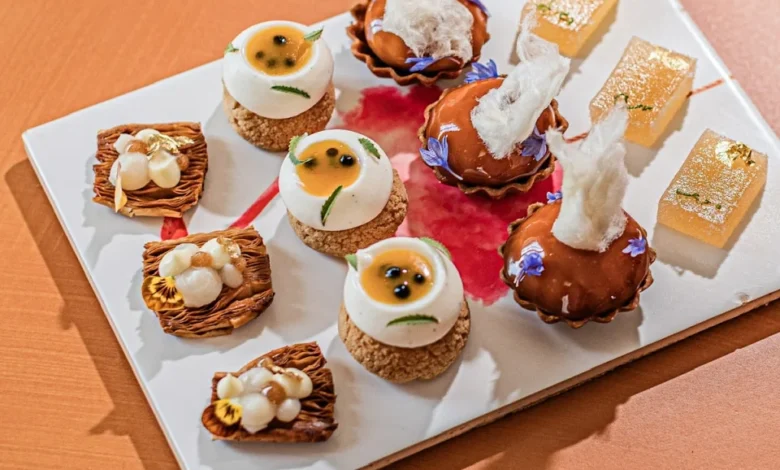
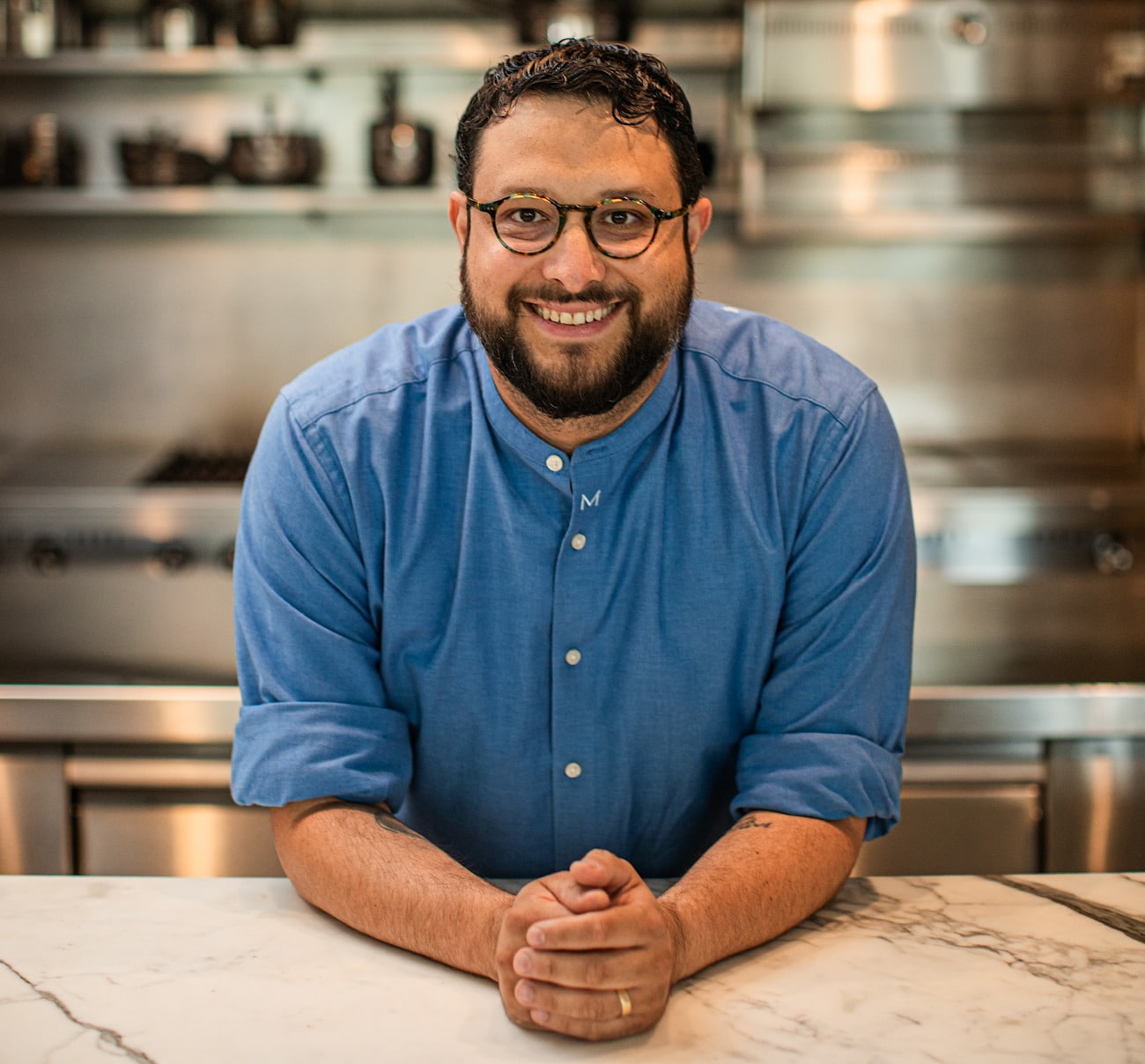
For Chef Felipe Riccio, gastronomy has never been merely about sustenance; it is a profound exploration of human history, global migration, and cultural synthesis. Born in Mexico City, raised along the verdant coast of Veracruz, and shaped by a rich mosaic of Mexican, Spanish, and Italian heritage, Riccio channels his lifelong fascination with interconnected culinary traditions into MARCH. Situated in the heart of Houston, Texas, MARCH is an acclaimed Michelin-starred establishment renowned for an ambitious conceptual framework: every six months, the restaurant completely reinvents its tasting menu, plunging diners into a hyper-specific region, era, and narrative of the Mediterranean.
As Chef and Partner, Riccio approaches the culinary arts with the rigorous methodology of a historian. Months prior to the debut of a new seasonal menu, his culinary team embarks on an exhaustive investigative phase, delving into agricultural shifts, ancient trade routes, socio-political migration patterns, and contemporary cooking techniques. This intensive academic groundwork must ultimately satisfy a singular, uncompromising metric: the resulting dishes must deliver exceptional flavor.
In this comprehensive interview, Riccio reflects on the formative kitchens that shaped his leadership style, his multicultural upbringing, the intricate research engine driving MARCH, the underrated complexity of spices, Houston’s vibrant culinary ecosystem, and the profound implications of earning a coveted Michelin star.
The Foundation of a Culinary Leader: Formative Years and Mentorship
Riccio’s trajectory from an aspiring cook to a celebrated executive chef was forged through distinct, high-intensity professional chapters. Reflecting on his formative years, he points to three pivotal environments that molded his technical discipline and philosophical outlook.
The journey began in earnest at Aura and REEF, kitchens steeped in classical European rigor. At Aura, working under Master French Chef Frédéric Perrier, Riccio encountered a strict kitchen hierarchy governed by discipline, repetition, and uncompromising standards. Stationed in close proximity to an adjoining butcher shop, he grasped a foundational tenet of high-end gastronomy: profound respect for raw ingredients is just as critical as execution on the plate.
This classical foundation accelerated at REEF, where Riccio advanced from a line cook to Executive Sous Chef. Managing a high-volume operation taught him the logistical realities of labor management, cost controls, service troubleshooting, and accountability.
A sharp pivot occurred at Camerata, a wine bar that fundamentally altered Riccio’s cognitive approach to flavor. Immersed in the rigorous study required by the Court of Master Sommeliers, he learned to decelerate and systematically analyze sensory experiences. By connecting geography, climate, and viticultural history to flavor profiles, Riccio discovered a framework that would later dictate the storytelling mechanisms behind MARCH. Furthermore, direct engagement with guests in a front-of-house environment instilled a core hospitality ethos: technical brilliance on the plate is only half the equation; the emotional resonance of how food is delivered is equally vital.
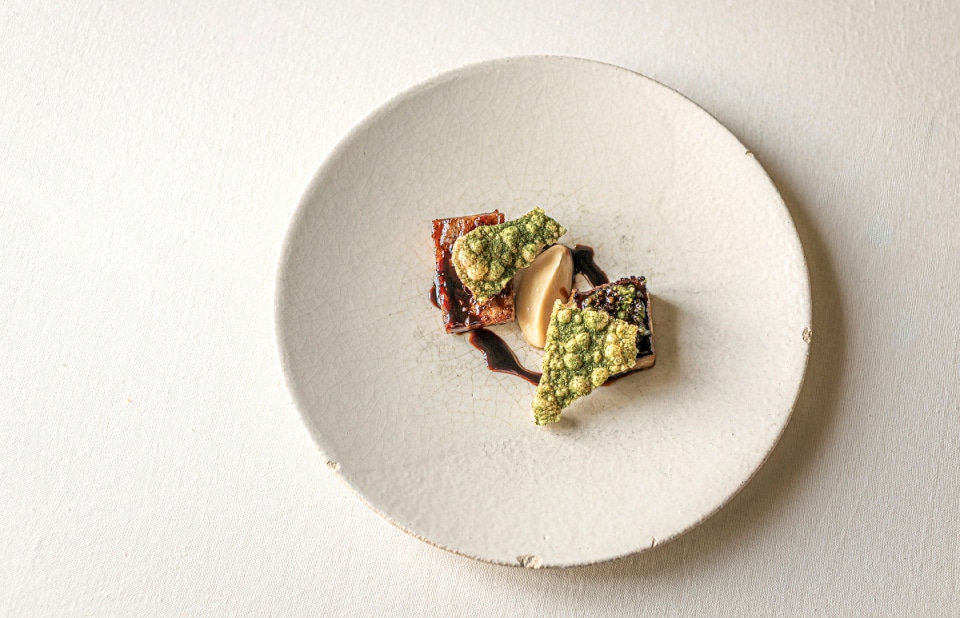
International stints in Europe provided further perspective. Notably, a modest moment preparing a staff meal of cochinita pibil at Massimo Bottura’s renowned Osteria Francescana crystallized a vital lesson regarding culinary audiences. Recognizing that elite European cooks did not require technical displays of flavors they already mastered, Riccio realized that true culinary communication relies on offering the most authentic parts of one’s own cultural narrative.
Navigating a Multicultural Identity and the Mediterranean Tapestry
Growing up in a household bridging three distinct cultures profoundly shaped Riccio’s worldview. Rather than feeling fractured by multiple identities, he found that his multicultural background expanded his culinary vocabulary.
"I have never really known what it is like to belong to only one culture," Riccio reflects. Family gatherings, such as Christmas dinners featuring Mexican romeritos con mole, Spanish bacalao a la vizcaína, and Neapolitan lasagna served side by side, established an environment where cultural blending was simply a normal way of life.
This personal history naturally translated into the conceptual framework of MARCH. Rather than honoring rigid modern borders, the restaurant explores the Mediterranean through the fluid lenses of trade, religion, language, and migration. By viewing cuisine as a dynamic continuum rather than a static set of regional rules, Riccio and his team dismantle traditional geographical boundaries, demonstrating how ingredients and techniques traveled across empires and centuries.
Inside the MARCH Research Funnel: The Anatomy of a Menu
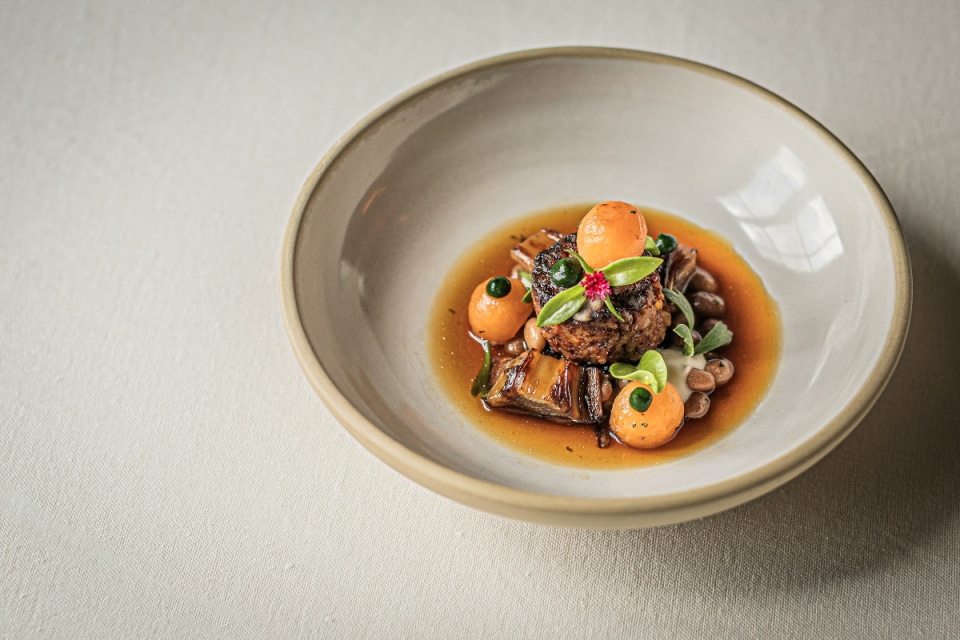
The operational engine of MARCH operates on a cyclical, highly structured timeline designed to ensure intellectual rigor translates seamlessly onto the plate. A typical MARCH season spans approximately 23 weeks, with research for the subsequent menu commencing a mere three weeks after a current launch.
Riccio orchestrates this development using a metaphorical funnel:
- The Broad Phase: The process begins with exhaustive background research covering history, agriculture, climate, religion, trade, and language. Riccio spends nearly a month compiling a comprehensive research guide.
- The Absorption Phase: The culinary team dedicates three weeks to absorbing the guide, conducting independent study, and participating in weekly ideation sessions without active cooking.
- The R&D Phase: An eight-week research and development period follows, featuring bi-weekly tastings that evaluate savory and pastry concepts alongside front-of-house and wine leadership.
- The Refinement Phase: The final weeks involve rigorous full-experience tastings with executive staff, followed by a mandatory team break to ensure mental restoration before a rigorous training period and Friends & Family preview services.
This exhaustive approach extends to international field research. Although not feasible for every season, field expeditions—such as a recent exploratory trip to the Caucasus region of Georgia—underscore the value of experiencing a landscape firsthand. While Riccio acknowledges that the contextual environment of an origin country cannot be entirely replicated in a Houston dining room, these journeys provide the contextual depth necessary to honor foreign culinary traditions with integrity and respect.
Elevating the Underrated: The Case for Spices
When asked to identify overlooked elements in contemporary gastronomy, Riccio points directly to spices. Despite their ubiquitous presence in professional and domestic kitchens, spices are frequently treated as interchangeable commodities rather than agricultural products possessing distinct terroir.
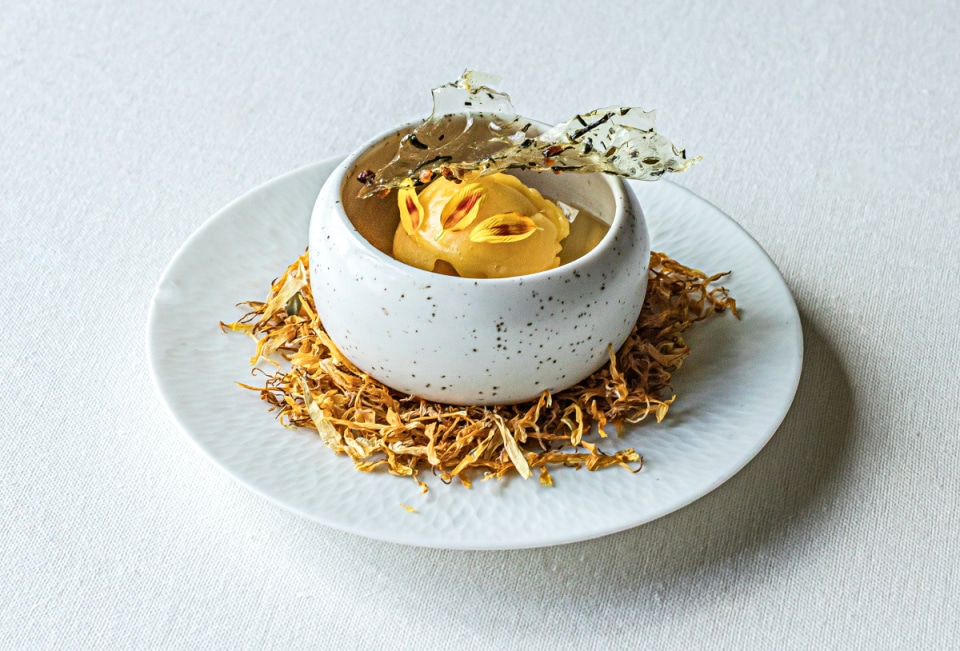
Drawing parallels to the obsessive provenance tracking applied to wine, olive oil, and coffee, Riccio advocates for a more nuanced appreciation of spices. Highlighting purveyors like Diaspora Co., La Boîte, and Rare Tea Cellar, he emphasizes that variations in geography, harvest methods, and freshness yield dramatic differences in flavor profiles—ranging from floral and citrusy to resinous and pungent. By treating spices as primary flavor agents rather than background seasonings, kitchens can unlock entirely new dimensions of complexity.
Houston: A Catalyst for Culinary Innovation
Reflecting on his operational base, Riccio credits Houston’s unique cultural mosaic as a foundational pillar of his career. As one of the most culturally diverse metropolitan areas in the United States, Houston exposes residents and culinary professionals alike to a staggering array of global traditions organically integrated into daily life.
This demographic richness fosters a dining public characterized by adventurous and curious palates. Consequently, Houston restaurants enjoy greater creative autonomy, liberated from rigid expectations of what specific cuisines "should" be. This atmosphere of openness has provided MARCH with the ideal environment to pursue unconventional, highly specialized regional menus.
Michelin Recognition and the Ongoing Pursuit of Excellence
The arrival of the Michelin Guide to Texas marked a watershed moment for the state’s dining scene, culminating in a Michelin star for MARCH. For Riccio, the accolade served as validation for a vast ecosystem of contributors—ranging from line cooks and dishwashers to local farmers, fishermen, and front-of-house staff.
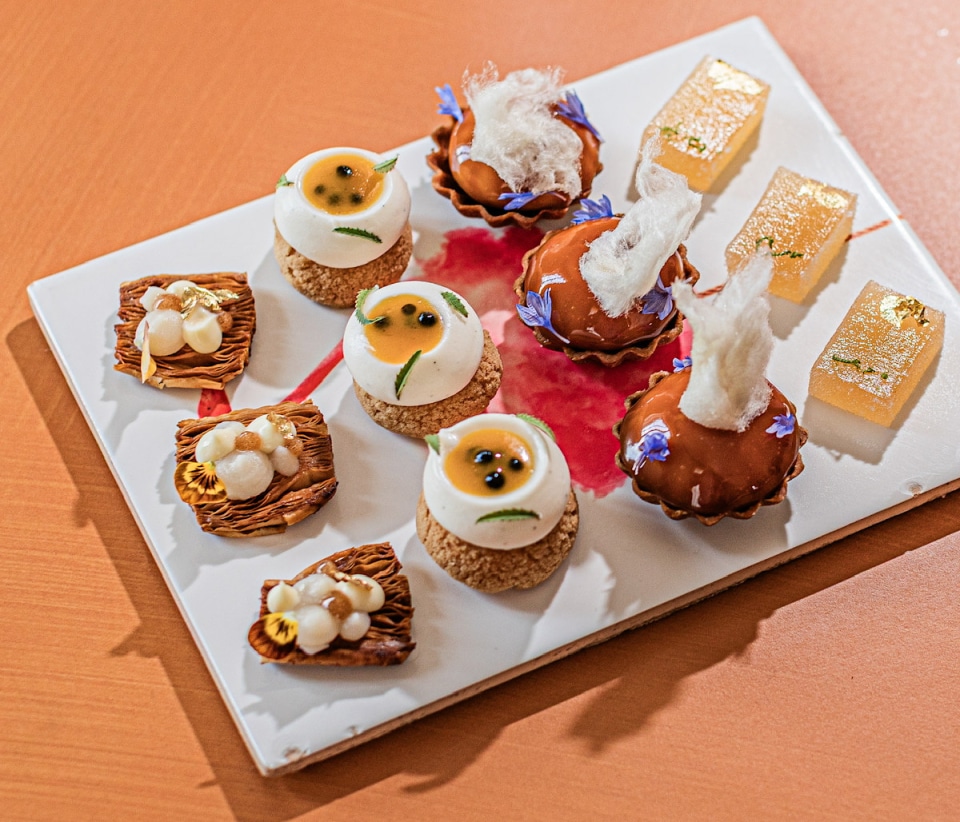
While the recognition has driven increased visibility and recruitment capabilities, Riccio maintains that it has not altered the restaurant’s core philosophy. The pursuit of rigorous intention and craftsmanship preceded the guide’s arrival. Moving forward, the Michelin star represents an elevated standard of accountability—an achievement that must be actively validated with every service, season after season.
Looking Ahead: Future Horizons at MARCH
As MARCH continues to evolve under the umbrella of Goodnight Hospitality—alongside sister concepts such as Rosie Cannonball, Montrose Cheese & Wine, and The Marigold Club—Riccio remains focused on continuous learning. Upcoming research expeditions, including a planned 2027 trip to Bologna and Liguria in Italy, promise to feed the endless cycle of curiosity that defines his career.
Ultimately, Riccio’s philosophy remains anchored in humility, curiosity, and an unwavering commitment to craft. Whether mentoring young cooks or guiding diners through a multi-course exploration of the Mediterranean, his mission is clear: to connect people across cultures through the universal language of thoughtful, delicious food.