Sichuan Roasted Whole Chicken Brings Bold Flavor and Crispy Skin to Holiday Tables

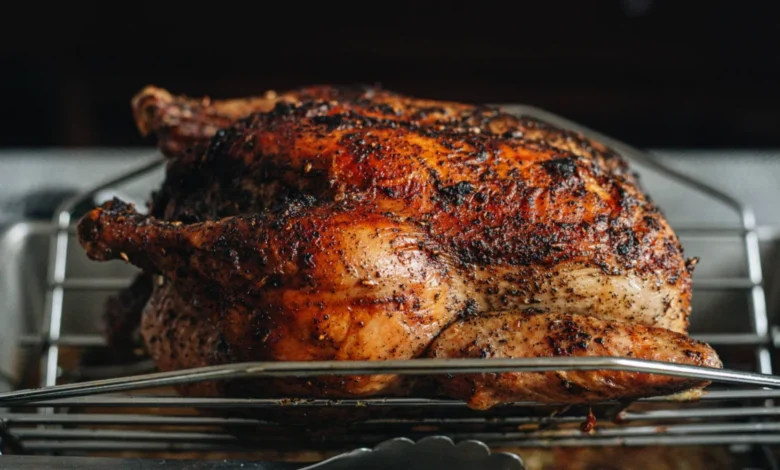
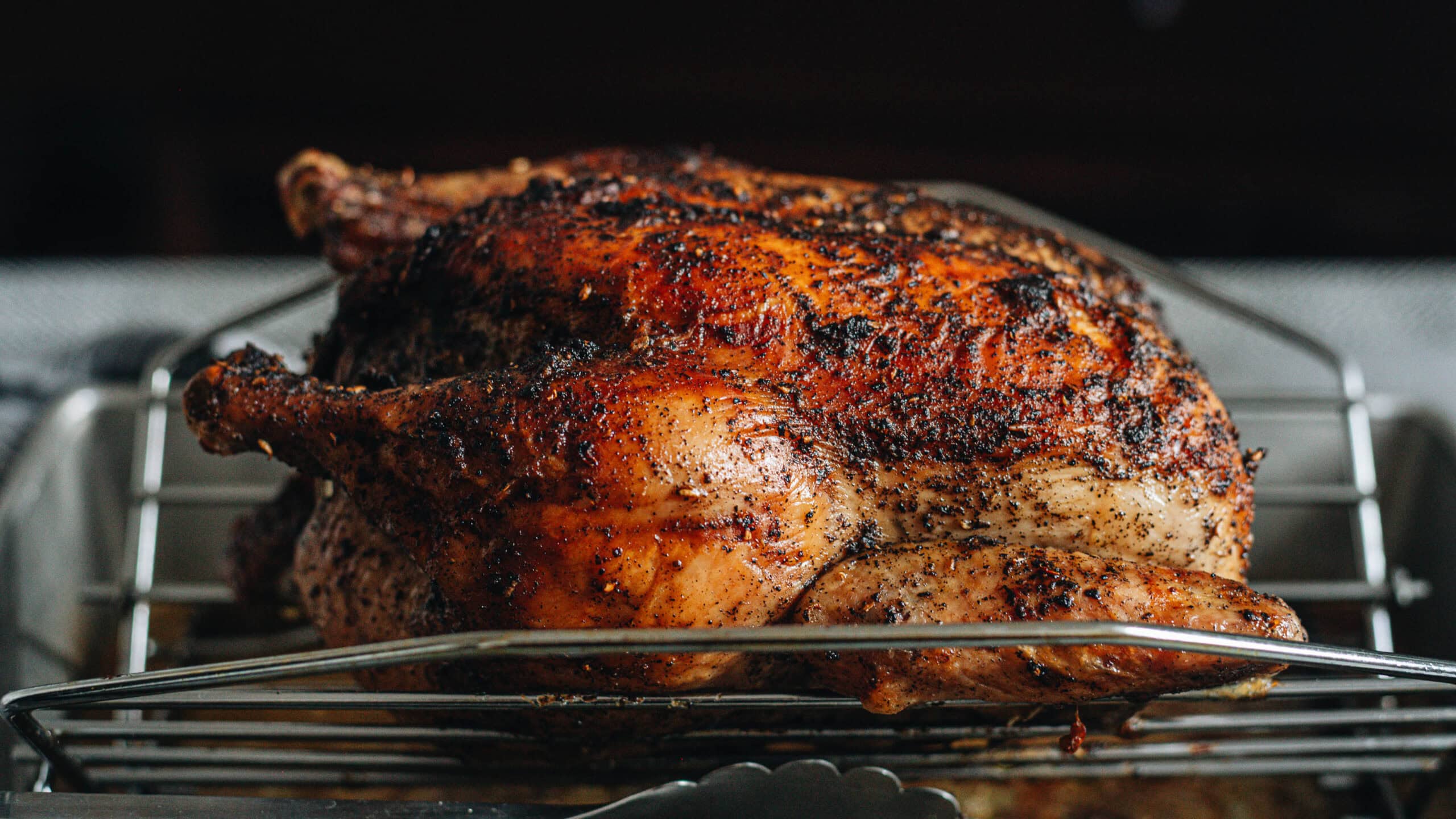
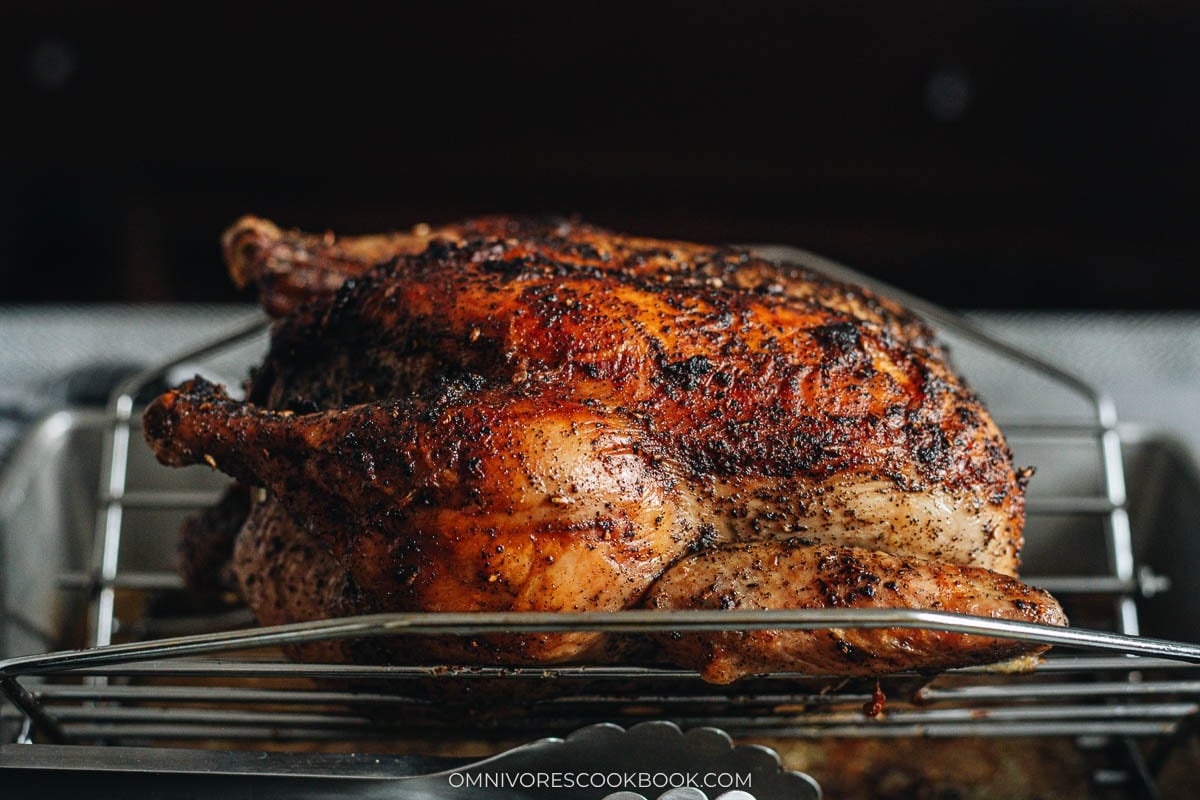
Culinary innovation often stems from the deliberate intersection of distinct gastronomic traditions. A prime example of this cross-cultural fusion is the newly popularized Sichuan Roasted Whole Chicken, a dish that merges the time-tested techniques of Western-style whole-bird roasting with the complex, bold flavor profiles native to China’s Sichuan province. This culinary development offers home cooks and professional chefs alike a sophisticated alternative to traditional holiday centerpieces, blending the familiar juicy tenderness of a well-roasted bird with the signature aromatic heat and subtle numbing sensation of Sichuan cuisine.
Background and Culinary Evolution
The creation of the Sichuan roasted whole chicken addresses a growing demand for diverse flavor profiles in mainstream celebratory dining, including modern interpretations of Asian Thanksgiving menus and upscale dinner parties. Historically, Sichuan cooking relies heavily on quick-cooking methods such as stir-frying, braising, and steaming, utilizing fiery doubanjiang (fermented chili bean paste), fresh chilies, and the iconic hua jiao (Sichuan peppercorns). Adapting these localized spices to a slow-roasting European framework required a careful balancing act to ensure that the delicate white meat of the chicken did not dry out while the robust spices fully penetrated the skin and underlying tissues.
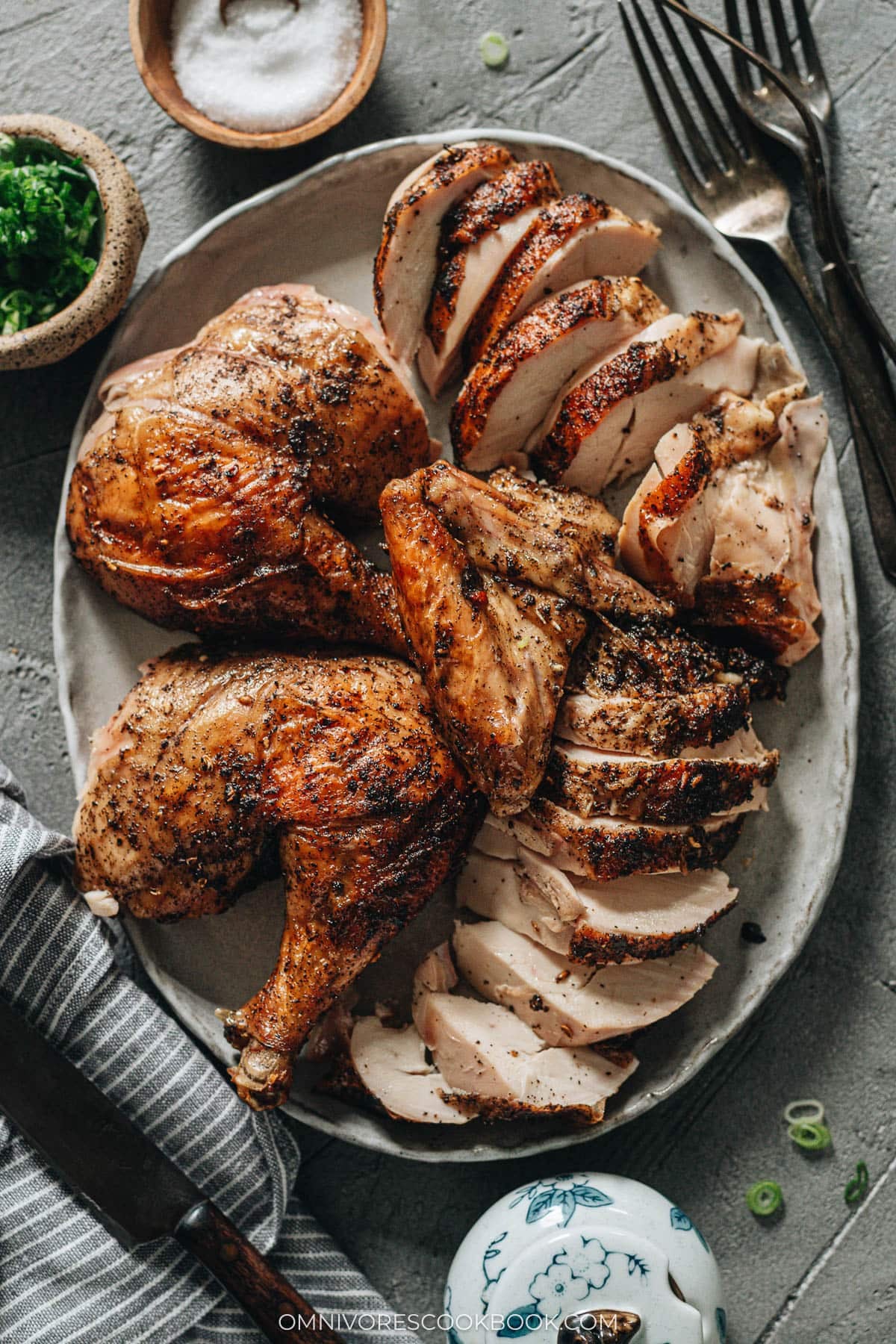
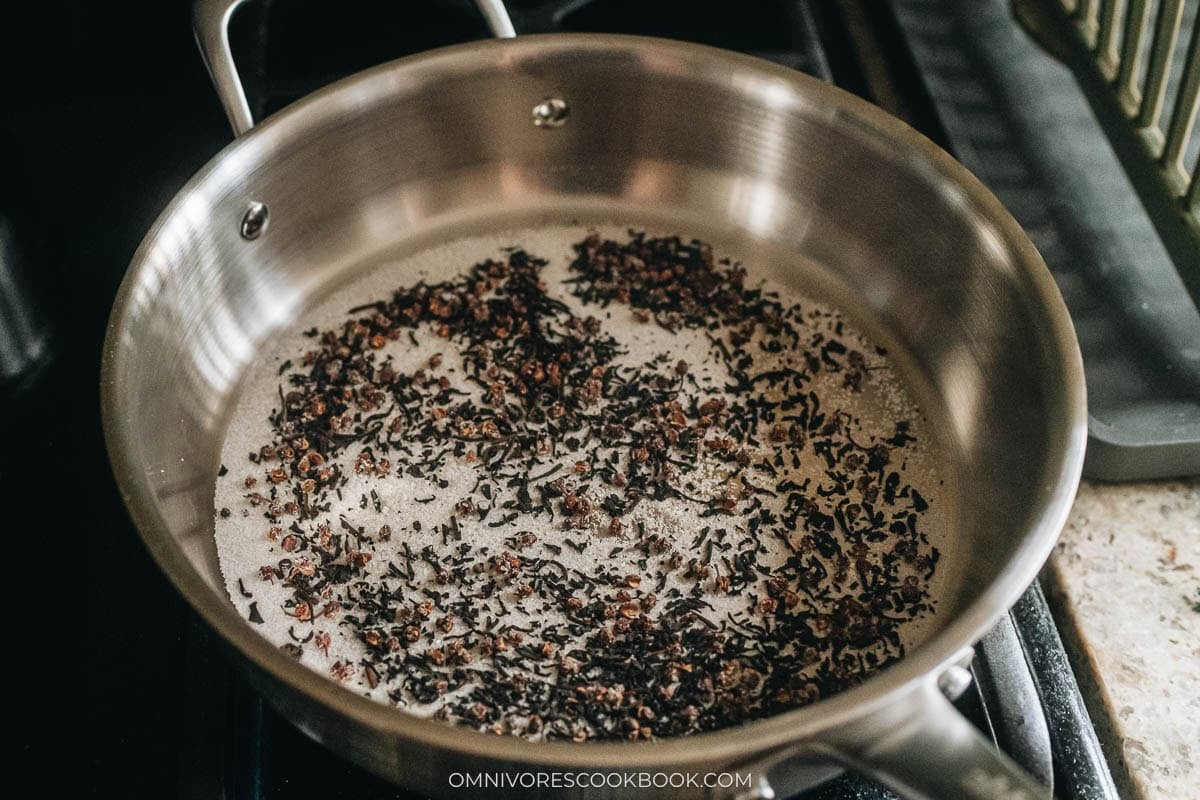
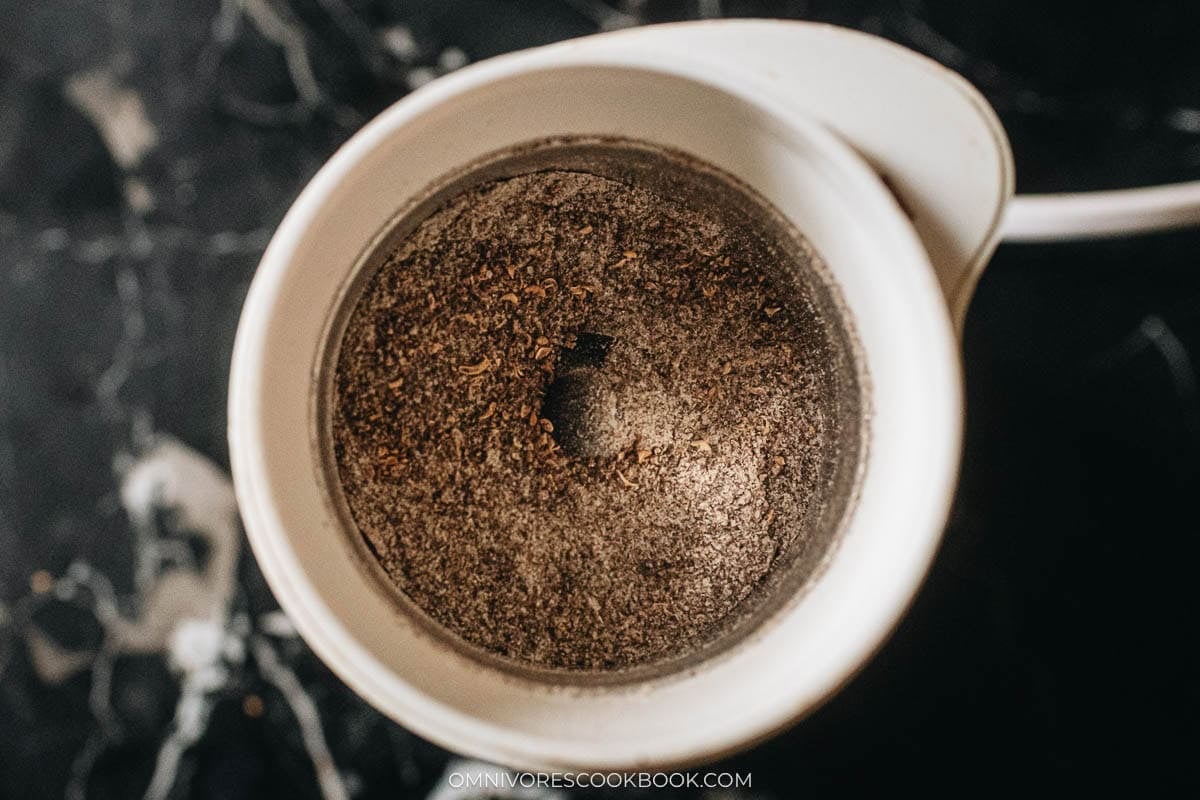
At the heart of this dish is a meticulously formulated spice rub. Culinary developers begin by toasting coarse salt, black tea leaves, and whole Sichuan peppercorns in a dry pan over medium-low heat. This crucial step volatilizes the natural oils in the spices, generating a distinctive smoky aroma before the mixture is pulverized with granulated garlic. The inclusion of black tea introduces a tannic depth reminiscent of traditional smoked fowl, while the Sichuan peppercorns deliver the characteristic tingling sensation (málà) without overwhelming the palate with sheer heat.
Preparation Methodology and Chronology
Successful execution of the Sichuan roasted whole chicken requires a structured timeline, emphasizing overnight preparation to maximize flavor infusion.
Phase One: Seasoning and Marination
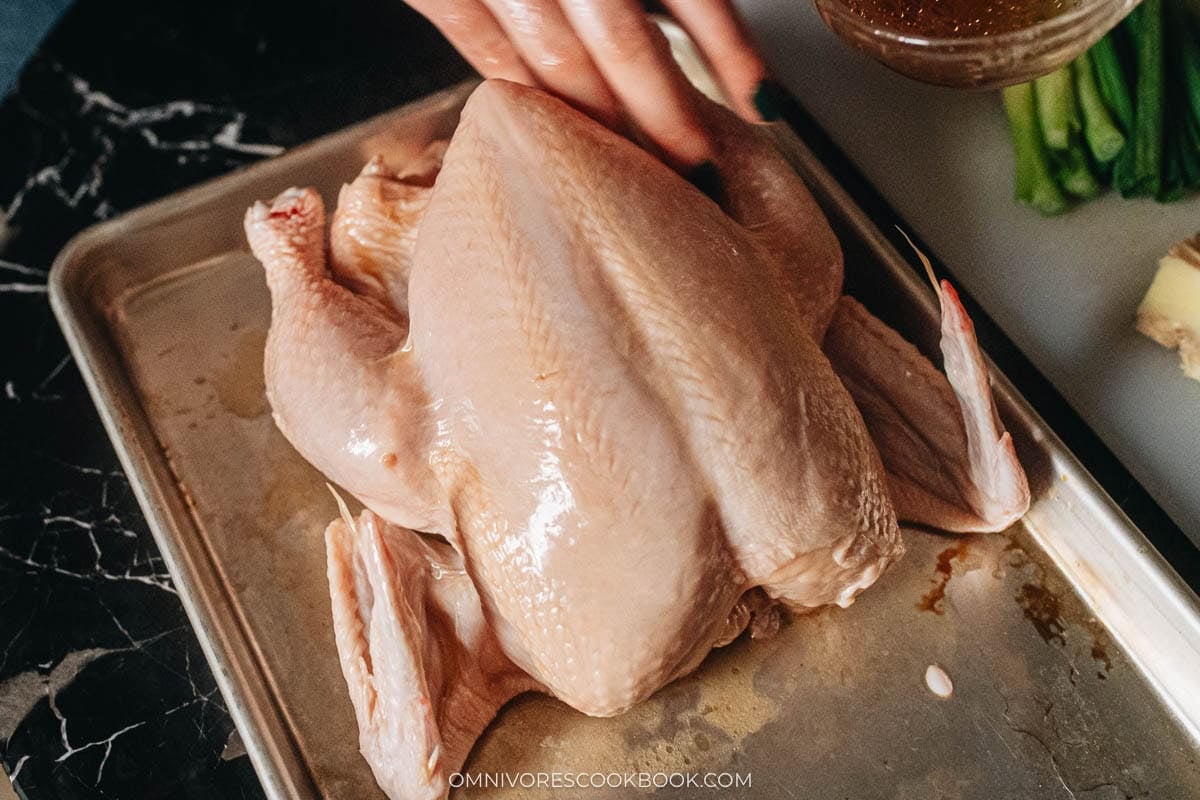
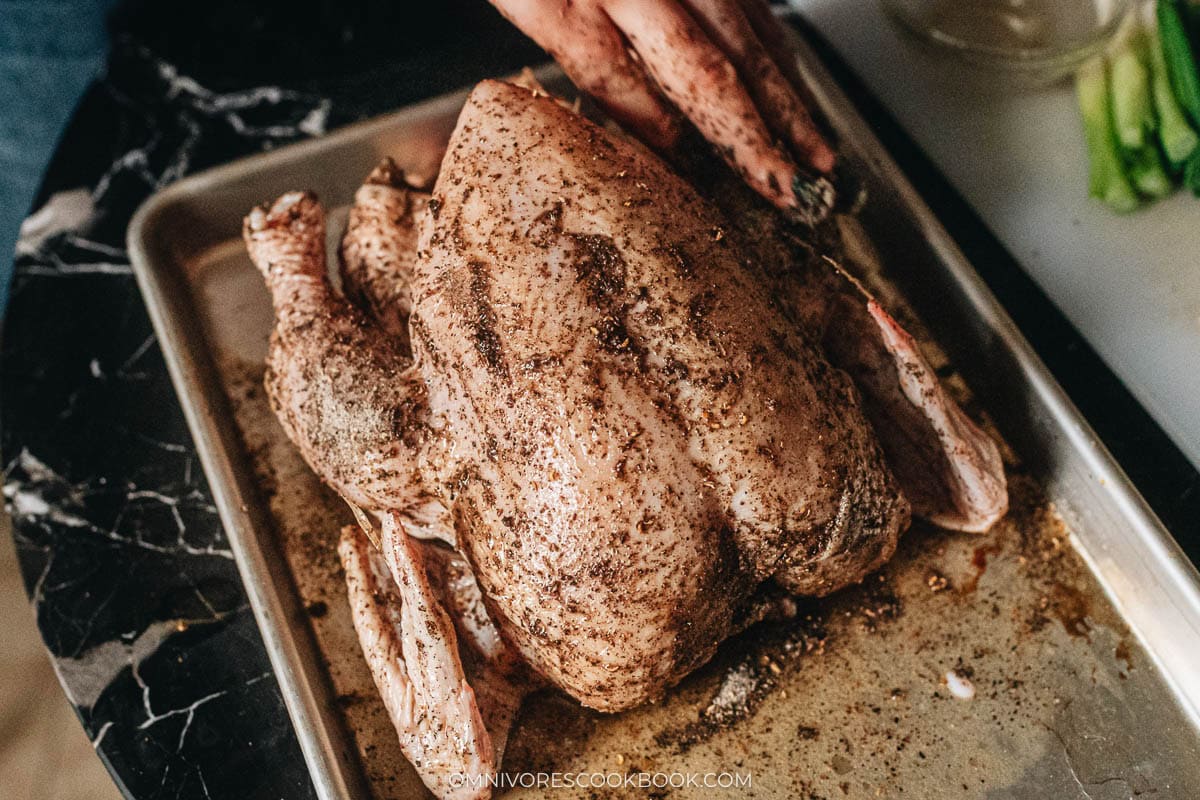
The preparation process typically begins 24 hours prior to cooking. A mid-sized whole chicken—ideally weighing between 3.5 and 4 pounds to optimize cooking time and moisture retention—is first coated in a wet rub comprising Shaoxing rice wine and aromatic sesame oil. The Shaoxing wine seasons the inner proteins, while the oil acts as a hydrophobic barrier that encourages uniform skin browning during the high-heat roasting phase. Following the wet rub, the toasted Sichuan peppercorn salt is massaged thoroughly across the exterior and interior surfaces of the bird.
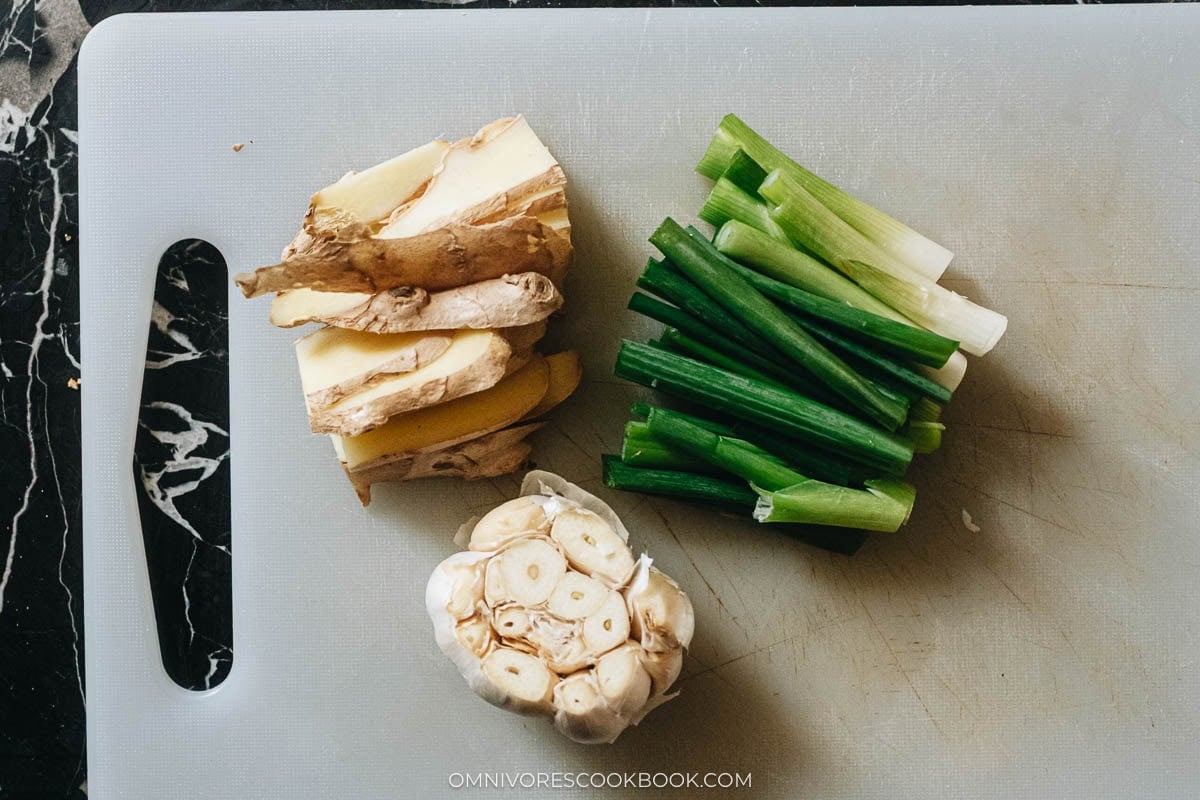
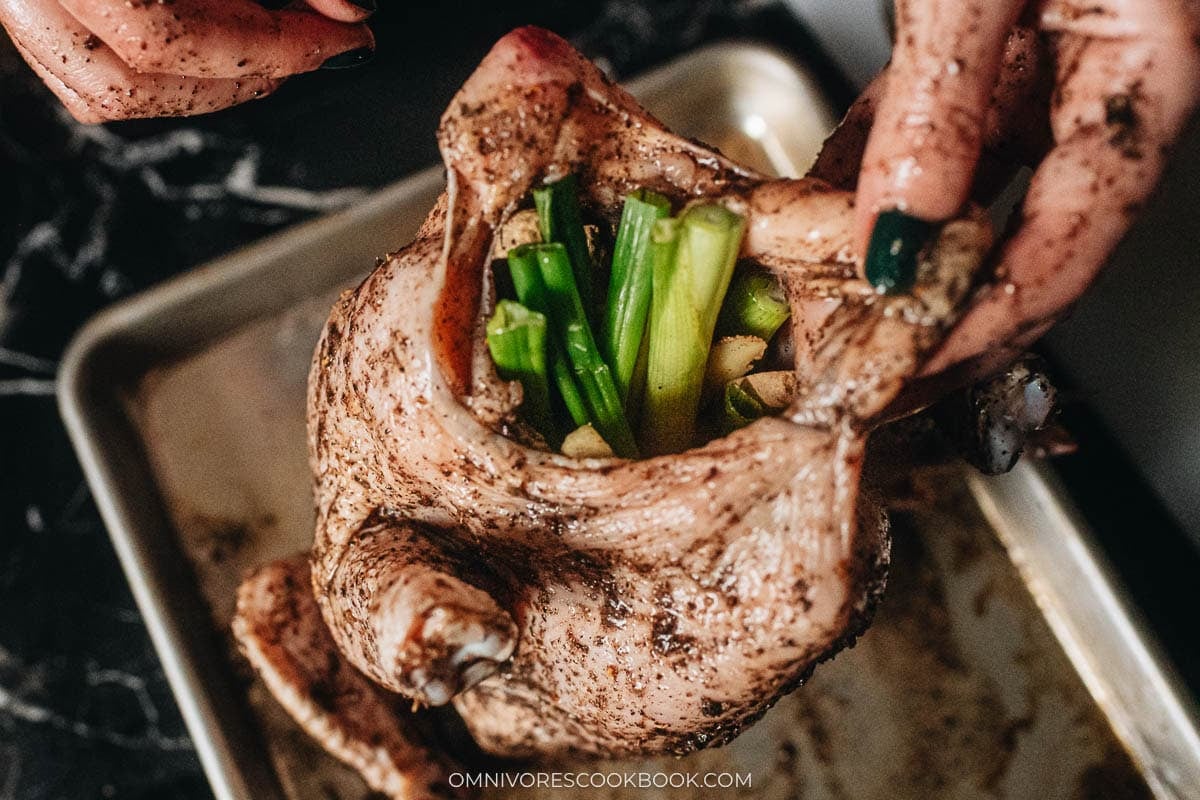
The cavity is subsequently stuffed with fresh aromatics: sliced ginger, scallions, and a halved whole head of garlic. These ingredients undergo thermal expansion and steaming from within during the roasting process, perfuming the meat from the inside out. The seasoned bird is then covered and refrigerated overnight, allowing the sodium to denature surface proteins and distribute the spice notes evenly throughout the flesh.
Phase Two: High-Heat and Controlled Roasting
On the day of preparation, the oven is preheated to 450°F (232°C). To safeguard the accumulated pan drippings—which serve a vital secondary purpose—a roasting pan is lined with protective foil, filled with a cup of water to prevent scorching, and fitted with an elevated rack.
The cooking chronology is divided into distinct thermal stages:
- Initial Sear (30 minutes at 450°F): The high initial temperature sets the skin, rendering excess subcutaneous fat and initiating crisping via Maillard reactions.
- Controlled Finish (30 minutes at 350°F / 176°C): The oven temperature is reduced to allow the interior meat to reach optimal doneness without burning the exterior spices. Culinary experts recommend monitoring internal temperatures via an instant-read thermometer inserted into the thickest part of the thigh (targeting 160°F / 71°C) and breast (targeting 155°F / 68°C), relying on residual carryover cooking during a mandatory 10-to-15-minute resting period to achieve a final safe temperature of 165°F (74°C).
Supporting Data and Nutritional Profile
From a nutritional standpoint, the standard serving of the Sichuan roasted whole chicken provides a lean, protein-dense meal option suitable for various dietary needs, including gluten-free protocols (provided traditional soy-based additives are avoided in side pairings). A standard individual portion yields approximately 234 kilocalories, 35 grams of protein, and 9.3 grams of total fat, of which 2.5 grams are saturated fats. Sodium levels register notably higher—averaging around 977 milligrams per serving—owing primarily to the initial curing salt rub, though this is mitigated when served alongside unseasoned grains or fresh vegetable side dishes.
Innovative Byproducts: The Pan-Dripping Rice Integration
One of the most praised logistical elements of this culinary technique is the utilization of pan drippings. Rather than allowing the rendered fats, rendered chicken juices, and infused Sichuan aromatics to go to waste, the recipe incorporates them directly into a complementary side dish: ginger chicken rice.
Following the roasting process, the concentrated liquid collected in the roasting pan is decanted and measured. Combined with water to meet the precise hydration ratio required for white rice, the liquid is used to steam the grains alongside fresh ginger slices and a pinch of salt. This method recycles the complex flavor compounds of the bird, yielding a savory, aromatic carbohydrate base that mirrors the philosophy of traditional Hainanese chicken rice while incorporating distinct regional Chinese spice notes.
Industry Analysis and Broader Market Implications
Food industry analysts note that the rising popularity of dishes like the Sichuan roasted whole chicken reflects a broader consumer shift toward elevated home cooking and adventurous global flavors. As international travel restrictions of recent years stimulated a domestic desire for authentic global gastronomy, home cooks have increasingly sought accessible recipes that utilize specialty ingredients—such as Shaoxing wine and Sichuan peppercorns—without requiring specialized commercial kitchen equipment.
Furthermore, the emphasis on make-ahead preparation aligns with modern consumer lifestyle demands. By shifting the labor-intensive marination step to the evening prior, hosts can execute a complex, restaurant-quality centerpiece with minimal active time on the day of a dinner party or holiday gathering.
As culinary boundaries continue to blur, dishes that successfully honor traditional flavor heritages while adopting familiar Western preparation methods are expected to maintain a prominent place in contemporary home-dining culture, signaling a permanent expansion of multicultural influences in everyday holiday planning.