Dulce de Tayota (Chayote in Spiced Syrup): Exploring the Culinary Evolution of a Caribbean Staple

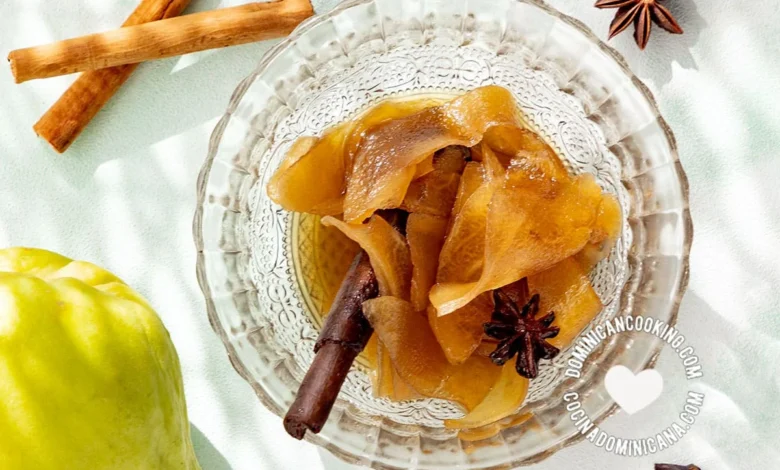
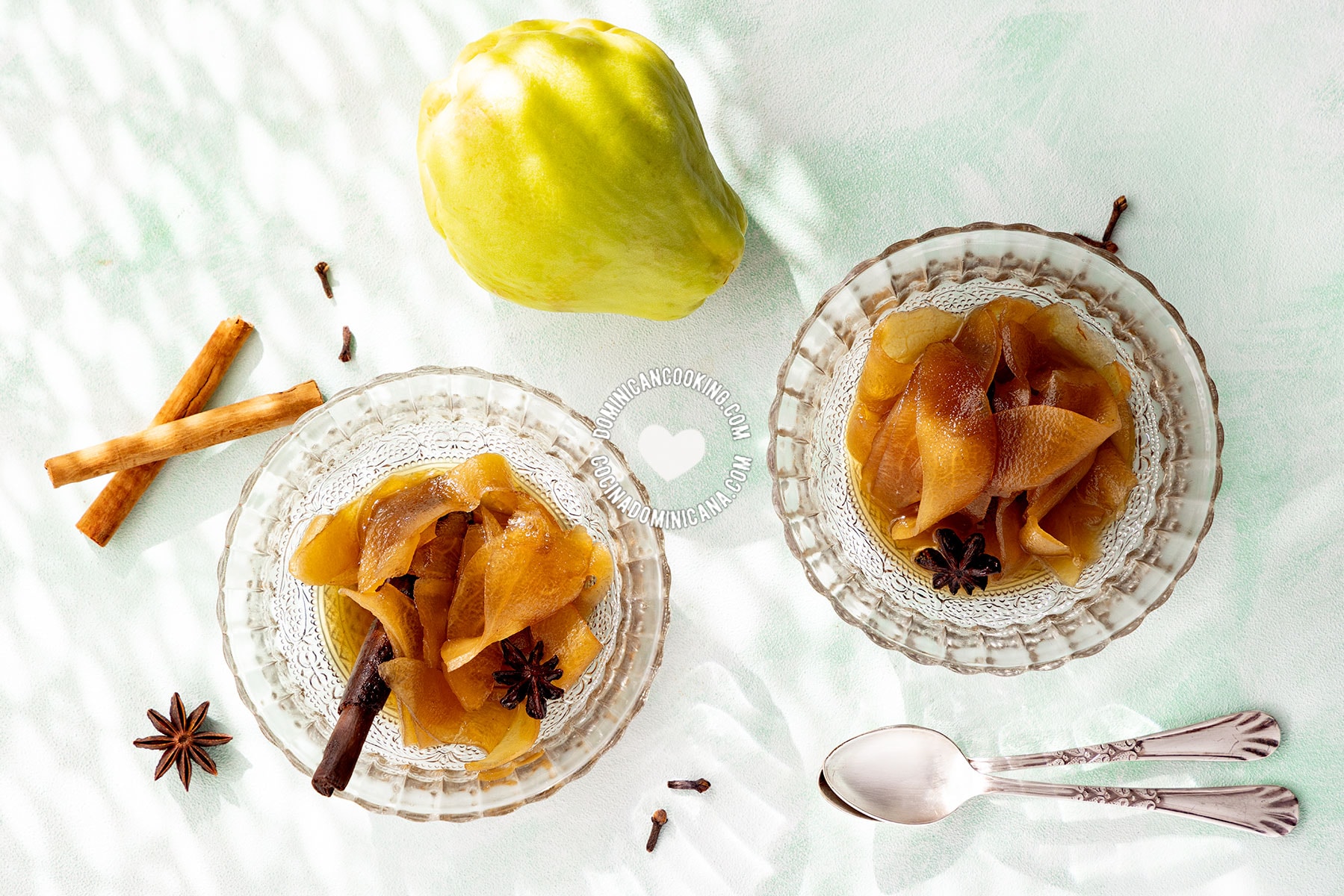
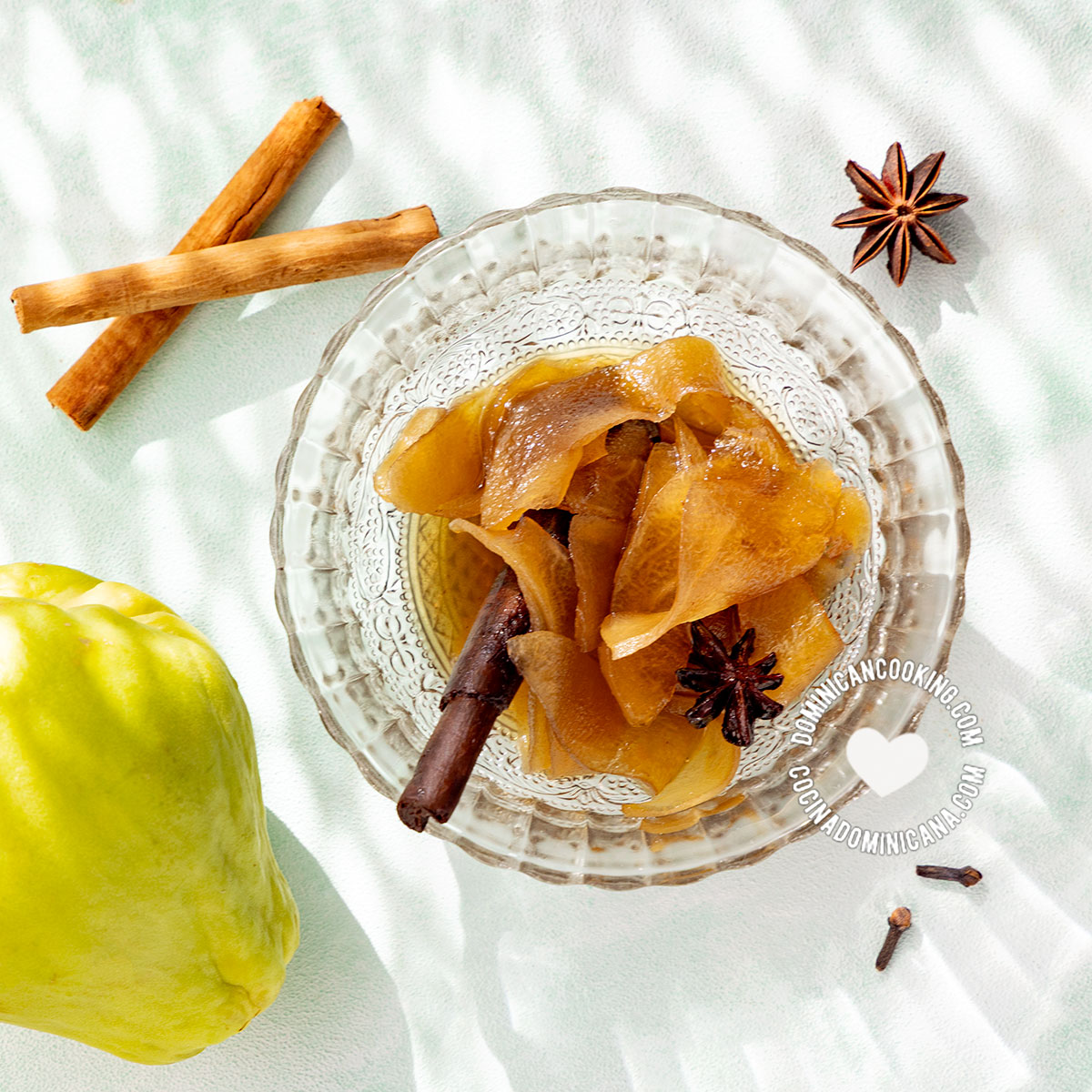
The culinary world is often defined by ingredients that command immediate attention, yet some of the most profound gastronomic traditions rely on components celebrated for their adaptability rather than an overpowering flavor profile. Among these, the chayote—known locally in the Dominican Republic and various Spanish-speaking regions as the tayota, and globally recognized by monikers such as christophine or mirliton—has long occupied a dual role in Caribbean and Latin American kitchens. While traditionally relegated to savory applications such as stews, side dishes, and traditional lunches like La Bandera Dominicana or savory locrios, the humble vine-growing vegetable possesses a lesser-known versatility that allows it to transition seamlessly into the realm of confectionery. Through a meticulous preparation process known as dulce de tayota en almíbar, home cooks and culinary preservationists alike have transformed this texturally unique produce into a celebrated candied dessert, bridging the gap between everyday agriculture and rich regional heritage.
Background Context and Botanical Overview of the Chayote
Originating in Mesoamerica, the chayote (Sechium edule) has been cultivated for millennia, deeply embedding itself into the agricultural frameworks of Latin America and the Caribbean. Botanically classified as a fruit—though treated and consumed universally as a vegetable—the plant thrives on climbing vines, producing pear-shaped, ribbed gourds with a pale green exterior and a crisp, watery interior.
For generations, the tayota has faced lighthearted culinary skepticism regarding its inherent flavor profile. Often described by food historians and culinary critics as remarkably mild, its neutral taste is precisely the attribute that unlocks its culinary potential. In the context of Dominican cuisine, this neutral canvas enables the vegetable to absorb surrounding flavors with remarkable efficiency. When subjected to prolonged simmering in sugary syrups infused with aromatic spices, the cellular structure of the chayote takes on the dominant characteristics of its cooking medium, transforming into a translucent, candied delicacy that defies its savory origins.
Culinary Chronology and the Rise of Dulce en Almíbar
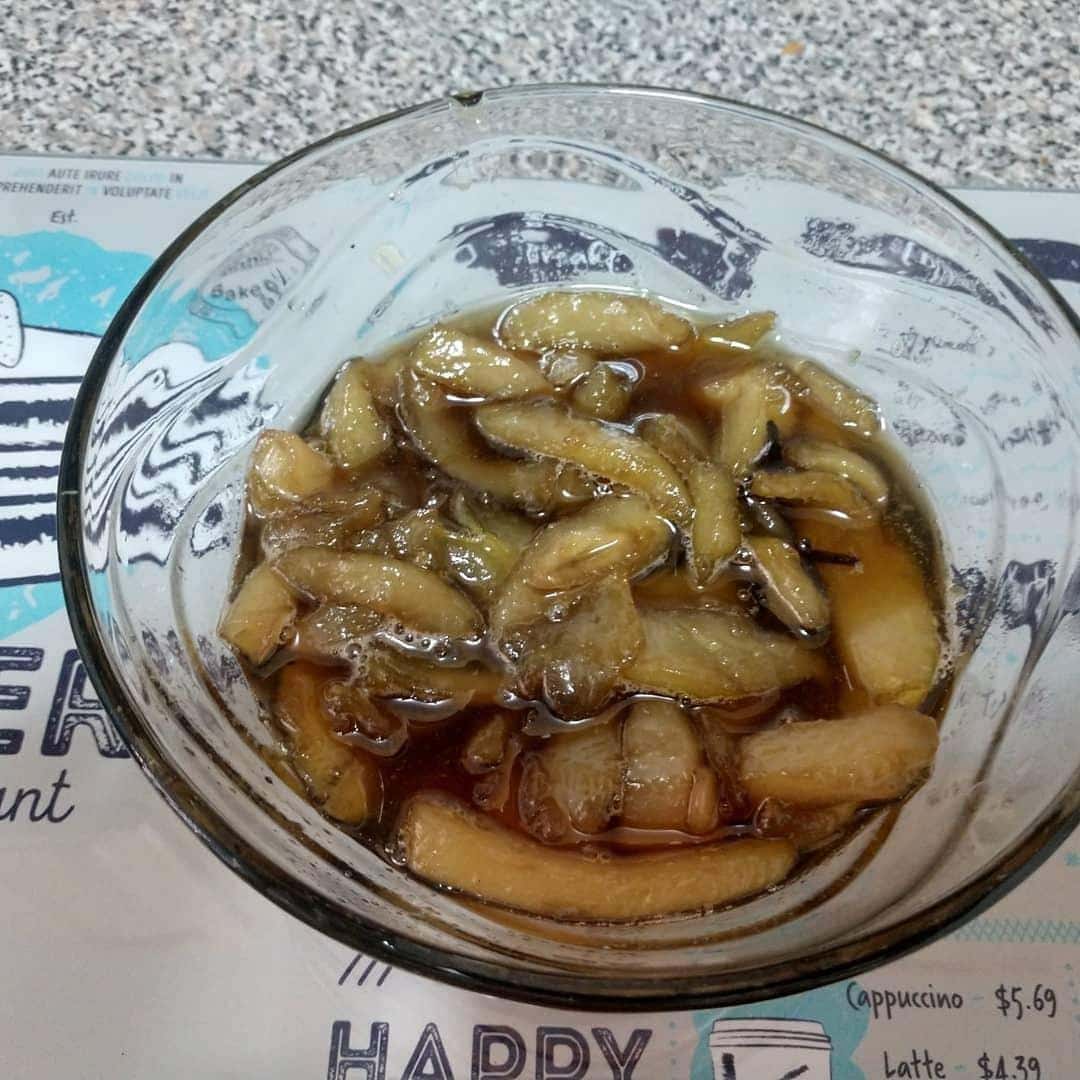
The practice of preserving fruits and vegetables in spiced sugar syrups—collectively referred to in the Dominican Republic as dulces en almíbar—dates back to the colonial era, influenced by a convergence of European confectionery techniques, indigenous agricultural products, and the vast expansion of the Caribbean sugar industry.
Historically, sugar cane production served as a cornerstone of the regional economy, making sweetened preserves an accessible and practical method for extending the shelf life of seasonal produce. Over centuries, local cooks expanded the canon of candied items beyond traditional tropical fruits like papayas, figs, and oranges to include dense or neutral vegetables such as the tayota.

The preparation timeline for dulce de tayota is remarkably efficient compared to other traditional sweets, reflecting its practical utility in home kitchens:
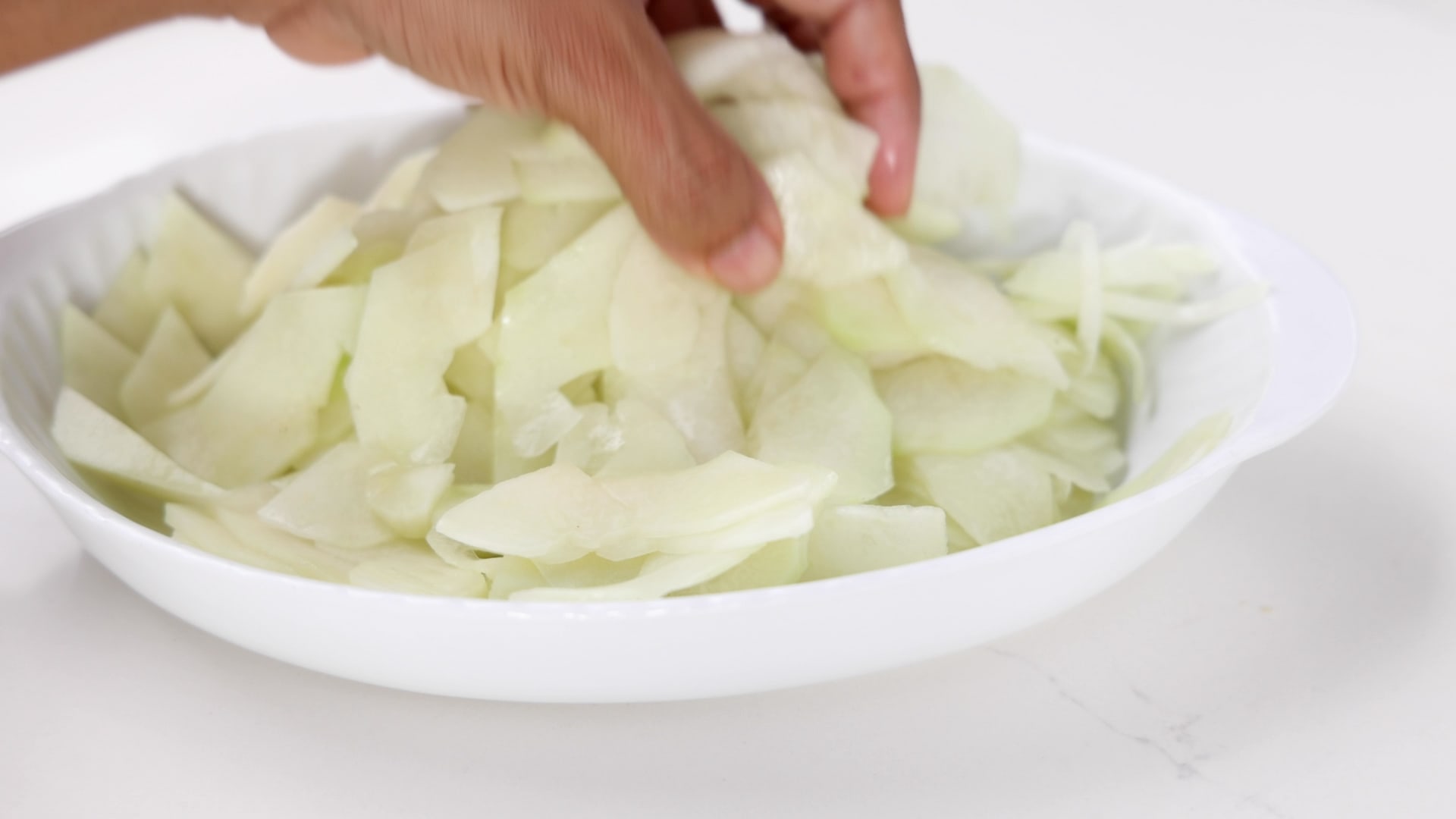
- Preparation Phase (5 minutes): The chayotes are thoroughly washed, peeled, and sliced into uniform pieces, with the fibrous inner seed core removed.
- Combination Phase: Slices are placed in a heavy-bottomed pot alongside granulated sugar, water, and a precise blend of traditional Caribbean spices, which typically include cinnamon sticks, cloves, and sometimes a hint of citrus peel or vanilla.
- Cooking Phase (20 minutes): The mixture is brought to a boil and then simmered over medium-low heat. During this window, the moisture within the vegetable partially releases while the dense sugar syrup penetrates the cellular matrix, resulting in a thick, glossy coat and tenderized fruit-like pieces.
- Chilling and Storage: Unlike warm winter desserts, dulce de tayota is traditionally served thoroughly chilled, making it a favored option during the sweltering summer months across the Caribbean.
Nutritional Profile and Modern Dietary Adaptation
From a nutritional standpoint, the traditional chayote offers several distinct dietary advantages, which have contributed to its enduring popularity. Analytical data indicates that a standard serving of dulce de tayota (calculated at approximately 159 kilocalories per serving) provides a low-fat, low-sodium profile with notable amounts of dietary fiber, potassium, and vitamin C.
However, the traditional preparation relies heavily on refined cane sugar to achieve the signature candied texture, yielding roughly 37 grams of sugar per serving. In response to contemporary health trends—such as the rising demand for low-carbohydrate and ketogenic diets—culinary researchers and modern food bloggers, including prominent Dominican recipe developers, have experimented with alternative sweetening agents. By substituting traditional cane sugar with keto-friendly alternatives like erythritol or monk fruit sweeteners, home cooks have successfully adapted the centuries-old recipe to align with modern metabolic health requirements without compromising the structural integrity or traditional spice profile of the dish.
Cultural Implications and Gastronomic Significance
The persistence of recipes like dulce de tayota within modern Dominican households highlights a broader cultural commitment to resourcefulness and culinary heritage. In an era dominated by processed foods and globally homogenized dining trends, traditional sweets serve as a tangible link to regional history, agricultural cycles, and generational knowledge passed down through family networks.
Culinary anthropologists note that dishes utilizing undervalued ingredients like the tayota reflect a historical philosophy of zero waste and creative adaptation. By elevating a vegetable often mocked for its blandness into a sophisticated dessert served at the conclusion of significant midday meals, Dominican culinary culture demonstrates a profound understanding of flavor infusion and ingredient synergy.
As digital platforms and food blogs continue to document and globalize regional recipes, dishes such as dulce de tayota are finding new audiences outside the Caribbean. This digital preservation ensures that traditional cooking methods survive the transition into modern, fast-paced lifestyles, allowing future generations to appreciate the complex culinary possibilities hidden within the humble chayote.