The Culinary Evolution of the Garlic Knot
The origins of the garlic knot are deeply rooted in the New York City pizzeria culture of the 1970s and 1980s. Historically, these items were created as a method of waste reduction; pizzaiolos would take leftover scraps of pizza dough, tie them into knots, bake them, and toss them in garlic, oil, and parsley. This utilitarian approach resulted in a dense, chewy product that served primarily as a vessel for dipping sauces.
However, contemporary home bakers are increasingly moving away from the "leftover dough" methodology. The modern approach, which utilizes a enriched dough containing milk, butter, sugar, and eggs, represents a sophisticated departure from the original iteration. By introducing fat into the dough, the protein network is softened, resulting in a roll that possesses the structural integrity of a knot but the mouthfeel of a high-end dinner roll. This shift reflects a broader consumer preference for artisanal baking practices that emphasize texture and ingredient quality.
Technical Composition and Dough Chemistry
The transition from a lean pizza dough to an enriched dough is a technical process that significantly alters the final product. In professional bakery settings, the use of dairy—specifically milk and butter—is essential for creating a tender crumb. Milk provides lactose and proteins that contribute to a golden-brown crust through the Maillard reaction, while the fat content inhibits the formation of a rigid gluten structure.
According to food science data regarding yeast-leavened breads, the addition of egg further enhances the internal structure, providing emulsification that keeps the knots soft even after they have cooled to room temperature. This is a critical distinction from traditional knots, which often become unpalatable once the residual heat dissipates. By incorporating these ingredients, home bakers can achieve a consistent result that rivals commercial bakery standards, provided that proper proofing times—typically ranging from 60 to 90 minutes depending on ambient temperature—are observed.
Chronology of Preparation and Best Practices
The preparation process for these enriched garlic knots follows a disciplined, multi-stage timeline. Effective execution requires careful attention to the initial fermentation phase, where the yeast acts upon the sugars provided in the recipe to produce carbon dioxide.
- Dough Activation: The base is prepared by activating yeast in warm liquids, followed by the incorporation of flour and fats. The dough must be kneaded until it reaches a smooth, elastic consistency.
- Primary Proofing: The dough is placed in a warm, draft-free environment until it doubles in volume. This step is non-negotiable, as insufficient proofing leads to a dense product.
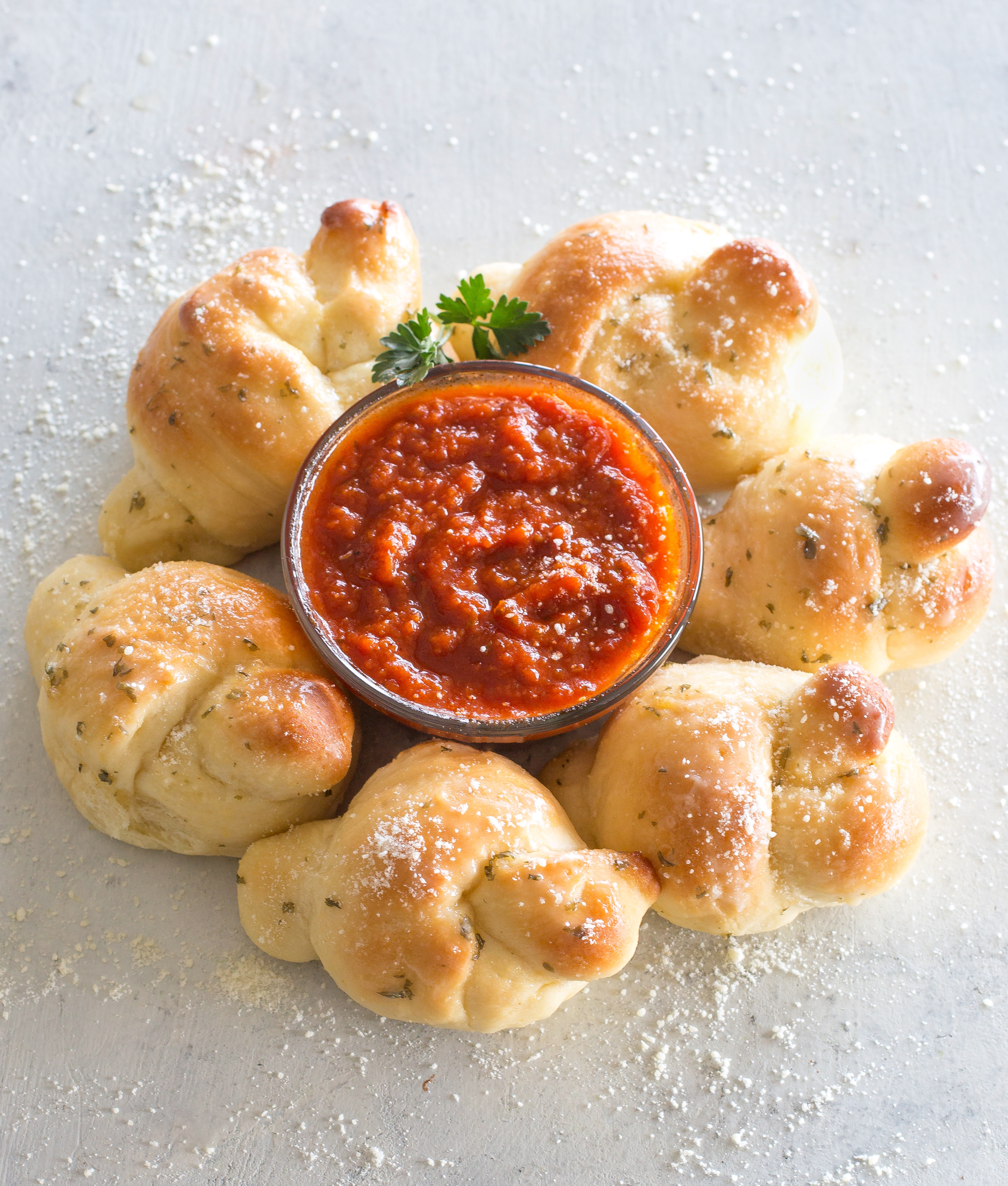
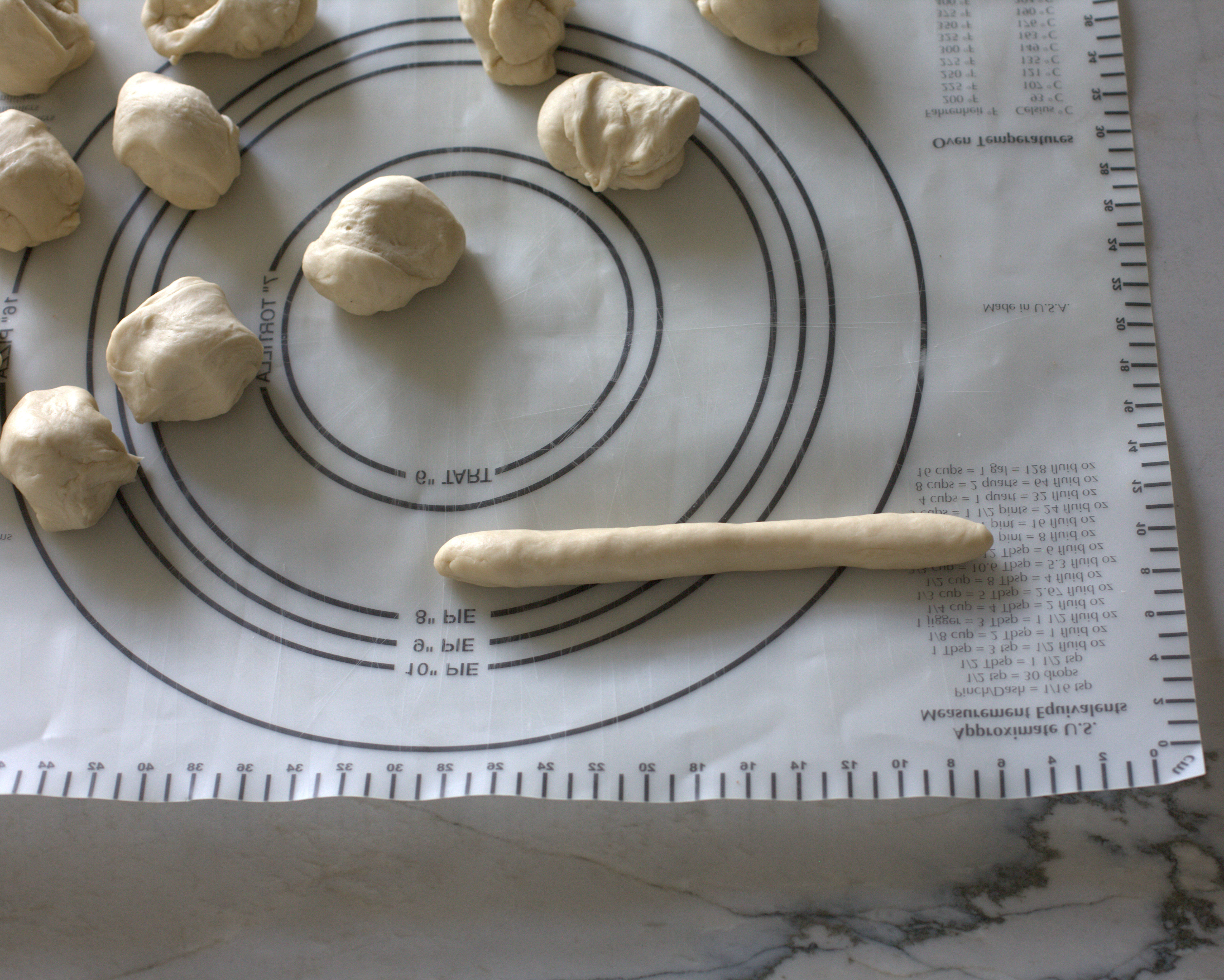
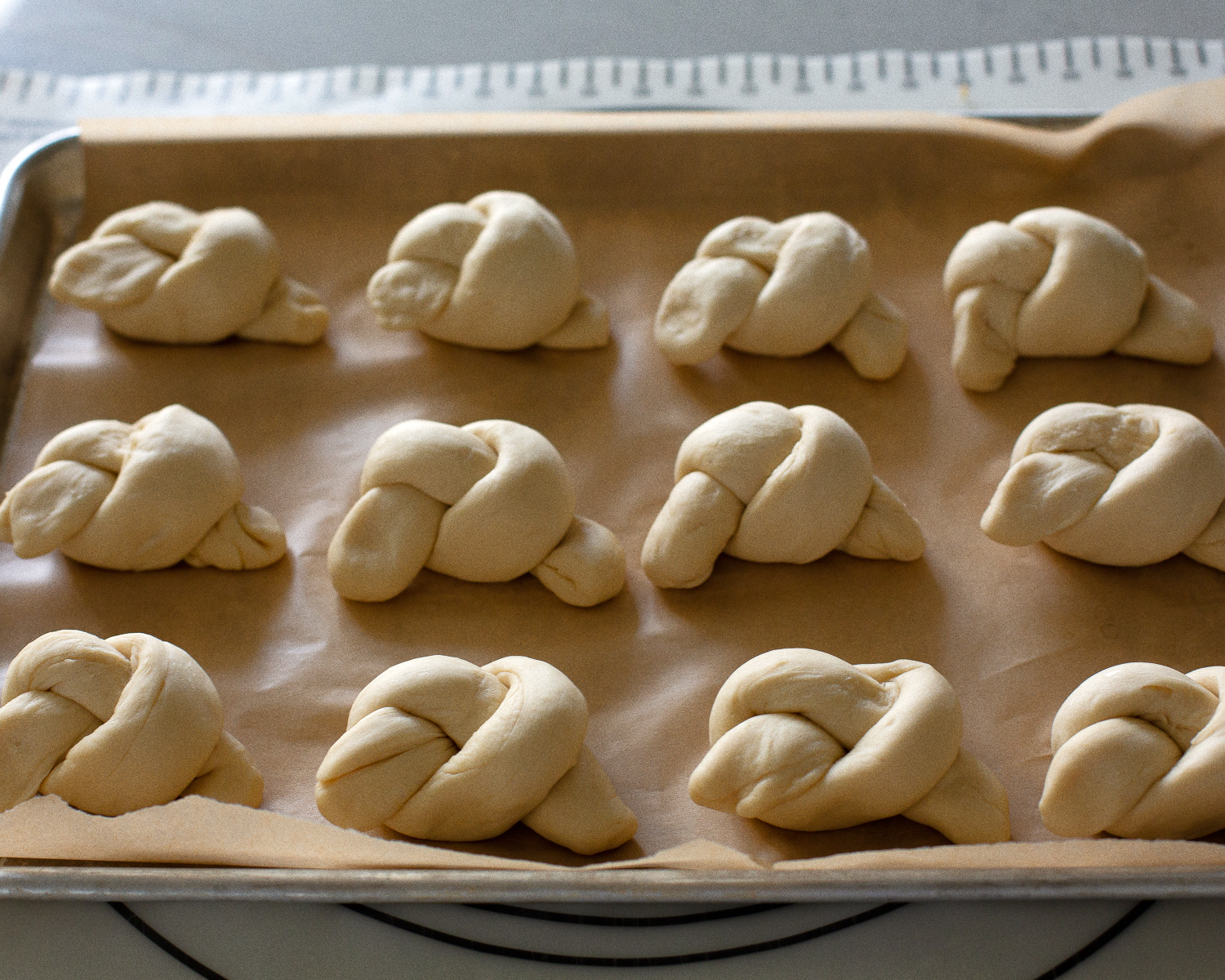
- Shaping: Once proofed, the dough is divided into equal portions. The technique involves rolling the dough into a "rope" before tying it into a simple overhand knot. This requires a delicate touch to ensure the dough does not tear, which would compromise the final rise.
- Secondary Proofing: After shaping, the knots undergo a second rise on the baking sheet. This is the stage where the final "fluffiness" is determined.
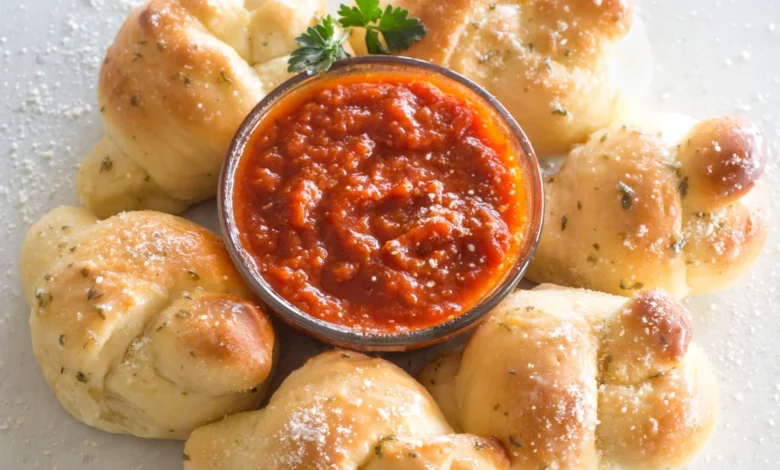
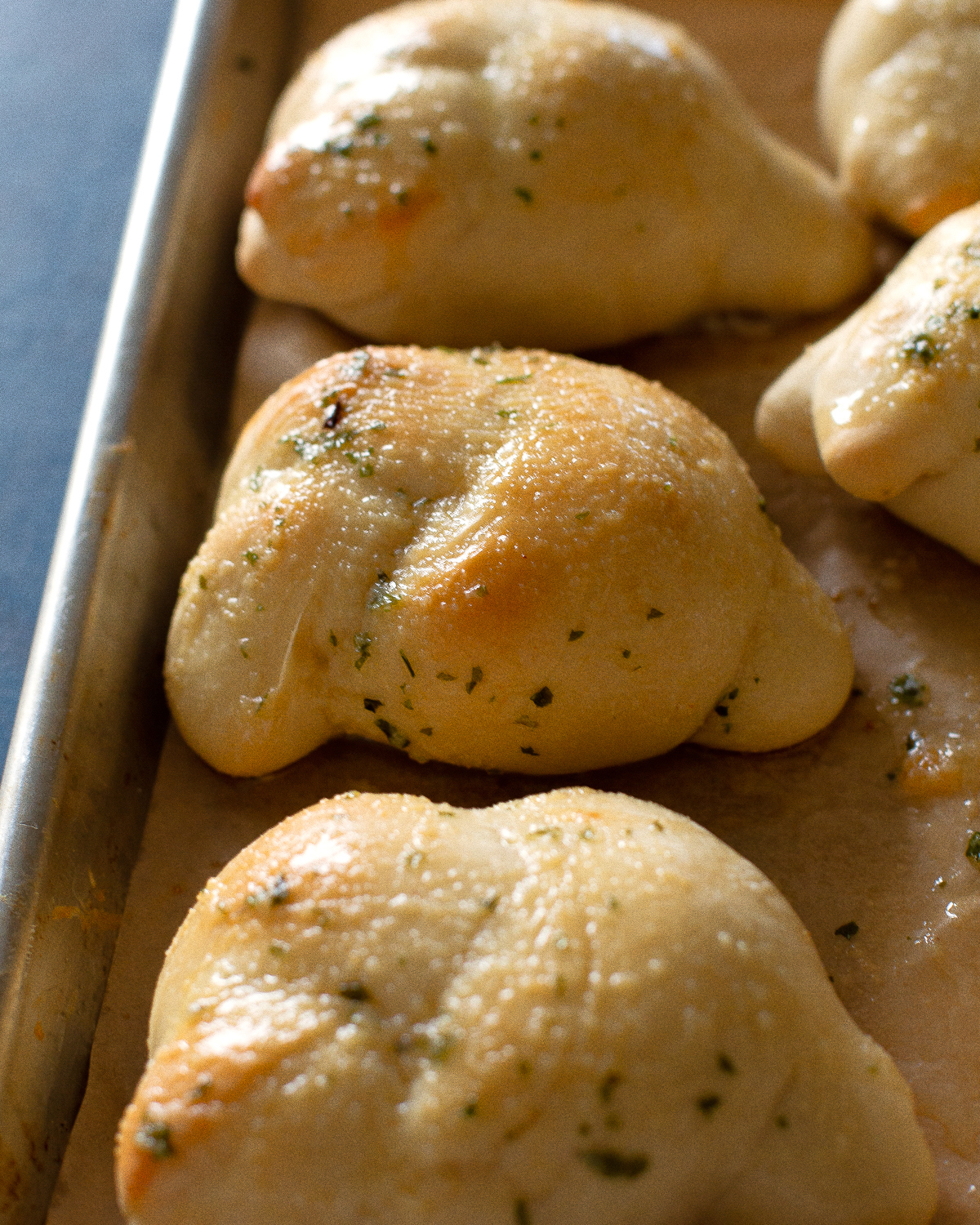
- Baking and Glazing: The knots are baked at a high temperature, typically 375°F to 400°F (190°C to 200°C), for 12 to 15 minutes. The crucial final step is the application of the garlic-butter glaze immediately upon removal from the oven, allowing the butter to soak into the warm bread.
Supporting Data and Consumer Trends
Market analysis from the baking industry indicates a steady rise in interest regarding "scratch-made" bread products. Data suggests that consumers are increasingly looking for recipes that allow them to replicate restaurant-quality experiences at home. The popularity of the garlic knot, specifically, has seen a 15% year-over-year increase in search volume, attributed largely to its versatility as a side dish for pasta, soups, and salads.
Furthermore, the nutritional profile of these enriched knots differs from standard pizza dough versions. Because they utilize milk and butter, they contain a higher caloric density, but this is balanced by their role as a "comfort food" item. Culinary experts note that the addition of freshly minced garlic—as opposed to powdered alternatives—is the primary driver for consumer satisfaction in home-prepared batches.
Official Perspectives and Expert Commentary
Culinary instructors frequently emphasize that the "secret" to superior garlic knots lies in the temperature of the ingredients. Using cold milk or hard butter can impede the fermentation process, resulting in a lackluster rise. Professional chefs recommend tempering all ingredients to room temperature before beginning the mixing process.
Moreover, the inclusion of Parmesan cheese is not merely a garnish; it adds a savory, umami-rich component that balances the richness of the butter glaze. Industry experts suggest that the most successful recipes are those that treat the knot not as an afterthought, but as a primary component of the meal, worthy of the same time and care as a main course.
Broader Impact and Implications
The shift toward more complex, enriched doughs for simple items like garlic knots illustrates a broader trend in home cooking: the "prosumer" model. As consumers gain access to professional-grade tools and higher-quality ingredients, the standards for home baking have risen. This has implications for the retail sector, where grocery stores are now seeing an increased demand for specialized flours and high-quality fats, such as European-style cultured butter, which are essential for achieving the best results in these recipes.
From a culinary standpoint, the elevation of the garlic knot is a testament to the democratization of baking knowledge. Through the availability of detailed, technique-focused recipes, the average home cook is now capable of producing items that were once reserved for commercial kitchens. This trend not only strengthens the home-cooking economy but also fosters a deeper appreciation for the chemistry and artistry involved in bread making.
Sustainability and Storage Considerations
A significant concern for home bakers is the shelf-life of enriched breads. Unlike lean breads, which can become stale quickly, the fats in these garlic knots help maintain moisture for up to 48 hours when stored in an airtight container. For long-term storage, freezing is a viable option; however, it is recommended to freeze the knots unbaked or immediately after they have cooled completely, then reheat them in a low-temperature oven to restore the original texture.
As the culinary landscape continues to prioritize both convenience and quality, the soft, fluffy garlic knot stands as a prime example of how traditional recipes can be refined for a modern palate. Whether served as a standalone appetizer or as a complement to a formal dinner, the commitment to proper technique ensures that these rolls remain a staple of the home kitchen for years to come. By moving beyond the simple "pizza crust" method, the modern cook can create a versatile, high-quality product that satisfies both the desire for comfort and the pursuit of culinary excellence.