Mastering the Art of the Modern Quiche A Comprehensive Guide to Achieving Culinary Excellence with Simplified Techniques

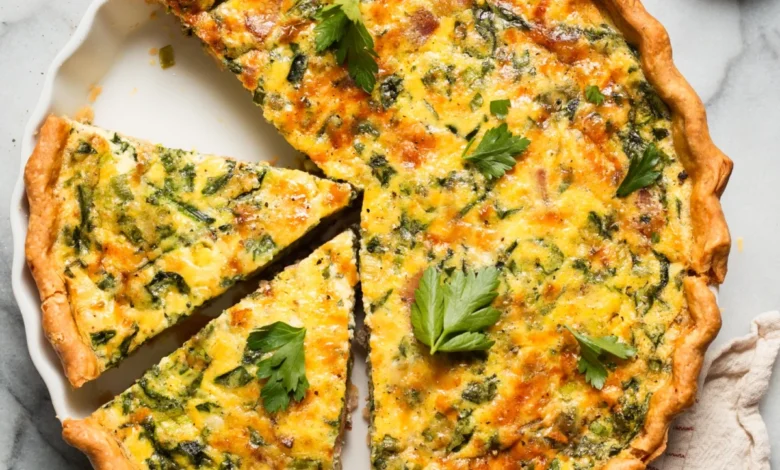
The quiche, a cornerstone of French culinary heritage that has evolved into a global brunch staple, represents a sophisticated intersection of pastry arts and savory custard preparation. While traditionally viewed as a labor-intensive dish reserved for professional bistros or dedicated home bakers, contemporary culinary trends have shifted toward a "semi-homemade" approach that prioritizes efficiency without compromising textural integrity. This evolution is driven by the increasing availability of high-quality pre-made components, such as refrigerated pie dough, and a deeper public understanding of the chemical reactions necessary to produce a silky, non-weeping custard. As of early 2026, the demand for versatile, "any-meal" dishes has seen a resurgence, positioning the quiche as a primary solution for home cooks seeking to balance gourmet results with the constraints of modern schedules.
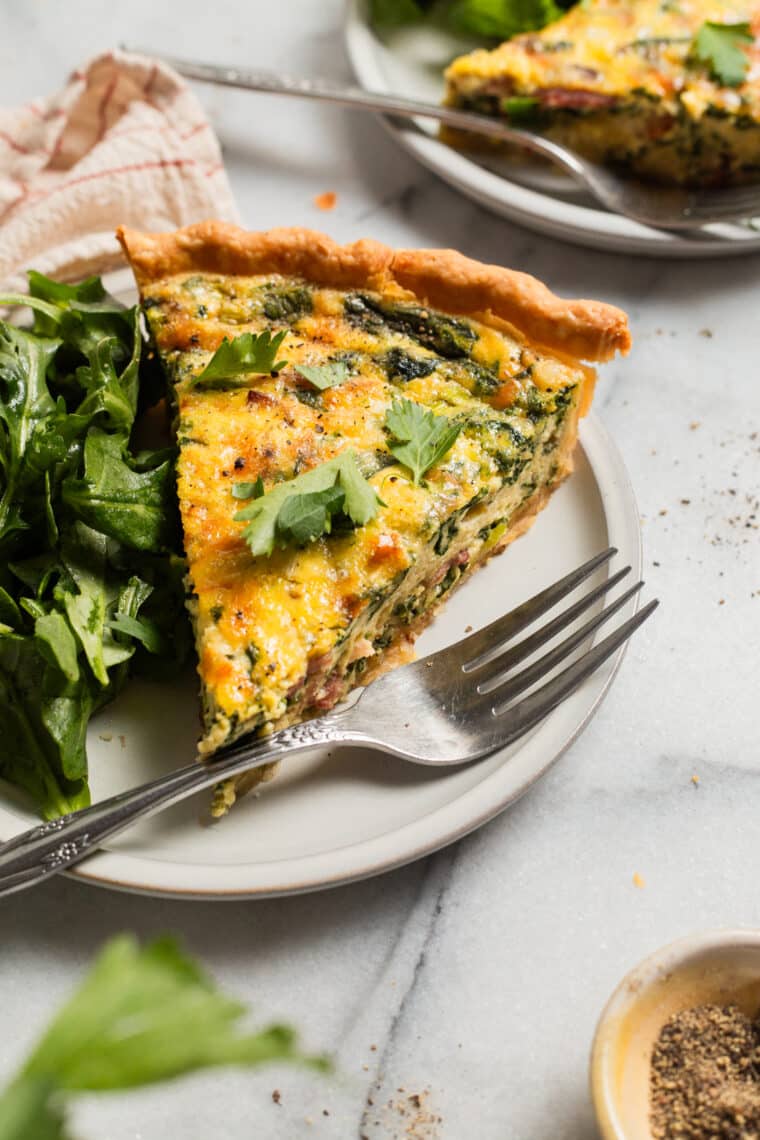
The Technical Framework of the Modern Quiche
At its core, a quiche is defined by the relationship between its three primary components: a shortcrust pastry, a savory custard base, and a curated selection of fillings. Unlike the frittata—an Italian egg-based dish that is often cooked in a skillet without a crust—the quiche relies on the structural support of a golden, flaky shell to contain its delicate interior. The custard itself is a precise emulsion of eggs and dairy, which, when baked, undergoes protein denaturation to create a semi-solid matrix.
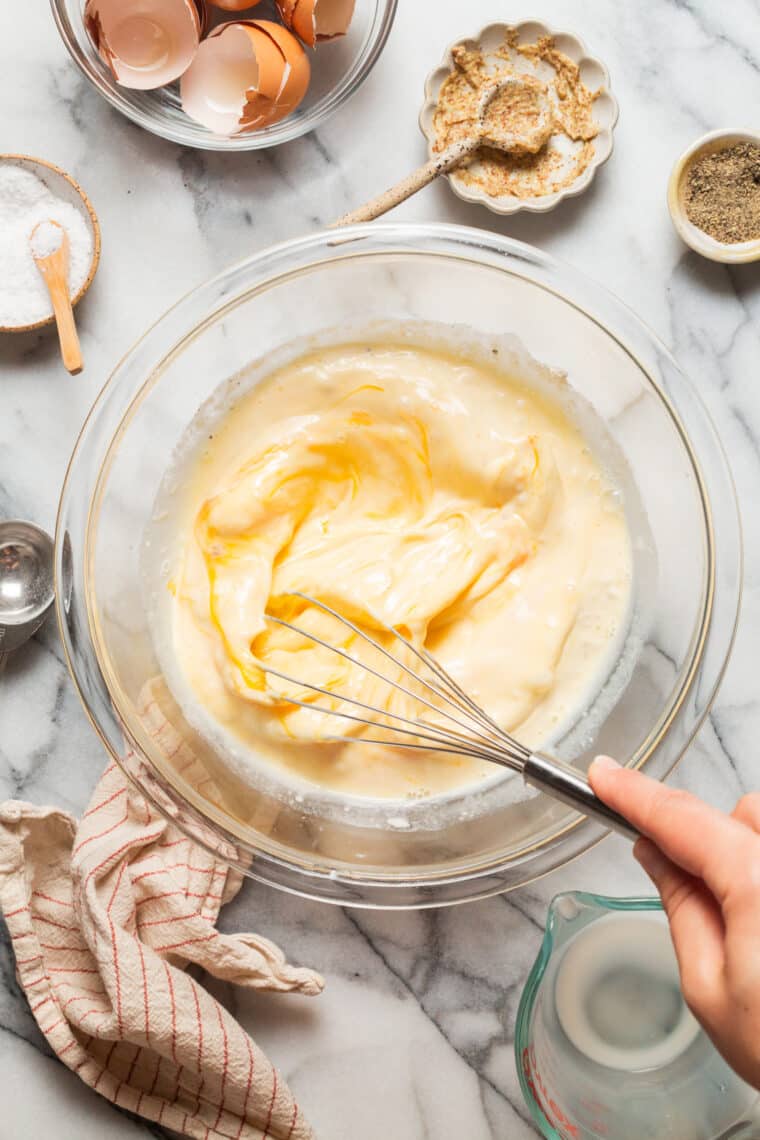
In recent years, culinary experts have refined the "standard" quiche ratio to ensure a texture that is rich yet stable. While many traditional recipes rely solely on heavy cream, contemporary adaptations often utilize half-and-half to achieve a balance between caloric density and mouthfeel. A critical enrichment in modern quiche preparation is the inclusion of a small amount of all-purpose flour within the egg mixture. This addition acts as a stabilizer, absorbing excess moisture from vegetable fillings and preventing the custard from curdling or separating during the baking process.

A Chronological History of the Quiche and Its Cultural Migration
The history of the quiche is as layered as its pastry. While inextricably linked to French cuisine, the dish’s origins are rooted in the medieval kingdom of Lothringen, which was under German rule. The word "quiche" is derived from the German "Kuchen," meaning cake.
- 16th Century: The original "Quiche Lorraine" emerges in the Alsace-Lorraine region. Initially, it was an open-faced pie topped with a custard of eggs, cream, and smoked bacon. Notably, cheese was not a component of the original recipe.
- 19th Century: As the region transitioned between German and French control, the dish was adopted into the French culinary canon. French chefs refined the pastry from a bread-dough base to the buttery pâte brisée known today.
- World War II Era: Quiche gains popularity in the United Kingdom and subsequently the United States as soldiers returning from Europe share their culinary experiences.
- 1970s and 1980s: The quiche reaches a peak of popularity in American "brunch culture." However, it also becomes a cultural touchstone with the 1982 publication of Bruce Feirstein’s Real Men Don’t Eat Quiche, a satirical look at masculinity that briefly impacted the dish’s reputation.
- 2020s-Present: The quiche undergoes a gourmet revival. It is reimagined as a vehicle for seasonal produce, artisanal cheeses like Gruyère and Fontina, and high-quality proteins.
Market Trends and the Rise of Semi-Homemade Cooking
Data from the American Bakers Association and retail market analysts indicate a significant uptick in the sales of refrigerated and frozen pie crusts over the last five years. Consumers are increasingly opting for "shortcut" ingredients that allow them to focus on the creative aspects of cooking—such as flavor pairings and fresh fillings—while bypassing the time-consuming process of chilling and rolling out homemade dough.
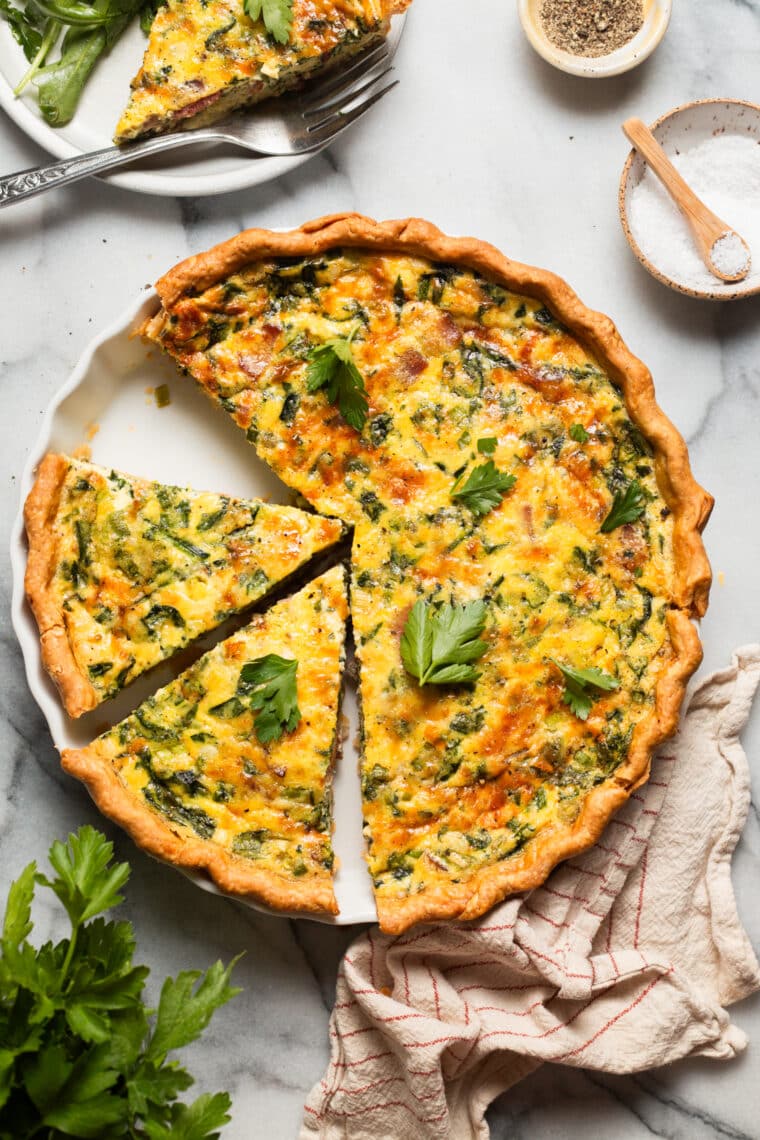
Culinary influencers and professional chefs, including Chungah Rhee of the prominent platform Damn Delicious, have championed this movement. By utilizing two packages of store-bought dough to create a single, more robust crust, cooks can achieve a professional "crimped" edge that mimics the aesthetic of high-end bakery offerings. This technique addresses a common consumer complaint regarding the shrinking size of commercial dough sheets, providing the "running room" necessary to fit larger, deeper quiche dishes.
The Science of the Perfect Custard: Proportions and Stabilizers
To achieve a professional-grade quiche, the ratio of liquid to eggs is paramount. Industry standards typically suggest one large egg for every half-cup of dairy. However, the choice of dairy significantly alters the final product:
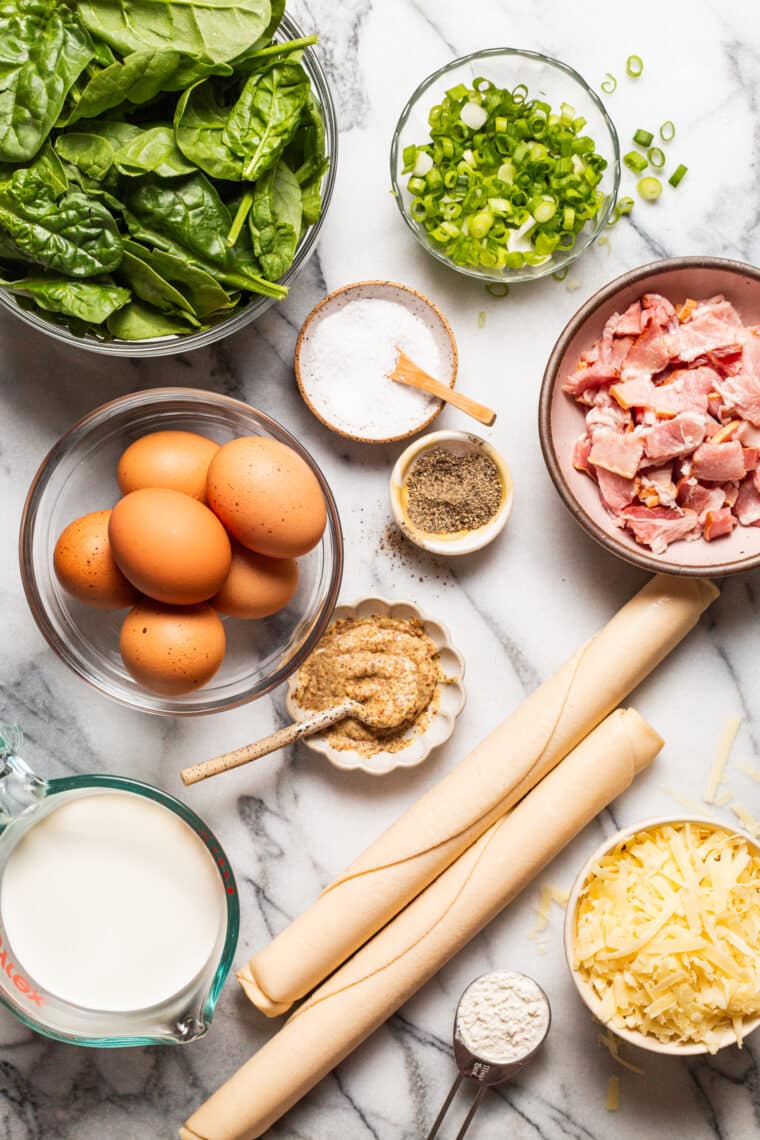
- Heavy Cream: Produces the richest, most stable custard but can be overwhelming in large quantities.
- Half-and-Half: Generally considered the "gold standard" for home use, providing a creamy texture with a manageable fat content.
- Whole Milk: Results in a lighter, more "eggy" custard that is prone to weeping if overbaked.
The inclusion of Gruyère cheese has become a staple of the modern quiche due to its unique melting properties. Unlike cheddar, which can become oily when heated, Gruyère contains a high ratio of protein to fat, allowing it to incorporate seamlessly into the custard while providing a nutty, sophisticated flavor profile.
Crucial Techniques: The Necessity of Blind Baking
Perhaps the most critical step in quiche production, and one often overlooked by novices, is the process of blind baking. This involves pre-cooking the pastry shell before adding the liquid filling. Without this step, the moisture from the custard permeates the raw dough, resulting in a "soggy bottom"—a primary failure in pastry arts.
Technical experts recommend the use of ceramic pie weights or dried beans during the initial phase of blind baking. This weight prevents the steam generated by the melting butter in the dough from causing the crust to bubble or shrink down the sides of the dish. Once the edges are set, the weights are removed, and the bottom of the crust is "docked" (pierced with a fork) and baked for an additional few minutes to ensure the base is crisp and impermeable to the custard.
Global Variations and Nutritional Adaptability
The versatility of the quiche allows it to adapt to various dietary preferences and regional availability. While the "Lorraine" (bacon and Swiss/Gruyère) remains the most recognizable, other combinations have gained significant market share:
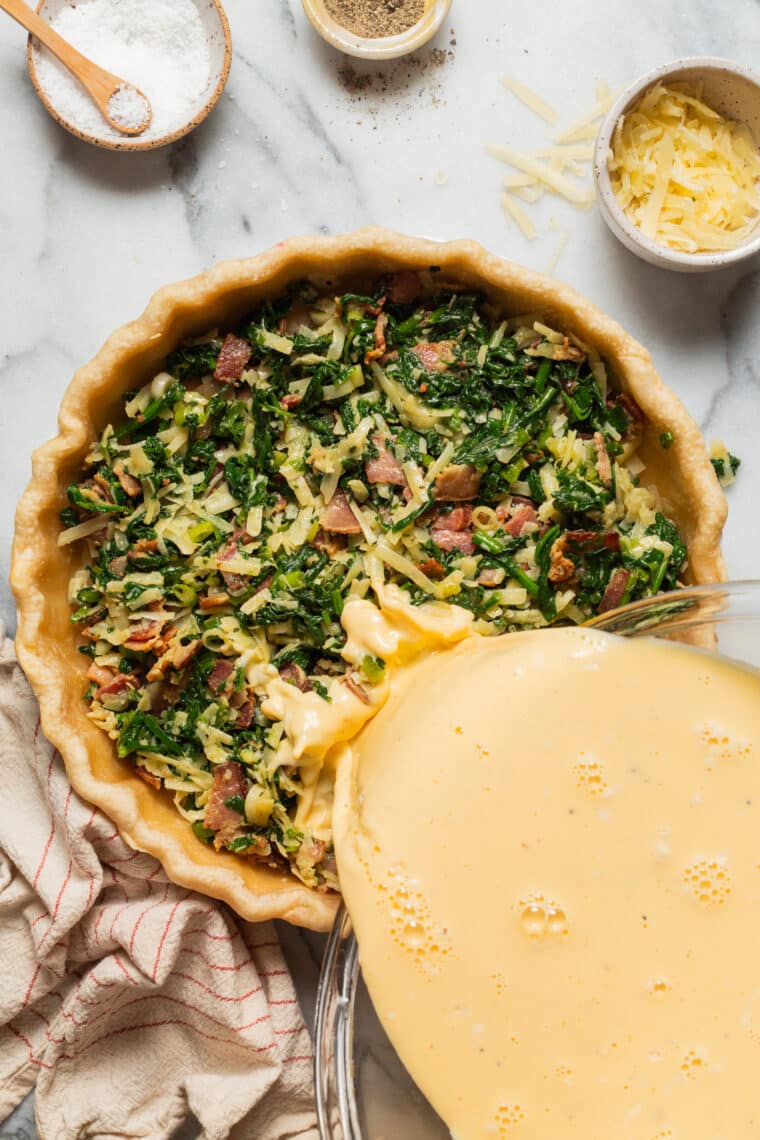
- The Florentine: Incorporating sautéed spinach and often feta or goat cheese, appealing to the vegetarian demographic.
- The Garden Medley: Utilizing roasted broccoli, bell peppers, and caramelized onions, focusing on fiber-rich ingredients.
- Seafood Adaptations: High-end versions often feature smoked salmon, dill, and capers, targeting the luxury brunch market.
From a nutritional standpoint, the quiche provides a high-protein meal option. However, analysts note that the dish is calorie-dense. To address health-conscious consumers, many modern recipes emphasize the "filling-to-custard" ratio, packing the crust with nutrient-dense vegetables to offset the richness of the dairy base.
Economic Implications and the Future of Home Entertaining
As inflation impacts the cost of dining out, the quiche has emerged as an economically viable option for home entertaining. A single quiche can serve eight individuals and utilizes ingredients that are often already present in a standard kitchen, such as eggs and milk. Furthermore, its ability to be prepared up to 48 hours in advance and served at room temperature makes it an ideal candidate for the "low-stress" hosting trends predicted to dominate the mid-2020s.
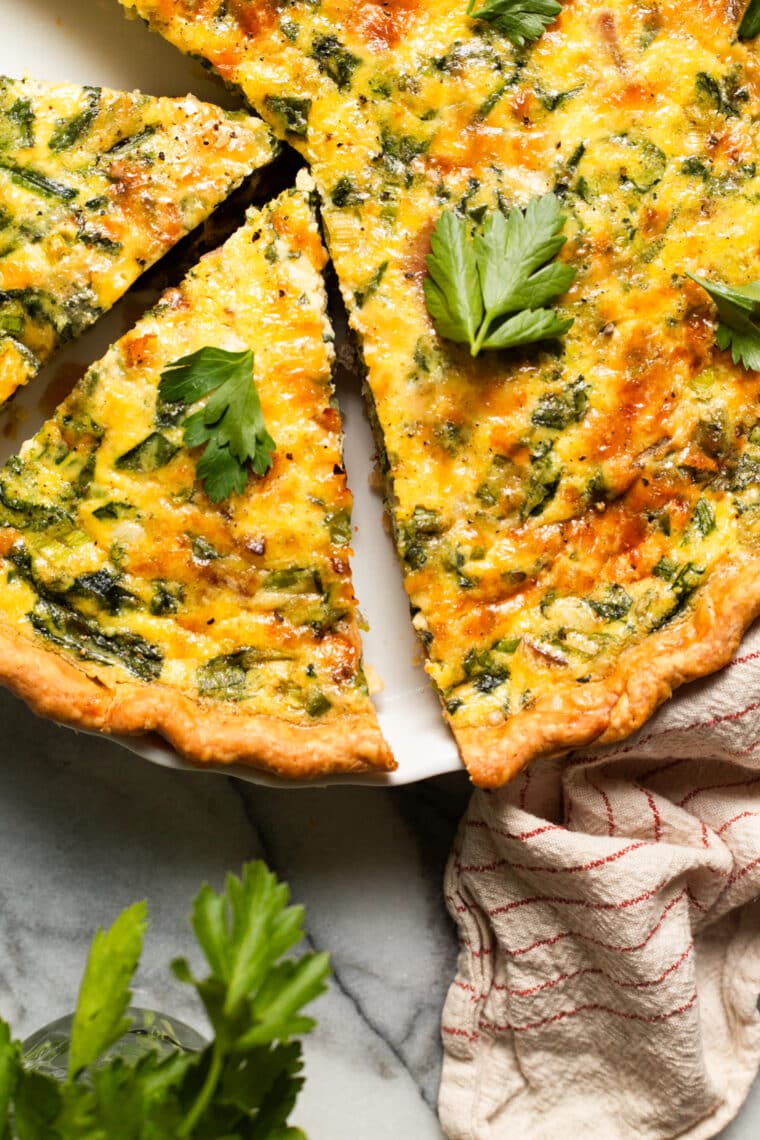
Culinary analysts suggest that the future of the dish lies in its customization. We are seeing a move toward "crustless" quiches (which blur the line with frittatas) for gluten-free diets, as well as the use of alternative flours in the pastry.
Conclusion: The Enduring Legacy of a French Classic
The quiche remains a testament to the endurance of classic French techniques in a rapidly changing culinary landscape. By simplifying the process through the use of high-quality store-bought components and focusing on the fundamental science of custard stabilization, the dish has moved from the realm of the professional chef into the everyday kitchen. Whether served as a centerpiece for a festive brunch or a practical solution for weekday meal prep, the quiche represents a perfect harmony of texture, flavor, and utility. As long as home cooks seek elegance without exhaustion, the golden, custard-filled pastry will maintain its rightful place at the table.