The Ultimate 30-Minute Comfort Food: The Rise of One-Pot Creamy Lasagna Soup in Modern Home Cooking

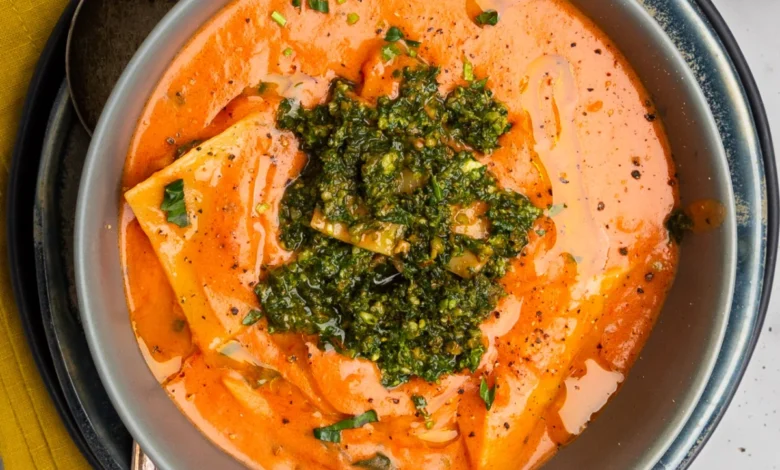
The culinary landscape of contemporary home cooking has shifted dramatically toward efficiency without sacrificing comfort, culminating in the nationwide popularity of simplified hybrid dishes such as the one-pot creamy lasagna soup. Developed by culinary creator Alejandra Graf, this innovative recipe captures the complex, hearty flavor profile of traditional Italian lasagna while reducing preparation and cooking times to a mere 30 minutes. As busy households increasingly seek streamlined meal solutions that do not compromise on flavor, viral comfort food dishes like lasagna soup have emerged as weekday staples, bridging the gap between gourmet satisfaction and practical weeknight execution.
Main Facts and Culinary Evolution

Traditional lasagna is globally celebrated for its rich layers of pasta, savory meat sauce, creamy ricotta, and melted mozzarella, but its preparation is notoriously labor-intensive. It requires making a ragù, boiling pasta sheets, preparing a béchamel or ricotta filling, and carefully layering the components before an extended baking period. In contrast, the one-pot lasagna soup deconstructs these elements into a streamlined soup format.
The dish begins with a classic aromatic sofrito of diced onions, celery, and carrots, which are sautéed until translucent and lightly caramelized. Minced garlic and tomato paste are then incorporated to build a deep, umami-rich foundation, followed by crushed tomatoes and vegetable broth or water. Rather than boiling pasta separately, broken lasagna noodles are cooked directly in the simmering broth, absorbing the savory tomato flavors as they reach an al dente texture. The dish is finalized with a rich dairy component—heavy cream for a traditional richness or homemade cashew cream for a plant-based alternative—resulting in a velvety mouthfeel that mimics the luxurious texture of baked pasta.
Chronology and Recipe Development

The conceptualization of quick-assembly comfort foods gained significant momentum during the post-pandemic shift toward home cooking, where consumers demanded maximum efficiency from their kitchens. Culinary developers began experimenting with "deconstructed" pasta dishes, transforming casseroles into soups that require minimal cleanup and reduced active cooking time.
Graf’s formulation of the creamy lasagna soup was intentionally designed as a modular base rather than a rigid formula. The recipe’s timeline is optimized for modern schedules: approximately 10 minutes of active preparation, followed by 20 minutes of simmering and cooking. This rapid timeline makes it an appealing option for winter evening meals when consumers prioritize warmth and convenience. Over the past several seasons, recipe developers and food bloggers have adopted similar one-pot methodologies, propelling the trend across digital platforms and establishing it as a seasonal favorite for chilly weather.
Supporting Data and Nutritional Flexibility

While comfort foods are traditionally viewed as heavy and calorie-dense, modern home-cooking adaptations focus on nutritional adaptability. The baseline nutritional profile for a standard portion of the creamy lasagna soup is estimated at approximately 117 kilocalories, containing roughly 5 grams of carbohydrates, 7 grams of protein, and 8 grams of fat, though these figures vary significantly depending on the chosen protein and dairy additions.
The recipe’s adaptability allows home cooks to tailor the nutritional composition to specific dietary requirements:
- Plant-Based Adaptations: By substituting traditional dairy cream with cashew cream or tofu-based ricotta, and omitting animal proteins in favor of brown or green lentils, the dish easily transitions into a nutrient-dense vegan meal.
- Protein-Rich Enhancements: For individuals seeking higher protein content, traditional ground beef, Italian sausage, or plant-based meat alternatives can be browned directly in the pot during the initial sauté phase.
- Vegetable Inclusions: The soup serves as an effective vehicle for reducing food waste, accommodating surplus vegetables such as sliced mushrooms, zucchini, or bell peppers without altering the core flavor profile.
Expert Statements and Culinary Industry Insights

Food historians and culinary experts note that the popularity of hybrid comfort foods reflects broader socioeconomic and cultural trends. As work-life balances become increasingly demanding, consumers seek psychological comfort through food—often referred to as "nostalgia eating"—without the time investment historically required to produce such meals.
"Dishes like lasagna soup succeed because they fulfill an emotional need for warmth and familiarity while respecting the modern time deficit," notes a prominent culinary trends analyst. "The genius of the one-pot method lies in its democratization of complex flavor profiles. By allowing starches to cook directly in the sauce, home cooks achieve a rich, cohesive texture that previously required multiple pots, pans, and baking dishes."
Furthermore, nutritionists emphasize the psychological benefits of flexible cooking bases. Allowing consumers to customize dishes based on dietary restrictions—such as gluten-free pasta substitutions or dairy-free finishing creams—empowers individuals to maintain healthy eating habits without feeling deprived of traditional comfort foods.

Broader Impact and Implications for Home Cooking
The widespread adoption of one-pot lasagna soup highlights a permanent evolution in how recipes are designed, shared, and consumed. Digital recipe platforms thrive on content that is visually striking yet deceptively simple to execute. The stark contrast of vibrant red tomato broth, broken pasta ribbons, and a swirl of rich cream makes such dishes exceptionally popular across visual-first social media channels, driving widespread experimentation among amateur cooks.
Beyond digital trends, the recipe underscores a return to foundational culinary techniques. By emphasizing proper aromatic building—sweating onions, carrots, and celery—and the careful balancing of acidity and seasoning in tomato-based broths, quick-cooking recipes educate home cooks on essential flavor-building principles.

As winter weather drives demand for warming, substantial meals, the one-pot creamy lasagna soup stands as a testament to modern culinary ingenuity. By stripping away the complexity of traditional Italian baking while retaining its core sensory experience, this dish has secured its place as a contemporary classic for households seeking both efficiency and indulgence.