The Harbor House Inn: A Study in Culinary Isolation and Coastal Luxury on the Northern California Frontier

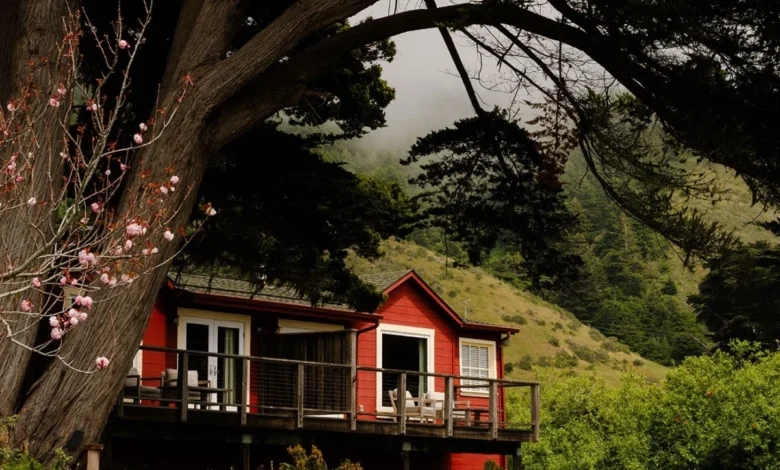
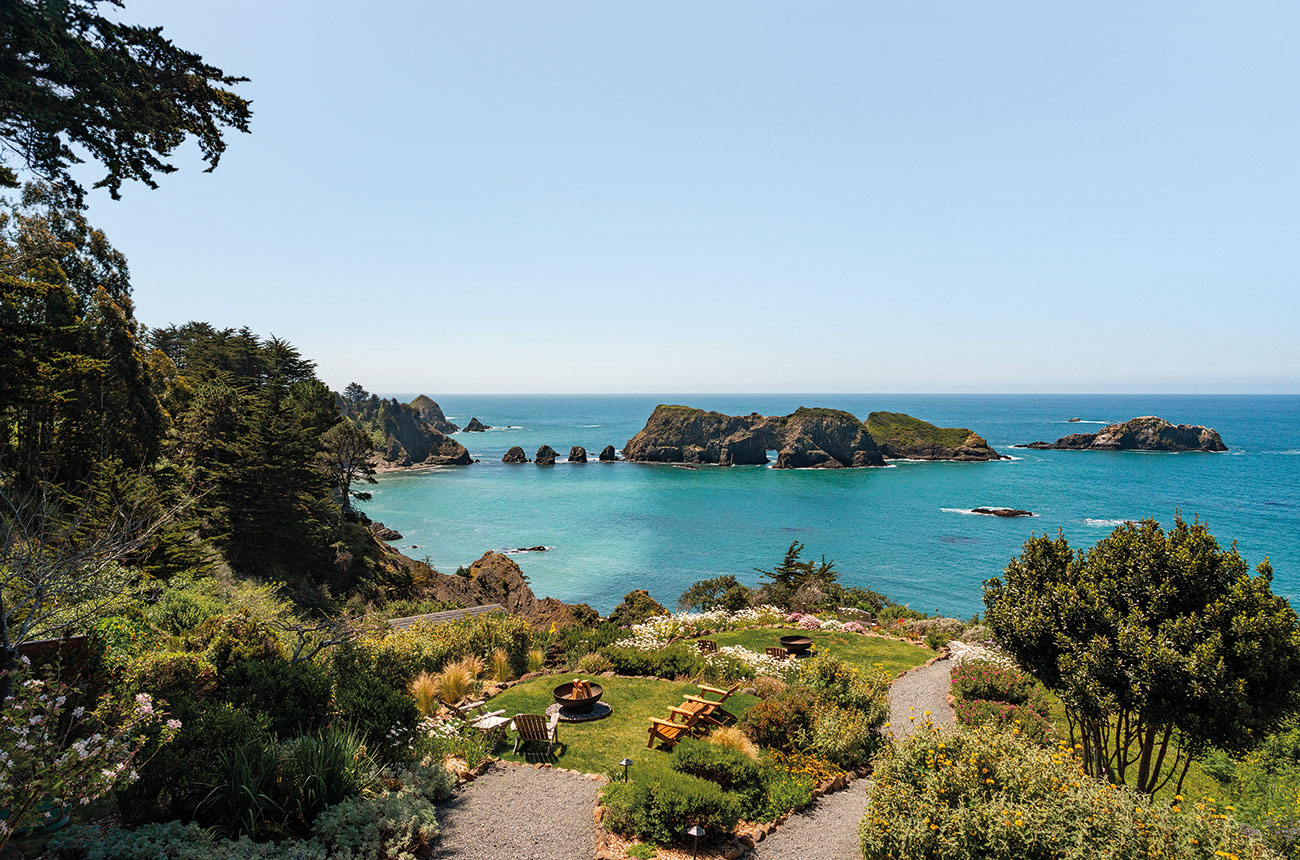
Nothing about the drive to The Harbor House Inn suggests there is a luxurious property with a two-Michelin-star restaurant at the end of it. Tucked away in the quiet, unincorporated community of Elk, California—a town boasting a population of approximately 600 residents—the property represents a unique intersection of remote wilderness and high-end hospitality. Situated along the rugged Mendocino coastline, roughly 150 miles north of San Francisco, the inn serves as a destination for travelers seeking a profound departure from urban saturation.
The inn’s location, while geographically isolating, is a deliberate component of its identity. The journey itself serves as a transition from the bustle of the Bay Area to the silence of the Pacific shoreline. Travelers typically choose between two primary routes: the inland passage via Highway 101 through Cloverdale and the picturesque Anderson Valley, or the coastal route via Highway 1, which winds through Bodega Bay and Jenner. The former offers a glimpse into California’s viticultural heritage, specifically the cool-climate Pinot Noir and Chardonnay for which the Anderson Valley is globally recognized, while the latter offers unparalleled, albeit slower-paced, ocean vistas.
Historical Origins and Modern Transformation
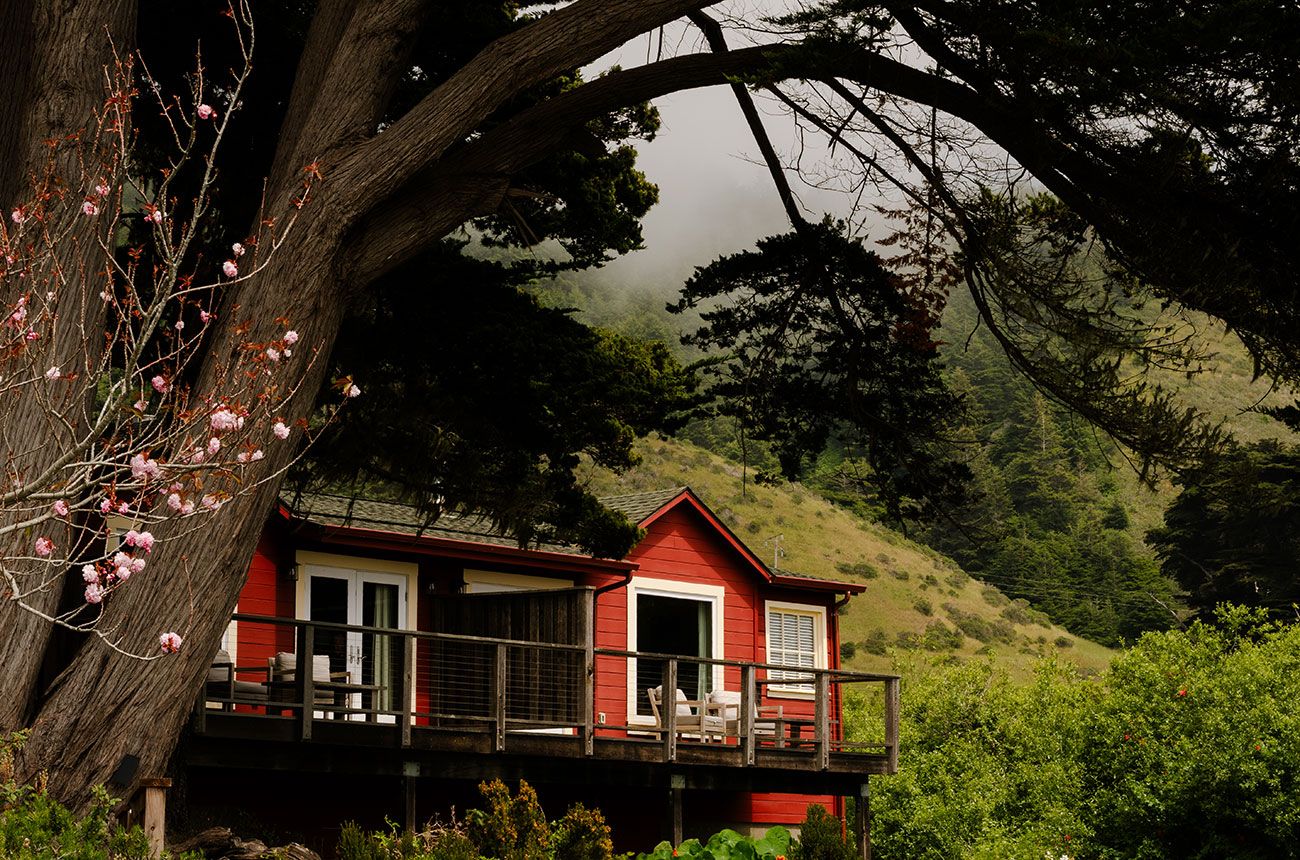
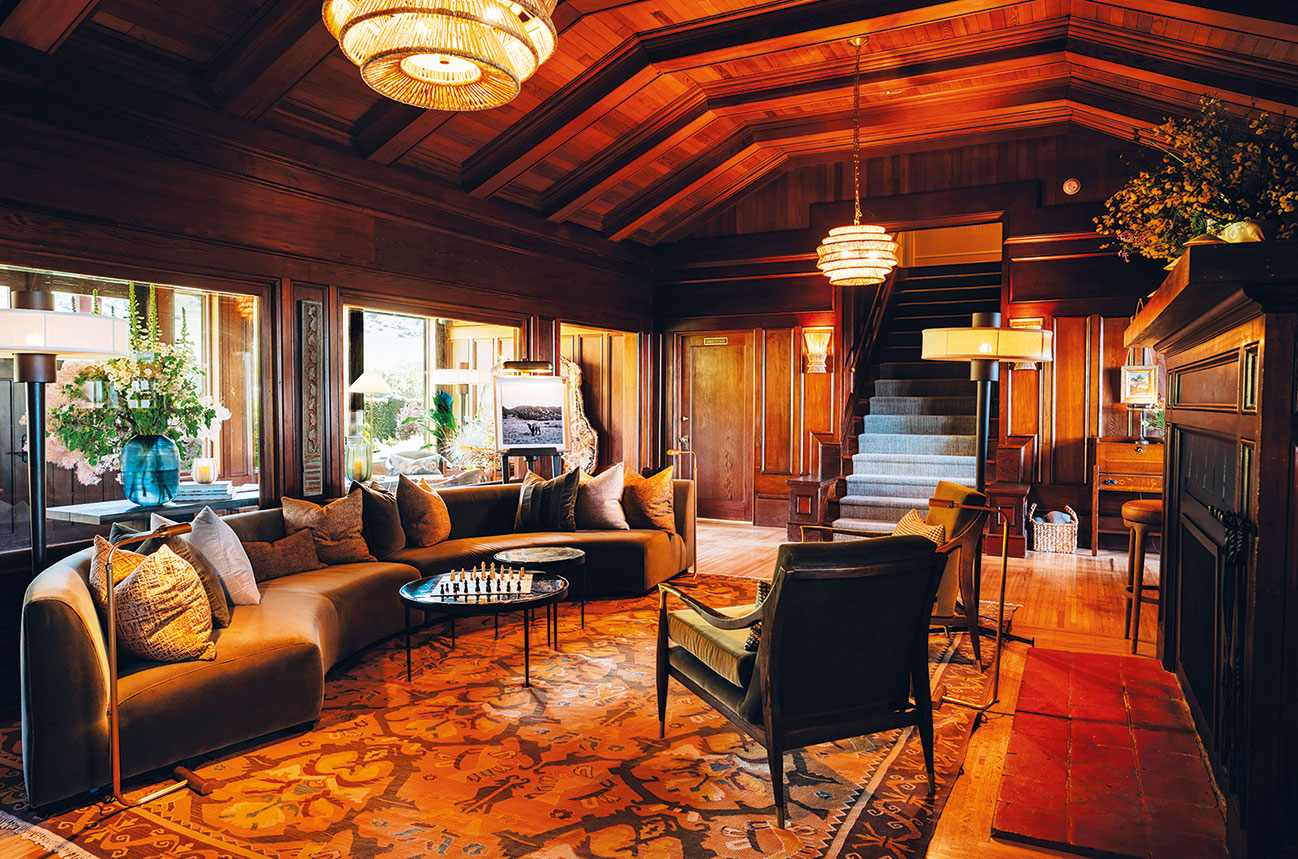
The Harbor House Inn, which stands as a sentinel on a bluff overlooking a secluded cove, was originally constructed in 1916. Its architecture, a classic embodiment of the Arts and Crafts style, was commissioned by a local lumber company. During that era, the structure served as a corporate showpiece, designed to impress potential clients and demonstrate the aesthetic versatility of the locally harvested redwood being shipped to markets across the United States.
The property underwent a comprehensive transformation before its 2018 reopening as a boutique luxury inn. Today, it comprises ten guest units split between the main historic residence and five detached cottages. The design philosophy preserves the building’s heritage while integrating modern amenities, such as gas fireplaces and traditional clawfoot tubs.
A Shift Toward Mindful Gastronomy
The primary engine behind the property’s current reputation is its two-Michelin-starred restaurant, led by executive chef Matthew Kammerer. Kammerer, whose professional background includes tenures in major global metropolitan dining hubs, moved to the Mendocino coast specifically to escape the constraints of traditional high-end culinary environments. His arrival at the Harbor House marked a pivot toward what he describes as a "wilder" and more "raw" approach to fine dining.
This strategic shift yielded rapid recognition. The restaurant secured its first Michelin star in 2019, followed by a Michelin Green Star for sustainability in 2020, and a second star in 2021. The operational model is deeply inspired by the Japanese ryokan—a traditional inn focused on hospitality, intimacy, and the seamless integration of the guest’s experience with the surrounding environment.
Kammerer’s culinary approach relies heavily on a hyper-local supply chain. By utilizing ingredients foraged from the coastline or harvested from the inn’s dedicated farm, which was established in 2020, the kitchen limits its carbon footprint while ensuring peak seasonality. This commitment extends to the tabletop; even the dishware is sourced from local Mendocino County ceramicists.
"It’s a journey to get here," Kammerer has noted. "Why would I serve you a menu that you could just eat in the city with the same products from the city purveyors?" This rhetorical question highlights the central tension of the inn’s mission: providing a singular, place-based experience that cannot be replicated elsewhere.
Chronology of Growth and Sustainability Initiatives
The evolution of the Harbor House Inn reflects a broader trend in the hospitality sector: the rise of "destination dining" where the location is as essential as the meal.
- 1916: The original redwood structure is built by a local lumber company to showcase regional timber.
- 2018: Following extensive renovations, the Harbor House Inn reopens to the public, blending historical architecture with contemporary luxury.
- 2019: The restaurant is awarded its first Michelin star, validating the concept of high-end, remote-coastal dining.
- 2020: The property establishes an on-site farm to secure a consistent supply of seasonal produce, and the restaurant is recognized with a Michelin Green Star.
- 2021: The restaurant earns a second Michelin star, cementing its status as one of the premier culinary destinations in Northern California.
The integration of the on-site farm was a critical milestone in the property’s sustainability timeline. By controlling the growth of vegetables and herbs, the kitchen staff can adapt the daily menu to the specific conditions of the North Coast, rather than attempting to force ingredients into a rigid, pre-planned structure.
Economic and Social Implications of Remote Luxury
The economic impact of a high-profile establishment like the Harbor House in a town of 600 people is significant. Beyond the direct employment of local staff, the inn functions as an anchor for the regional tourism economy, drawing affluent visitors who also frequent local businesses, such as the Elk Store.
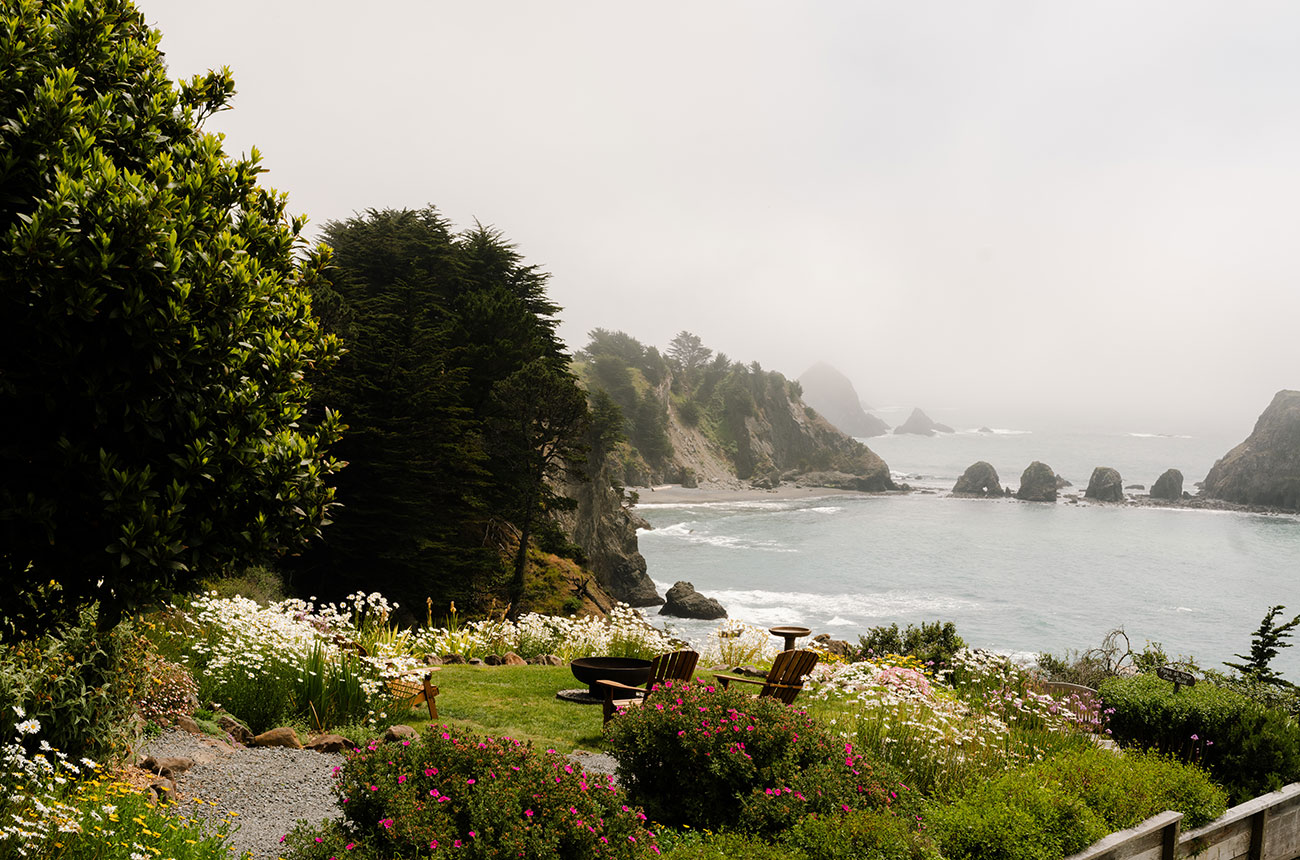
Management notes that the property’s child-free policy and the two-night minimum stay requirement are designed to foster a specific, tranquil atmosphere. This strategy effectively targets a demographic of professionals seeking respite from high-pressure environments. The "disconnection" offered by the property is not merely a marketing term; it is a structural reality. With limited cellular service and an emphasis on slow-paced activities—such as walks to the private beach, foraging, or reading in common areas—the inn encourages a departure from the digital tethering characteristic of modern life.
Critical Analysis: The Pairing Paradox
While the culinary offerings at the Harbor House have received critical acclaim for their local focus, the beverage program presents an interesting point of analysis. During peak seasons, the wine pairings are predominantly European, a choice that contrasts with the hyper-local ethos of the food menu.
For many diners, the inclusion of local Mendocino or Sonoma County wines would provide a more cohesive narrative of the region’s terroir. However, the current strategy suggests an intention to provide a sophisticated, global standard of service that appeals to an international clientele. Whether the inn will eventually pivot toward a more localized wine program remains a point of interest for food critics and industry observers.
Logistical Considerations for Future Visitors
For prospective guests, the experience requires careful planning. The isolation that makes the inn desirable also necessitates a commitment to the journey. The two-night minimum stay is a standard industry practice for remote, high-end properties, ensuring that the staff can provide a level of service that justifies the nightly rates, which begin at $850.
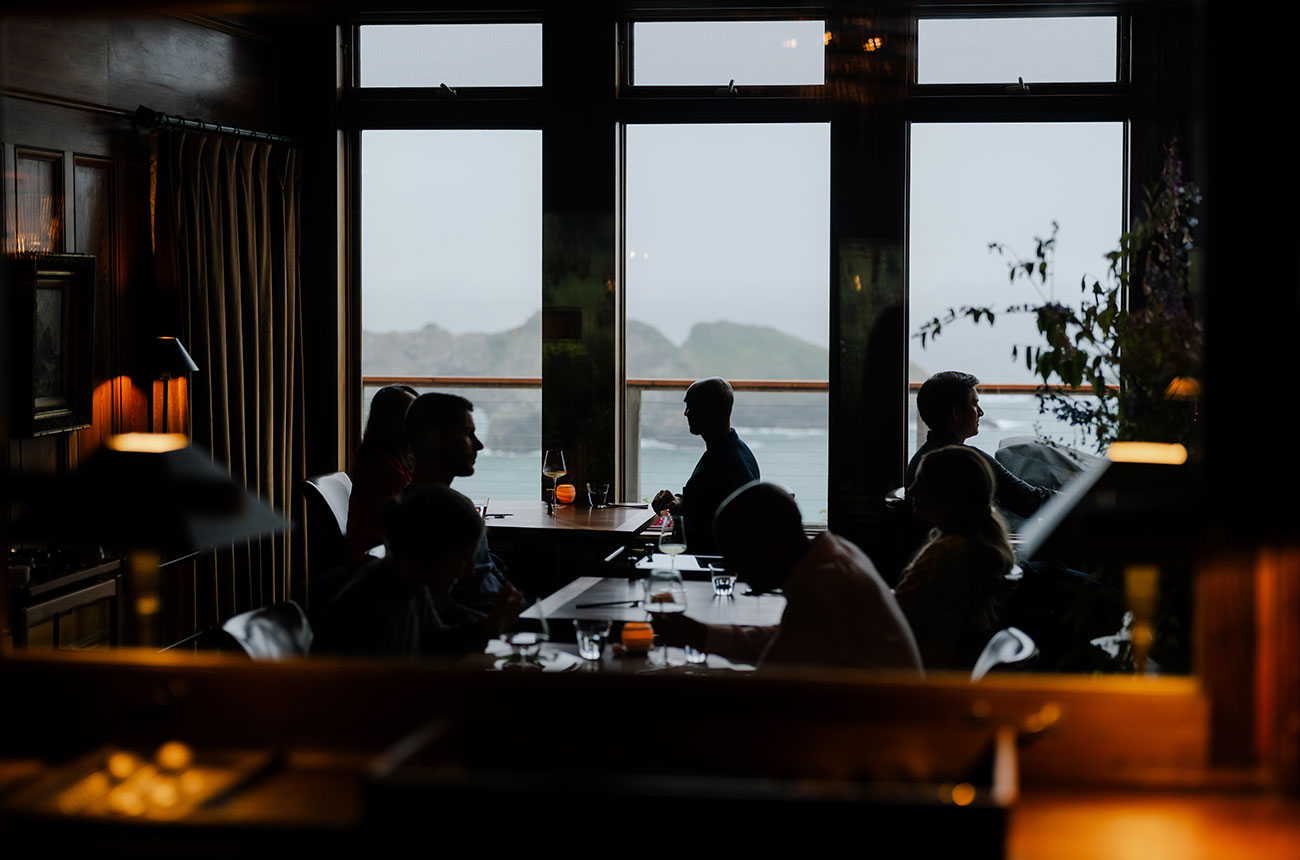
The restaurant, operating from Thursday to Monday, remains the focal point of the guest experience. The tasting menus—priced at $350 for dinner and $150 for lunch—are subject to availability, and the transient nature of the ingredients means that no two visits are identical. As the fog rolls in over the Pacific, the contrast between the warmth of the interior and the rugged, unpredictable nature of the Northern California coast becomes the defining feature of the stay.
The Harbor House Inn stands as a testament to the idea that true luxury is increasingly defined by accessibility to nature and the exclusivity of a location. By successfully marrying the traditions of the Japanese ryokan with the raw, untamed ingredients of the North Coast, the property has established a model that challenges the necessity of urban proximity for world-class hospitality. Whether this model can be scaled or whether its success is entirely dependent on the specific isolation of Elk remains to be seen, but for now, the inn remains a singular destination for those willing to drive to the end of the road.