The Secret Wine List: How Restaurant Gatekeeping and Off-Menu Selections Alienate Diners

The modern dining landscape has long prided itself on curation, exclusivity, and the pursuit of culinary authenticity. However, an increasingly controversial practice within high-end beverage programs threatens to alienate casual diners and wine enthusiasts alike: the phenomenon of the "off-list" or "secret" wine menu. While restaurant operators frequently defend these hidden inventories as necessary tools to protect rare allocations and reward loyal clientele, industry critics argue that such measures constitute a form of elitist gatekeeping. At a time when the global hospitality sector faces declining wine consumption, shifting consumer demographics, and economic headwinds, the debate over who gets access to exclusive bottles has emerged as a critical flashpoint in modern restaurant management.
The Anatomy of the Secret List: Origins and Operations
The practice of maintaining unprinted, restricted wine inventories is rooted in the complex economics of allocated wines. Producers of natural, low-intervention, or small-batch wines—such as Domaine des Miroirs or highly sought-after Burgundies—often produce merely a few hundred cases annually, which must be distributed globally. Consequently, restaurants and wine bars frequently receive only a handful of bottles per year.
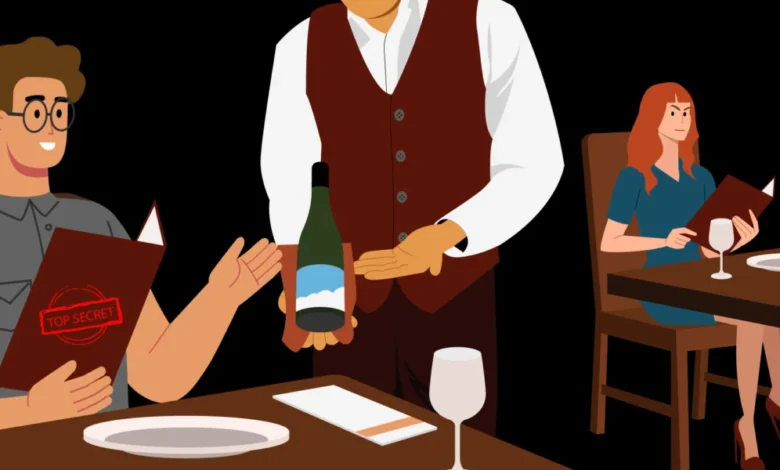
Faced with this scarcity, wine directors and sommeliers often implement informal screening processes to determine which patrons are permitted to purchase these rare items. Diners inquiring about unlisted bottles have reported experiencing polite yet probing interrogations regarding their knowledge of the producer, past consumption history, and familiarity with specific viticultural regions. In more extreme cases, staff members are instructed to falsely claim that a listed bottle has been exhausted—a practice known in the industry as being "86’d"—if the patron is unrecognized or deemed unworthy by management.
Proponents of these exclusive inventories argue that such measures prevent speculative buyers—often referred to as "cherry-pickers"—from purchasing rare bottles simply to resell them or consume them without genuine appreciation, never to return to the establishment.
Chronology of Industry Practices
The evolution of hidden wine lists has shifted from an organic byproduct of rapid inventory turnover to a calculated, albeit controversial, loyalty mechanism. Historically, off-menu bottles existed due to logistical constraints: wines that had recently arrived from importers, inventory awaiting sufficient cellar aging, or overstocking that exceeded the physical space available on printed wine lists.
In recent years, however, the practice has transformed. Some prominent restaurateurs, such as Daniel Eddy of Brooklyn establishments Winner and Runner Up, have openly conceptualized structured off-list systems akin to retail loyalty programs. Under this theoretical model, patrons who dine at an establishment a specific number of times would "unlock" access to allocated bottles at non-gouged, fair market prices. While Eddy has not formally instituted this strategy, the discussion underscores a broader industry tension: balancing the desire to reward consistent patronage with the imperative to maintain an inclusive dining environment.
Conversely, arbitrary enforcement has led to negative consumer experiences. Diners who possess sufficient knowledge to identify hidden offerings online or through industry networks frequently report feeling tested, dismissed, or alienated when encountering inconsistent gatekeeping policies across different venues or even among different servers within the same establishment.
Economic and Cultural Implications
The debate surrounding secret wine lists occurs against a challenging backdrop for the global beverage and hospitality industries. Recent data from agricultural and trade organizations indicate shifting consumer habits, with overall wine consumption slowing in major markets, vineyards reportedly pulling up vines due to oversupply, and numerous independent restaurants struggling against rising operational costs.
In this economic climate, analysts suggest that exclusionary practices directly conflict with the fundamental tenets of hospitality. Industry observers point out several key implications of widespread wine list gatekeeping:
- Erosion of Consumer Trust: When patrons perceive that certain products are withheld based on arbitrary social currency, professional status, or perceived expertise, the overall dining experience is compromised, potentially discouraging repeat visits.
- Barriers to Entry: For novices or intermediate wine consumers, encountering hidden tiers or interrogative service styles reinforces the stereotype that wine culture is pretentious and exclusionary, contrary to current efforts to democratize beverage education.
- Risk to Business Sustainability: Restricting sales of high-margin or desirable inventory limits potential revenue streams during a period when restaurants require diversified income to remain solvent.
Industry Perspectives and Alternative Approaches
Hospitality professionals remain deeply divided on the ethics and utility of restricted inventories. While protecting limited allocations for dedicated regulars remains a compelling priority for many beverage directors, critics argue that true hospitality must be inclusive rather than conditional.
Alternative strategies proposed by industry experts include transparent allocation systems, rotating featured selections available to all patrons on a first-come, first-served basis, or utilizing educational wine programs that invite broader participation rather than restricting access. By fostering an environment where curiosity is welcomed rather than interrogated, establishments can cultivate a broader base of educated consumers while simultaneously supporting sustainable business practices.
Ultimately, as the hospitality sector navigates structural shifts in consumer behavior, the future of wine service may depend on replacing exclusivity with accessibility, ensuring that every diner feels equally valued regardless of their familiarity with niche producers.