Inside the Underground World of NYC’s Hidden Apartment Restaurants | RestaurantNews.com

The Evolution of the Underground Dining Movement
The rise of the "apartment restaurant" is not an entirely new concept, but its current iteration represents a significant departure from the clandestine "supper clubs" of the early 2000s. Historically, underground dining was often a niche hobby or a way for chefs to test menus before securing venture capital. Today, the movement has matured into a sophisticated, albeit gray-market, sector of the hospitality economy.
The timeline of this shift can be traced back to the onset of the COVID-19 pandemic in 2020. When New York City’s hospitality sector faced unprecedented shutdowns, thousands of industry professionals were displaced. With traditional restaurants shuttered, chefs began utilizing their personal living spaces to maintain their craft and income. What began as a survival mechanism evolved into a preferred business model for many, as the lack of commercial rent, insurance premiums, and city-mandated overhead costs allowed for higher profit margins and greater creative autonomy.
A Spectrum of Culinary Offerings
The variety of experiences currently operating within residential envelopes is vast. At one end of the spectrum are high-end tasting menus, often orchestrated by chefs who have previously held positions at Michelin-starred establishments. These hosts frequently utilize social media platforms and invite-only mailing lists to manage bookings, creating an air of exclusivity that traditional restaurants struggle to replicate. These dinners often command prices ranging from $150 to $300 per person, comparable to established fine-dining venues in Manhattan or Brooklyn.
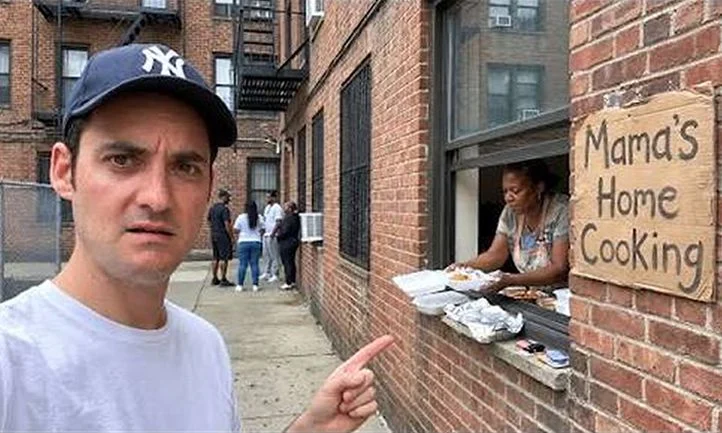
Conversely, there is a burgeoning market for neighborhood-centric dining. In neighborhoods like Washington Heights, Queens, and parts of the Bronx, residents have opened their kitchen windows or apartment doors to serve authentic, regional cuisine—ranging from Dominican pastries and empanadas to traditional Indonesian rijsttafel. These operations function less like "exclusive clubs" and more like community hubs, providing high-quality, culturally specific food that is often absent from the sanitized, gentrified restaurant corridors of the city.
Economic and Regulatory Implications
The proliferation of these kitchens presents a complex challenge for municipal authorities, particularly the New York City Department of Health and Mental Hygiene. Under the New York City Health Code, any establishment serving food to the public must adhere to rigorous sanitation, fire safety, and ventilation standards. Most residential apartments are structurally incapable of meeting these requirements, which include commercial-grade grease traps, multi-compartment sinks, and specific waste management systems.
From an economic standpoint, these underground venues occupy a "shadow economy." According to data from the National Restaurant Association, the average cost of operating a brick-and-mortar restaurant in New York City is among the highest in the world, with rent and labor costs often consuming up to 60% of gross revenue. By operating out of a home, these hosts effectively subsidize their business with their residential rent, avoiding the commercial property tax burden and the costs associated with mandatory city health inspections.
However, this lack of oversight creates significant risks. Public health officials warn that the absence of routine inspections leaves consumers vulnerable to foodborne illnesses. Furthermore, the lack of commercial insurance means that if a patron were to suffer an injury or an allergic reaction, there is no clear legal framework for liability.
Community and Social Dynamics
Beyond the logistical challenges, these venues have fostered a unique social phenomenon. The traditional restaurant model is built on transactional efficiency—turnover rates, table rotations, and server quotas. In contrast, apartment-based dining emphasizes the "third space" concept, where the host’s residence acts as a communal living room.
Diners at these events often report that the experience of sharing a table with strangers is a primary driver for their attendance. In a city of eight million people, the anonymity of urban life is frequently cited as a downside; these dining setups provide a curated, safe environment for social interaction. Anthropologists observing the trend note that this behavior mirrors the "dinner party" culture of the 19th century, updated for a hyper-connected, digital age where trust is established through Instagram profiles and peer reviews.
The Perspective of Traditional Restaurateurs
The reaction from the established hospitality industry has been mixed. Some established restaurateurs view the trend as an existential threat to the integrity of the food service industry. They argue that the "playing field" is uneven, as they pay high taxes and follow strict regulations that ensure public safety, while underground operators face zero accountability.
"It is a matter of public safety and fair play," noted a spokesperson for a local hospitality coalition. "When you go to a restaurant, you have an expectation of a certain standard of health and safety. When you enter a private home, that contract is essentially voided."
However, others see the movement as a necessary correction to a broken system. Many chefs who have left the industry cite the "burnout culture" and the financial toxicity of the NYC restaurant scene as reasons for moving to home-based operations. For them, the apartment kitchen represents a return to the roots of cooking: serving food for the sake of the craft, rather than for the sake of meeting investors’ bottom lines.
Future Outlook and Policy Responses
As these operations continue to grow, city officials face a dilemma: enforce existing codes, which would effectively shut down a thriving segment of the gig economy, or adapt regulations to accommodate a new, decentralized model of food service. Some urban planners have suggested the creation of a "micro-commercial" license that would allow home cooks to operate under a simplified set of safety regulations, provided they maintain specific hygiene standards and insurance coverage.
Until such a framework is developed, the industry remains in a state of flux. Digital platforms have made it easier than ever for these venues to advertise and accept payments, creating a "cat-and-mouse" game with local inspectors. Nevertheless, the demand for these experiences remains high. For the modern New York diner, the appeal of a unique, personal, and authentic meal often outweighs the lack of a government-issued letter grade in the window.
The story of the secret apartment restaurant is ultimately a reflection of New York City’s enduring identity as a laboratory for social and culinary innovation. Whether it remains a permanent fixture of the city’s food scene or eventually succumbs to regulatory pressure, it has fundamentally changed the conversation regarding what constitutes a "restaurant" in the 21st century. The movement highlights a shift away from corporate, sterile dining environments toward a more human-centric, intimate, and inherently unpredictable way of eating. As long as there are chefs who crave independence and diners who seek connection, the doors to these secret kitchens are unlikely to close anytime soon.